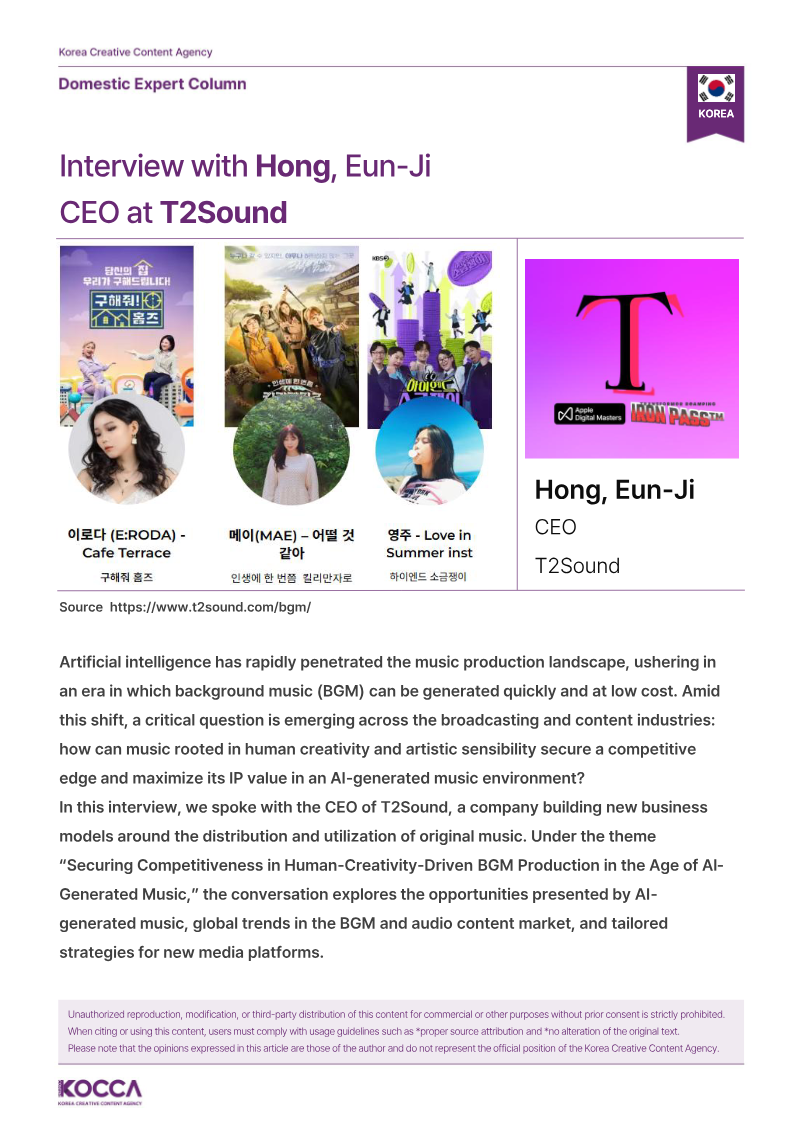
Securing Competitiveness in Human-Creativity-Driven BGM Production in the Age of AI-Generated Music: South Korea
20256 pages~14 min full read
The interview with Hong Eun‑Ji, CEO of T2Sound, examines how background‑music (BGM) producers in South Korea can preserve competitive advantage as AI‑generated music becomes increasingly affordable and rapid. The central thesis is that human creativity—particularly the ability to convey authentic emotion and intent—remains the decisive factor that AI cannot replicate, and that leveraging AI as a collaborative tool rather than a threat can enhance, not replace, the artistic value of BGM.
Key insights emphasize that quality and emotional resonance, achieved through meticulous mixing and mastering, are the core values guiding T2Sound’s work. The company prioritises collaboration with external creators, believing that collective expertise yields richer nuance than isolated in‑house production. Market trends reveal a shift among overseas buyers toward tracks with distinctive sonic signatures rather than generic pleasantness, and Korean BGM’s success abroad is linked to its unique emotional line and texture. In short‑form media, the interview highlights the necessity of an immediate, memorable hook within the first few seconds to secure brand recognition and audience immersion.
Looking ahead to 2026, the conversation predicts a consolidation around financially proven genres such as hip‑hop and trot in Korea, reflecting an industry increasingly driven by economic sustainability. The interview’s qualitative methodology—direct dialogue with a leading BGM provider—offers a focused perspective on the evolving interplay between AI tools, human artistry, and global market demands within the South Korean audio‑content sector.
KOCCA – Korea Creative Content Agency · 2025
KOCCA – Korea Creative Content Agency · 2025
KOCCA – Korea Creative Content Agency · 2025
KOCCA – Korea Creative Content Agency · 2025
KOCCA – Korea Creative Content Agency · 2025
KOCCA – Korea Creative Content Agency · 2025
KOCCA – Korea Creative Content Agency · 2025
KOCCA – Korea Creative Content Agency · 2025
KOCCA – Korea Creative Content Agency · 2025
KOCCA – Korea Creative Content Agency · 2025
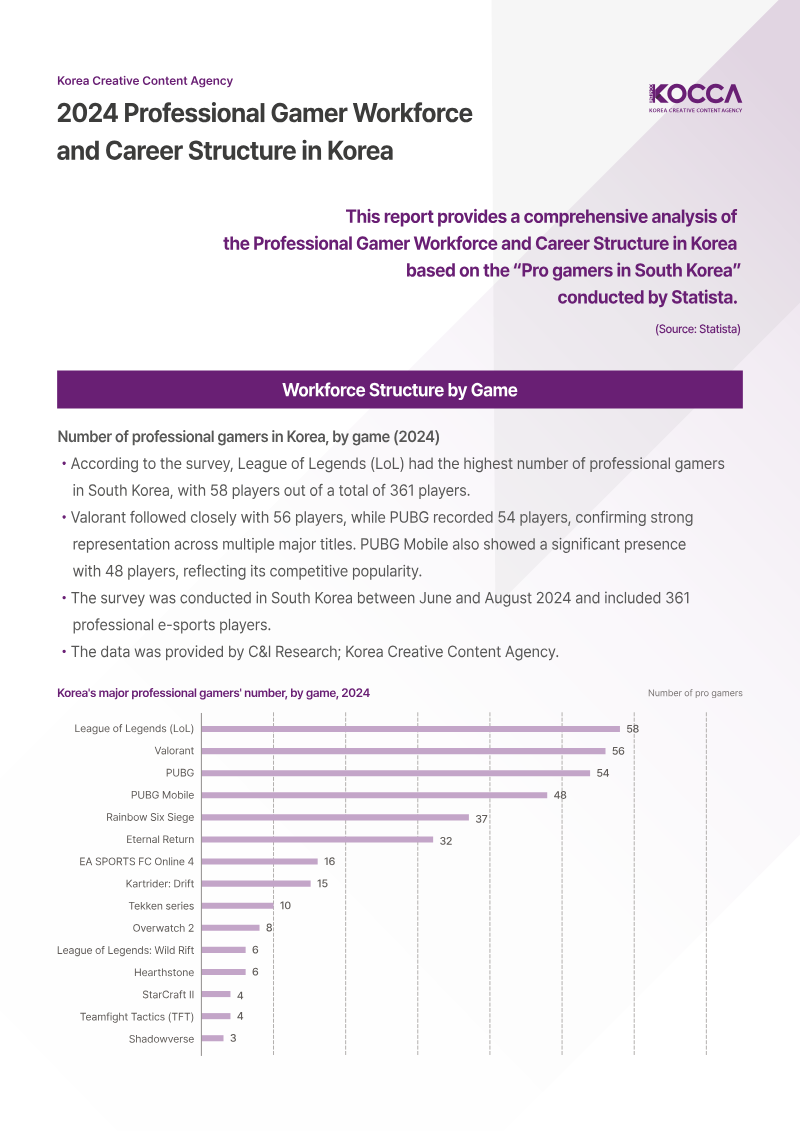
KOCCA – Korea Creative Content Agency · 2024
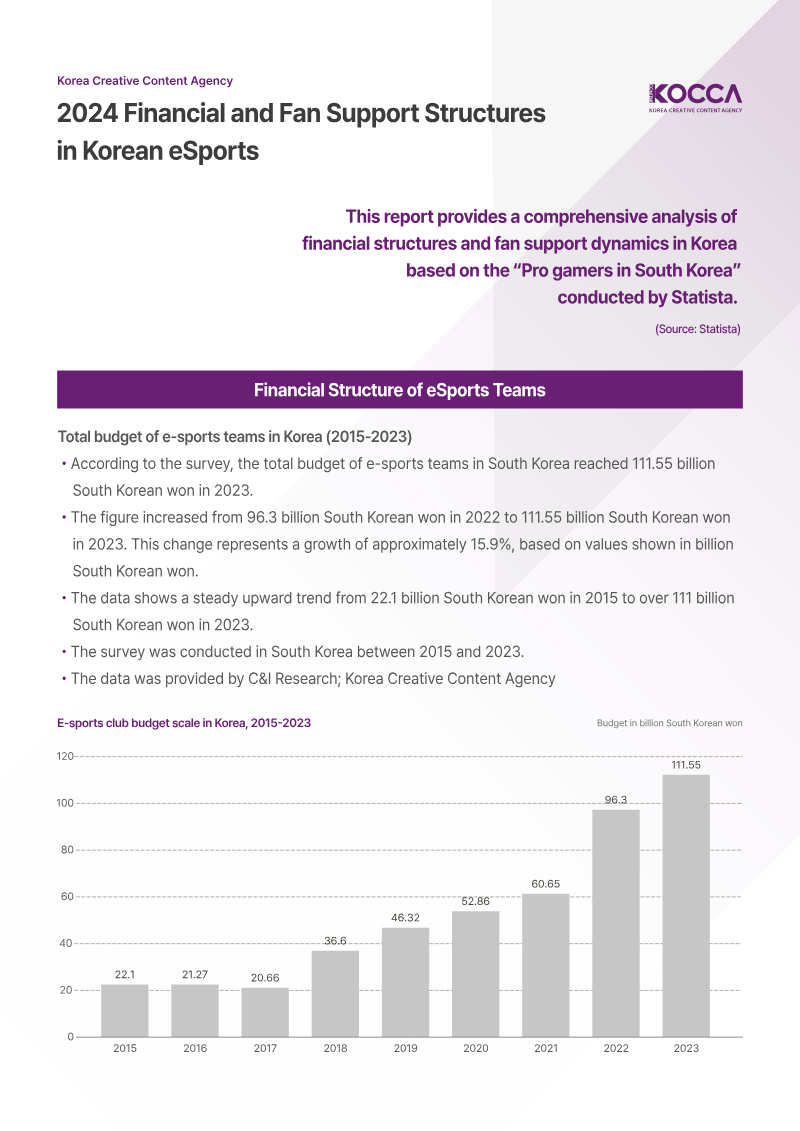
KOCCA – Korea Creative Content Agency · 2024
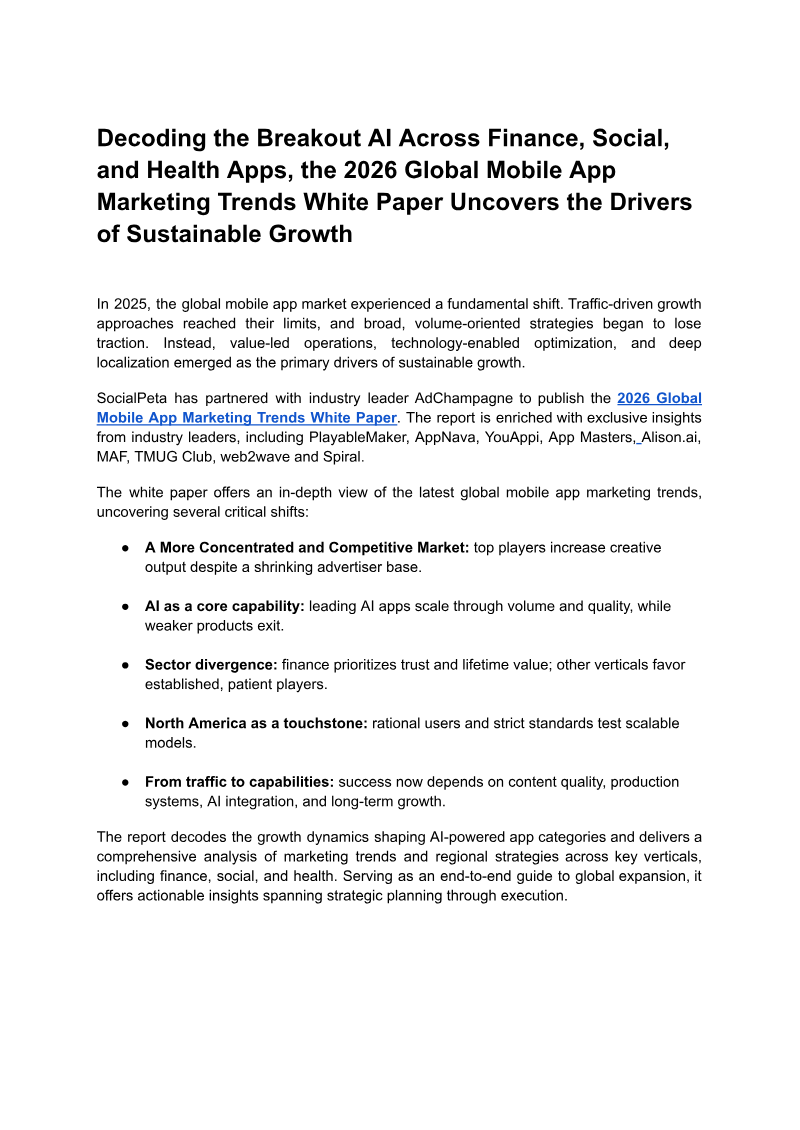
SocialPeta · 2026
Raptive · 2026
InvestGame · 2026

InvestGame · 2026

SocialPeta · 2026

SocialPeta · 2025
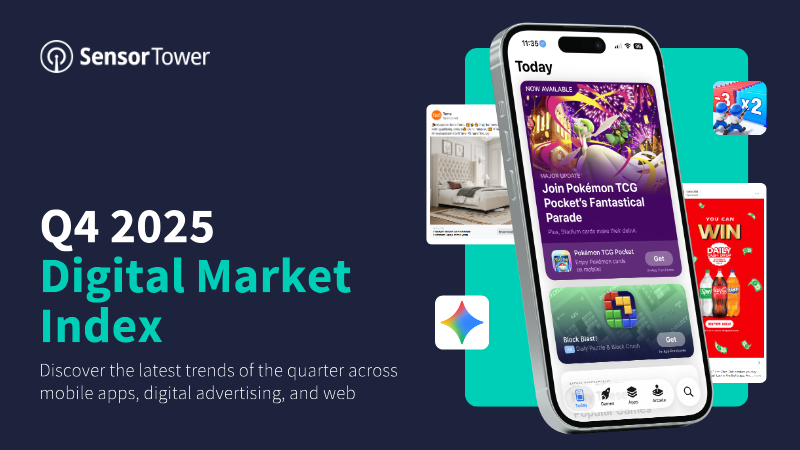
Sensor Tower · 2025

GamingReport · 2025
EA · 2025
Almedia · 2026
Gamesight · 2026
Sensor Tower · 2026