Marketing reports and market data
Documents
Mobile Gaming: Casual
The analysis demonstrates that casual mobile gaming has entered a phase of mature monetization and strategic diversification.
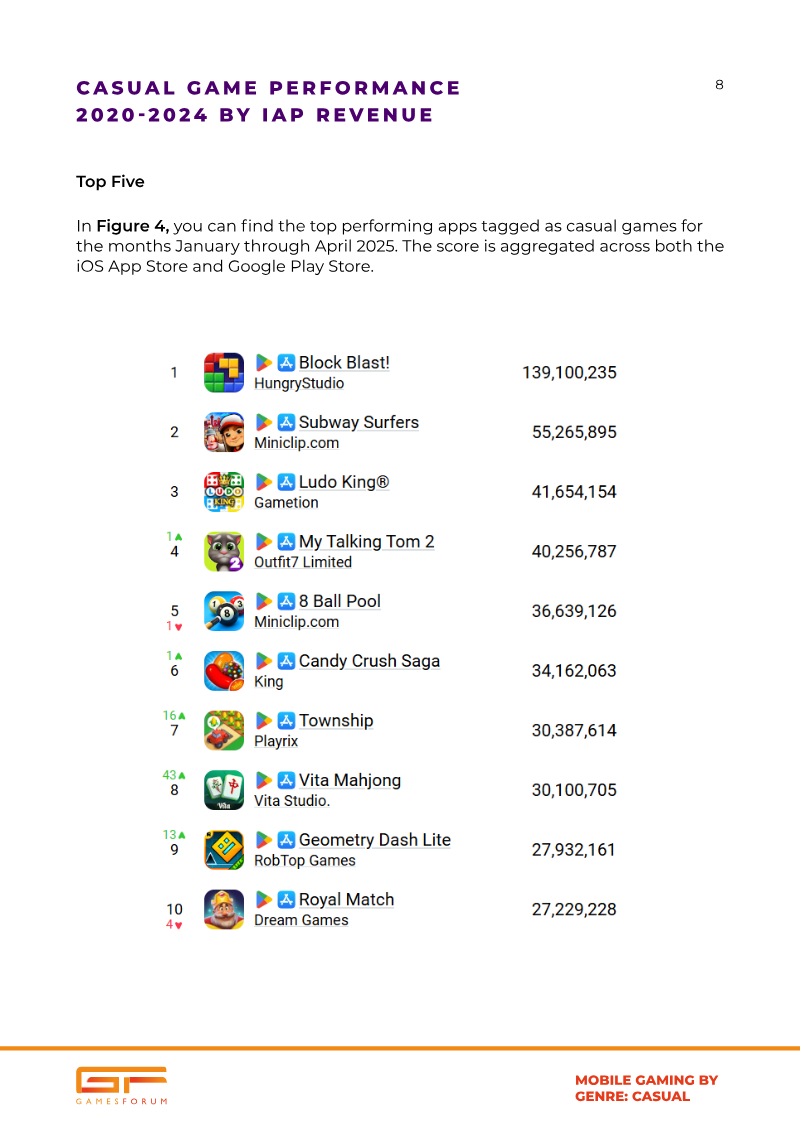
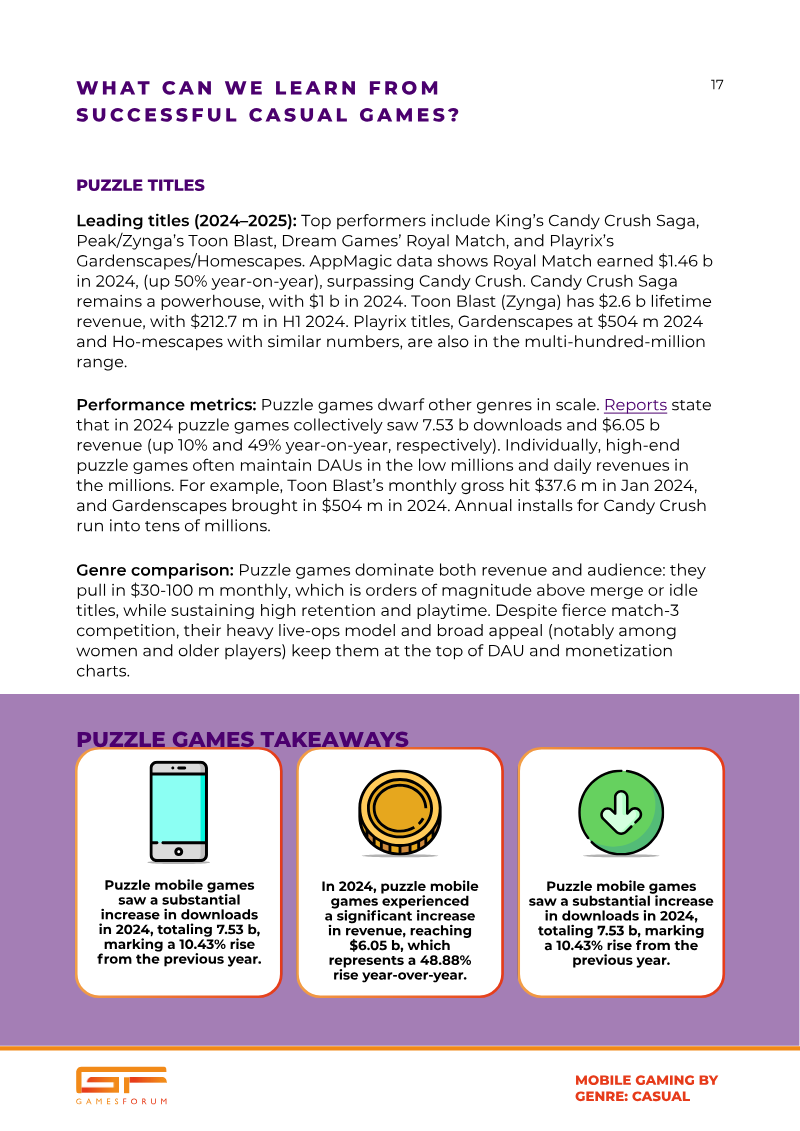
- Casual mobile gaming is shifting toward higher revenue per user, with IAP revenue projected to grow from $16.8 billion to $22.9 billion by the end of 2025 despite a fluctuating download volume.
- Market leaders demonstrate divergent monetization strategies: Royal Match ($540M) and Monopoly Go! ($431M) rely exclusively on IAPs, while Candy Crush Saga ($421M) successfully integrates advertising.
- Playrix’s portfolio approach, utilizing a suite of titles like Township and Gardenscapes, generated a combined $554 million, proving the effectiveness of hybrid monetization and established franchise management.
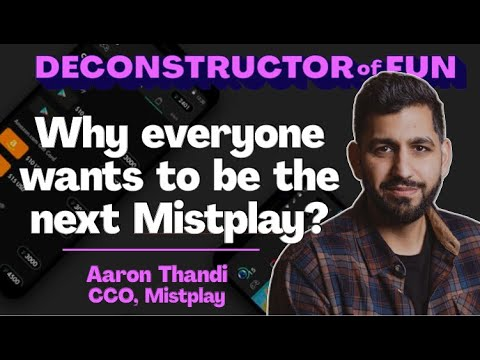
The Evolving Future of User Acquisition with Mistplay's CCO Aaron Thandi
The mobile gaming loyalty sector is undergoing a strategic shift toward long-term engagement, moving away from traditional offer-wall mechanics in favor of AI-driven matchmaking.
- Mobile gaming acquisition is shifting from short-term retention metrics like D1-D7 to long-term lifetime value (LTV) and high-value user cultivation.
- Platforms are replacing traditional offer-wall mechanics with AI-driven matchmaking to provide personalized game recommendations that foster sustainable engagement.
- Strategic success is increasingly measured by time spent in-game rather than session frequency, as the former serves as a more reliable predictor of future player spending.

Can the video games media survive?
The gaming media industry is currently undergoing a period of intense contraction and structural transformation, driven by a volatile attention economy and an over-reliance on Google search traffic.
- The gaming media industry is shifting away from traditional ad-supported editorial models toward utility-focused platforms that prioritize game discovery, wikis, and user-generated content.
- Reliance on Google search traffic and programmatic advertising has become an existential risk due to algorithmic volatility and the rise of AI-driven content generation.
- Large-scale media entities are consolidating and diversifying revenue through e-commerce and digital showcases, while mid-tier outlets face significant struggles to maintain financial viability.
How Indie Mobile Devs Can Get Noticed: PR Approach That Work
Indie mobile studios can achieve significant market visibility by shifting away from generic marketing tactics toward a strategy rooted in authentic narrative building and consistent brand identity.
- Indie studios should prioritize human-centric communication over AI-generated content to build the trust and credibility necessary to stand out in a saturated market.
- Sharing verifiable revenue figures and user metrics provides the objective data required to attract investment and secure attention from media outlets.
- Studios should diversify media outreach by targeting tech, business, and niche vertical publications rather than relying solely on traditional gaming press.

Royal Kingdom’s Celebrity Ad Blitz: ROI Disaster or Ego Trip?
The recent celebrity-led advertising campaign for the mobile game Royal Kingdom serves as a case study in high-cost user acquisition strategies that prioritize brand visibility over measurable performance.
- Royal Kingdom spent approximately $25 million on celebrity talent, including LeBron James, for a campaign that failed to generate sufficient incremental revenue to justify the massive capital outlay.
- While the campaign drove a 4x increase in installs and an 11% revenue lift in tier-one countries, the resulting user cohorts exhibited low lifetime value and high churn rates.
- The strategy highlights a disconnect between high-cost celebrity brand marketing and the game's core monetization model, which relies on steady, long-term level progression.

TWIG #329: Royal Match Goes All-In, Discord Shifts Gears, Call of Duty Meets Its Match
The mobile gaming industry is currently defined by a tension between aggressive, high-budget marketing strategies and the structural limitations of user acquisition economics.
- The mobile gaming industry is experiencing genre stagnation as developers prioritize high-LTV models like puzzle and 4X games to justify rising user acquisition costs.
- Aggressive, celebrity-led marketing campaigns, such as those for Royal Kingdom, are yielding diminishing returns by attracting low-value users rather than the high-spending 'whales' required for profitability.
- Major industry players are shifting toward operational efficiency, with Discord pivoting to advertising and monetization, and NetEase consolidating resources to reduce the costs of Western operations.
From Dormant to Dominant: How Studios Are Reviving Old Games To Drive New Growth
Studios can achieve sustainable growth and revitalize legacy titles by shifting focus away from expensive, high-risk user acquisition toward the cultivation of existing player communities.
- Reactivating dormant game titles can drive significant financial growth, with one case study demonstrating a 30% increase in revenue through community-focused strategies.
- Studios should treat community engagement as a core business function rather than an afterthought, dedicating at least three months to strategic analysis, content development, and execution to see measurable results.
- Growth strategies should prioritize understanding player sentiment by analyzing community discussions, identifying recurring topics beyond technical issues, and mapping these insights to specific marketing messages.
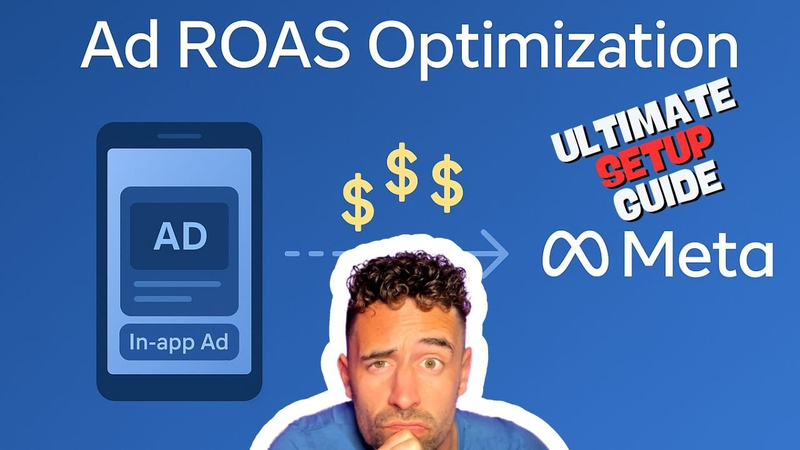
How to Set Up Meta AdROAS Campaigns: Step-by-Step Guide for UA Teams
Meta’s AdROAS (Ad Return on Ad Spend) campaigns represent a significant shift in user acquisition for ad-monetized mobile applications, allowing marketers to optimize directly for ad revenue value rather than relying on proxy events like retention or engagement.
- Meta AdROAS optimization allows mobile apps to bid directly on ad revenue value, replacing previous workarounds that required passing ad revenue as fake purchase events.
- The feature is currently available exclusively for Android campaigns as of Q4 2024, with iOS support expected in the future.
- To unlock AdROAS, an app must record at least 15 attributed ad impression events with distinct values from Facebook-acquired users within a 28-day window.

Do It Better: Creative Production with AI
The integration of artificial intelligence into creative marketing production is fundamentally shifting the industry from a model of static, mass-produced content to one of dynamic, personalized, and iterative storytelling.
- AI should be utilized as a collaborative partner to automate repetitive tasks, allowing creative teams to focus on high-level strategy and core development.
- Marketing strategy is shifting from static, mass-produced content toward dynamic, personalized, and iterative storytelling models.
- Effective video marketing now prioritizes continuous, data-driven content streams tailored to specific user segments rather than relying on a single 'hero' creative.
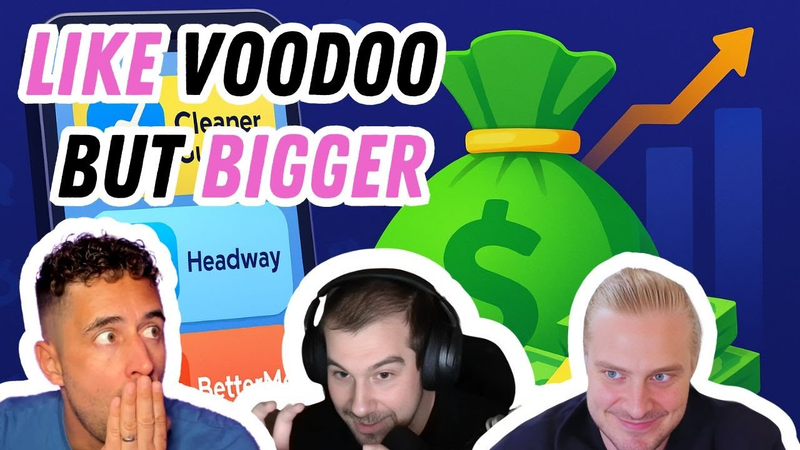
💰 $400 MIL/Year Genesis: Like Voodoo, but for apps and bigger. App industry’s secret blueprint
Genesis functions as a highly efficient venture builder that has transformed the non-gaming mobile application landscape into a multi-hundred-million-dollar industry.
- Genesis operates as a venture builder that co-founds and scales mobile apps, achieving over $35 million in monthly revenue and 400 million total downloads through a model that provides seed capital, mentorship, and shared services in exchange for equity.
- The micro-learning app Headway, launched in 2019, utilized gamification mechanics like streaks and quests to surpass its primary competitor, Blinkist, reaching 40 million downloads within two years.
- Genesis significantly increases profit margins by driving users to web-based subscription checkouts, allowing them to bypass the 30% platform fee and capture an estimated 50–60% of revenue off-app stores.

Mobile Dreams of Hollywood: Inside Royal Kingdom’s Celebrity Blitz
Dream Games recently launched a high-profile celebrity marketing campaign for its mobile title, Royal Kingdom, five months after the game’s official release and following a two-year soft launch period.
- Dream Games' $30 million to $50 million celebrity campaign for Royal Kingdom resulted in a 112% increase in downloads but only a 6% increase in revenue.
- The campaign's reliance on broad-reach television advertising suggests a shift away from efficient, targeted performance marketing toward a strategy that may indicate market saturation.
- The celebrity spots failed to integrate talent into actual game mechanics or events, leading to a disconnect between high brand awareness and long-term user retention.

TWIG #328 The Hidden Cost of Celebrity Ads and the How Hollywood Doesn’t Get Games
The gaming industry currently faces a structural misalignment between venture capital expectations and the realities of game development.
- Large-scale venture capital funds in gaming face a structural misalignment where the pressure to deploy massive capital pools conflicts with the industry's limited exit opportunities.
- Many gaming startups are trapped in a state of perpetual existence, unable to achieve meaningful growth or acquisition but unwilling to shut down, often sustained by long-term hype.
- Mobile publishers are increasingly relying on high-budget celebrity advertising to counter performance marketing saturation, but these campaigns frequently result in low-retention installs and declining daily active users.