In-Game Advertising reports and market data
Documents

From Waterfall to Bidding Everything you Need to Know - Alasdair Pressney, Chartboost.
The transition from waterfall to bidding represents a fundamental shift in mobile advertising monetization, driven by the need for greater efficiency and reduced latency.
- The transition from waterfall to bidding is driven by the need to eliminate the latency inherent in sequential server calls, which currently limits impressions per daily active user.
- Bidding improves monetization efficiency by allowing all demand partners to compete simultaneously for inventory in real-time, rather than relying on manual, bucketed waterfall structures.
- Publishers often adopt a hybrid model that integrates winning bids into existing waterfall structures to balance competitive pricing with the granular control and transparency they are accustomed to.

Monetising First Party Data for in app Advertising - Geeshan Willink, Nefta.io
The mobile gaming industry currently faces significant headwinds, including stringent privacy regulations, shifting market dynamics, and the erosion of ad revenue following Apple’s App Tracking Transparency (ATT) policy.
- Apple’s App Tracking Transparency (ATT) policy has caused a significant revenue decline of 18% to 50% within iOS opt-out cohorts.
- Developers are shifting toward first-party behavioral data—such as in-game progression and spending habits—to monetize traffic while maintaining privacy compliance by avoiding universal identifiers.
- Standardized data models now allow publishers to isolate and analyze user data in secure environments, enabling them to optimize ad bids and target high-value cohorts without building proprietary infrastructure.

Keynote: Earning Incremental Revenue From Audio Ads
Audio advertising represents a strategic evolution in game monetization, providing a non-intrusive revenue stream that integrates seamlessly into ambient in-game environments.
- Audio advertising is projected to transition from a supplementary revenue source to a core component of the gaming ecosystem within the next year.
- To maintain user retention and gameplay flow, industry standards recommend capping ad frequency at two to three ads per session.
- Technical implementation requires audio pass-back and volume detection tools to ensure ads reach a 30% audibility threshold without disrupting background multimedia.

2023 Global Mobile Games Marketing Trends White Paper
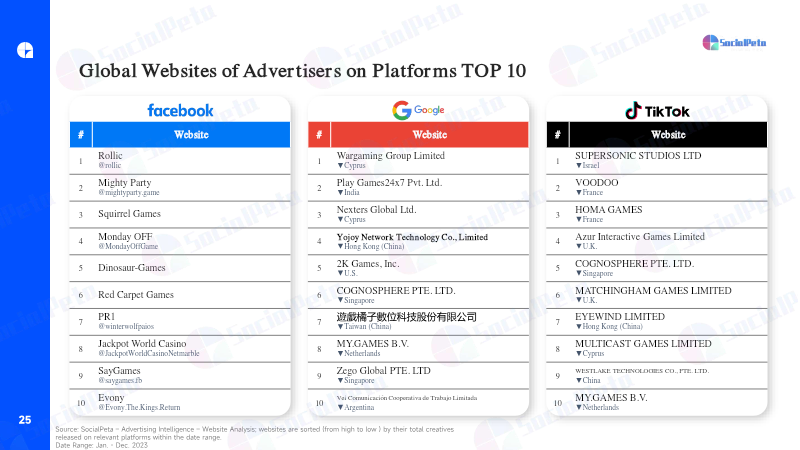
The global mobile gaming landscape underwent a significant transformation in 2023, characterized by a strategic shift toward the hybrid-casual model.
- The mobile gaming industry shifted toward a hybrid-casual model in 2023, blending hyper-casual accessibility with mid-core monetization to stabilize revenue through combined in-app advertising and purchases.
- Monthly active advertisers surged by nearly 50% year-over-year, surpassing 40,000 globally as competition for user acquisition intensified.
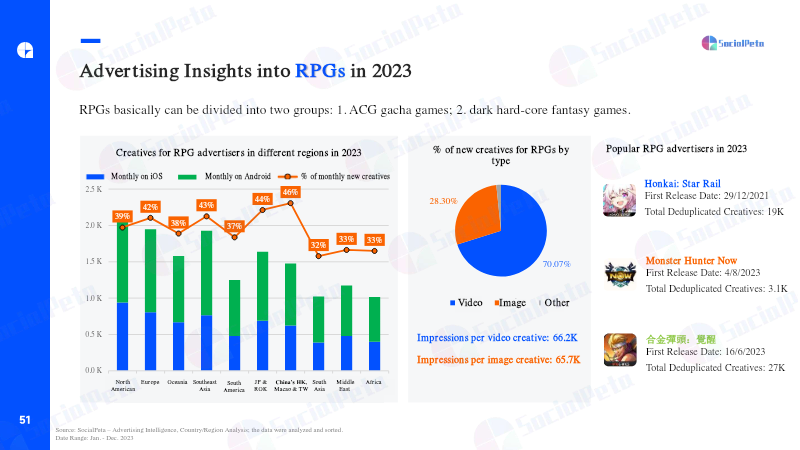
- Video ads remain the dominant format, accounting for over 76% of total impressions, while AI-generated image creatives are increasingly used to mitigate rising acquisition costs.


Liftoff Report: Mobile Ad Creative Index 2024
The report presents a comprehensive analysis of mobile ad creative performance across four key app verticals—gaming, e-commerce, finance, and entertainment—for the period January 1 2023 to January 1 2024.
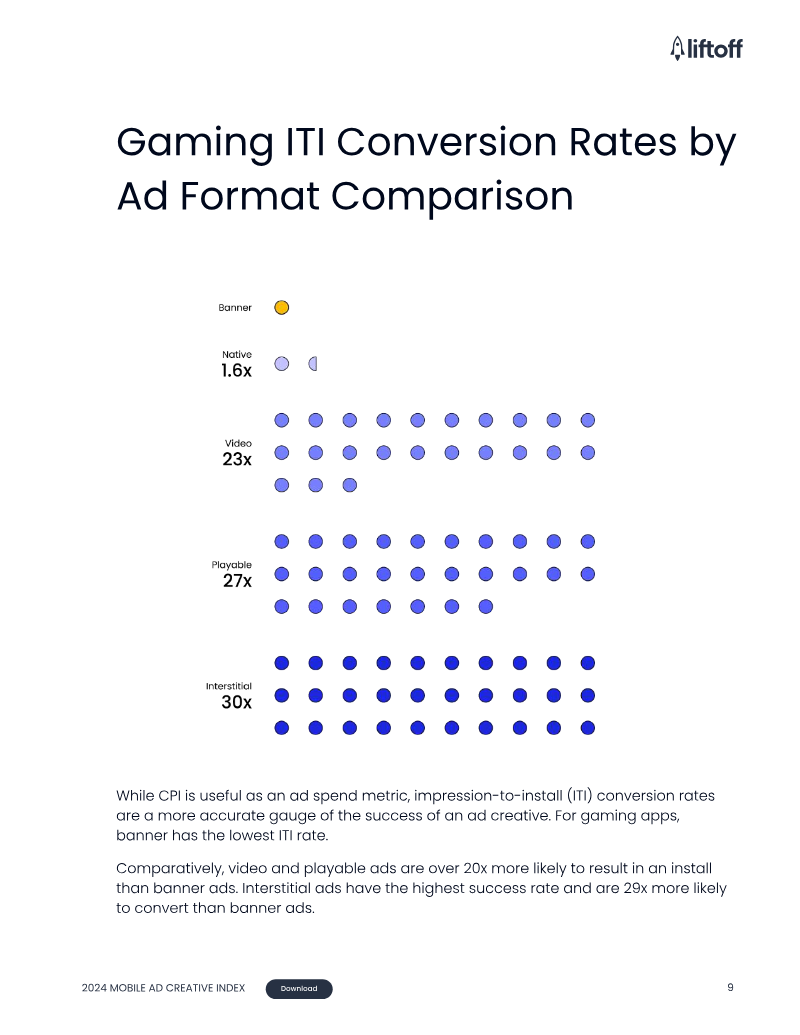
- Gaming ads utilizing video or playable formats are over 20 times more likely to drive installs compared to banner ads.
- Native ads represent the most cost-effective acquisition channel, averaging a $1.80 CPI across the analyzed verticals.
- E-commerce apps achieve the highest install-to-action (ITA) rates exceeding 30% through native and banner formats, which also maintain the lowest acquisition costs between $2.57 and $3.23.

The State of Games Media Buying United States Spotlight
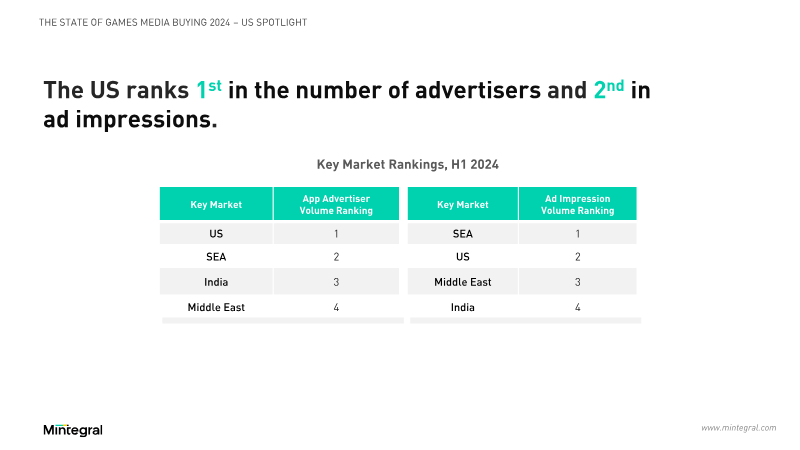
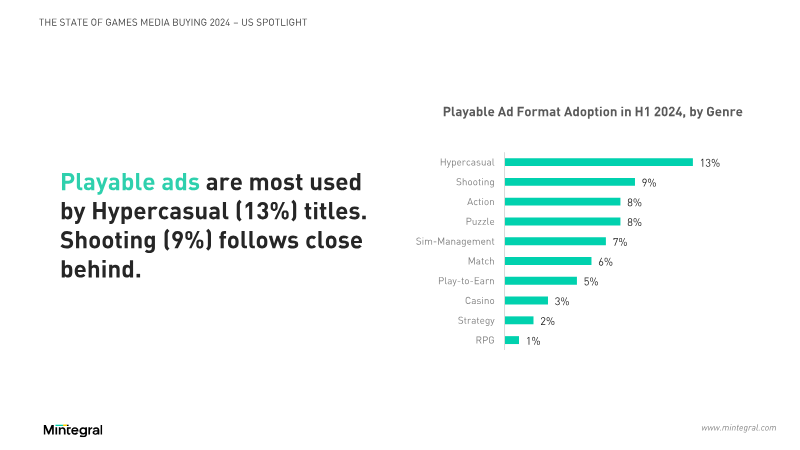
The State of Games Media Buying 2024 provides a comprehensive analysis of the mobile gaming advertising landscape in the United States, utilizing data collected between the second half of 2023 and the first half of 2024.
- The U.S. mobile gaming ad market is maturing, evidenced by a marginal 0.25% growth in active advertisers and a 29% decline in new market entrants during the first half of 2024.
- Publishers are prioritizing established assets over experimentation, as total ad purchases grew by only 0.46% while the volume of new ad creatives dropped by 12%.
- Genre dominance is shifting, with Puzzle games now leading in ad impressions, while Sports and Shooting genres saw the fastest growth, rising six and four places respectively.


Mobile Ad Creative Index 2024
The Mobile Ad Creative Index provides a comprehensive analysis of performance benchmarks and emerging trends within the mobile advertising ecosystem.
- High-engagement formats like video and playables outperform banners by 20 times in gaming installs, while finance sector interstitials are 18 times more effective at conversion.
- Long-form video ad spend grew by 245% year-over-year, and 'triple-page' ads combining video, playables, and end cards saw a 355% increase in investment.
- Optimized user-generated content (UGC) ads achieve a 20% lower cost-per-install (CPI) compared to standard video creative.

AD APOCALYPSE 2024 (???) with Felix Braberg
Mobile game monetization currently exists in a state of high volatility, characterized by a transition from traditional waterfall structures to automated programmatic bidding.
- In-app advertising remains a critical revenue pillar, contributing approximately 20 percent of total income even for core RPG titles.
- The mobile ad ecosystem is currently reliant on controversial fingerprinting methods to maintain eCPMs following the post-IDFA transition.
- Publishers must shift their focus from eCPM to ARPDAU as the primary health metric to accurately reflect total revenue in a volatile programmatic bidding environment.


Will We Make More This Way or That Way?: Monetization A/B Testing Guide
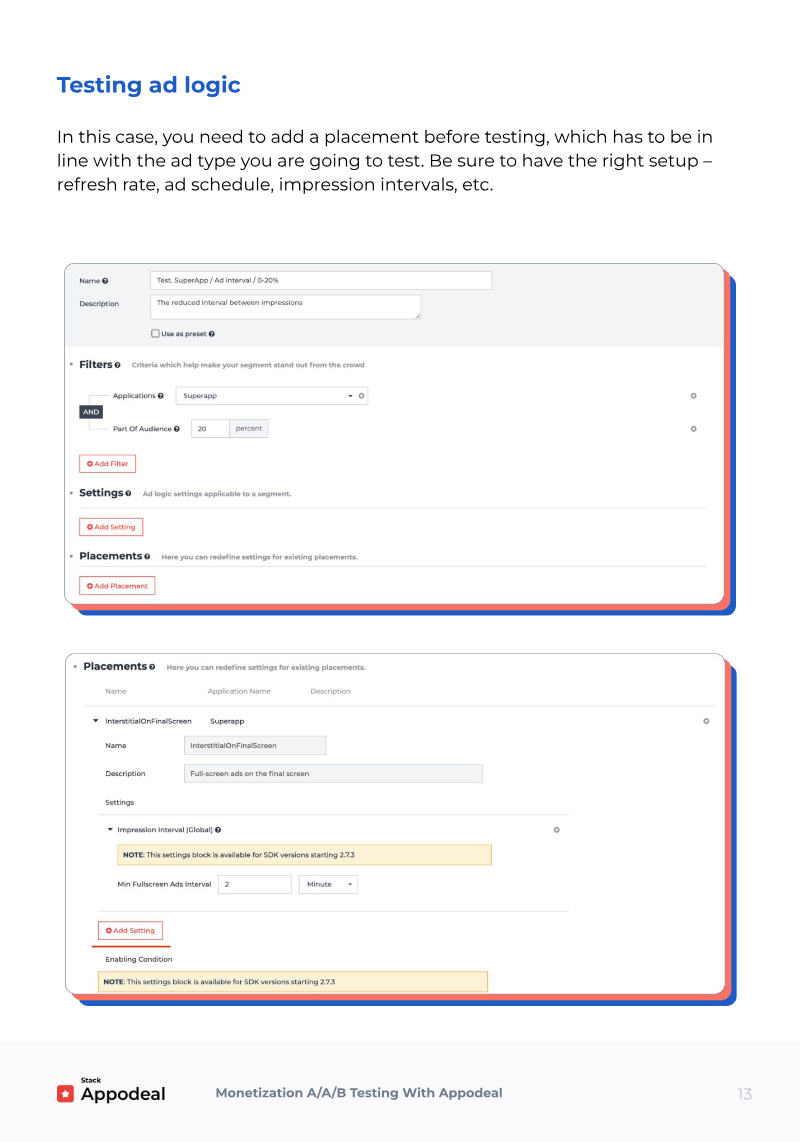
Monetization A/B testing serves as a critical methodology for mobile app developers to validate hypotheses regarding ad revenue strategies, such as impression frequency, waterfall configurations, and ad network selection.
- Use an A/A/B testing framework with two control groups and one test group to ensure statistical accuracy and minimize the risk of misleading results.
- Measure success primarily through Day 7 Cumulative ARPU (LTV) to capture the long-term revenue impact of monetization changes.
- Only pursue hypotheses that anticipate at least a 10% change in the focus metric, as smaller variations are considered inconclusive.

Transmedia IP, Gaming, and the Metaverse
The modern digital landscape is defined by a shift away from traditional linear media toward user-generated content platforms such as Roblox, Fortnite, and Minecraft.
- The digital landscape is shifting from linear media to social-first, user-generated content platforms like Roblox, Fortnite, and Minecraft, which now serve as primary entertainment hubs for Gen Z and Gen Alpha.
- The 'metaverse' is evolving into a collection of platform-specific, 3D environments rather than a single interoperable space, prioritizing avatar-based expression and multiplayer interaction.
- Successful brand integration requires moving beyond static advertising toward high-production, live-service experiences that mirror the depth of native platform content.
How to Drive Incremental Revenue Growth With the Offerwall - Eyal Hendelman, Unity.
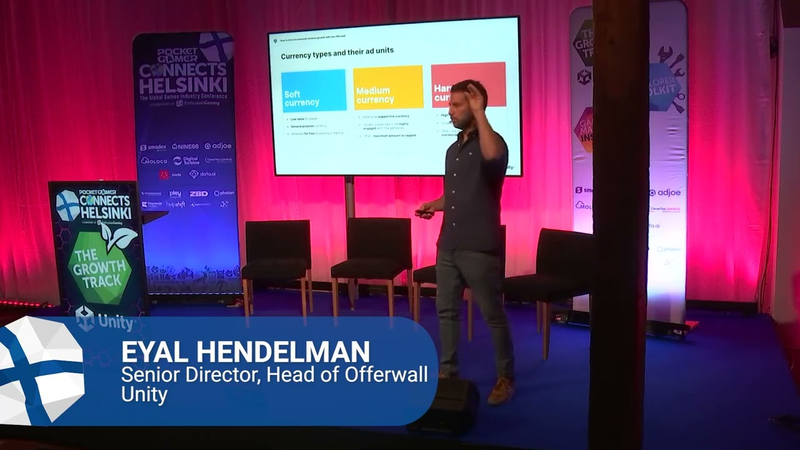
The offerwall serves as a non-intrusive, opt-in monetization tool that allows users to earn virtual currency by engaging with third-party advertisements or completing specific actions.
- Integrating an offerwall can drive a 13% increase in total ARPDAU by capturing value from the 95% of players who do not typically make in-app purchases.
- A case study of a U.S.-based developer showed that adding an offerwall resulted in a 40% increase in ad-based ARPDAU without cannibalizing existing revenue.
- Data indicates that offerwall implementation can positively impact IAP performance, as evidenced by a 10% increase in IAP ARPDAU observed in the study.
Measurement in a Post Privacy Era - Hadar Telem, INCRMNTAL
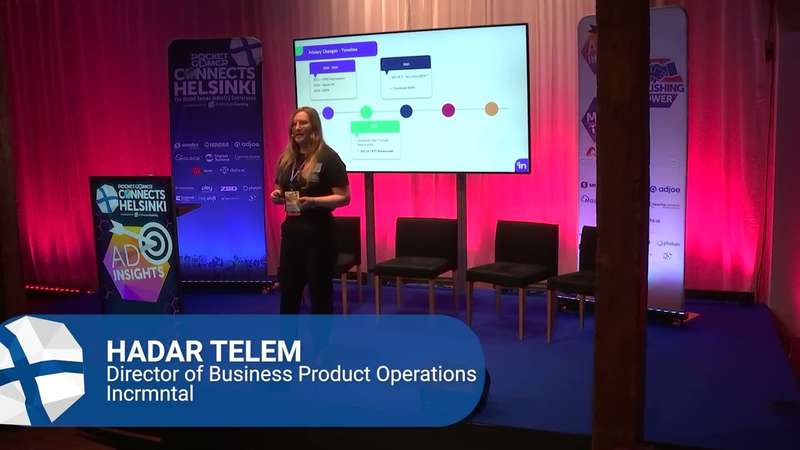
The mobile advertising industry is currently navigating a significant transition from user-level tracking to privacy-centric measurement.
- The mobile advertising industry has shifted from granular, device-level tracking to a privacy-centric model following the deprecation of the IDFA and the introduction of Apple’s iOS 14 ATT.
- Marketers must adopt a hybrid measurement framework that integrates last-touch attribution, incrementality testing, and media mix modeling (MMM) to compensate for the loss of user-level data.
- Last-touch attribution should be reserved for real-time tactical optimizations, such as refining creative assets and audience targeting.