Hypercasual reports and market data
Documents

Hyper-casual in China: Games, players and lessons learned
The hyper-casual gaming market in China represents a significant, albeit distinct, opportunity for international developers.
- China represents a massive market opportunity with 242 million iOS devices, a figure comparable to the entire U.S. smartphone market across both iOS and Android platforms.
- While Day 1 retention should serve as a baseline metric of at least 40% to validate core gameplay, increasing Day 7 retention by just 1% yields 10 times the impact on long-term lifetime value.
- The Chinese hyper-casual market is distinct from the West, as it evolved from a core-gaming-first culture; consequently, games require more than simple mechanics to succeed and must incorporate socially-minded, competitive, or culturally relatable elements.

Tips on making your hyper-casual game a success in China
The hyper-casual gaming market in China represents a significant growth opportunity for international developers, driven by a massive mobile user base and evolving consumer habits.
- China is the world's largest mobile game market, with projections estimating 120 billion downloads and $62.4 billion in consumer spending by 2022.
- The Chinese market is shifting from hardcore games to hyper-casual titles, driven by users with fragmented leisure time and a growing female gaming demographic.
- Publishing on Android in China is highly complex and generally discouraged for foreign developers due to licensing requirements (ISBN) and a lengthy approval process that can take one to two years.

The Future of Hyper-casual Games | GameJam CEO Christian Calderon
The hyper-casual gaming market has evolved from a niche category into a dominant force in mobile entertainment, characterized by high-frequency ad monetization and rapid development cycles.
- The hyper-casual sector reached a major milestone in 2018, when its titles accounted for 15 of the top 20 most downloaded games globally.
- The industry has shifted from intuition-based design to a data-driven model, where market leaders like Voodoo, Ketchapp, and Lion Studios prioritize retention analysis and lifetime value optimization.
- Macroeconomic trends show that advertising revenue has surpassed traditional in-app purchases, enabling developers to achieve payback windows as short as a few days or weeks.
The year of hyper-casual in China
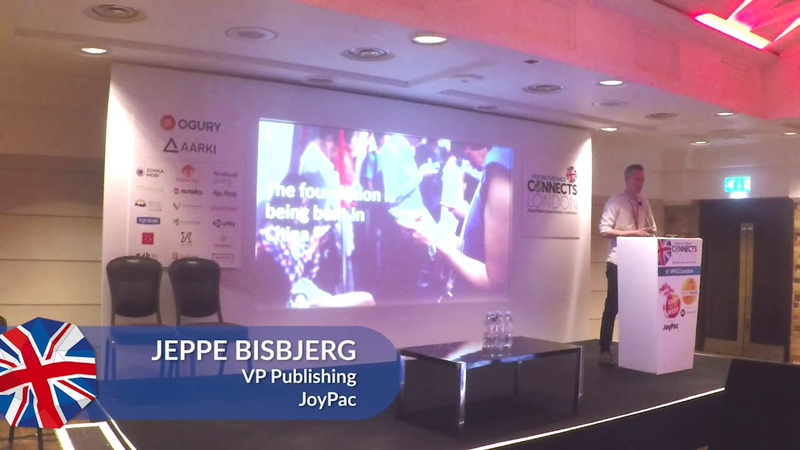
The mobile gaming landscape in China is undergoing a significant shift as the hyper-casual genre, which has dominated Western markets, begins to gain substantial traction in the region.
- Hyper-casual games offer a significant cost advantage in China, with player acquisition costs estimated to be seven to 13 times lower than those for traditional core gaming titles.
- Western developers have a strategic entry opportunity because Chinese studios currently lack the specialized infrastructure and expertise required to produce high-quality casual games.
- Hyper-casual titles face lower regulatory risk than core games because their revenue models rely on advertising rather than loot boxes or heavy in-app purchases.
The staggering rise of mobile app gaming – 2018 insights
The mobile gaming industry has reached a pivotal milestone, with mobile platforms now commanding the majority share of the global $137 billion gaming market.
- Mobile platforms now hold the majority share of the $137 billion global gaming market, driven by the widespread availability of high-performance mobile hardware.
- Mid-core and strategy titles dominate the market, accounting for 52% of all non-organic installs, while hyper-casual games experienced a 300% growth surge in a single quarter.
- Organic growth multipliers have diminished, forcing developers to rely on paid acquisition strategies despite rising costs-per-install (CPI), which remain consistently higher on iOS than on Android.

Voodoo and MoPub deconstruct the hyper-casual phenomenon
The hyper-casual mobile gaming sector has undergone a significant transformation over the last decade, shifting from a market dominated by sporadic one-hit wonders to a mature, data-driven industry.
- The hyper-casual sector has transitioned from a market of sporadic hits to a mature, data-driven industry fueled by increased smartphone penetration and scalable user acquisition tools.
- Revenue growth in hyper-casual gaming relies on a cycle where high-volume ad spending drives user acquisition, which is then monetized through advertising-based models.
- Publishers like Voodoo optimize profitability by integrating user acquisition and monetization functions, allowing for rapid iteration based on cross-cutting performance data.
Hypercasual monetisation versus long-term retention monetisation
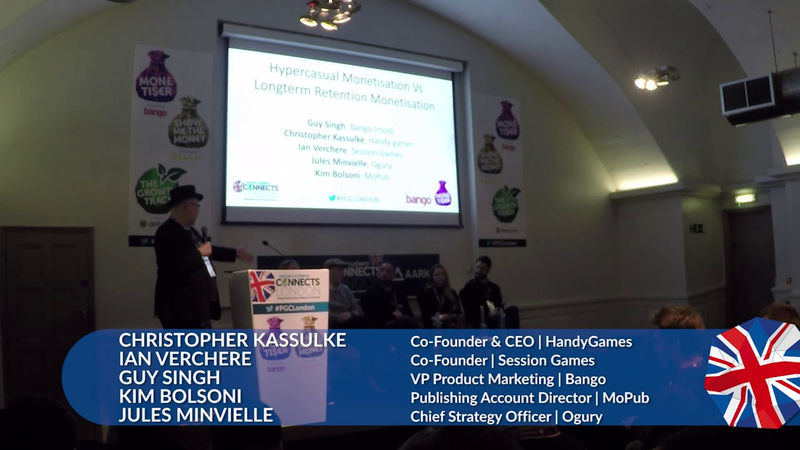
The mobile gaming industry faces a fundamental strategic divide between hypercasual models, which prioritize rapid, ad-driven revenue within the first 48 hours of engagement, and premium, long-term titles that focus on sustained intellectual property value and player retention.
- Hypercasual games prioritize immediate, ad-driven revenue within the first 48 hours of engagement, whereas long-term titles focus on sustained player retention and intellectual property value.
- The industry is shifting away from intrusive 30-second television-style ads, which contribute to user churn and ad fatigue, in favor of shorter, native, and more varied ad experiences.
- Developers are increasingly integrating non-gaming brands into their titles to diversify revenue streams while preserving the integrity of the user experience.
Why go hypercasual?
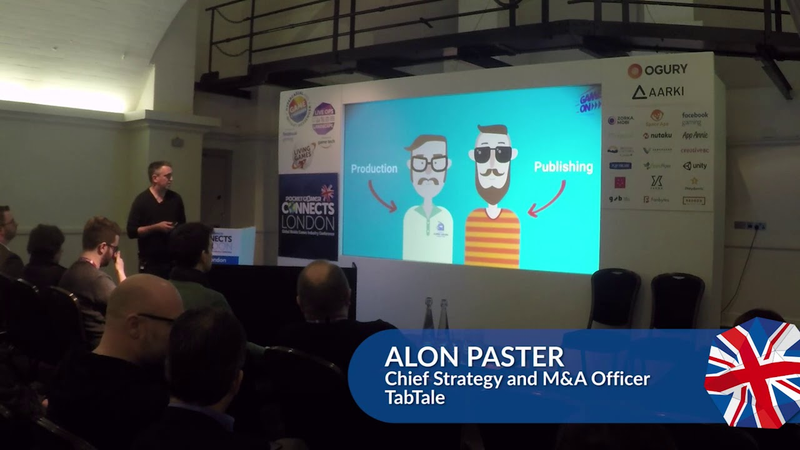
Hyper-casual gaming represents a highly lucrative and accessible sector of the mobile industry, characterized by simple, intuitive mechanics that require no explanation for the player.
- Hyper-casual games prioritize high-volume ad monetization over the traditional 'whale' model, targeting a massive user base to generate revenue.
- The 'fail fast' methodology dictates that prototypes must be built in under three months, with concepts abandoned if they fail to show strong metrics during soft launches of 2,000 to 5,000 users.
- Success depends on rigorous post-launch support and continuous content iteration, which can allow titles to maintain top-chart rankings for years despite the genre's reputation for short lifespans.
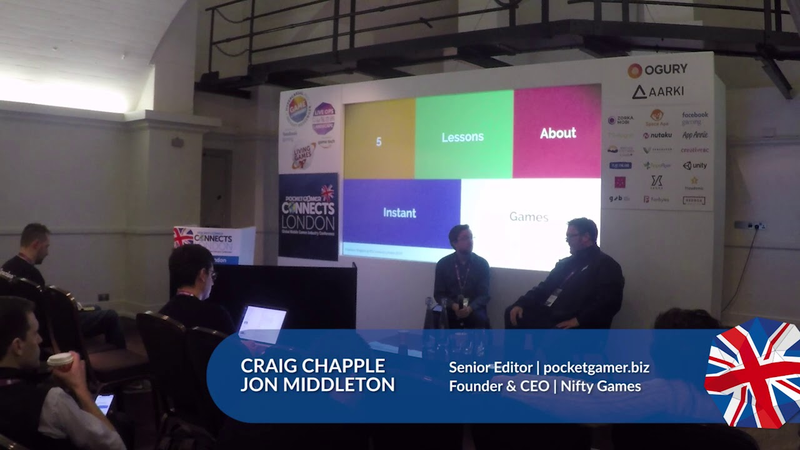
Fireside Chat: Creating enticing sports games with short and fast play time
Nifty Games focuses on developing mobile-first sports titles that prioritize short, fast-paced, and competitive gameplay sessions lasting three to five minutes.
- Nifty Games targets the mobile-first sports market by designing competitive gameplay sessions that last between three and five minutes.
- The company leverages real-world sports fandom to improve user acquisition and retention by aligning in-game content with professional sports calendars.
- Strategic partnerships with professional sports leagues and organizations serve as a key driver for reaching dedicated fan bases and maintaining relevance with younger demographics.
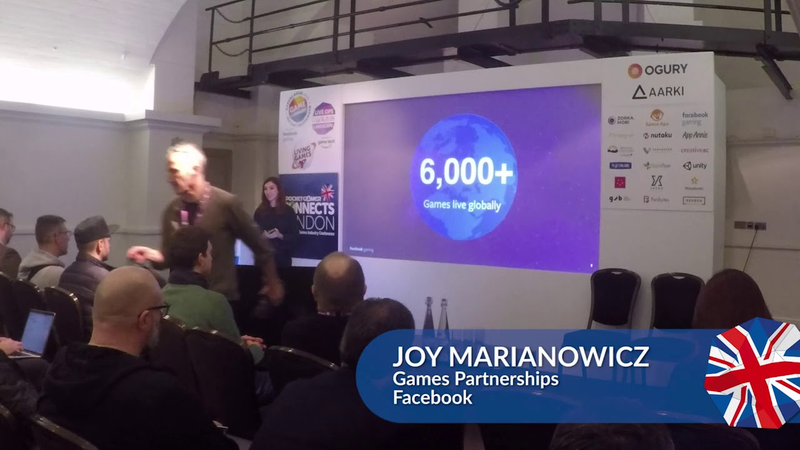
Facebook Instant Games - What's next?
Facebook’s strategy for its Instant Games platform focuses on building a comprehensive gaming ecosystem that leverages HTML5 technology to provide frictionless, cross-platform experiences across Messenger and the Facebook News Feed.
- Facebook Instant Games has scaled to over 6,000 live titles by leveraging HTML5 technology to provide frictionless, cross-platform access across Messenger and the News Feed.
- The platform has successfully improved day-one retention rates, moving significantly beyond previous industry benchmarks of 15–20%.
- Growth is driven by social and viral mechanics, including turn-based challenges, group tournaments, and features that help users find other players.
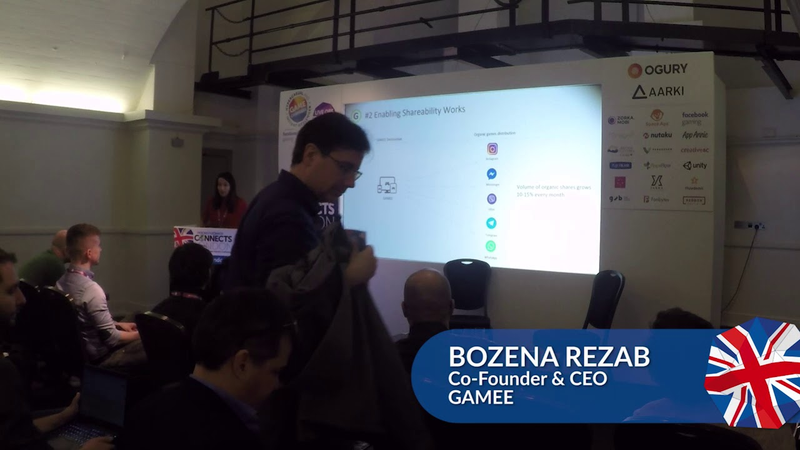
What Gamee learned about hyper-casual games from 3 billion gameplays across 70 games
The analysis of over three billion gameplays across 70 hyper-casual titles reveals that social integration and platform context are primary drivers of engagement and retention.
- Implementing a unified meta-layer for progress, points, and tournaments across a portfolio of games can double engagement metrics compared to standalone titles.
- Increasing social density by facilitating direct connections between friends significantly improves both day-one and day-seven retention rates.
- Optimizing the timing of share prompts and providing meaningful incentives like high-score comparisons can increase organic sharing by 10% to 15%.
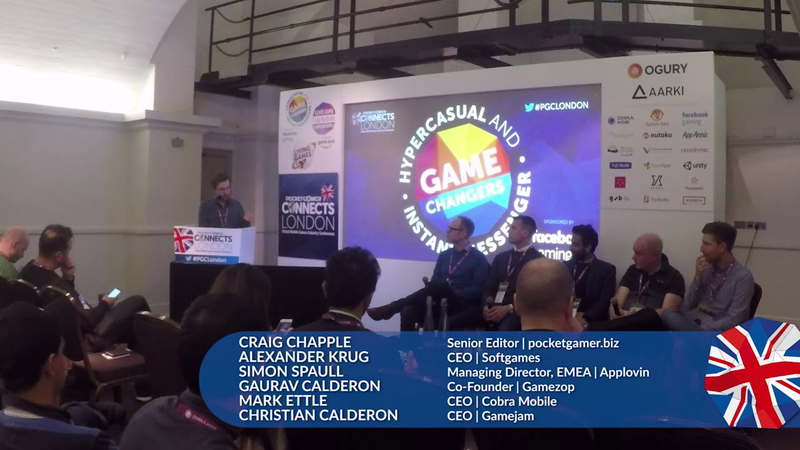
Keys for success in hypercasual and Messenger games
Hyper-casual and messenger games represent a distinct segment of the mobile industry defined by accessible, snackable mechanics and rapid development cycles.
- Hyper-casual games are defined by core gameplay loops that engage users every 1–3 seconds, with success often driven by iterative design rather than complex metagame features.
- User acquisition has become the primary driver of success in the hyper-casual market, shifting the focus from pure game design to the ability to measure and scale paid marketing profitably.
- Messenger-based games rely heavily on viral sharing and social moments to drive organic growth, which can potentially bypass the need for traditional paid user acquisition.