Game Studies reports and market data
Documents
Forest Knights: A German Approach to Educational Larp in Youth Work
This analysis examines the operational model and pedagogical impact of Waldritter e.V., a prominent German non-profit organization specializing in educational live-action role-play (edularp) for children and young adults.
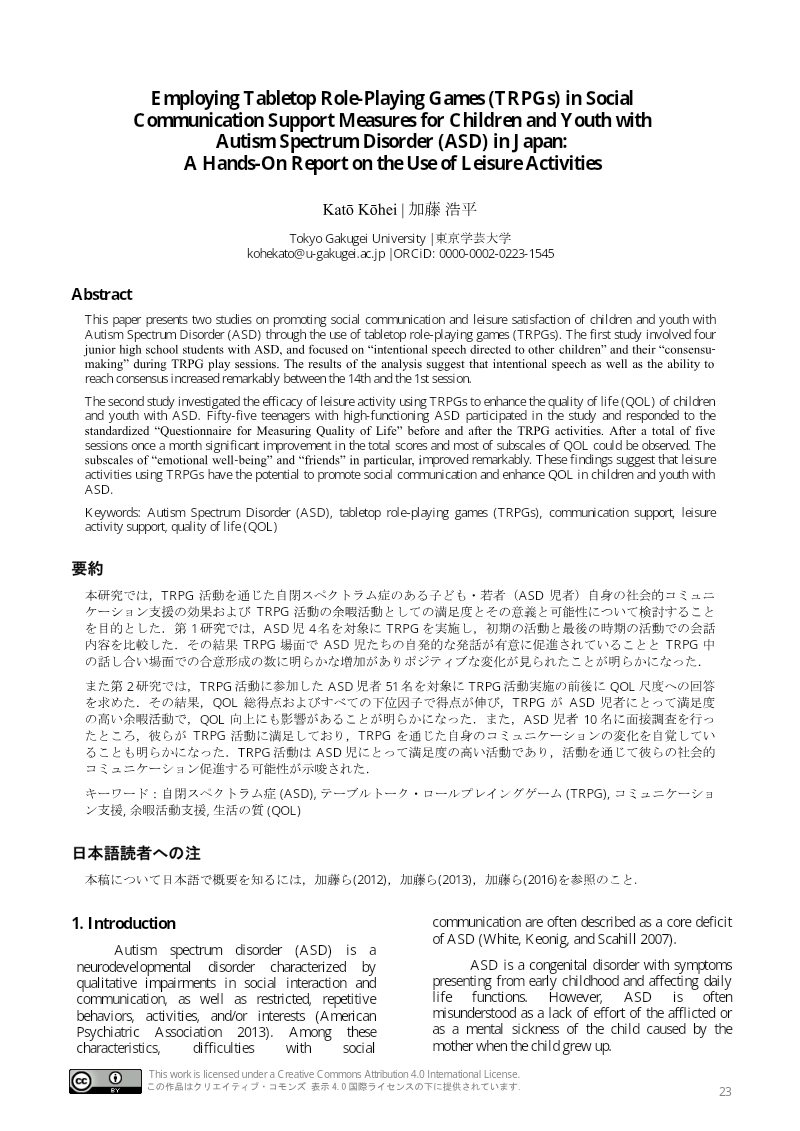
Employing Tabletop Role-Playing Games in Social Communication Support Measures for Youth: Japan
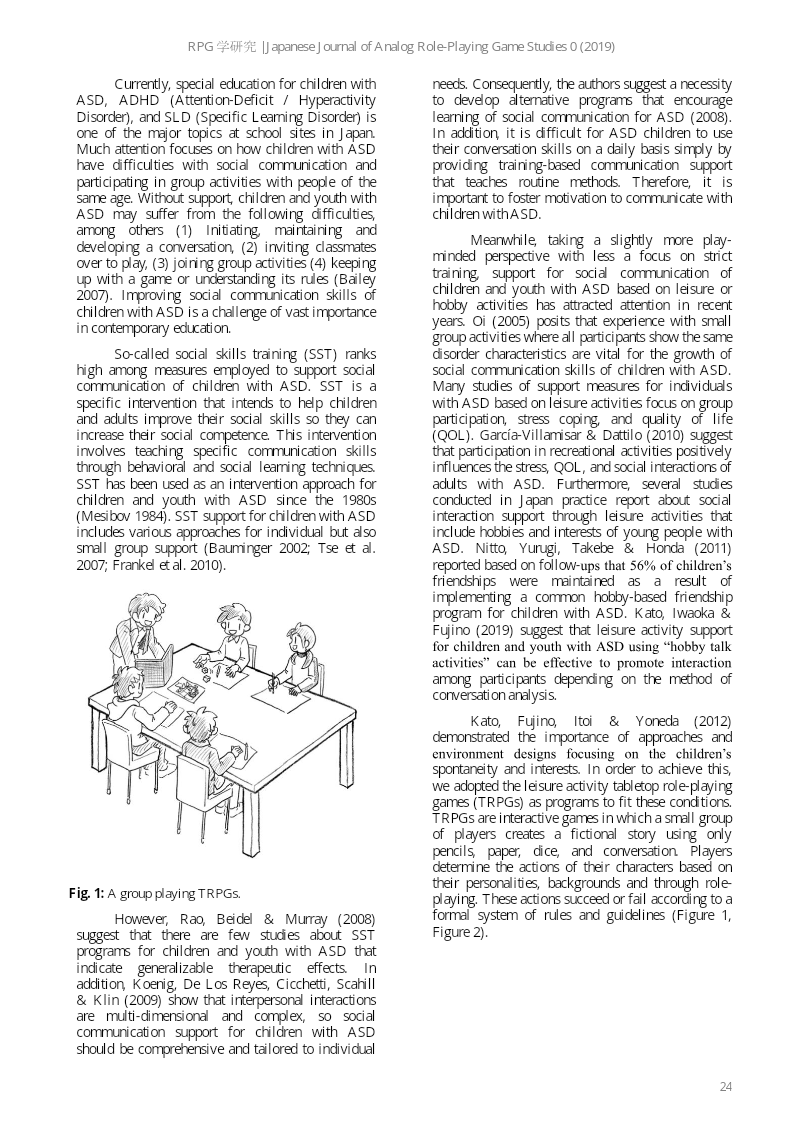
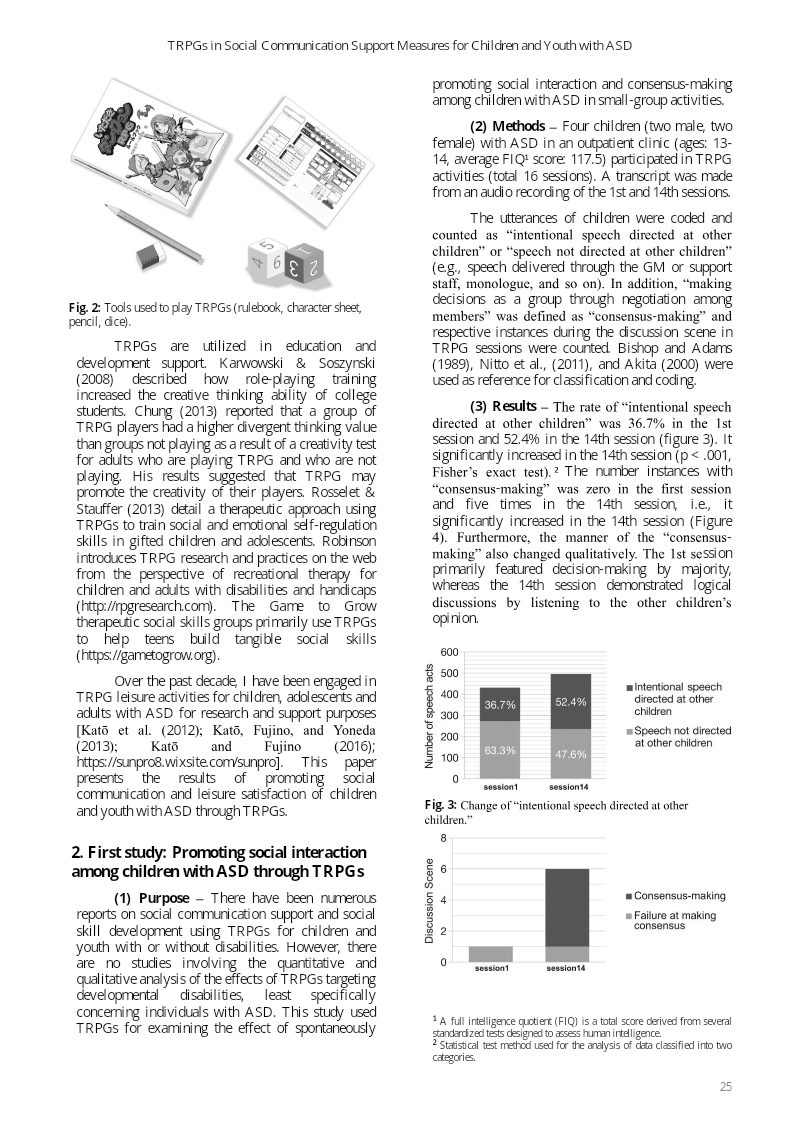
This research examines the efficacy of tabletop role-playing games (TRPGs) as a leisure-based intervention to support social communication and improve the quality of life (QOL) for children and youth with autism spectrum disorder (ASD) in Japan.
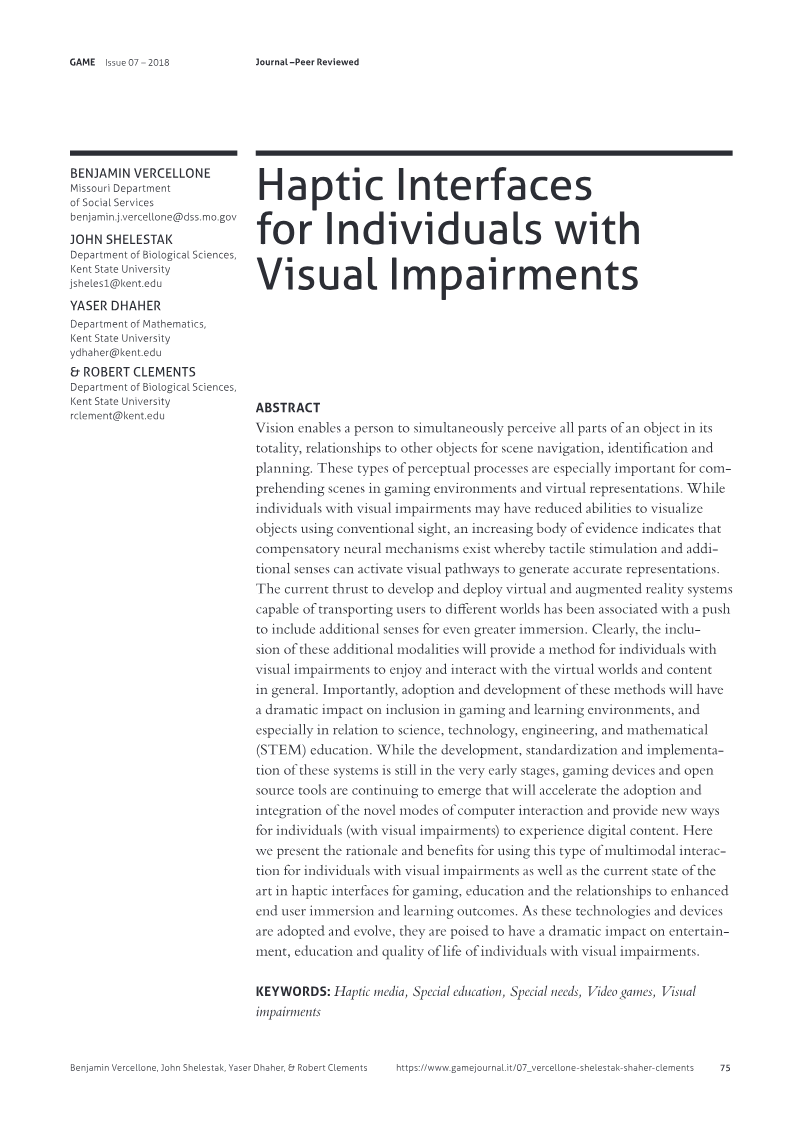
Haptic Interfaces for Individuals with Visual Impairments
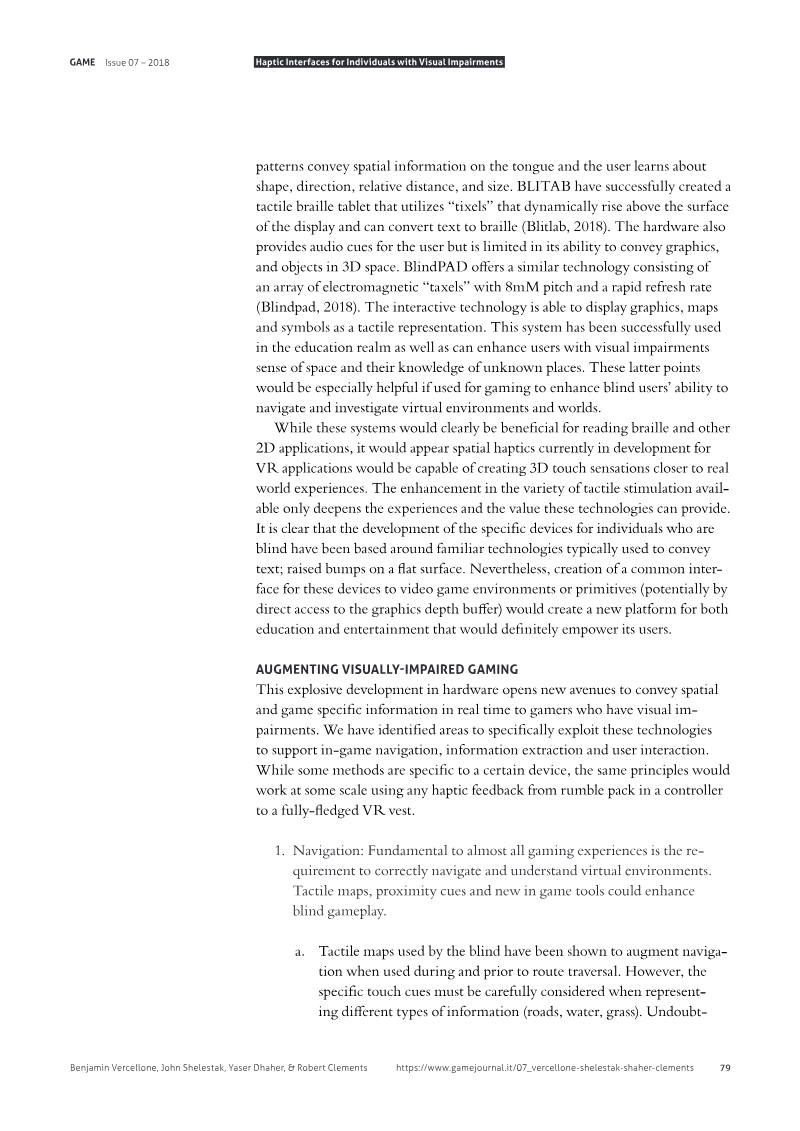
Haptic interfaces offer a pathway for individuals with visual impairments to participate more fully in games, education, and virtual environments by converting spatial and visual information into touch-based feedback.
- The report argues that touch can engage visual processing pathways and that blind individuals often show superior 3D shape discrimination through tactile exploration, supporting haptics as a route to better immersion, navigation, and STEM learning.
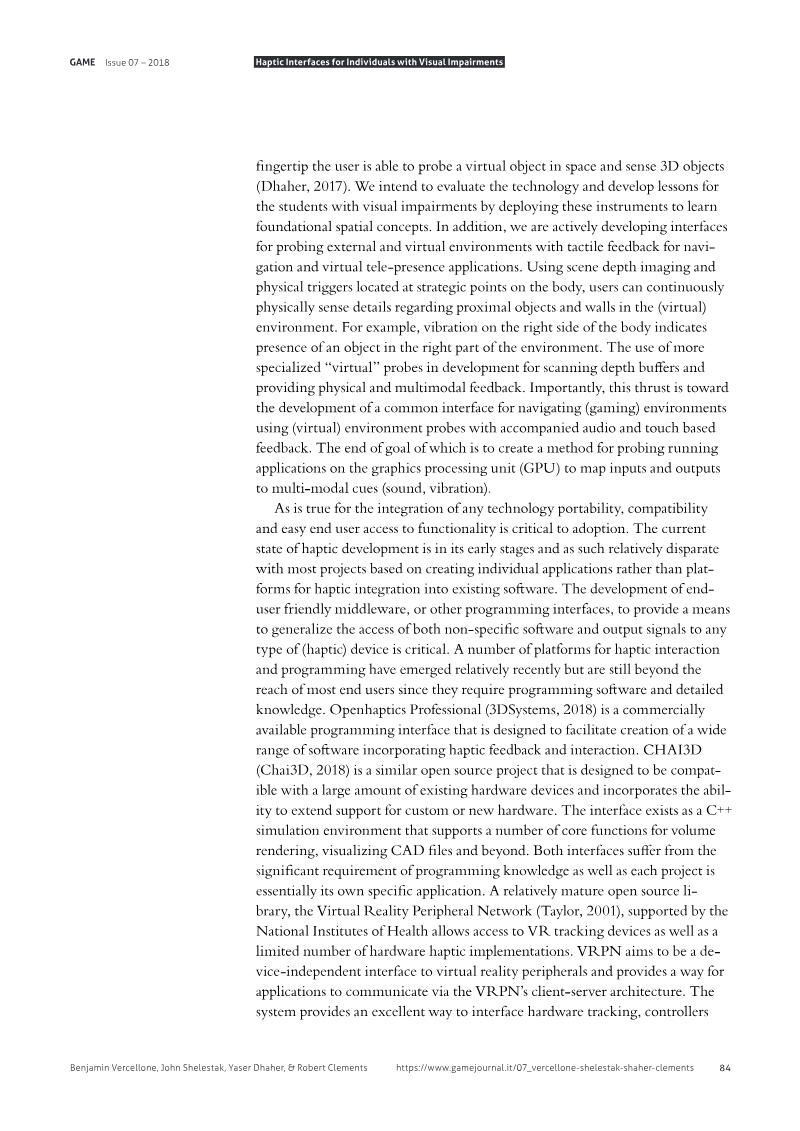
- Its proposed design is layered, combining a tactile top-down map, wearable actuator vests encoding distance and texture, and specialized probes (haptic sonar, floor probe, haptic compass), with an in-game system that uses vibration strength and frequency to signal entity type and utility.
- Key design constraints include avoiding signal overload when multiplexing feedback and accounting for uneven body sensitivity, where two-point discrimination ranges from about 5 mm on the thumb to 45 mm on the shoulder.
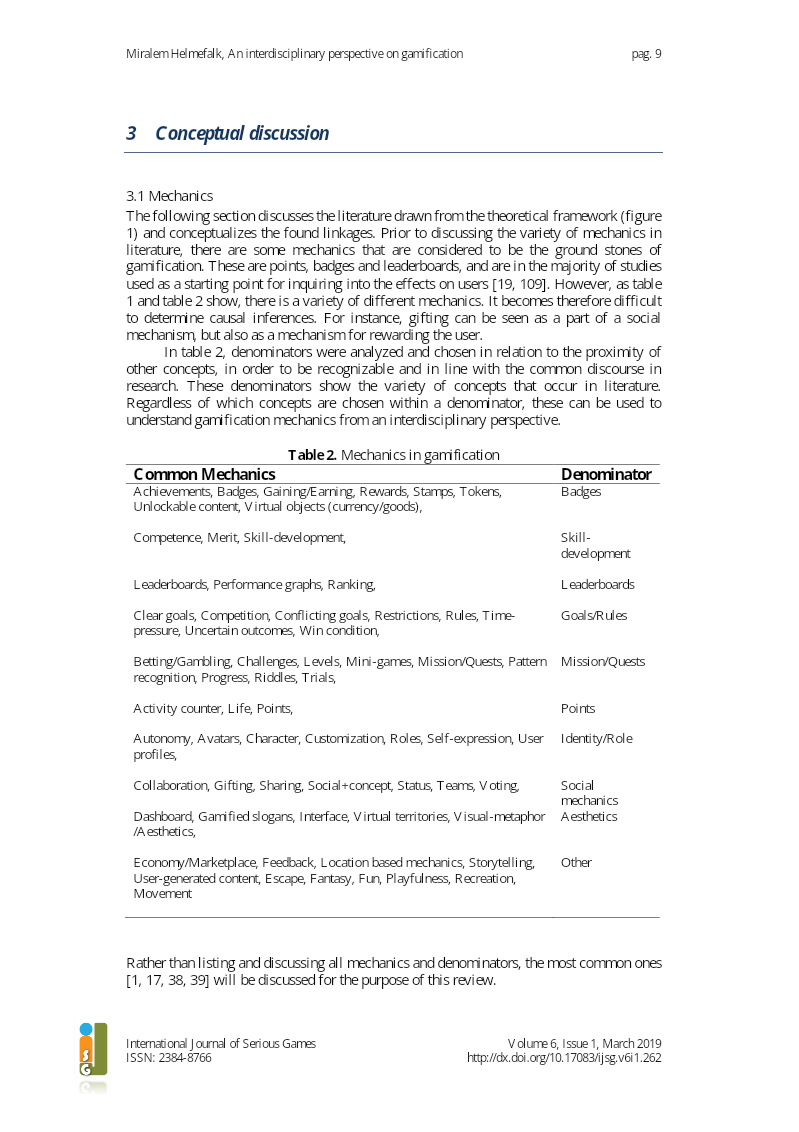
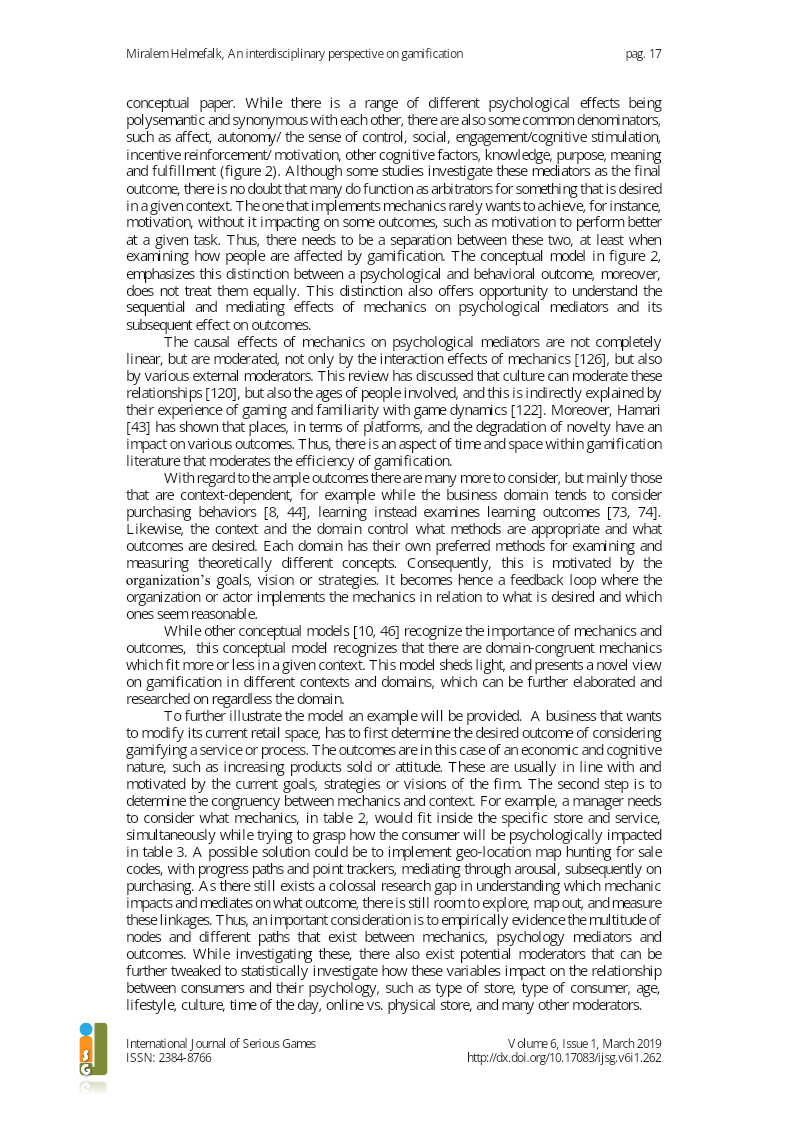
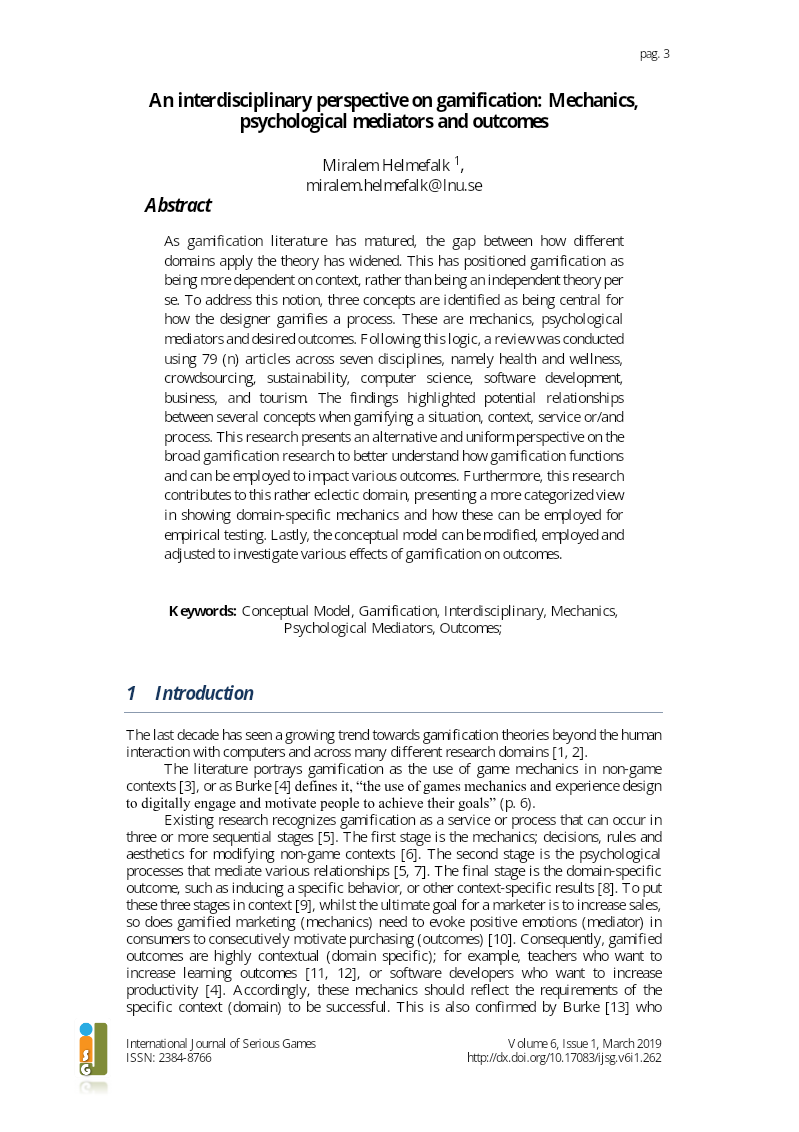
An Interdisciplinary Perspective on Gamification: Mechanics, Psychological Mediators and Outcomes
Gamification serves as a strategic intervention for influencing user behavior across diverse sectors, including education, healthcare, sustainability, and retail.
- Gamification effectiveness is not universal; success depends on aligning specific game mechanics with the unique goals and environmental constraints of the target domain.
- Designers should move away from generic implementations of points, badges, and leaderboards in favor of a reverse-engineering approach that prioritizes specific institutional objectives.
- The impact of game mechanics on user behavior is mediated by psychological states, specifically flow, autonomy, social interaction, and affect.

Decoding Fantasy Football: A Ludic Perspective
Fantasy Premier League, the fantasy football format built around the English Premier League, serves as the subject of this game studies inquiry into how players navigate the tension between skill and chance.
- The study is a game studies inquiry into Fantasy Premier League that frames fantasy football as a site where agon (skill and competition) and alea (luck and chance) intersect in everyday decision-making, using Caillois' typology.
- The research uses an ethnographic, qualitative design with interviews and co-playing sessions involving nine FPL players in Hyderabad, India, so its findings are drawn from a small sample.
- Participants were uniformly male, reflecting the low female representation typical of fantasy sports research, despite targeted recruitment efforts.

Complexity, Mystagogy, and the Limits of the 'Analytical' Learning Cycle
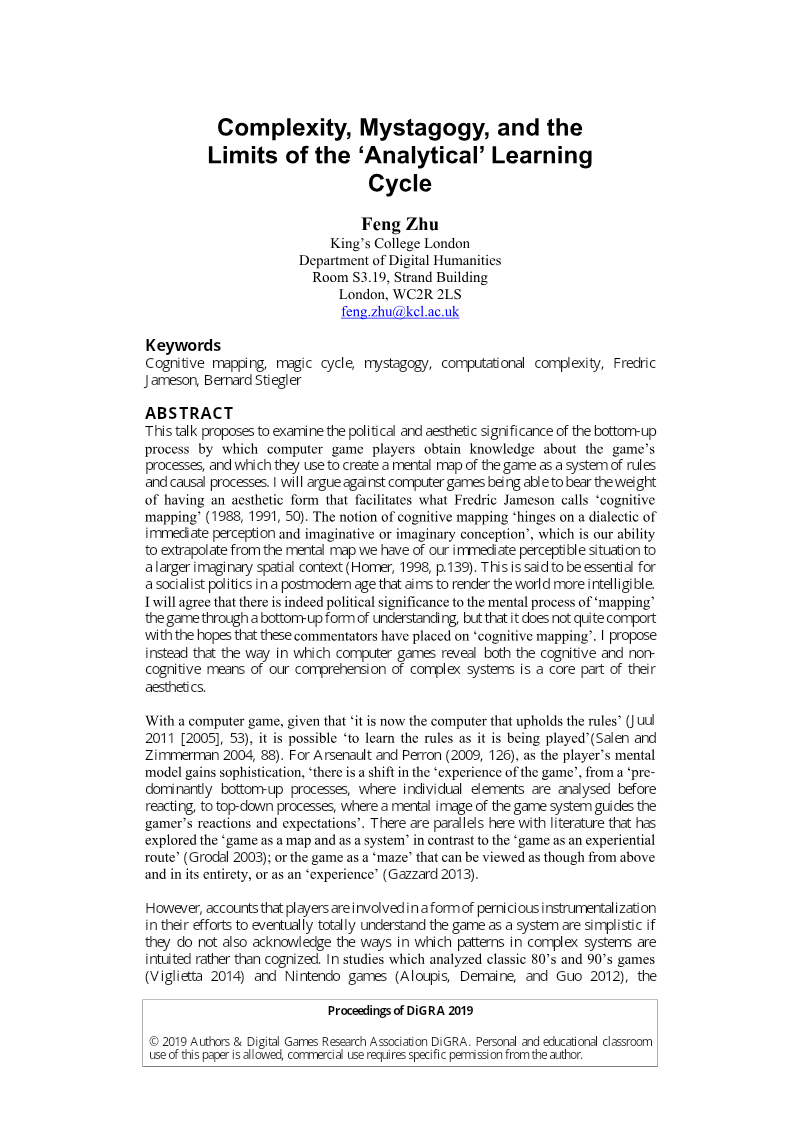
This paper, by Feng Zhu of King's College London's Department of Digital Humanities, is a theoretical argument about how players learn computer games and what that learning means politically and aesthetically.
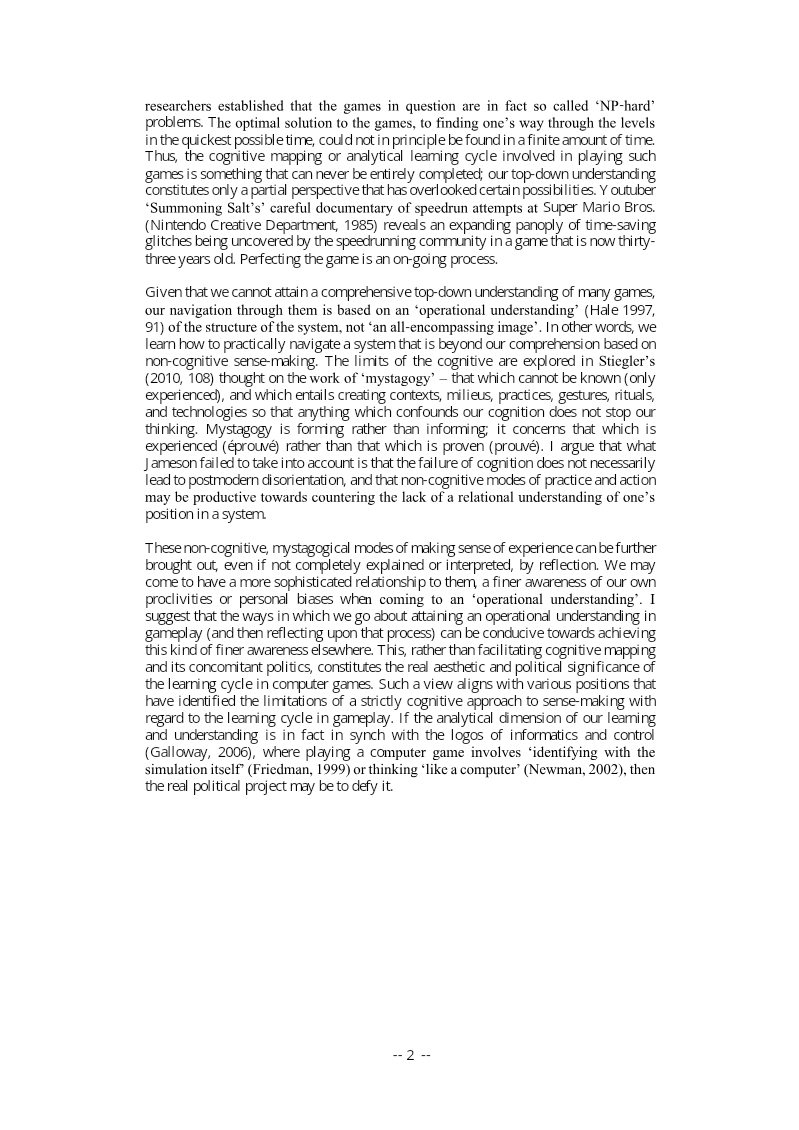
- Feng Zhu's paper argues that players' learning in games involves both cognitive and non-cognitive comprehension, and that the non-cognitive side, which Bernard Stiegler calls 'mystagogy', is the more significant aesthetic and political contribution of games.
- The paper challenges Fredric Jameson's 'cognitive mapping' thesis, contending that games cannot cultivate the comprehensive, top-down understanding of complex systems needed to support socialist political consciousness.
- As players gain skill, their learning shifts from bottom-up analysis of individual elements toward top-down reliance on a mental model of the game system.
Meaningful Transformation: Intra-activity and Video Games
Justyna Janik's paper applies Karen Barad's concept of intra-action, drawn from her agential realism, to the study of digital game play.
- Janik applies Karen Barad's agential realism and her concept of intra-action to argue that a video game and its player transform one another during play, co-determining their boundaries and co-creating meaning rather than interacting as pre-existing, independent entities.
- The paper positions itself as a contribution to posthuman game studies, arguing that the field has produced relatively little work on meaning-making within the player-game relation and on the ethical foundations of human engagement with technology.
- Transformation is shown at material levels (changes to the game environment, improved eye-hand coordination, repetitive strain injury) and at cognitive and emotional levels (responses to socially engaged games and difficult choices involving bonded non-player characters).

Ludonarrative in Game Design Education: A Concrete Approach
This paper, written by Hartmut Koenitz, Teun Dubbelman, and Christian Roth of HKU University of the Arts Utrecht, argues that narrative has been underserved in game design education and presents a concrete pedagogical model for addressing this gap.
- The paper argues that game designers can be trained to become interactive narrative designers, crafting game systems so that meaningful narratives emerge in players' minds through interaction.
- Narrative-focused games such as Dear Esther, Gone Home, The Walking Dead, and Firewatch are presented as evidence of a distinct space for interactive digital narration rather than a mere adaptation of print or film storytelling.
- The authors identify a skills divide: scriptwriters are skilled at fixed storytelling but struggle in interactive contexts, while game designers understand interaction but often lack deep narrative knowledge.
Belief-Discordant Alief: A Common Denominator of Fiction and Non-Fictional Games
This paper, presented at DiGRA 2019, argues that the relationship between belief and alief, a concept drawn from philosopher Tamar Szabó Gendler, is a central psychological mechanism underlying play, games, and fiction.
- Alief, a concept from philosopher Tamar Szabó Gendler, is an automatic, associative, arational emotional response that can drive behavior even when it contradicts explicit belief, and the paper treats it as a central psychological mechanism underlying play, games, and fiction.
- The paper defines play as the intentional production of belief-discordant alief, illustrated by siblings who believe they are playing while alieving they are fighting.
- Using the Grand Canyon Skywalk, the author shows visitors can believe the structure is safe while alieving they might fall, demonstrating the gap between belief and alief.
Dragonborn is for Porn: The Intertextual Semiotics of the TESV: Skyrim Fan Made Pornographic Modifications
This conference paper, presented at DiGRA 2019, examines pornographic fan modifications for The Elder Scrolls V: Skyrim, focusing on content built on the SexLab animation framework distributed through LoversLab.com.
- The paper, presented at DiGRA 2019, examines pornographic fan modifications for The Elder Scrolls V: Skyrim built on the SexLab animation framework distributed via LoversLab.com, asking whether such content depends on the game's aesthetics or draws on a shared pool of pornographic imagery.
- Using Michael Riffaterre's intertextual semiotics, the author reads these mods as interpretive responses to perceived gaps in the game, with recurring extreme themes (slavery, bestiality, oral sex and lactation fixation) reflecting creators' visions of what a Nordic-inspired RPG should contain.
- SexLab has been downloaded over 3.5 million times on its main host, a figure the author considers likely an undercount given informal distribution networks, and hundreds of mods and thousands of animations are built on it.
Ludocriticism: Steps Towards a Critical Framework for Games
Koenitz and Eladhari's paper argues that game criticism remains marginal compared with film, literature, and theatre, and that this marginality stems from two linked problems: the reliance on analytical vocabularies borrowed from other disciplines, and the scarcity of frameworks aimed at aesthetic, semantic, and societal…
- Game criticism remains marginal compared with film, literature, and theatre, and this marginality leaves games perceived as cheap entertainment even among their own audiences.
- The marginality stems from two linked problems: reliance on analytical vocabularies borrowed from other disciplines, and a scarcity of frameworks for aesthetic, semantic, and societal evaluation rather than functional description.
- Terms such as patterns, textual analysis, close playing, framing, and mise-en-scène have been adopted with limited scrutiny of whether they fit interactive, procedural artifacts.
Musicking with Digital Games
This paper, by Costantino Oliva of the University of Malta, applies Christopher Small's concept of "musicking" to digital games, arguing that musicology of games should center on the forms of musical participation players engage in rather than on the pre-composed soundtrack.
- Oliva argues that game musicology should center on how players musically participate (performing, rehearsing, traversing, and so on) rather than on the pre-composed soundtrack, drawing on Christopher Small's concept of 'musicking'.
- The paper proposes 'ergodic musicking,' a form of musical participation in which the non-trivial effort of traversing a game involves degrees of musical engagement, and argues this form is unique to digital games rather than a blend of existing musicking practices.
- Rhythm games such as Guitar Hero and Rock Band are analyzed as remediations of real-world musical activity via Miller's concept of schizophonic performance, while Thumper and Tetris Effect are presented as games exploring musicalities not tied to prior musicking forms.