1 free read left. Create a free account for unlimited reading + AI research.
Create free accountWhitepaper International Journal of Serious Games
1 free read left. Create a free account for unlimited reading + AI research.
Create free accountWhitepaperInternational Journal of Serious Games
Gamification serves as a strategic intervention for influencing user behavior across diverse sectors, including education, healthcare, sustainability, and retail. Despite its widespread adoption, the field has historically lacked a unified framework, often treating game mechanics as universal stimuli rather than context-dependent tools. By synthesizing research across seven disciplines, a conceptual model emerges that maps the non-linear relationships between game mechanics, psychological mediators, and behavioral outcomes. This framework posits that the effectiveness of gamification is contingent upon the alignment of specific mechanics with the unique goals and environmental constraints of a given domain.
The core of successful gamification lies in the strategic selection of domain-congruent mechanics that trigger targeted psychological states. Key mediators such as flow, autonomy, social interaction, and affect act as the essential bridges between mechanical inputs and desired outcomes. Rather than relying on generic implementations of points, badges, or leaderboards, designers must engage in a process of reverse engineering, where the choice of mechanics is dictated by the specific psychological needs of the user base and the broader institutional objectives. Factors such as culture, age, and situational context act as critical moderators that further complicate these causal pathways.
Ultimately, while gamification represents a potent mechanism for driving engagement and performance in non-entertainment contexts, its implementation remains a multifaceted challenge. The current body of literature underscores that there is no one-size-fits-all approach to design. Future empirical inquiry must prioritize the validation of these causal relationships to move beyond anecdotal success. By focusing on how specific mechanics reliably induce particular psychological states, researchers and designers can transition toward a more rigorous, evidence-based practice that maximizes the utility of gamified systems across global industries.
International Journal of Serious Games · 2023
International Journal of Serious Games · 2022
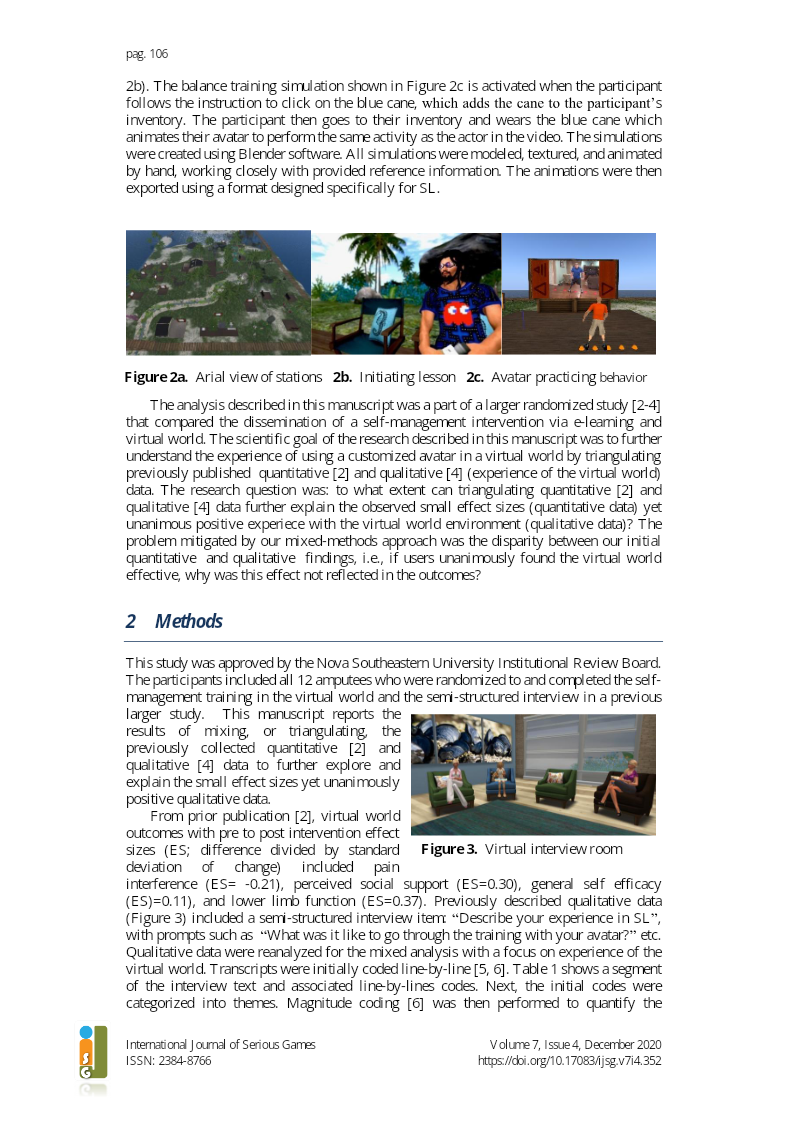
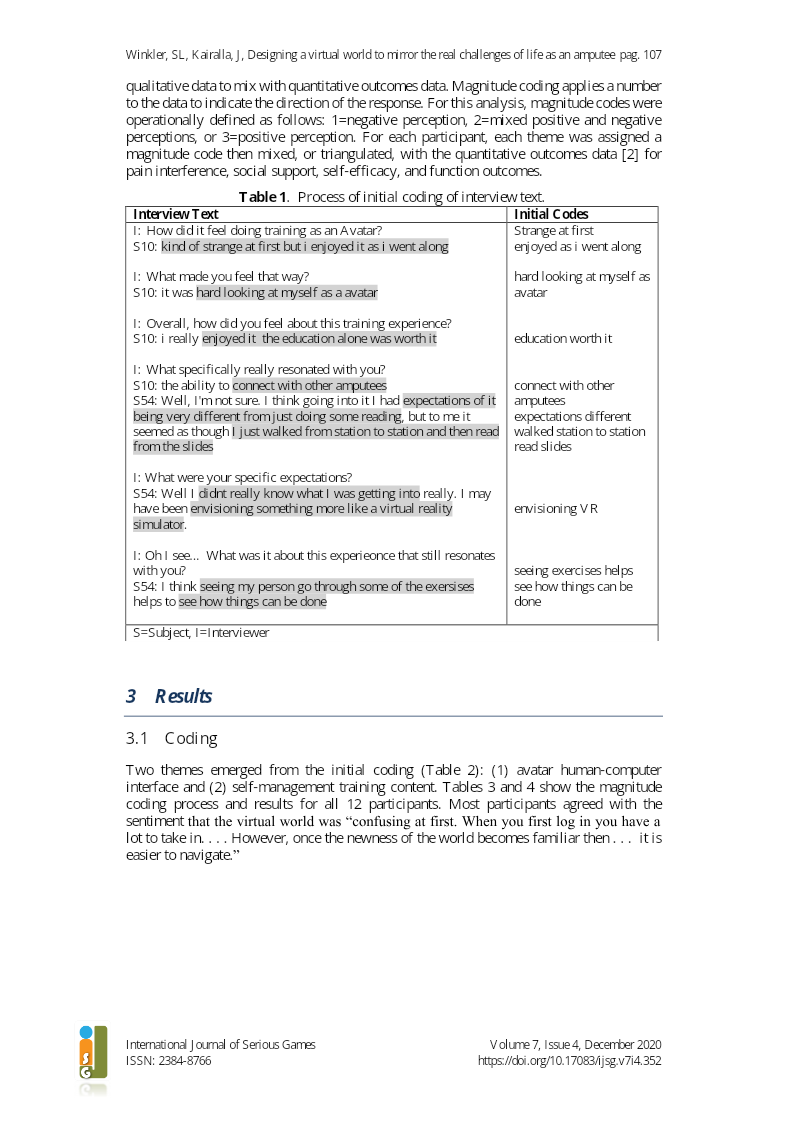
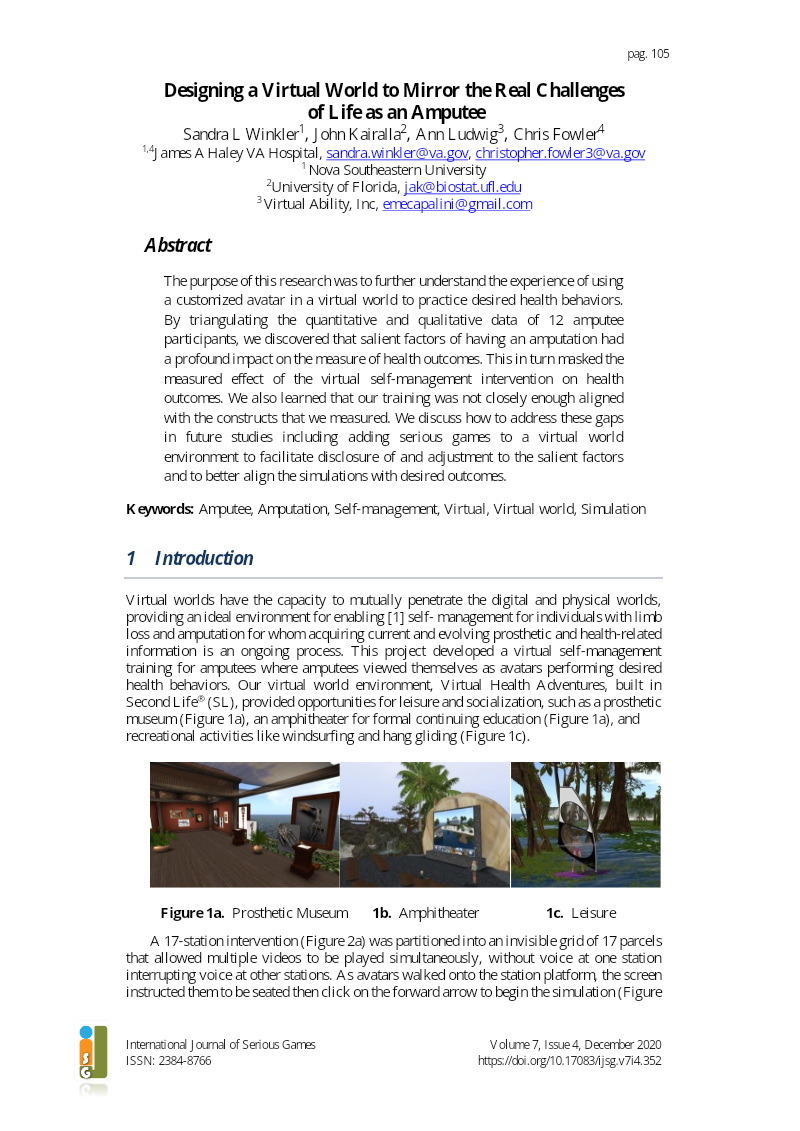
International Journal of Serious Games · 2020
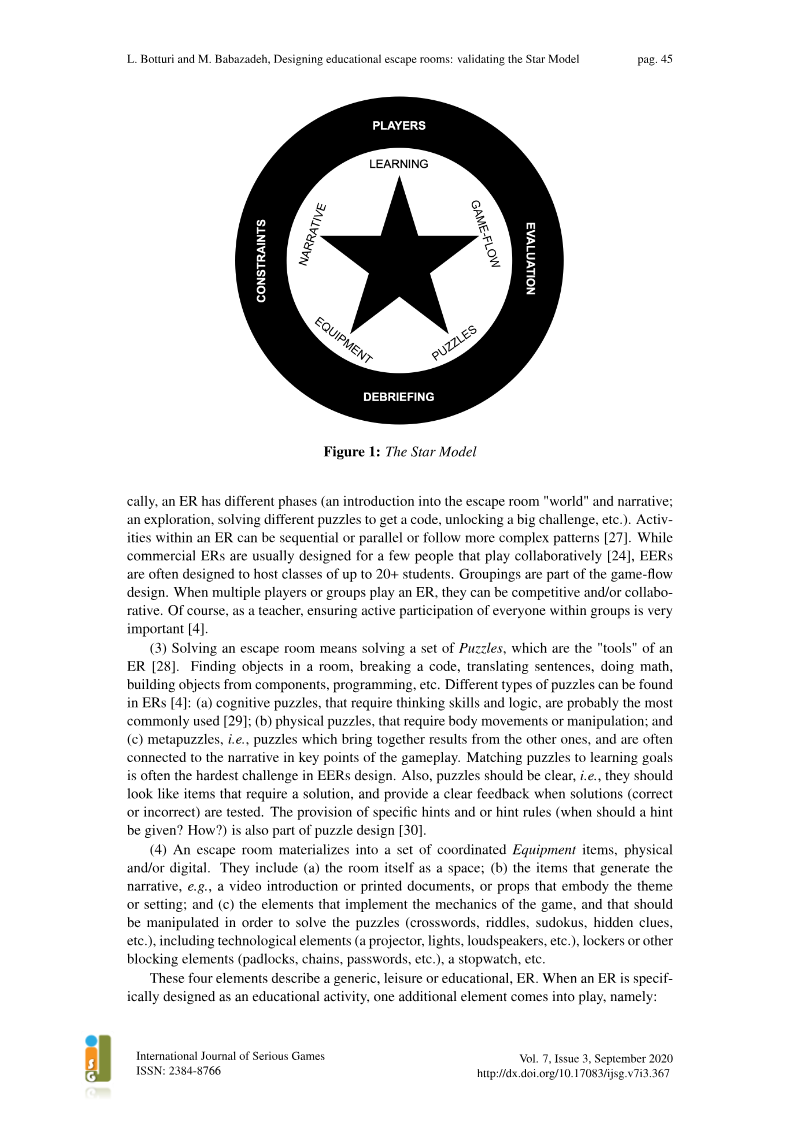
International Journal of Serious Games · 2020
International Journal of Serious Games · 2020



International Journal of Serious Games · 2020
International Journal of Serious Games · 2020
International Journal of Serious Games · 2020
International Journal of Serious Games · 2020
International Journal of Serious Games · 2020

International Journal of Serious Games · 2020
Air Force Institute of Technology · 2020
European Conference on Games Based Learning (ECGBL) · 2023