1 free read left. Create a free account for unlimited reading + AI research.
Create free accountWhitepaper Japanese Association for Role-Playing Game Studies (JARPS)
1 free read left. Create a free account for unlimited reading + AI research.
Create free accountWhitepaperJapanese Association for Role-Playing Game Studies (JARPS)
Distilling the key insights…
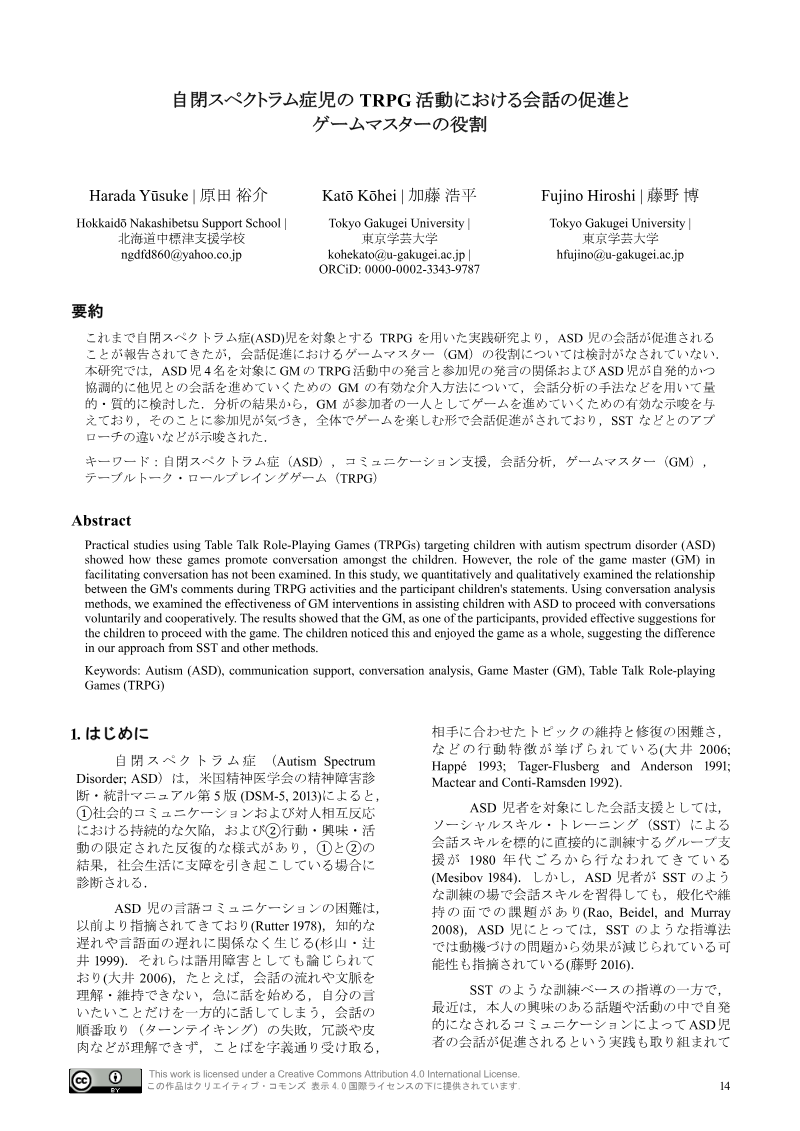
This research examines the efficacy of tabletop role-playing games (TRPGs) as a leisure-based intervention to support social communication and improve the quality of life (QOL) for children and youth with autism spectrum disorder (ASD) in Japan. The study addresses the limitations of traditional social skills training, which often relies on rigid, routine-based instruction that may fail to generalize to real-world social interactions. By leveraging the structured yet creative environment of TRPGs, the research explores how role-playing facilitates spontaneous communication and cooperative engagement.
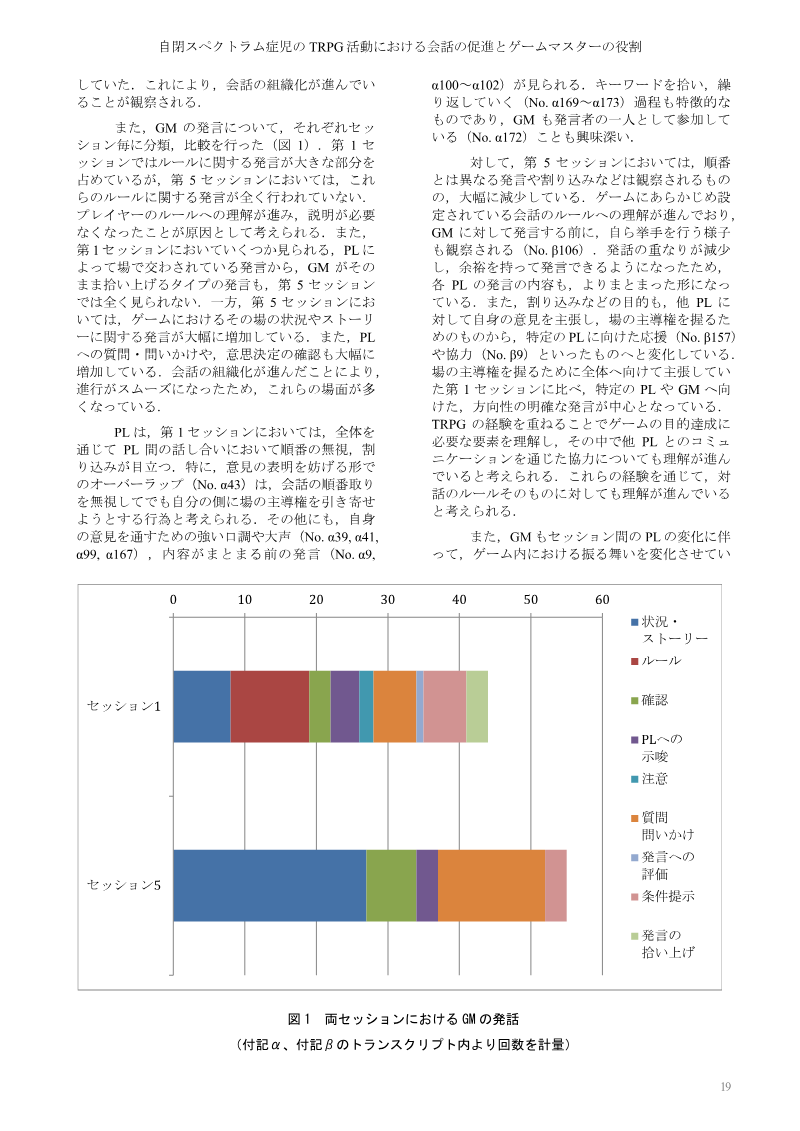
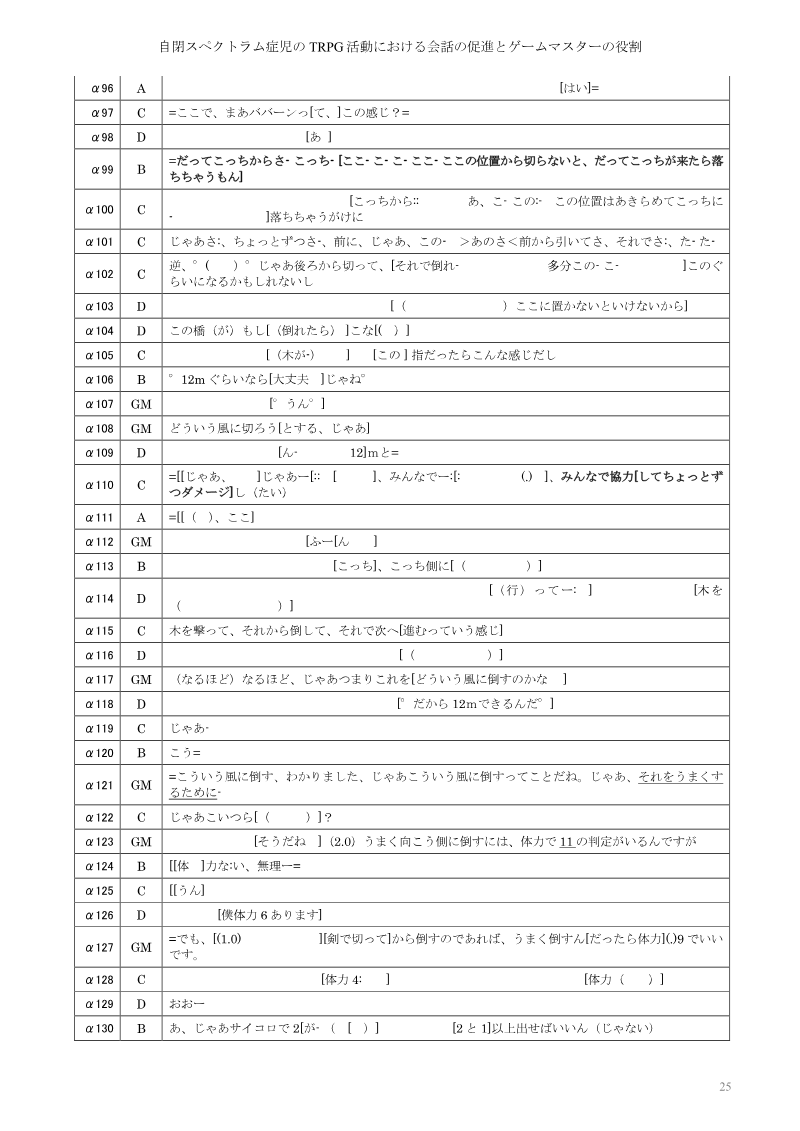
The study is divided into two primary investigations. The first involved four junior high school students with ASD over 16 sessions, analyzing transcripts from the 1st and 14th sessions. Findings indicated a significant increase in intentional speech directed toward peers and a marked improvement in the ability to reach consensus through logical negotiation rather than simple majority rule. The second study surveyed 51 teenagers with high-functioning ASD using the Kid-KINDL Questionnaire before and after five monthly TRPG sessions. Results showed statistically significant improvements in total QOL scores, with the most notable gains observed in the subscales of emotional well-being and friendships.
Qualitative data from interviews with ten participants reinforced these findings, as youth reported increased enjoyment in conversation and a greater sense of agency compared to daily life. The research concludes that the structural elements of TRPGs—such as defined roles, common goals, and indirect communication through fictional characters—provide a supportive framework that reduces the pressure of direct social interaction. These findings suggest that leisure activities tailored to the interests of individuals with ASD can effectively foster social competence, self-esteem, and peer relationships, offering a viable alternative to conventional clinical interventions.
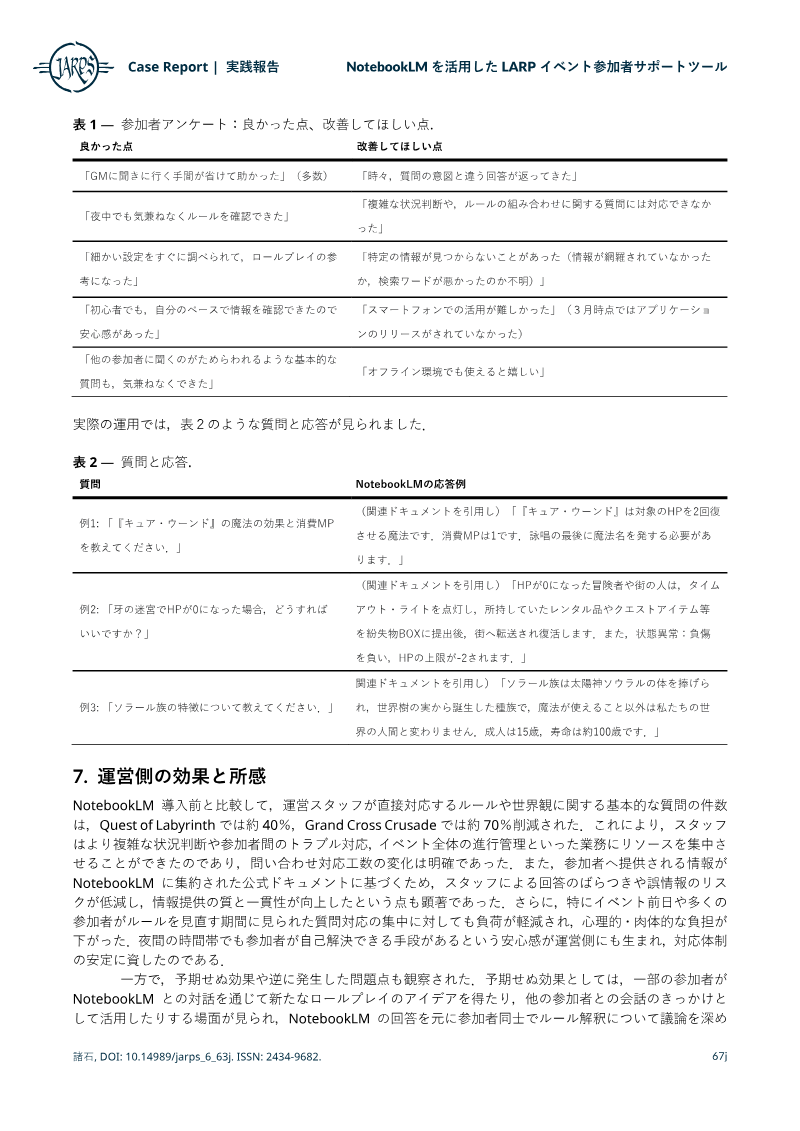
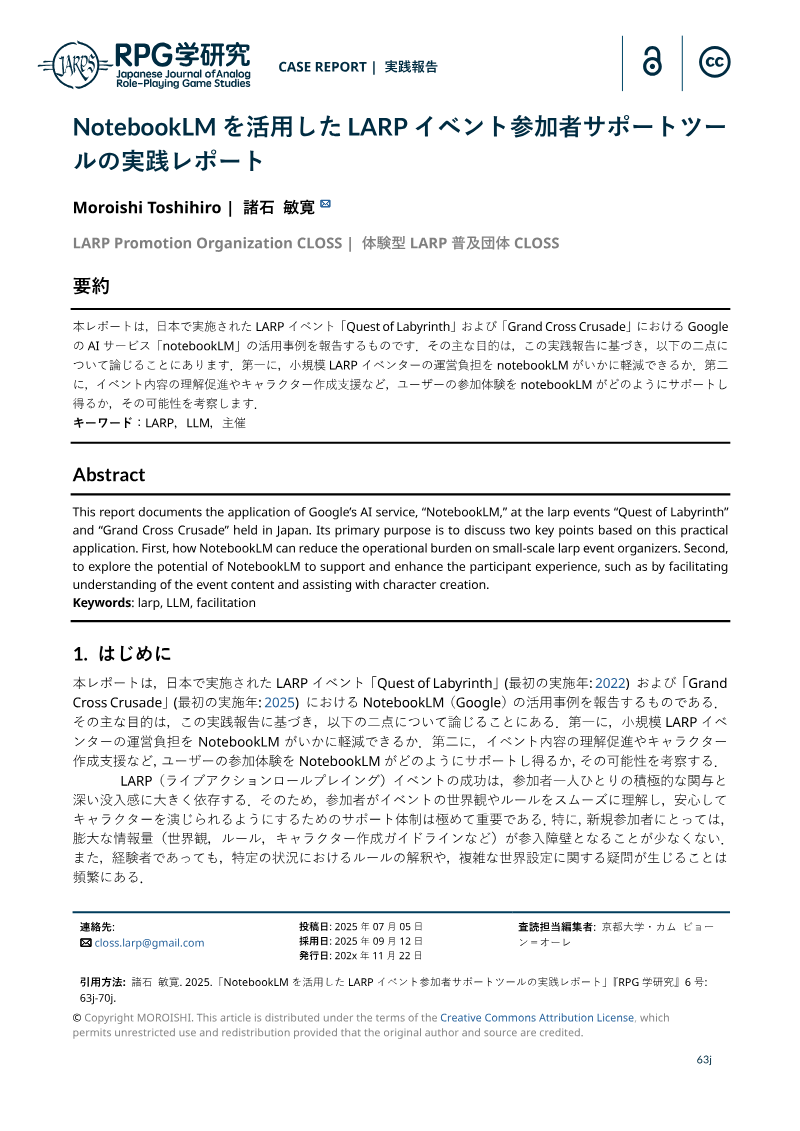
Japanese Association for Role-Playing Game Studies (JARPS) · 2025
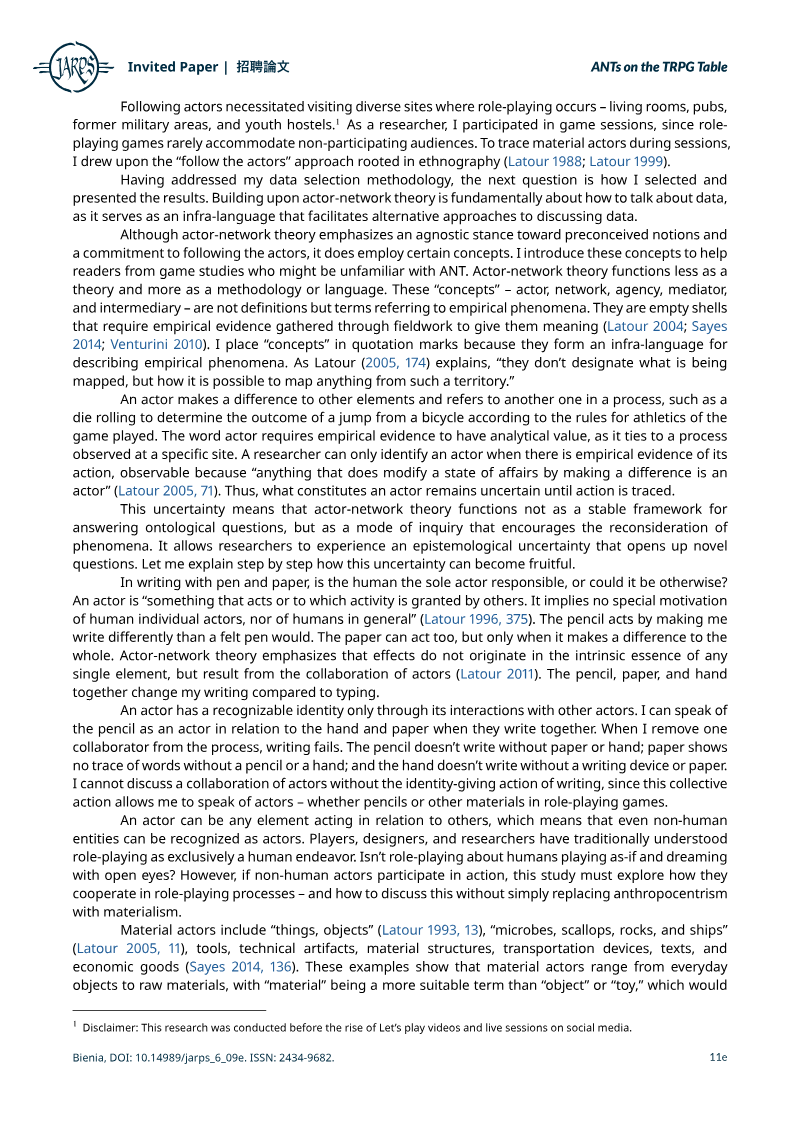
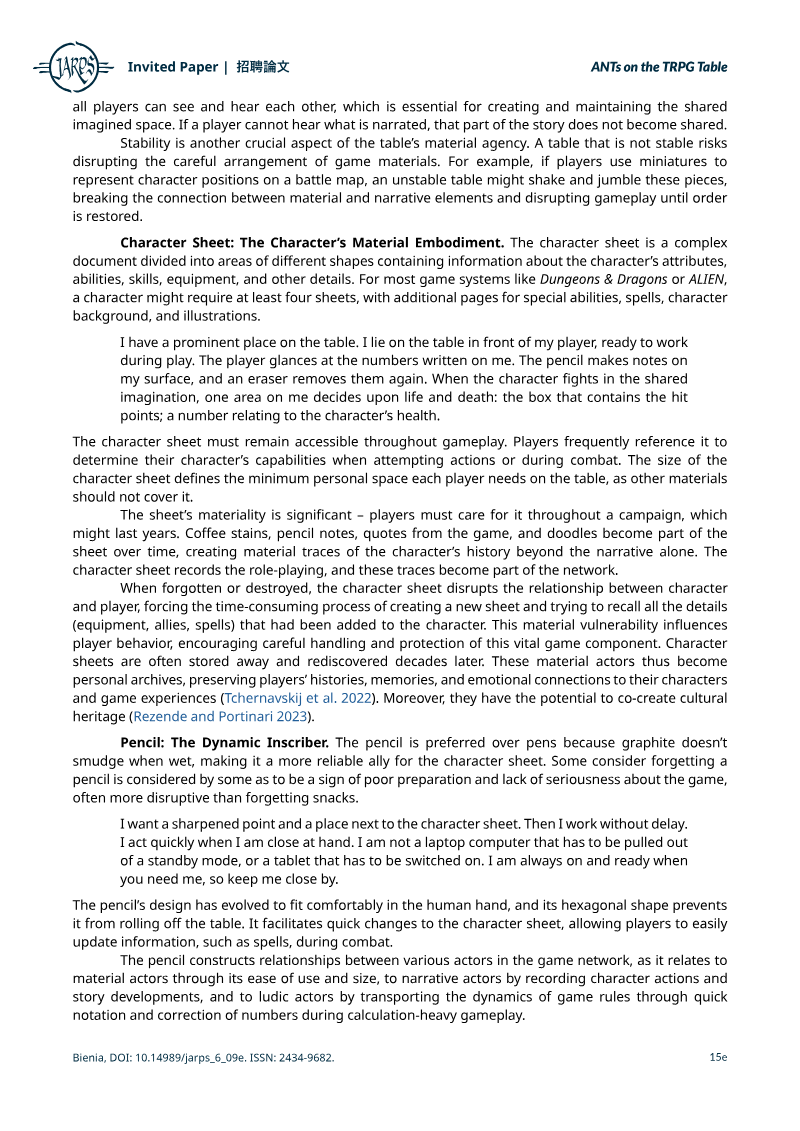
Japanese Association for Role-Playing Game Studies (JARPS) · 2025
Japanese Association for Role-Playing Game Studies (JARPS) · 2025
Japanese Association for Role-Playing Game Studies (JARPS) · 2024
Japanese Association for Role-Playing Game Studies (JARPS) · 2024
Japanese Association for Role-Playing Game Studies (JARPS) · 2024
Japanese Association for Role-Playing Game Studies (JARPS) · 2024
Japanese Association for Role-Playing Game Studies (JARPS) · 2024
Japanese Association for Role-Playing Game Studies (JARPS) · 2024
Japanese Association for Role-Playing Game Studies (JARPS) · 2024
Japanese Association for Role-Playing Game Studies (JARPS) · 2024
Japanese Association for Role-Playing Game Studies (JARPS) · 2024
Japanese Association for Role-Playing Game Studies (JARPS) · 2022
International Journal of Role-Playing · 2026
International Journal of Role-Playing · 2024