More from gamevironments
View all
Other
Harnessing the Soft Power of Videogames in Digital Diplomacy
gamevironments · 2026
Whitepaper
Asymmetries and Limits in the Transformative Power of Video Games for Women
gamevironments · 2026
Whitepaper
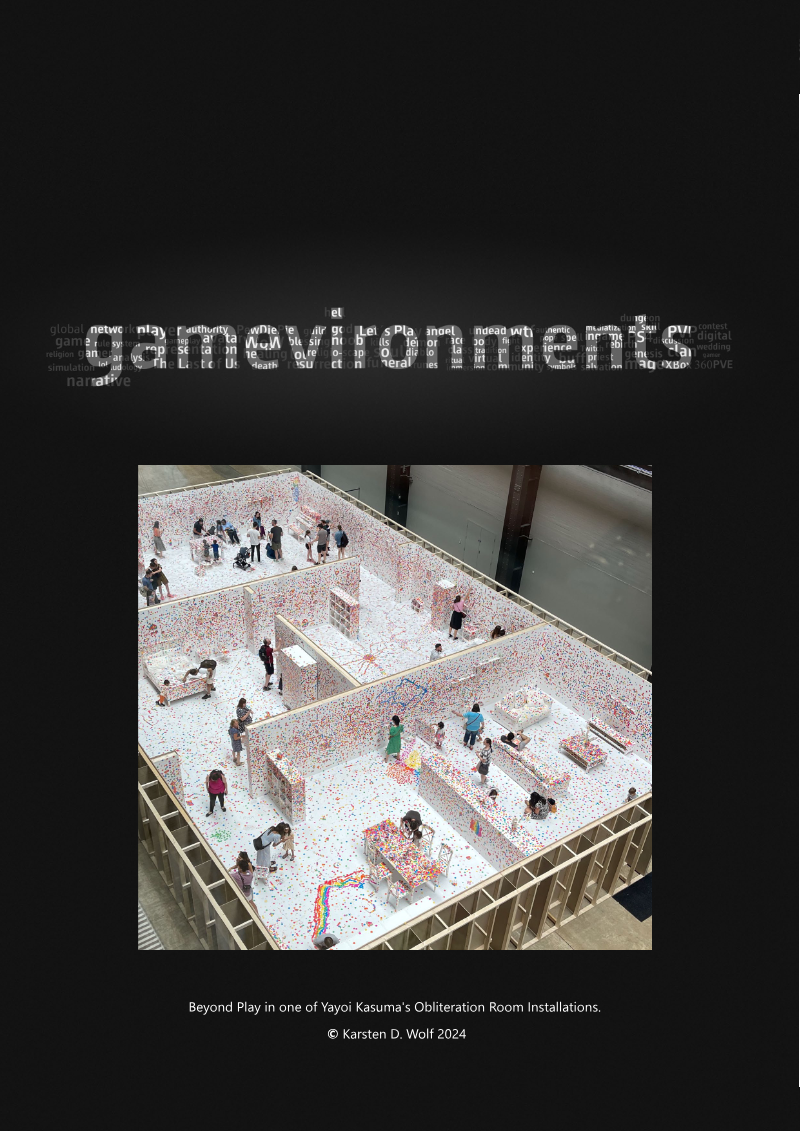
Beyond Play: Towards a Non-Gaming-Centric Gaming Research
gamevironments · 2026



Whitepaper
Beyond Play: Towards a Non-Gaming-Centric Gaming Research
gamevironments · 2026
Article
Beyond Play: Towards a Non-Gaming-Centric Gaming Research
gamevironments · 2026
Article
Genre as Gamevironment: Epistemic Genres Beyond Play
gamevironments · 2026
Whitepaper
Belongingness and Resistance in Platformed Play: Feminist Agency among Female Gamers in China
gamevironments · 2026

Report
Potentials and Limits of Decision-Making Situations in Computer Games for Ethical and Moral Judgement
gamevironments · 2025

Article
Murder on the Language Express: Bringing Murder Mystery Party Games to Language Class
gamevironments · 2025

Report
Cards Against Anarchy: The Survival of Art and Game in the Dashavatar Cards of India
gamevironments · 2025

Report
Hollow yet Hopeful? Sky Islands, Hubris, and Gravity in Video Games
gamevironments · 2025

Article
This Right Way to Play: Western Players' Appropriation and Reevaluation of Gold Farming in Genshin Impact
gamevironments · 2025