Game Development reports and market data
Documents
Will Machines Ever Make Better Games Than Us?
Artificial intelligence and machine learning are poised to fundamentally disrupt the video game industry by automating complex tasks and enabling unprecedented levels of personalization.
- AI is transitioning from simple data-driven optimization of monetization and matchmaking to complex creative tasks like procedural content generation and dynamic difficulty adjustment.
- The current surge in AI utility is driven by the convergence of increased computational power, refined algorithms, and the availability of massive datasets, despite neural networks having existed since the 1950s.
- Future development trajectories point toward fully personalized gaming experiences, including real-time adaptive storylines and NPCs capable of natural language interaction.
Where Does the Game End and the Instrument Begin?
The intersection of game design and musical expression centers on the challenge of lowering barriers to entry for novices while fostering genuine artistic agency.
- Game design is bridging the gap between casual play and professional musical expression by using digital tools as 'training wheels' to lower entry barriers and reduce performance anxiety.
- Titles like Rocksmith, Fantasia: Music Evolved, and Magic Piano demonstrate that framing music as a game allows users to engage in artistic creation at their own pace within low-stakes environments.
- Designers face a fundamental tension between creating error-proof, rule-constrained interfaces that ensure harmonious outcomes and allowing for the 'happy accidents' necessary for genuine artistic discovery.
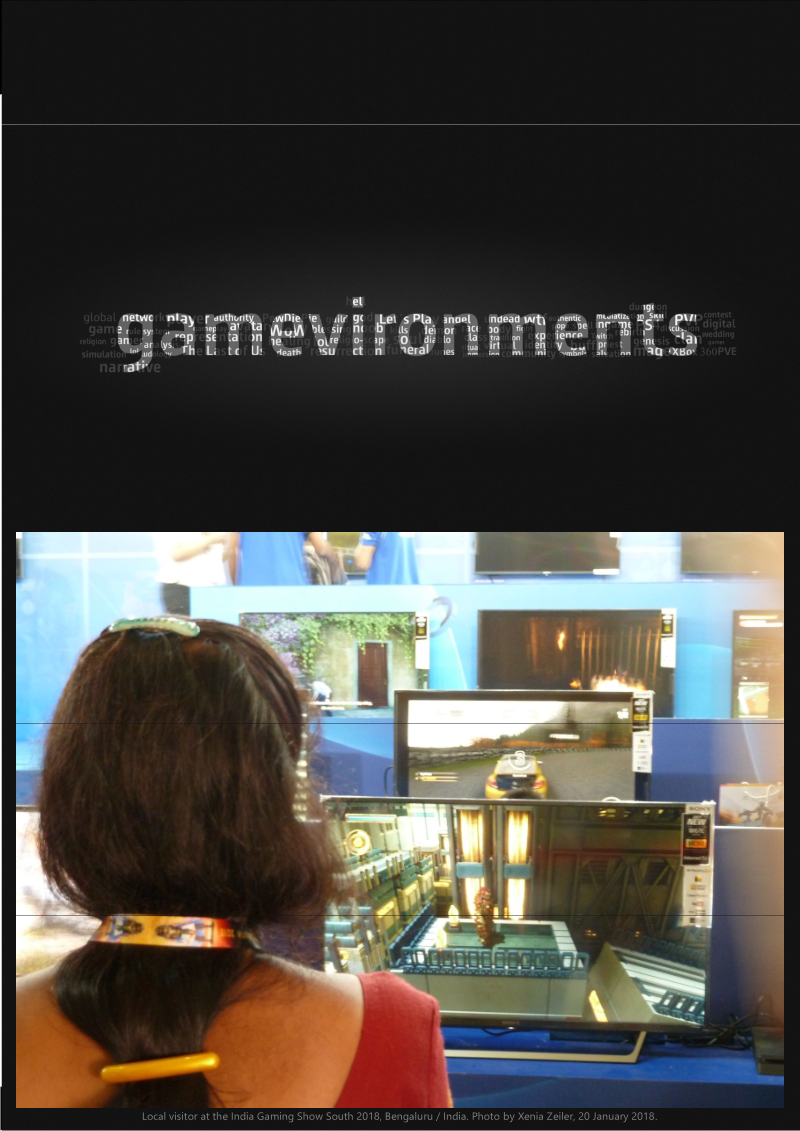
Video Game Development in Asia: Voices from the Field
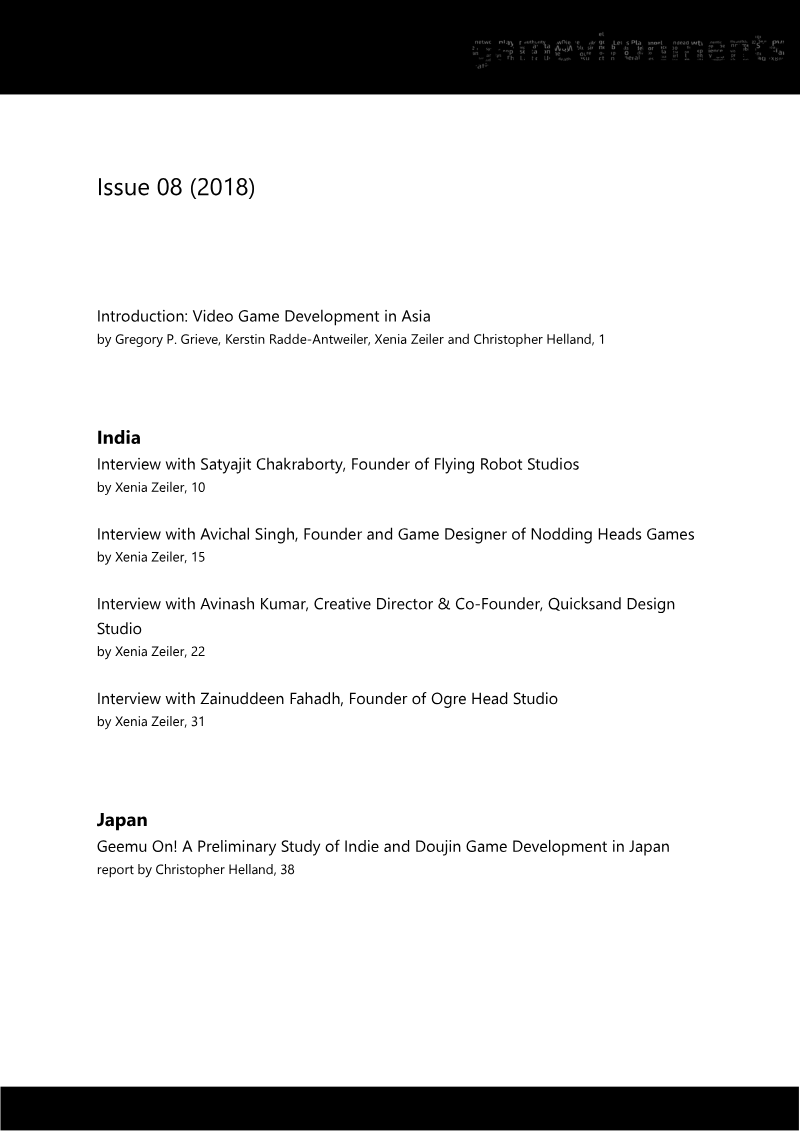
"Video Game Development in Asia: Voices from the Field" is a special issue compiling interviews and reports on video game development across several Asian countries in 2018.
- The report is a 2018 special issue of the gamevironments journal, edited by Gregory P. Grieve, Kerstin Radde-Antweiler, Xenia Zeiler and Christopher Helland, collecting firsthand accounts from independent and small-studio developers in India, Japan, Nepal and the Philippines.
- Its methodology is qualitative and exploratory, combining interviews, field reports and an ethnographic study rather than large-scale statistical measurement.
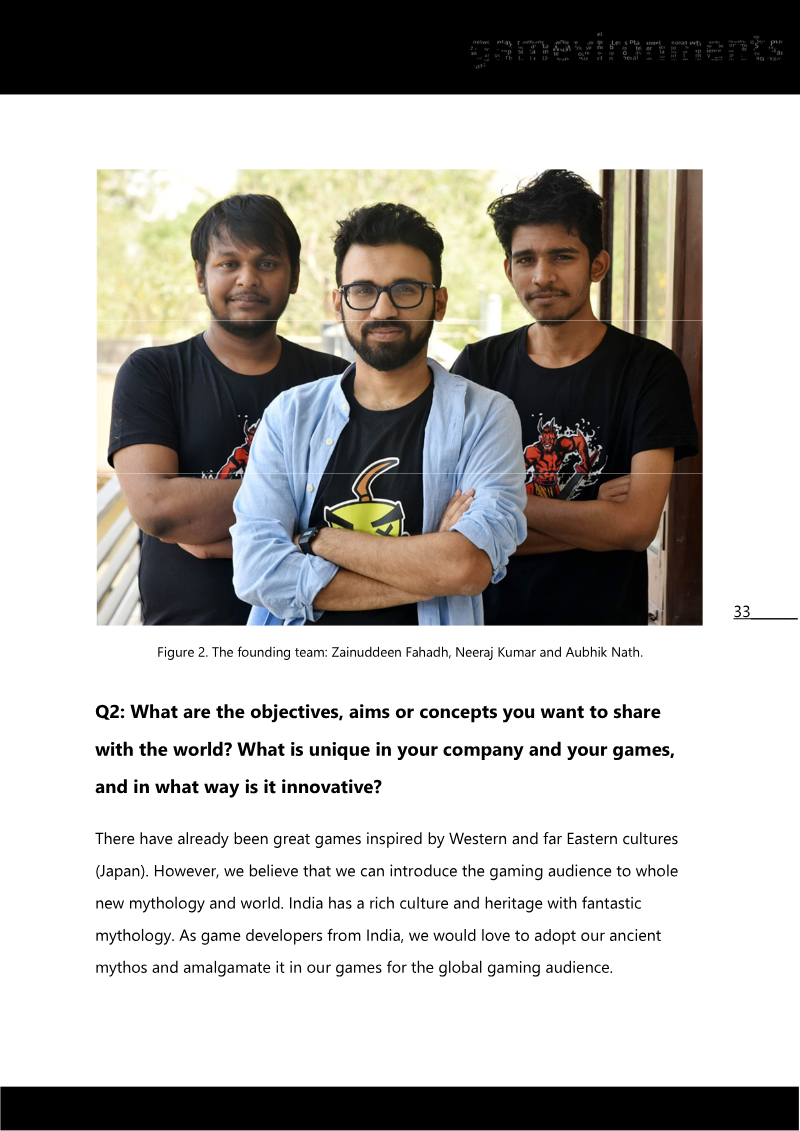
- The India section profiles Ogre Head Studio, a Hyderabad-based company founded in 2014 that aims to move beyond outsourcing and mobile-focused work toward original PC games.

How To Get Screwed By A Game Publisher
Navigating game publishing agreements requires extreme caution to avoid predatory practices that can strip developers of their intellectual property and revenue.
- Prioritize gross revenue deals over net revenue models to prevent publishers from eroding profits through vague overhead deductions and recoupment strategies.
- Retain full ownership of intellectual property and merchandise rights by granting publishers only a license to sell the game rather than selling the IP outright.
- Mandate that the only allowable deductions from gross revenue are the standard platform fees charged by storefronts such as Steam, PlayStation, or Xbox.

How to Rig a Human: Joint Health and Mobility for Developers
Software development is characterized by a sedentary lifestyle that frequently results in chronic physical degradation, with 80 percent of developers reporting back pain and nearly half suffering from persistent neck discomfort.
- Chronic physical degradation is widespread in software development, with 80 percent of developers reporting back pain and nearly 50 percent suffering from persistent neck discomfort.
- The human body functions as a tensegrity structure where bones rely on muscle and fascia tension; prolonged sitting causes these tissues to lose elasticity, leading to compensatory movement patterns and injury.
- Developers should implement a 14-point physical inspection and maintain tall neutral alignment to identify and address movement restrictions before they develop into chronic pain.
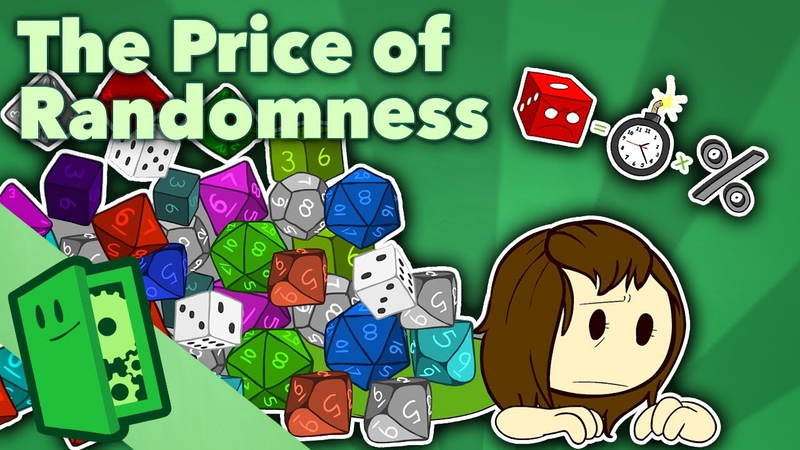
The Price of Randomness - Balancing RNG - Extra Credits
The design of random number generation (RNG) in video games requires a structured approach to balance strategic depth with player satisfaction.
- Portnow’s Postulate defines player frustration as the product of time lost and the probability of that loss occurring, serving as a diagnostic tool for balancing RNG.
- The 'true time cost' of a loss must account for cumulative progress, such as rank degradation or the time spent earning entry currency, rather than just the duration of a single match.
- In games like Hearthstone, a loss is effectively doubled in time cost because it negates the progress gained from a previous win, increasing the frustration threshold.
Lessons from KO_OP: Surviving on the Fringes
The studio KO_OP, founded in 2012 in Montreal, operates as a for-profit, worker-owned cooperative focused on creating experimental and artistic games.
- KO_OP operates as a worker-owned cooperative founded in 2012, utilizing a flat ownership structure where all eight employees hold equal status regardless of their initial financial contribution.
- The studio maintains financial stability by balancing original creative projects with contract work for larger entities, ensuring consistent revenue while preserving creative autonomy.
- Operational management prioritizes employee well-being through regular one-on-one check-ins and a production-focused approach that explicitly rejects the industry-standard practice of crunch.
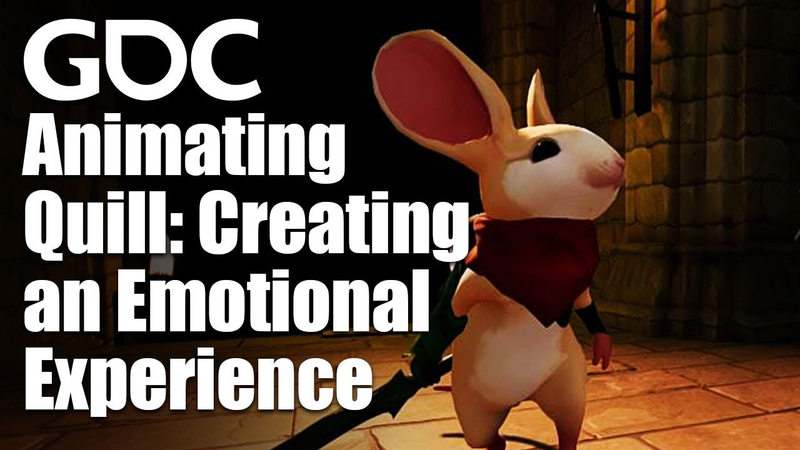
Animating Quill: Creating an Emotional Experience
The development of Moss centers on the thesis that virtual reality provides a unique medium for fostering genuine emotional connections between players and digital protagonists.
- The development of Moss prioritized character-driven interactions, such as eye contact and collaborative puzzle-solving, to foster genuine emotional connections between the player and the protagonist, Quill.
- Transitioning from rigid software dependencies to a modular, scriptable animation pipeline increased individual productivity from three seconds of finished footage per day to fifteen.
- The animation team achieved efficiency by decoupling the control rig from the character setup and utilizing simple, translation-based controls to create an open sandbox environment.
Power of the Pack: Success via Community-Based Development
Community-based development serves as a strategic framework for independent studios to secure consistent feedback, sustain internal motivation, and cultivate a dedicated audience well before a game’s official launch.
- Community-based development functions as a strategic framework for independent studios to secure consistent feedback, maintain internal motivation, and build a dedicated audience prior to launch.
- Establishing a centralized hub, such as a Discord server, is essential for gathering early adopters and creating a stable foundation for long-term growth.
- Transparency regarding development milestones and the active implementation of player feedback transforms the community into a resource for quality assurance, localization, and grassroots marketing.
Evolving Plague Inc: Taking a Top Mobile Game to Steam
The transition of mobile titles to the PC market requires a strategic departure from simple porting to avoid the pervasive mobile stigma that often alienates desktop players.
- Plague Inc: Evolved achieved a 95 percent positive review score and sold 500,000 units in its first year on Steam by prioritizing a comprehensive rebuild over a simple mobile port.
- Successful platform expansion requires replacing mobile-style monetization with a premium pricing model that aligns with PC gaming community expectations.
- Developers must implement platform-specific enhancements, such as bespoke user interfaces, upgraded 3D engines, and features like multiplayer and custom scenario creators, to avoid the 'mobile stigma' on desktop.

Write a Game Engine? - WHY and HOW.
Developing a custom game engine is a complex undertaking that offers significant advantages in architectural control, specialized functionality, and educational depth, though it carries substantial risks and development overhead.
- Custom engine development is primarily recommended for those pursuing careers in engine engineering or hobbyists prioritizing technical mastery over the rapid production of games.
- The primary advantages of proprietary engines include total architectural control, the ability to tailor systems to unique project requirements, and the avoidance of restrictive licensing agreements associated with commercial engines like Unity or Unreal.
- Building a custom engine requires significant investment in 'invisible work,' such as creating boilerplate code for window initialization, graphics API setup, and developing custom toolchains like level editors and asset importers.
6 Mistakes I Made When I Started Making Games
The primary purpose of this analysis is to outline common pitfalls encountered by independent game developers during the early stages of their careers.
- Prioritize securing external funding through publishers or crowdfunding platforms like Kickstarter to enable full-time development, as relying on personal savings while working a full-time job consistently compromises production quality.
- Treat marketing as a daily operational responsibility rather than an afterthought by utilizing social media management tools to maintain consistent engagement and drive wishlist conversions.
- Focus on building a loyal, cross-project audience as the primary foundation for long-term success, as initial financial projections for a first game are frequently unreliable.