Game Design reports and market data
Documents
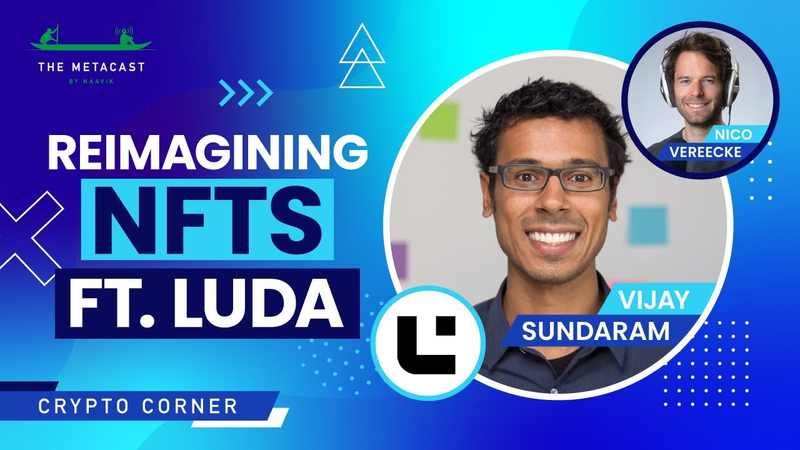
Reimagining NFT's - The Metacast by Naavik
The integration of generative AI and blockchain technology is fundamentally reshaping the landscape of user-generated content in gaming.
- The gaming industry is shifting from top-down development to decentralized models where players act as stakeholders who own, create, and govern digital assets.
- Platforms like Luda are leveraging generative AI and blockchain to facilitate user-generated content, moving away from traditional development structures toward distributed value accrual.
- Projects like Neo Fairies are pioneering decentralized, co-created story worlds that prioritize creative utility and accessibility over the artificial scarcity and speculative tokenomics of early NFT models.
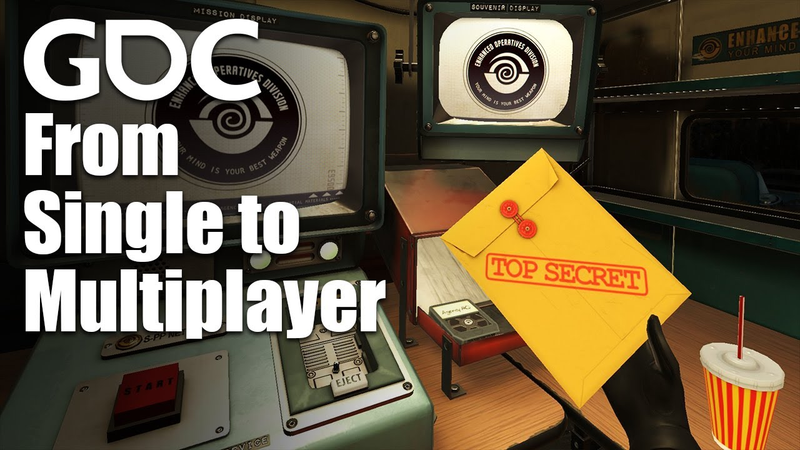
Expanding Single-Player Games to a Multiplayer Experience with Discord
Single-player titles can transcend their solitary nature by leveraging external platforms like Discord to foster collaborative and competitive community environments.
- Schell Games utilizes the 'JADE' method (Jump to conclusions, Apply action, Data gather/listen, Evaluate/learn) to iteratively design community-driven multiplayer experiences for single-player titles like 'I Expect You to Die' and 'Until You Fall'.
- Community-wide collection challenges, such as the November 2020 'Spirit of Giving' event, successfully incentivized player engagement by tasking the community to collectively pool in-game resources (Aether) to reach a shared goal, which exceeded initial participation expectations.
- Player-pairing challenges, such as the February 2021 'Match Made in Rokar' event, foster intimacy and cooperation by requiring players to coordinate weapon sets or make gameplay decisions for one another via Discord voice chat.
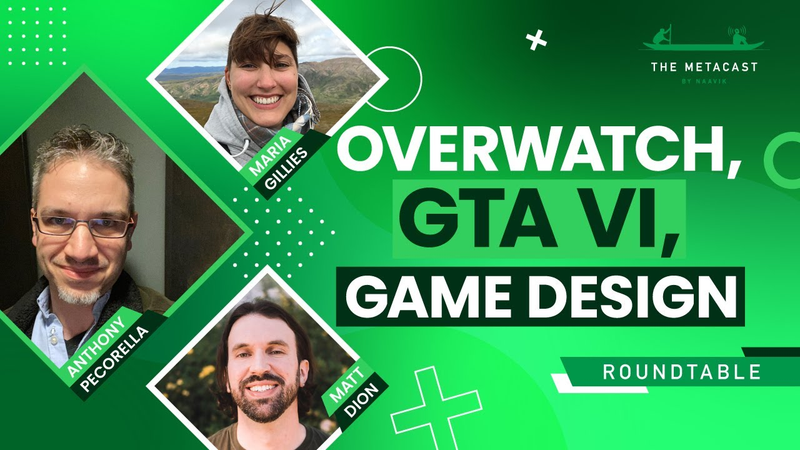
Risks of Sequels, Leaks and Permanent Loss Game Design Mechanics - The Metacast by Naavik
The transition of titles like Overwatch 2 from premium models to free-to-play live services reflects a broader industry shift toward battle pass-driven monetization and recurring revenue.
- The shift of titles like Overwatch 2 from premium to free-to-play models highlights a broader industry pivot toward battle pass-driven recurring revenue to combat declining engagement and technical debt.
- Maintaining a live-service content treadmill requires high organizational maturity to manage the risks of developer burnout and the potential for competitive imbalances caused by aggressive monetization.
- Studios must implement fintech-grade cybersecurity protocols to protect source code and proprietary data, as high-profile leaks of unfinished assets significantly damage studio morale and public perception.
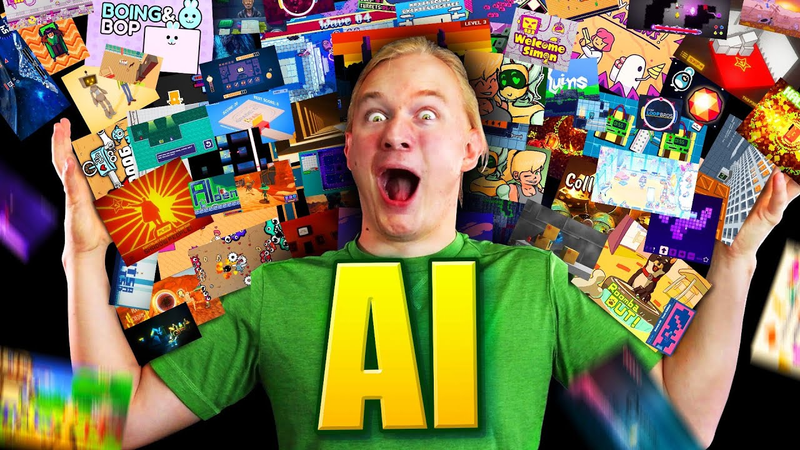
We Made 1,018 Games About AI
The Wowie Jam 4 game development competition challenged participants to explore the potential of artificial intelligence beyond its traditional role as a combat antagonist.
- The Wowie Jam 4 event resulted in the creation of 1,018 unique game entries over a period of three and a half days, demonstrating the feasibility of rapid development focused on AI collaboration.
- The competition successfully challenged the industry-standard 'combat antagonist' trope by requiring developers to design games centered on friendship and meaningful interaction with AI companions.
- Successful AI collaboration in game design relies on clear communication methods, including visual cues and speech bubbles, alongside the establishment of shared goals like cooperative navigation or music.

Strategy Case Studies: Mobile Clones, IP Ecosystem, UGC - The Metacast by Naavik
The mobile gaming landscape is currently defined by a strategic tension between agile, independent development and the massive scaling capabilities of established publishers.
- Small, agile teams can capture significant market share by adapting successful concepts for mobile-first audiences, as demonstrated by the nine-person team behind Stumble Guys.
- Successful mobile titles often follow a lifecycle of rapid development and scaling by independent teams, followed by acquisition by larger publishers to leverage infrastructure for long-term live operations.
- Major publishers like Ubisoft are pivoting toward expansive IP ecosystems, using cross-media partnerships like those with Netflix to transform franchises into centralized, multi-platform hubs.
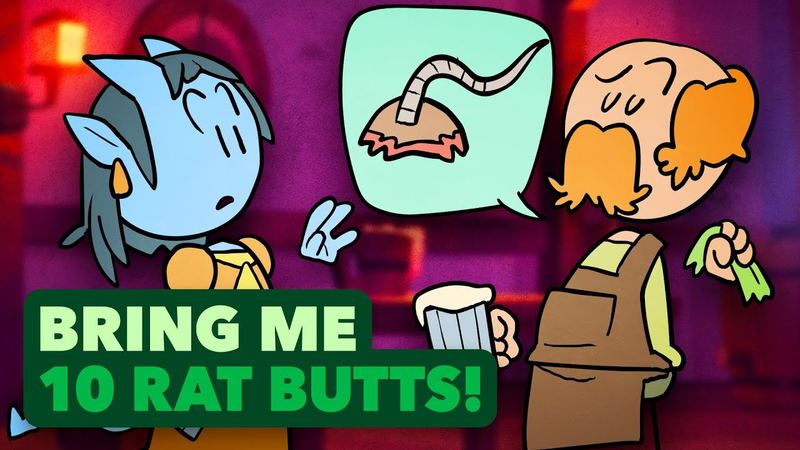
You Deserve Better Side Quests - Extra Credits Gaming
Modern game design often relies on repetitive, uninspired side quests that function as mere checklists rather than meaningful narrative experiences.
- Developers should replace isolated, task-based side quests with multi-part quest chains that function as interconnected vignettes to foster player attachment and world-building.
- Effective quest design requires three core elements: meaningful relationships between the player and the quest giver, distinct character arcs for NPCs, and a cohesive narrative structure.
- Studios must abandon the assumption that players will skip narrative content, as this belief leads to under-budgeted writing and shallow, mechanical quest design.
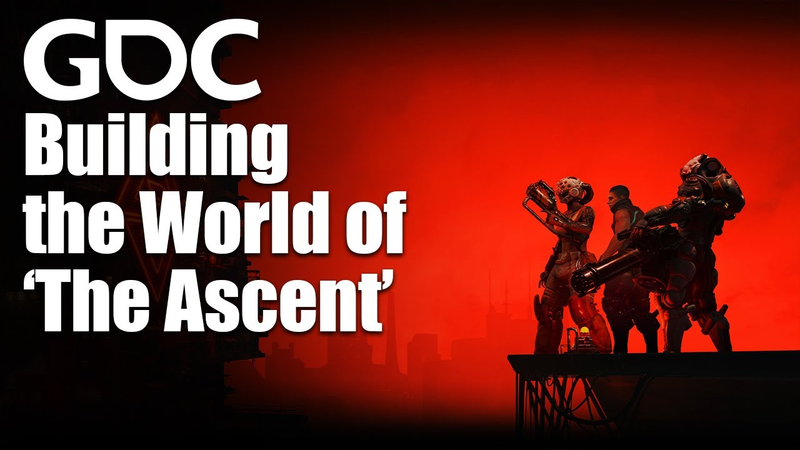
Building the World of 'The Ascent'
The development of the cyberpunk action game The Ascent demonstrates how a small team can achieve high-fidelity world-building through a strictly constrained, tech-driven production pipeline.
- The development team managed over 8,000 individual assets by utilizing a modular construction pipeline that prioritized shared texture sheets and trim sheets over traditional high-to-low poly workflows.
- Strict adherence to a three-color palette and the use of vertex colors combined with light-baked ambient occlusion kept total texture memory usage under 100MB.
- Procedural tools built in Houdini were essential for generating architectural elements like rooms and pipes, allowing a small team to populate a sprawling environment efficiently.
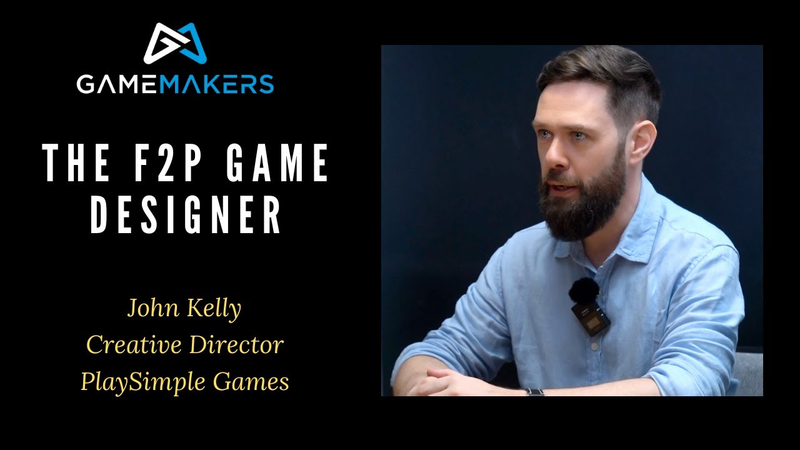
Secrets of the F2P Game Designer
The modern free-to-play gaming landscape has transitioned from a focus on rapid scaling to the development of high-fidelity, cross-platform experiences.
- Modern free-to-play design requires integrating meta-systems directly into core gameplay rather than treating them as secondary features to ensure high-fidelity, cross-platform success.
- Designers must balance creative innovation with the analytical ability to deconstruct existing mechanics, as there is no universal methodology for success in the current market.
- Career advancement in game design requires a transition from generalist roles to specialized expertise, eventually shifting focus toward soft skills like empathy and team management for leadership positions.
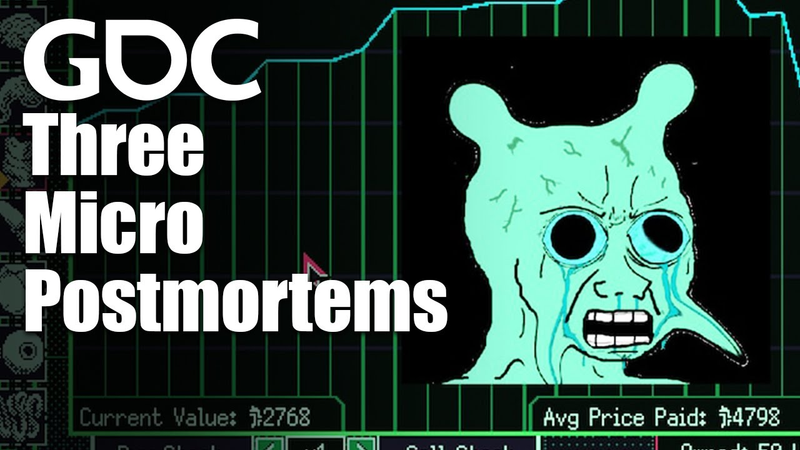
Micro Postmortems: 'Sky', 'Blaseball', and 'Space Warlord Organ Trading Simulator'
Modern game development increasingly relies on community-driven narratives and collaborative, sustainable production models to achieve both critical success and long-term player engagement.
- Game development is shifting from auteur-driven models to a 'constellation approach,' which prioritizes team health, fair compensation, and flexible collaboration to produce projects reflecting collective rather than singular visions.
- Titles like 'Blaseball' demonstrate that treating simulation outputs as definitive narrative truths allows developers to foster a living, evolving world driven by player influence.
- In collaborative production environments, selecting partners based on empathy and shared creative perspectives is more critical to long-term success than prioritizing raw technical skill.
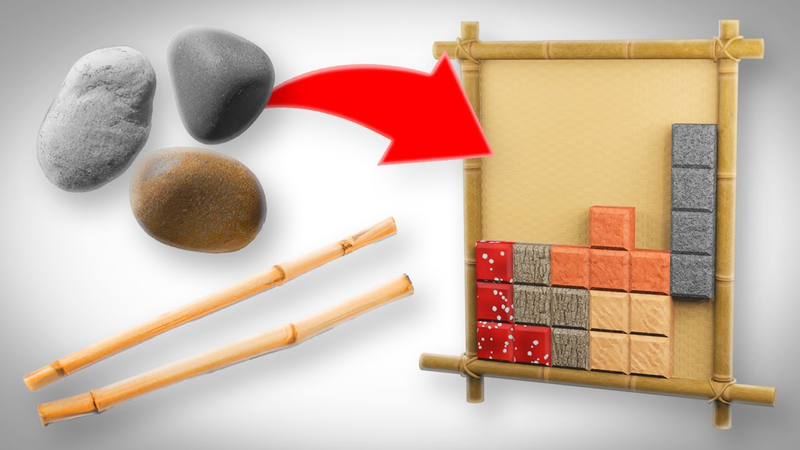
Game Developers Touch Grass For The First Time
This project explores the creative potential of game design outside of traditional digital environments by challenging two professional game developers to create functional games using only natural materials found in a forest.
- Physical constraints and natural materials can serve as a catalyst for innovation, forcing developers to abandon habitual digital design patterns.
- The project successfully developed four distinct prototypes using only forest materials, ranging from simple skill-based tests to complex strategy games.
- Integrating 'satellite mechanics'—such as teleportation and destruction tiles—into a physical bridge-building game created a depth of strategy that the developers found difficult to conceive within standard digital workflows.
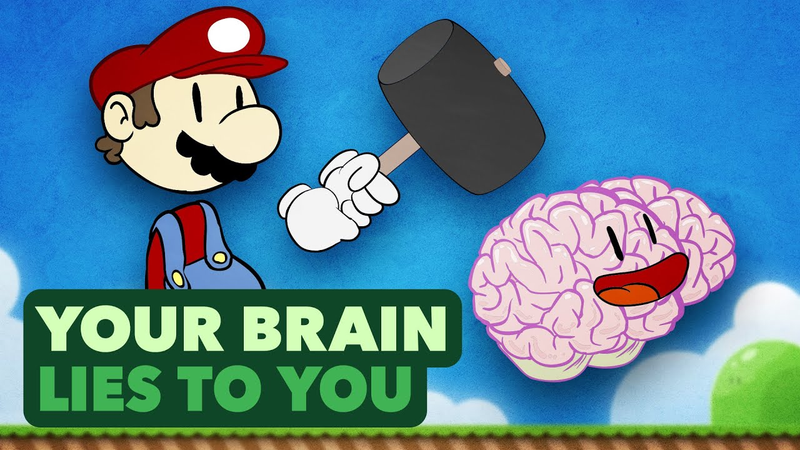
How Games Twist Probability - Extra Credits Gaming
The application of probability in game design serves as a critical tool for shaping player emotion and engagement.
- Designers manipulate player emotion by exploiting the gap between human intuition and mathematical reality, as demonstrated by the Monty Hall problem where most people incorrectly perceive a 50/50 chance instead of the actual two-thirds probability of winning when switching.
- Probability presentation dictates whether a game feels like a rational, transparent puzzle or an emotional, high-stakes gamble.
- Systems like critical hits are often mathematically equivalent to flat damage increases, but designers present them as high-variance events to foster a greater sense of player power.
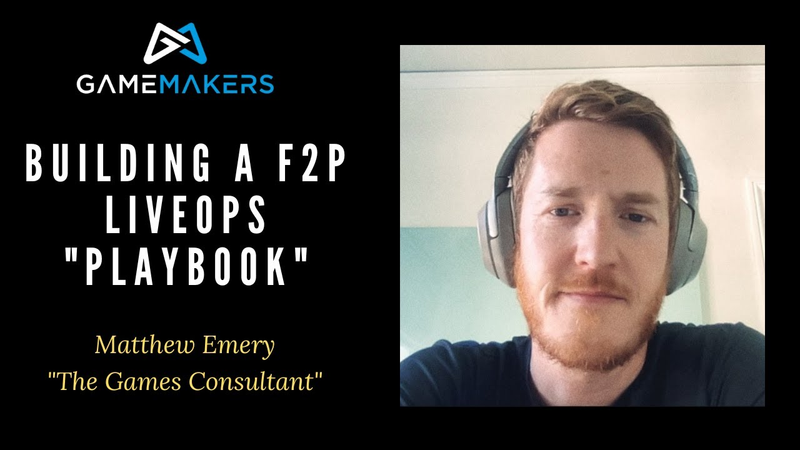
Building a F2P Liveops Playbook | ft. The Games Consultant Matt Emery
Live operations in the free-to-play sector function as a critical mechanism for balancing long-term player engagement with the continuous optimization of key performance indicators.
- Prioritize live operations initiatives based on a strict ROI-first methodology, focusing development resources exclusively on activities that maximize lifetime value (LTV) relative to implementation costs.
- Implement a repeatable operational loop that moves from strategic prioritization to production and rigorous multivariate split testing to ensure continuous KPI optimization.
- Avoid reliance on static industry benchmarks by building internal data vaults and utilizing pattern matching to identify specific opportunities for improvement within your unique player base.