1 free read left. Create a free account for unlimited reading + AI research.
Create free account
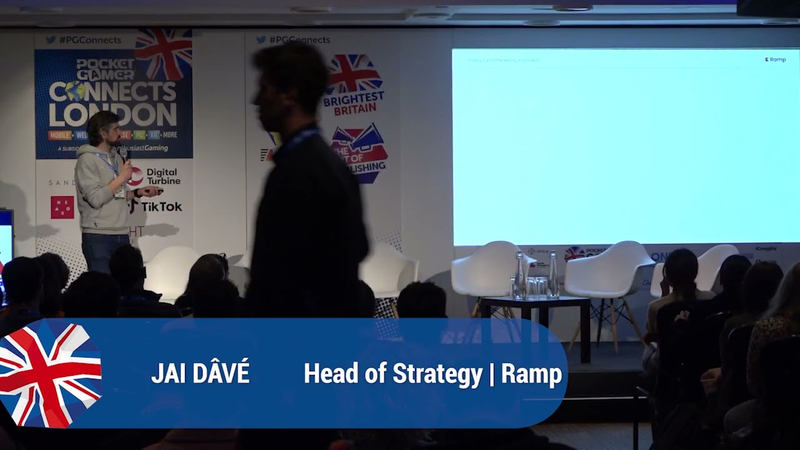
Maximising Your Odds of Success: Tips for Building Confidence in Your Game - Jai Dâvé, Ramp.
Key insights
6 takeaways- 01Conduct rigorous market research using genre matrices and competitor performance analysis to identify viable entry points and define the specific metrics required for project sustainability.
- 02Prioritize product differentiation through unique mechanics, themes, or IP rather than attempting to replicate existing hits, which forces direct competition with established, optimized products.
- 03Establish realistic performance expectations by benchmarking against multiple data sources and treating outcomes as a range of scenarios rather than fixed targets.
- 04Integrate product and marketing teams from the start of development to ensure core features, art style, and branding are aligned for long-term retention and monetization.
- 05Shift from intuition-based development to a data-driven strategy to mitigate high failure rates caused by market saturation and rising user acquisition costs.
- 06Utilize granular, cohort-based forecasting tools to replace manual spreadsheet modeling, allowing for faster identification of performance gaps and more agile pivots.
Ask AI about this video
Transcript
foreign [Music] [Applause] you'll hear me yeah okay so I've been given one of the slots just after lunch which means people's bellies are full they're feeling a little bit sluggish so I'm
going to be a bit cruel and hand the room over to you with a question how many people here are planning on launching a game this year hands up okay quite a full quite a few so I've got bad news unfortunately games that are going to get launched this year the majority of them are going to fail and that is just a product of the month of the landscape being very complex and competitive but also people aren't doing our homework however there are methods you can use to maximize your Arts of success in an otherwise challenging Market I'm going to talk about some of these just to kind of balance out that Doom and Gloom the CEO of my company has authorized me to give away 120 000 pounds worth of prizes at the end of this so if you like free worth lots of money then stick around okay so quick quick uh intro to me so I'm enjoying out of strategy at ramp um I am a proud mankuni and this is the coat of arms of Manchester although probably more famously known for its music and football begrudging uh congratulations to any awesome fans in the room um I moved to London 20 years ago to
study out Imperial um to do chemical engineering and then of course being in London with an analytical degree I moved into Banking and finance I did this for six years and then decided I wanted to move into an industry which is more aligned with my interests and I was lucky enough to get a job at an up-and-coming studio um I was fortunate enough to be part of King's Journey Through the IPO through the Activision acquisition I set up and led the market and competitive intelligence function there three years ago I joined ramp which was set up by an ex-king employee who was very influential in the rise of Candy Crush and our aim is to Pioneer the world of um cohort based forecasting to empower our clients to be smarter around their predictions forecasting budgeting Market spend allocation growth strategy UA strategy Etc so if you're interested in learning more about that then we have a booth in the room over there now one of
the things that I've noticed working at ramp for the last few years is regardless of whether our clients are relatively humble size small Studios with uh games early on in their lifestyle or bigger corporates with huge Global hits the kind of conversations we have about building confidence in these titles seems to have the same sort of topics so when I was asked to do a talk at PGC I thought this might be something that can add a bit of value so let's set the scene launching a game is very hard there is a lot of competition there's a million apps on the App Store there's thousands coming out all the time or vying for the same users these users expect high quality games right now there's more people playing on mobile than PC and console um there's AAA quality products there um and things that might have been Innovative or novel a few years ago are just kind of expected and you need to build these into your games from an early stage the UA landscape is much more competitive um there's uh there's much more complex strategies happening in the market um the days of the reality are
unfortunately very challenging to replicate these days so you need to be able to pay so you have to have a game which is providing enough ltbc can be competitive in the market balancing the game so you can have that Comfort Competitive Edge is also very challenging as well to make sure that you're gaining money at the game but also making sure that it's fun to play and then to top it all off you need to be able to think about this rightly at the onset of the game and build a product that has longevity will last for a few years and that you can retrofit new things in the game and keep up with how the market is evolving so we'll talk about some tips now this one seems very obvious market research right but there's a number of times when I've seen a game get to a relatively mature staging production and only then is that when Market researchers kind of fit around it maybe there's a green light or a production gate you need some more funding and at this point there's kind of two things that usually happen one the market data and research fits what you're trying to do and the creative team go awesome you know come along this is all the data we need to
get to get our game over the line the other one is that it doesn't fit and then the usual response you get is hey well you know we're just trying to break the mold Pioneer the industry do something completely different and that might be good you know you might manage to do that but the fact is having a robust market research strategy is going to help you understand better where you are and where you need to get to so things to consider with this is you know where does the game You're Building fit in a whole genre Matrix what what games are out there that are similar to it um and uh and how have these evolved over time is it a fragmented Market are there a few players in there which you might be able to gain market share from or is it one or two dominant players and it's going to be quite challenging to uh enter this type of game um who are these competitors why have they been successful why have the games that have tried to enter being unsuccessful are there any Trends Within These uh genres which used to be novel um novel Innovative features are now just expected that you have to build from day one what is the target addressable Market size if you gain a
reasonable share of that is it going to satisfy your financial targets what do the install curves look like typical for this sort of genre do you can you go with the big bang approach and make sure and uh have a product that is 70 80 ready and benefit from those early users or do you want to have something which is more of a little bang approach in a a slower a slower gradient and allow you to optimize the product whilst you've got real results from it and then also doing all of this and having a better idea of where you are today and where you need to get to and where you want to get to is actually any good at all you then can navigate this this uh this journey much more accurately and think about the risks that you have from a technical perspective can you build this game do you have the rights a lot of talent is there any IP infringement issues you need to think about so overall this kind of sets the sets of scene for what you need to do differentiation is a key one as well there are a number of games out there I think people look at them and go okay
this game's doing well we can do that let's build a game just like it and if we take a small share of the pie then awesome the fact is it takes a long time to build a game you know this in that time your competitor that you're trying to emulate has a year or so's worth of data they've optimized the game they've got loyal users you also don't know what's going on underneath the hood you don't know how much money they have you don't know the talent they have you don't know um you don't know what their overall strategy is so chances are unless you know chances are if you try and copy another game it's it's it's going to be challenging to be successful so differentiation is key typical areas to differentiate are things like different envelopes so if the core mechanic is proven can you fit this in a different envelope and to attract a new new audience base it's a core mechanic right for optimization can you make it more intuitive and more fun to play theme is another one that tends to come out quite often so can you appeal to a different audience with a new theme and then also IP is there something you can add to
boost the awareness of the game and this is by no means a exhaustive list but when we speak to clients the example I like to use is how the match three space has evolved over the last 10 years or so it's a few things in the previous presentation and the ring true here as well so about 10 years ago when I joined gaming Bejeweled Blitz was the the big name um in March 3 King came along they invented the Saga model which a number of competitors tried to emulate they had a matchable Boosters awesome beautiful Cascades of visually um brilliant game and also Farm Heroes so when you match the icons in it the ones around it had a plus one or two and you then had to match them to reach your goals a slight differentiation in the strategy Peak games so whilst not a switcher but a blast mechanic they kind of did away with the Saga model that so many companies were trying to emulate and for a more regular progression to the next level but they focused a lot on the Elder game content so they had the Champions League so all the players that
are very heavily invested at the end of the game they were monetizing these players and these are the ones that are their VIPs they also introduced tappable boosters instead of having to match them which gave the players a bit more agency and this mechanic was seen in playwrix who obviously pioneered the whole building match a metal that you see in a number of titles today stormy they came along Home Design makeover similar in style to the playwrix titles but maybe a slightly different theme a bit more realistic and then they tagged an IP with Property Brothers which is for anybody who doesn't know a American um home renovation show uploading so matchington Mansion similar vein to the gardenscapes titles but the way that they differentiated was by kind of shaking up the UA landscape so you know those adverts when you had to stop yourself being eaten by a shark or put a kitchen fire out um and they they uh they managed to apply a number of users doing that also project makeover um they realized that there was an appeal for beauty and makeup so they use
this as a meta and were able to build a game um with this theme tactile so Lily's Garden Penny and flow another example of visually stunning games they have a very strong focus on the storyline uh character development and they were able to use this kind of thing to have very humorous and funny um creatives again creating an appeal for the game and people wanting to get invested in the storyline and then of course dream the biggest breakout success in this uh this genre in in recent years who have really stripped back the whole progression element of it with a very light meta decoration but they've got a very very smooth intuitive fast fluid bright bold smart boosters excellent um core switcher so examples of how you can differentiate a little bit but it's something that I believe needs to be done next is benchmarking so benchmarking I think sometimes you can get fixated on a single number that becomes a Target and this this uh this kind of takes that
over a little bit um but you need to start somewhere right so what can you do look at a range of titles typically in that genre you'll find that there's a diff there's a range of values you'll see what you should be using doing is using this to guide to guide you with the target with the numbers you are using in your forecasting purposes use multiple sources of data so you've got a third-party data sources out there that can be a bit of error in these if you do have access to people who have built these types of games before then you know utilize that experience and then use a range of values so if building a low medium high case scenario the way that I like to think about this is not so much a Target setting to say if we hit these targets we will we will get our this is what we're trying to achieve the way that I like to look at it is what do you need to believe in order to reach your end so if you know that you need to have a um an overall Revenue Target of X then
as you fine-tune the um as you fine-tune the game in terms of its testing and balancing but you narrow down the focus of what your metrics are going to be you feed this back into the business case and the forecasting element of the game and you gradually get more confident about the numbers that you're putting into your business case because overall the business case and the output from that is what's really going to help you build confidence in the title that you're trying to create um another one uh to think about is product and marketing alignment so there's a number of times I've seen a game get close to launch and the marketing team struggled to actually Market this and you get the games team saying why can't you Market this product we've been working really hard on this and then the marketing team are saying uh well you know there's things about the game that we're finding it difficult to get an appeal for the audience uh it can cause uh things happen to be retrofit to the game you can often delay or sometimes derail the progress so it's important for these guys to be holding
hands from day one so elements that you can do to kind of build confidence in this area is you know marketing can help you define who the target audience is uh who are they what do they do what type of games do they like to play um what are their interests what are their motivations for paying for playing um are they competitive and do they like to play alone for example what type of art style do they have affinity for um uh you know when it comes to character development do you have the right level of diversification is it all inclusive for example is there anything that you're doing which might be wrong then you can kind of cut that out at the start of the development process do they understand the concept of the game that you're trying to build um is it too complex do you need to dial it back a little bit what is the overall brand toolkit and positioning of the game so helping identify what the name of the game could be um the message the um the brand pillars I should run through the whole development process the Arts as the art
style I mentioned the um the game name the logo the App Store ASO material all of this then feeds back into helping guide the development process of the game so you know you're not in that position later on where you're gonna struggle to have these two very important crucial parts of the game um not working together and so with the UI optimization side of things if you've used all the earlier bits to help guide the design process you then have better output to then put into your UA funnel and you have a better better idea of whether or not you're going to be able to acquire users successfully testing so I mentioned a few methods of the marketing testing but the key rules when it comes to testing is test often and know what it is you're testing to isolate those tests so you don't get a lot of noise in there and then as I mentioned before in the whole Target setting in benchmarking bit as you do more testing then you are able to refine these numbers which you feed back into your business case and build more confidence about these so it's a constant process of iteration over the
development process um this is a iterative cycle and then it comes down to forecasting so there's an underpinning theme through this which is basically in order to build confidence that your product is going to be successful what you are putting into the whole business case and forecasting aspect of it you need to have a confidence in and feel that the numbers are reliable and so you can do this with smarter forecasting and what is smarter forecasting it's the ability to have more accurate prediction about what your uh your value per user is going to be this then feeds back into your um your insight into your UA potential so are you going to be able to be competitive in this market and actually scale the game if not then it gives you an early sign that you need to go back to the drawing board and maybe look at how to improve the product or even in the worst case scenario um pivot or or cancel the game but overall it then goes back into this cycle of helping you understand where you are with the current product and
what changes you need to make in order to get to where you want to be so what is smarter forecasting so the ability to build things off in a granular perspective the Vietnamese Android market is going to behave differently to the US US iOS market so you know if you have the ability to um to to project these on an individual basis when you roll all of these up in theory you have a much stronger view on what the accuracy of the model should be similarly different campaigns are going to act differently as well so having the ability to do this with speed and accuracy and make sure that you get a reliable output is important having the ability to tweak these scenarios and get vast um fast feedback from it so typically this sort of process that happens in Excel and there's 50 different spreadsheets trying to model it it can be very cumbersome and if you're able to tweak these levers in a much more efficient manner then you're able to you know go into this feedback loop that I've been talking about and have a much
more reliable output also when things go wrong typically what happens is they'll be be a change in the numbers from what was expected and a lot of people in the company will then go and try and find out what actually happened to cause this if you can segment this in the right way and identify quickly where the issues were you save a lot of time and effort and you can actually focus on the conversations which really matter and then having the smarter forecasting and being more accurate enables you to feed back into what your marketing strategy should be and you know um reduce the amount of wasted as um wasted resources and time and this is the problem that we're trying to solve at ramp at the moment so Empower our clients to make smarter decisions around this whole process take away the um the the spreadsheet hell that that's involved with forecasting forecasting is hard right and we're trying to make this easier for our clients and I did mention to be giving away some money so we've actually got a prize to win a Year's
subscription to our platform worth over a hundred thousand pounds if this does sound interesting to you then please come and see us in the booth um I think I've got a couple of minutes left for questions yes you do [Applause] I love the the topic because it's basically you're saying everything that we're doing is right so that's good anyway anyone got any questions in terms of the uh things come up so far um I'll try now so one of the things I think is interesting about the forecasting side because there's often when I'm doing broadcasting models I'm building kind of a plan based on assumption I used to do a lot of work with data from uh game Refinery used to have a thing called Reflections but it's very hard to get that kind of data when you're talking about forecasting are you talking about looking at General market data you're looking at specific games or are you looking at kind of basing building up from the building blocks of the assumptions that a game might be able to achieve I think you can do both so what we what we typically do at ramp
is we'll work with some clients that have got some live titles that will help to refine the numbers that they already are confident on in some aspects because if you have more confidence about your retention numbers then you can start to play around with the monetization for example you feed this back into the quick forecast loops and then you get an idea of what sort of install level you need to hit the targets if it seems off then you know you need to make a adjustments to it similarly what you can do is kind of make all this stuff up in the first place and have an idea of you know what you might put into a fake forecast and that helps you understand what it is that you need to believe that you can hit in order to get your targets I think that's a really kind of interesting because you've got to especially when you're dealing with Finance teams it's having a balance between I need to have enough kind of like thrust forward this is what I'm going to do so I'm excited about out but at the same time I've got to measure that as a product owner to be able to deliver it and I think there's always a tension between those two positions I think the key thing is speed basically because then the faster you're getting accurate results the more time you can spend conversing on the things that actually matter and get one with
building the game I think what I mean I I guess chatting online with one of your investors and they were talking I think they're also invested in Homer games and I think that that whole um hyper casual kind of hybrid model that whole fast-moving get things out get things Based on data is such a profound change in the way we build games and I think that ability to move faster forward has such a massive impact on the way we build does that take away from the player experience are you just interested in the data or you're interested in the player experience as well I think you need to build a game that's going to be enjoyable of course heaven forbid so but the numbers do hopefully you build it if you're if you're making a game which might be the most fun game to play in the world but it's not generating any cash then unfortunately the studio is going to close so exactly if you get the information uh that can give you the insight into what you need to do then hopefully you can be better better positioned and more work that's a key
thing in order to you know reach your goals and you it's so easy to get caught up in your own opinions yes definitely oh no no thank you so much [Music] [Applause]
Summary
In the current, highly competitive mobile gaming market, achieving commercial success requires a shift from intuition-based development to a data-driven, strategic approach. The primary challenge for developers is the high failure rate of new titles, driven by market saturation, rising user acquisition costs, and the expectation of AAA-quality experiences. To mitigate these risks, studios must integrate rigorous market research, product-marketing alignment, and sophisticated forecasting into the earliest stages of the development lifecycle.
Effective market research involves analyzing genre matrices, competitor performance, and target addressable markets to identify viable entry points. Rather than attempting to replicate existing hits—which often results in competing against established, optimized products—developers should prioritize differentiation through unique mechanics, themes, or intellectual property. Benchmarking against multiple data sources allows teams to establish realistic performance expectations, which should be treated as a range of scenarios rather than fixed targets. This process helps define the specific metrics a game must achieve to remain sustainable.
Product and marketing teams must collaborate from the outset to ensure the game’s core features, art style, and branding resonate with the intended audience. This alignment prevents costly retrofitting and ensures that the product is built with long-term retention and monetization in mind. Furthermore, adopting granular, cohort-based forecasting enables studios to predict user value with greater accuracy. By moving away from cumbersome, manual spreadsheet modeling toward faster, more iterative forecasting tools, developers can quickly identify performance gaps, pivot when necessary, and optimize marketing spend. Ultimately, this disciplined approach balances creative vision with financial reality, providing the confidence needed to navigate a complex and evolving industry landscape.

















Comments