Game Design reports and market data
Documents
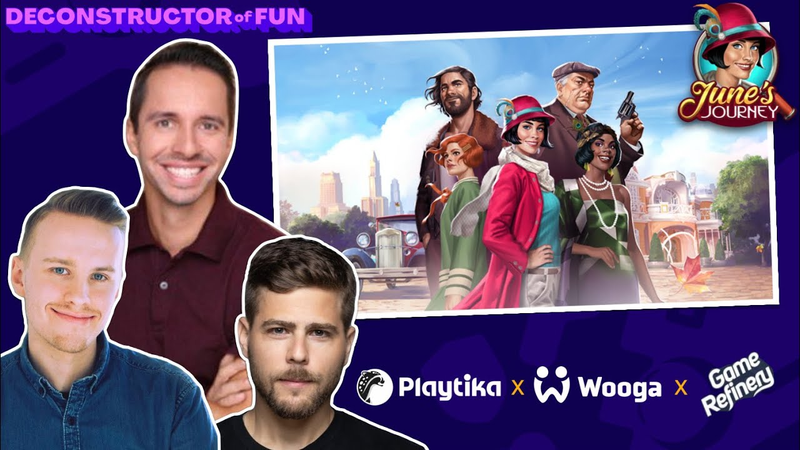
How do Playtika and Wooga nail their Live Ops strategies?
Successful Live Ops strategies in the modern casual gaming market rely on a layered framework that integrates social interaction, engagement mechanics, and data-driven monetization.
- Top-performing casual games now utilize collectible frameworks, such as albums and multi-stage missions, in 75 percent of titles to unify progression and reduce player cognitive overload.
- Successful Live Ops strategies are shifting from large-scale clan structures to intimate, one-on-one partnerships that leverage social accountability and psychological triggers like the prisoner’s dilemma.
- Monetization models have evolved from static purchasing to gamified, effort-based bundles that are dynamically tailored to a player’s specific progression stage.
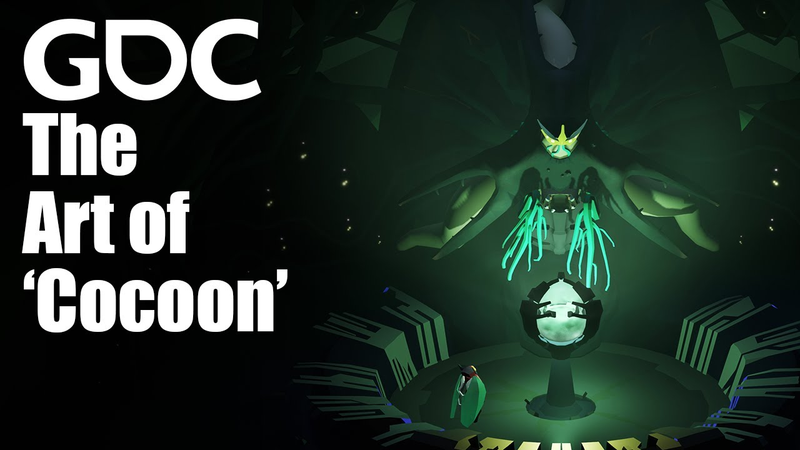
Pondering Orbs: The Rendering and Art Tools of 'COCOON'
The development of COCOON centers on achieving high-fidelity, dynamic visuals through a custom rendering pipeline designed to overcome the constraints of traditional light mapping.
- Geometric Interactive utilized voxel-based lighting for COCOON to avoid complex parameterization and the need for traditional light map UVs.
- The rendering pipeline uses a rasterizer as a ray tracer by treating the perspective camera as a grid of rays sharing a single origin point.
- To optimize performance for the Nintendo Switch, the team used scissor rectangles and depth pre-passes to cull fragments and draw calls for geometry hidden behind orbs.
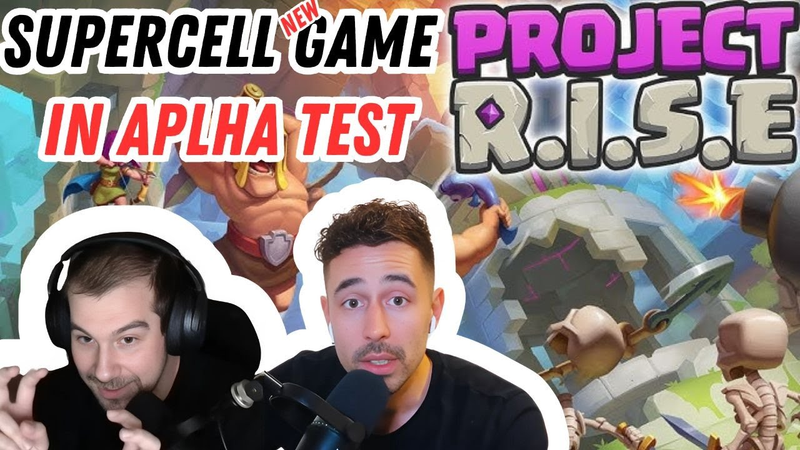
Project R.I.S.E Alpha Test First Look: Gameplay & impressions! What's next for @supercell?
Project R.I.S.E. represents a strategic shift for Supercell as it explores the cooperative PVE roguelite genre.
- Supercell is diversifying its portfolio by developing Project R.I.S.E., a cooperative PVE roguelite built on Unreal Engine that marks a strategic departure from the company's traditional PVP-focused titles.
- The game features a complex meta-progression system centered on the 'Tower Forge,' which utilizes a currency-based economy and gacha-style mechanics for skill upgrades.
- Technical performance is a critical barrier, with alpha testers reporting severe hardware issues including rapid battery depletion and device overheating.
Why Everybody Wants To Make A Game (But Nobody Does)
Game development is characterized as one of the most challenging and high-risk creative endeavors due to its nature as a synthesis of multiple art forms.
- Game development is a high-risk endeavor that requires the simultaneous coordination of narrative, character design, animation, and technical systems, leading to exceptionally high iteration costs.
- The industry functions as a high-stakes gamble where developers must be prepared for the total loss of invested time and capital.
- Budget constraints often force developers to make irreversible creative decisions early in production, limiting the ability to perform full-scale revisions if initial concepts fail.

Why His Game Has Taken 10 Years To Make (Ken Levine) — Full Time Game Dev Podcast Ep. 034
The decade-long development of the title Judas represents a fundamental shift in creative methodology, moving away from traditional production cycles toward a research-heavy, iterative process.
- Ken Levine’s upcoming game, Judas, has been in development for 10 years, reflecting the extreme time and resource investment required for modern high-end game production.
- The 'Narrative Lego' system is a modular design approach that allows developers to create highly personalized, non-linear player experiences by rearranging story elements rather than relying on a strictly linear script.
- Effective game development requires a willingness to kill features that do not serve the core identity of the project, even if the developer initially believes they are essential.
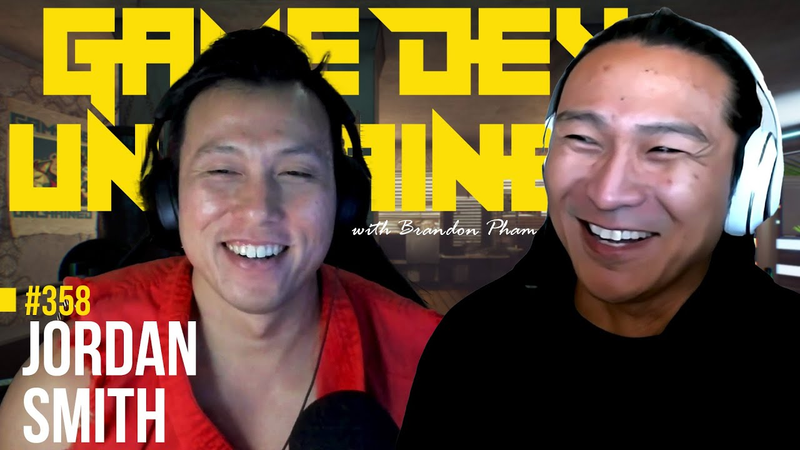
Staying Strong in the Game with Jordan Smith | 358
The contemporary gaming industry is undergoing a profound period of instability, characterized by widespread layoffs and a systemic shift away from the collaborative, high-quality production standards that defined previous console generations.
- The gaming industry is experiencing systemic instability driven by a speculative investment culture that prioritizes short-term trends like AI and crypto over sustainable product development.
- Large corporations are fostering a risk-averse environment by relying on formulaic 'Hollywood-style' sequels and unsustainable financial models, which has led to widespread layoffs and the loss of senior talent.
- A significant disconnect exists between management and creative workforces, exacerbated by a lack of business acumen among founders who often attribute success to luck rather than intentional design.

Let's Review Your Games — Ep. 009
The primary objective of indie game development success lies in the alignment between a project’s core gameplay loop and its public-facing marketing assets.
- Marketability is a critical factor for game success; even a well-designed game will struggle to sell if the Steam page fails to clearly communicate the core hook or gameplay loop to potential players.
- Visual clarity is essential for immediate player understanding; for example, a game about delivering beer should visually represent that theme rather than relying on ambiguous sci-fi aesthetics that confuse the user.
- Effective Steam page copy should be concise and focus on the primary gameplay hooks, such as specific mechanics like hacking, evolving, or procedural generation, rather than using overly long or vague descriptions.

Let's Review Your Games — Ep. 008
Successful indie game development hinges on the ability to communicate a clear, compelling hook to potential players through both marketing materials and core gameplay design.
- A successful indie game requires a clear, compelling hook that is immediately communicated through both marketing materials and core gameplay design.
- Steam pages must categorize the game experience using concise, descriptive language to ensure players immediately understand the title's identity.
- Trailers must prioritize high-energy gameplay within the first five seconds to effectively capture potential player attention.
Watch THIS If You Want To Make Games (And FINISH Them!)
Successful independent game development requires a shift away from the common industry tendency to pursue high-risk, multi-year projects without market validation.
- Treat game development as a traditional business by scaling from small, proven concepts rather than pursuing high-risk, multi-year projects without market validation.
- Prioritize rapid prototyping and iterative testing to identify market potential before committing to full-scale production.
- Avoid over-investing in projects by ensuring a concept is validated and has a clear path to completion before beginning development.
How To Start Making Games (The RIGHT Way)
Successful independent game development relies on the implementation of artificial constraints and a clear understanding of personal objectives rather than chasing industry trends or open-ended development cycles.
- Prevent project bloat and ensure financial viability by implementing strict, self-imposed constraints on budget, time, and development scope.
- Define a clear 'finish line' early in the development cycle to maintain creative momentum and avoid the multi-year cycles that frequently lead to commercial failure.
- Prioritize the developer’s specific creative strengths, such as narrative-driven storytelling, rather than chasing market trends or implementing complex, popular features like procedural generation.

How He Sold 500,000+ Copies Of His Games (Xalavier Nelson Jr.) — Full Time Game Dev Podcast Ep. 033
The modern independent game industry is currently hindered by a pervasive culture of hyper-bloat, where developers and publishers unnecessarily inflate project scopes and budgets in a misguided pursuit of scale.
- Independent studios should reject the industry-wide trend of hyper-bloat, which unnecessarily inflates project scopes and budgets to the detriment of operational efficiency.
- Treating game development as a series of high-stakes, multi-year gambles creates extreme financial vulnerability that threatens both creative autonomy and long-term business viability.
- Adopting artificial constraints on development timelines and budgets transforms game production from an all-or-nothing gamble into a sustainable, professional business model.

Let's Review Your Games — Ep. 007
The primary objective of game development and marketing is the establishment of a clear, high-concept hook that differentiates a title within the crowded Steam marketplace.
- Steam store page success relies heavily on a compelling, high-concept hook in the description and thumbnail, such as framing a character as an 'emo robot' to create immediate emotional intrigue.
- Game UI and menus must match the game's overall visual identity; inconsistent design choices make a product appear cheap and diminish its perceived value.
- Overuse of post-processing effects can negatively impact the player experience by causing visual discomfort, particularly when viewed in full-screen mode.