Game Design reports and market data
Documents
This is Why the Music Stopped - for Music Games
The music game genre, once a dominant force in the video game industry, has struggled to maintain relevance due to prohibitive licensing costs, market oversaturation, and shifting consumer habits.
- The music game genre collapsed rapidly after 2008, when it accounted for 18% of the U.S. video game market, due to the Great Recession and the decline of expensive, bulky plastic peripherals.
- High production costs are driven by complex music licensing, which requires individual negotiations with record labels and publishers rather than centralized licensing bodies.
- Retailers contributed to the genre's decline by reclaiming shelf space previously dedicated to hardware bundles, forcing a shift away from the physical-first model.
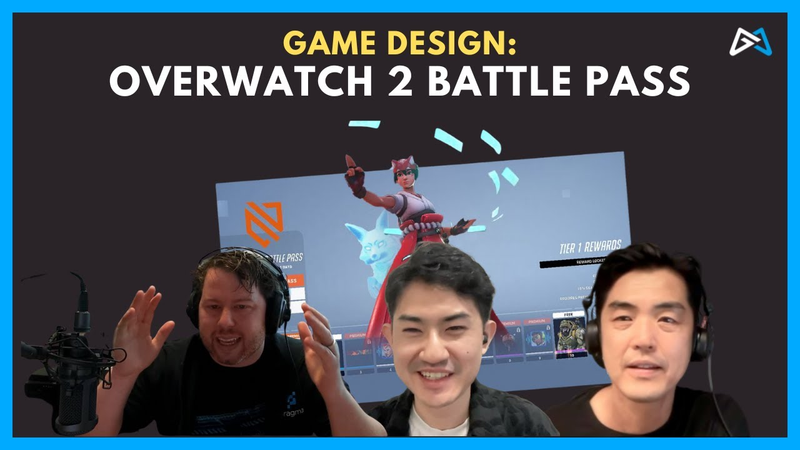
Is the Overwatch 2 Battle Pass Design Broken?
The current battle pass model in competitive shooters like Overwatch 2 faces significant friction due to its rigid, linear progression structure.
- Battle passes are estimated to generate between 30% and 60% of total revenue for modern shooter games.
- Overwatch 2 has surpassed 100 million total users since its October 2022 launch, with an estimated 20 million monthly active users.
- Successful battle pass designs are evolving from static, linear tracks toward page-based systems that offer players more choice in which content to unlock.
How Interactive Should My Game Story Be?
Effective narrative design hinges on aligning interactive elements with core player motivations, such as the desire for self-expression, replayability, or meaningful reactivity.
- Determine the specific goal of interactivity before implementation, focusing on whether it serves player self-expression, shareability, or the desire for the game to acknowledge their unique actions.
- Avoid the 'branching explosion' trap by using structural loops and focused choice points rather than attempting to create an infinitely forking narrative tree, which is difficult to manage and produce.
- Align game design with player expectations by using clear signposting throughout the experience, ensuring players understand the rules and consequences of the narrative systems before they reach the end.
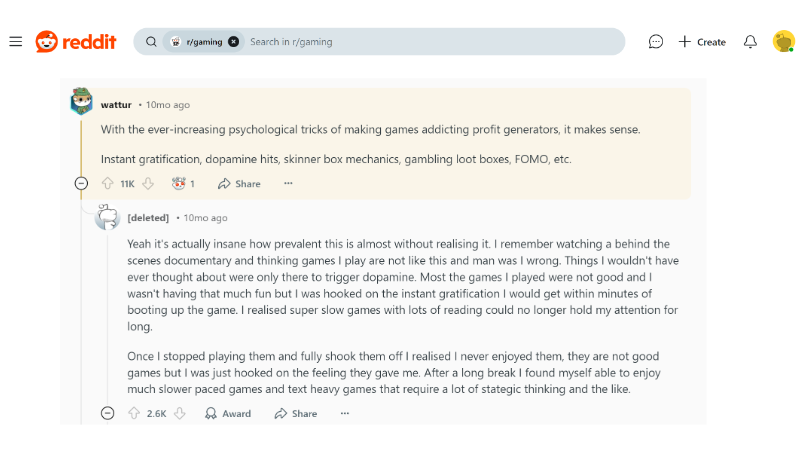
Unlocking Gamer Motivations: Insights from 1.75+ Million Gamers Over a Decade
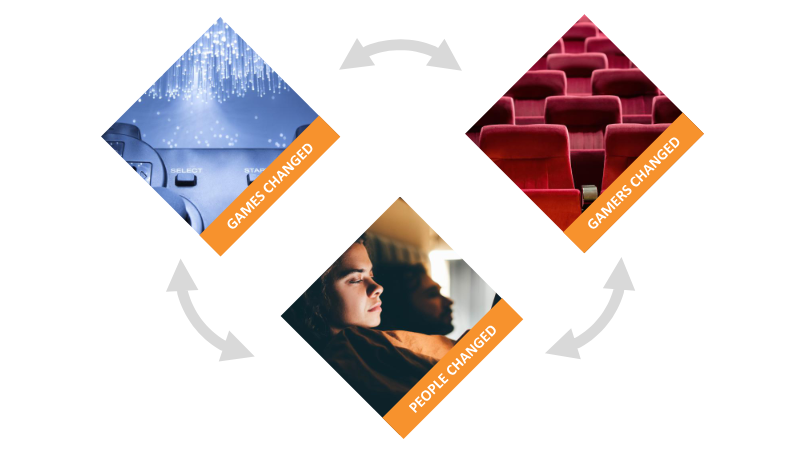
This analysis examines gamer motivations through a decade-long study of over 1.75 million players, utilizing a proprietary model that categorizes gaming drivers into six primary pairs: Action, Social, Mastery, Achievement, Immersion, and Creativity.
- Strategy-based gameplay has experienced a significant, consistent decline in appeal across all demographics, including casual, core, and hardcore segments, over the past decade.
- The decline in strategic interest is driven primarily by new cohorts of gamers entering the market rather than existing players shifting their personal preferences.
- Younger age groups exhibit the most pronounced decrease in interest toward strategic mechanics, indicating a long-term generational shift in gaming expectations.
Is This Seat Taken? Demo analysis
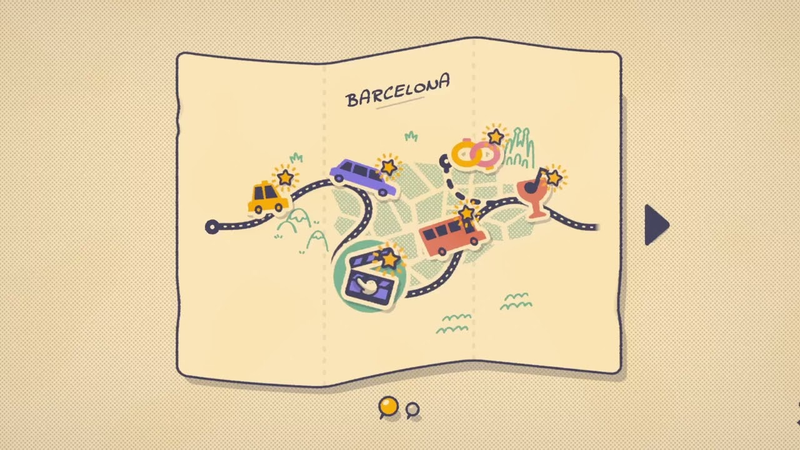
The puzzle game Is This Seat Taken? demonstrates that accessibility and visual cohesion are primary drivers of success for indie titles on Steam.
- Limiting a game's color palette to three or four colors significantly improves visual cohesion and aesthetic quality, especially for developers without professional art backgrounds.
- Puzzle games often struggle on Steam, but 'Is This Seat Taken?' succeeded by prioritizing a highly polished, distinct visual style—using paper and sticker-like aesthetics—over complex, high-difficulty mechanics.
- Casual puzzle games with shorter playtimes (e.g., 45 minutes) can achieve high daily user counts during Steam Next Fest because the demo is accessible and easy to complete, leading to higher turnover compared to long-form 'crafty' building games.
The King Is Watching: Demo Analysis
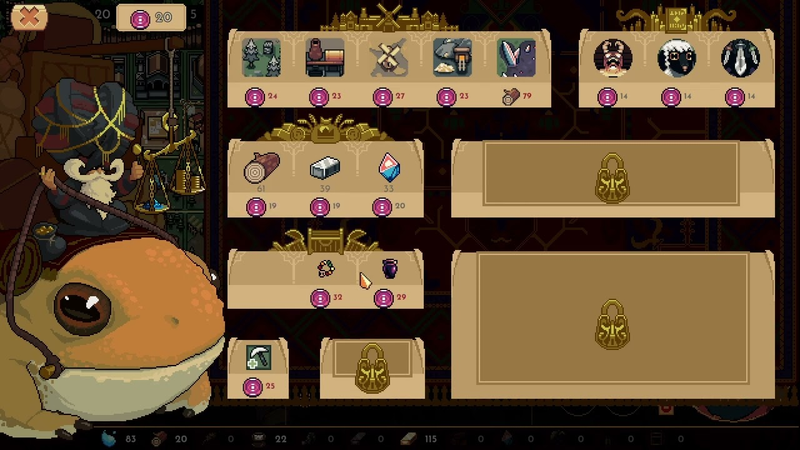
The King is Watching serves as a prime example of the evolving tower defense genre, demonstrating a successful shift toward hybrid mechanics that integrate city-building and resource management.
- The King is Watching achieved significant market traction during Steam Next Fest, reaching nearly 1,000 peak concurrent players and securing a top 15 position on the demo charts.
- The title has generated approximately 70,000 wishlists, demonstrating strong commercial potential driven by a hybrid genre approach that blends tower defense with city-building and roguelike mechanics.
- The core gameplay loop increases player engagement and replayability by restricting resource management to a gaze-limited area, forcing strategic building and unit placement.
He Is Coming: Demo analysis
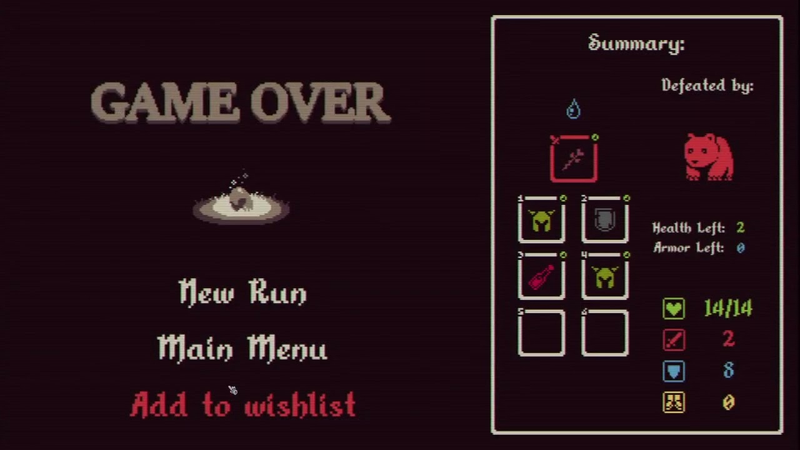
The game He Is Coming, a roguelite adventure title published by Hooded Horse, serves as a case study for successful Steam Next Fest participation.
- Demo design is the primary marketing lever for Steam developers, requiring clear calls to action like wishlist prompts on game-over screens and the use of progressive disclosure to introduce mechanics.
- Steam’s discovery algorithms prioritize games with sustainable, long-term playtime metrics over those that rely solely on high difficulty or linear level progression.
- Procedurally generated content, such as incremental items and stat modifiers, is more efficient for increasing player engagement time than developing traditional, linear levels.
Shotgun Cop Man: demo analysis
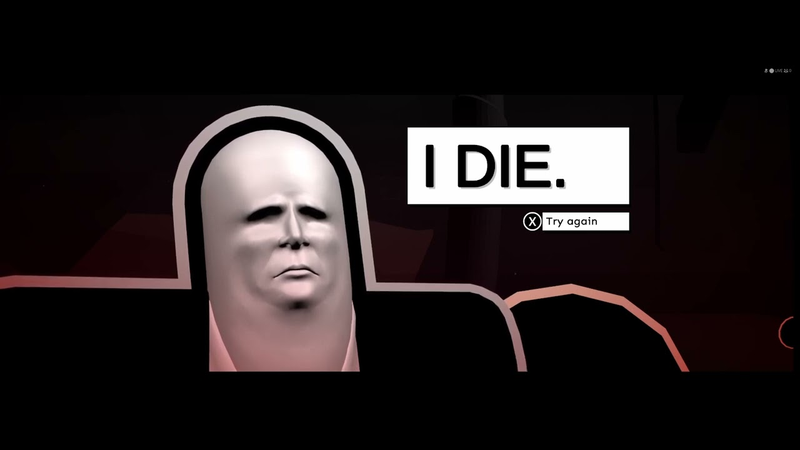
The analysis of the Shotgun Cop Man demo provides insights into effective game marketing and design strategies during Steam Next Fest.
- The platformer genre faces inherent challenges in maintaining high concurrent user counts and leveraging Steam’s discovery algorithms compared to restful genres like strategy or city-building games.
- Despite publisher backing, the Shotgun Cop Man demo struggled to gain traction, peaking at only 34 concurrent users during Steam Next Fest.
- Triggering the Steamworks wishlist overlay directly within the game is more effective for conversion than directing users to external browser links.

I Spent 3 Years Making A Horror Game... Let's Play It!
Twisted Tower represents a three-year independent development effort to create a narrative-driven, first-person shooter that blends whimsical, cartoon-like aesthetics with horror elements.
- Twisted Tower is a 3D horror game inspired by BioShock and 1950s theme park aesthetics, developed over a three-year period by a small team.
- Approximately 90% of the game's assets were created from scratch, with the team specifically avoiding heavy reliance on pre-made asset packs for environmental and character design.
- To increase replayability without using procedural generation, the developers implemented a branching path system that effectively doubled the required level design workload.

Let's Review Your Games — Ep. 014
Successful indie game development requires a strategic balance between technical polish and high-impact marketing.
- A well-executed demo remains a critical tool for wishlist generation, capable of securing tens of thousands of sign-ups prior to a game's launch.
- Trailers must prioritize five seconds of intense, representative action before introducing narrative context to minimize viewer drop-off.
- Steam presence functions as the primary gateway for player acquisition, requiring a clear, compelling hook that immediately communicates value rather than relying on vague thematic descriptions.
How He Sold 1,000,000 Copies Of His Games (Friedemann Allmenröder) — Full Time Game Dev Podcast 038
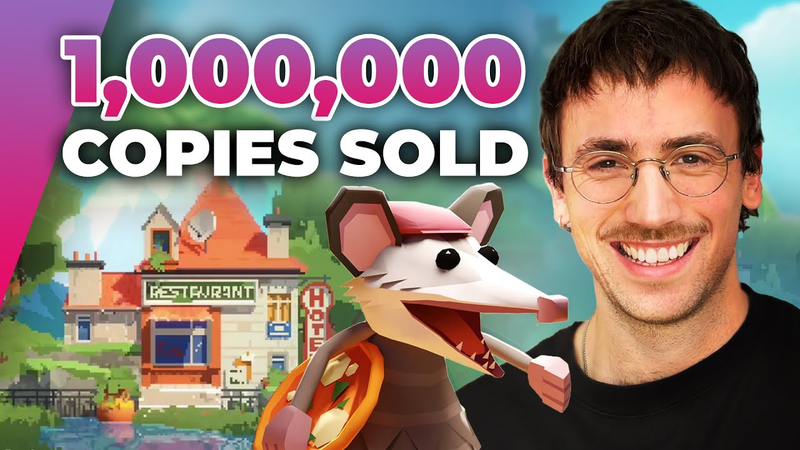
Successful game development requires a strategic synthesis of creative exploration and disciplined execution.
- Commercial success requires balancing external player feedback with internal design integrity, where developers act as the final arbiters to ensure solutions align with the game's core artistic vision.
- Adopting a subtractive design philosophy—consolidating complex systems into elegant, accessible mechanics—is essential to avoid feature bloat and create a cohesive player experience.
- Building a dedicated audience acts as a critical buffer against industry volatility, such as market oversaturation and shifting distribution models, to maintain long-term visibility.
The Future of AI Unscripted Entertainment
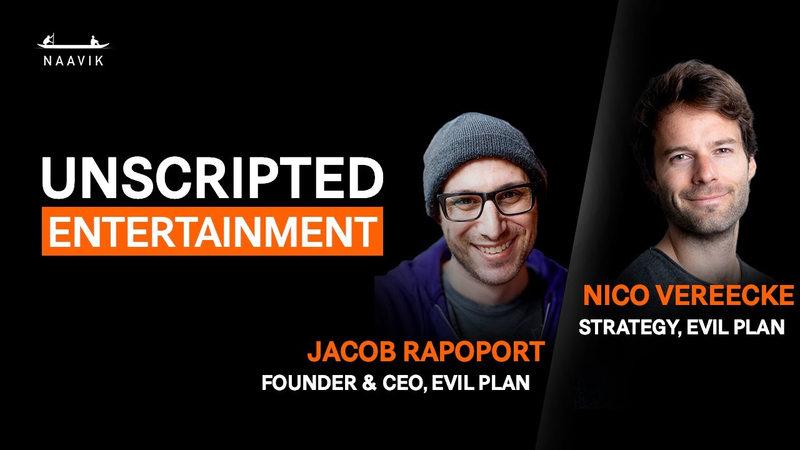
The emergence of AI-native entertainment platforms represents a fundamental shift in how digital narratives are produced, consumed, and monetized.
- Evil Plan is developing an AI-native platform for unscripted, interactive entertainment that allows community influence to drive narrative outcomes in real-time.
- The company aims to solve the 'cost problem' and 'manpower problem' in entertainment, where high production costs and human resource limitations currently restrict the development of new intellectual property.
- The platform seeks to combine the unpredictability of sports, the emergent narrative structures of reality television, and the interactivity of gaming to create perpetual, AI-driven story worlds.