AR reports and market data
Documents
Using AI to Create Interactive Digital Actors
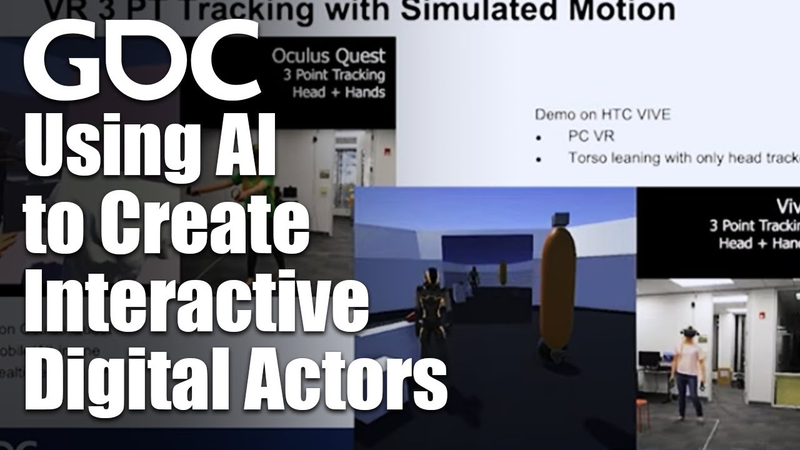
Physics-based simulation and reinforcement learning are transforming the creation of interactive digital actors, shifting the industry away from labor-intensive, static keyframe animation.
- Physics-based simulation and reinforcement learning are replacing manual keyframe animation with dynamic, autonomous character movement.
- The development time for sophisticated character behaviors is reduced from months to days by automating physical constraints and muscle control through machine learning.
- Robotics-based balancing algorithms and muscle models allow digital avatars to maintain posture and navigate environments using as few as three points of sensor data.

How Film, Games & Social Media are Merging Using AR PG Connects Digital #2
The convergence of film, gaming, and social media is being driven by the rapid advancement of augmented reality (AR) and real-time rendering technologies.
- The convergence of film, gaming, and social media is driven by the adoption of shared real-time rendering tools like Unreal Engine and Unity, which enable high-fidelity interactive experiences across all three sectors.
- Virtual production is replacing traditional green-screen workflows by using LED walls and real-time ray tracing to allow filmmakers to manipulate environments instantaneously.
- The democratization of mobile computing power has enabled social media users to create professional-grade visual effects, while digital twins provide the high-resolution scanning necessary to bridge physical and virtual worlds.
Designing Engaging VR & AR Games PG Connects Digital #2
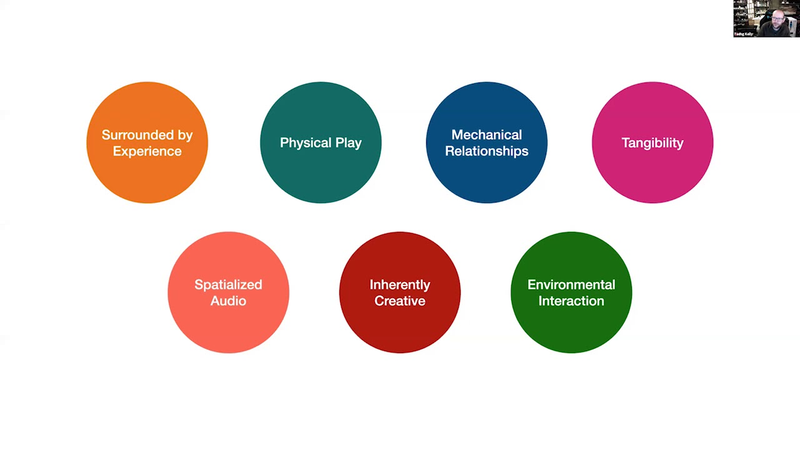
Spatial computing, encompassing virtual, augmented, and mixed reality, represents a transformative shift in game design that prioritizes physical interaction and environmental awareness over traditional screen-based mechanics.
- Successful spatial computing design requires creating bespoke, tactile interactions rather than porting traditional screen-based game mechanics.
- Developers must prioritize user comfort by implementing mitigation strategies for motion sickness, such as short-hop teleportation, dynamic blinders, and cockpit-style anchoring.
- The lack of a standardized input method remains the primary barrier to mainstream adoption, necessitating a focus on intuitive, arm-based controls and clear spatial anchoring.
Creating Dr. Grordbort's Invaders for Magic Leap One
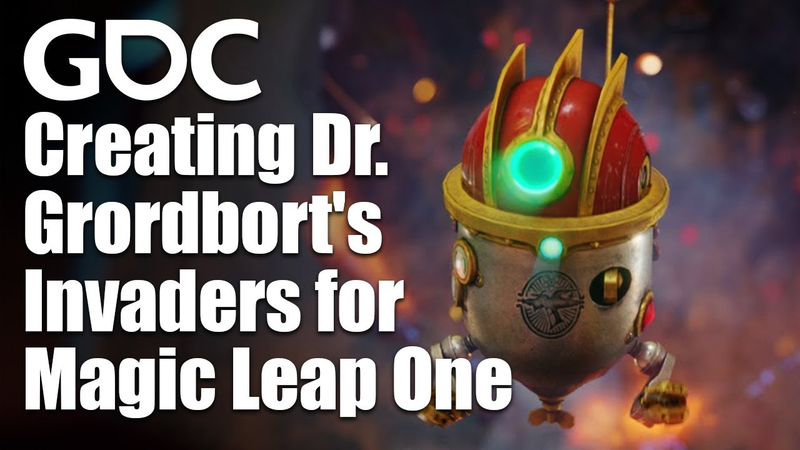
Dr. Grordbort’s Invaders serves as a foundational case study for spatial computing, illustrating how developers can leverage mixed reality to create immersive, systemic experiences on the Magic Leap One.
- To prevent immersion-breaking object interpenetration, implement a 'smoosh' physics system where virtual objects bounce and react physically when colliding with one another.
- Design for physical comfort by limiting intense gameplay sessions to 2–5 minutes, using a 'home base' hub to allow players to take breaks and manage fatigue.
- Use a priority-based visual system, such as subtle screen-edge 'glints,' to guide player attention toward critical objectives without overwhelming the field of view.
ILMxLAB: Pioneering Immersive Entertainment
Immersive entertainment is undergoing a fundamental transformation, moving away from isolated virtual reality experiences toward a model of persistent, interconnected digital worlds.
- Location-based VR experiences can serve as a primary retail anchor, as evidenced by a Westfield London location where 71.6% of visitors reported the VR attraction was their sole reason for visiting the mall.
- The future of immersive entertainment lies in a multi-platform ecosystem where a single identity and narrative persist across devices, ranging from mobile AR and tablet-based crafting to console gaming and full-immersion VR.
- Hyper-reality experiences like 'The Void' successfully leverage untethered headsets, motion capture, and multi-user networking to create social environments where strangers often leave feeling like close friends.

Using Virtual Shops to Increase Real-life Sales During Social Distancing & Unrest PGCD#2
The presentation explores the integration of gaming technology and virtual reality to bridge the gap between consumer engagement and retail sales, particularly in the context of social distancing and restricted physical shopping.
- The ViRSE platform utilizes 3D modeling and game-engine assets to create virtual marketplaces where consumers can visualize and interact with products before purchase.
- By providing immersive previews of furniture and home decor, the platform aims to increase consumer confidence and reduce product return rates.
- The technology supports collaborative shopping by allowing users to invite others into a virtual habitat to curate spaces and make design decisions together.
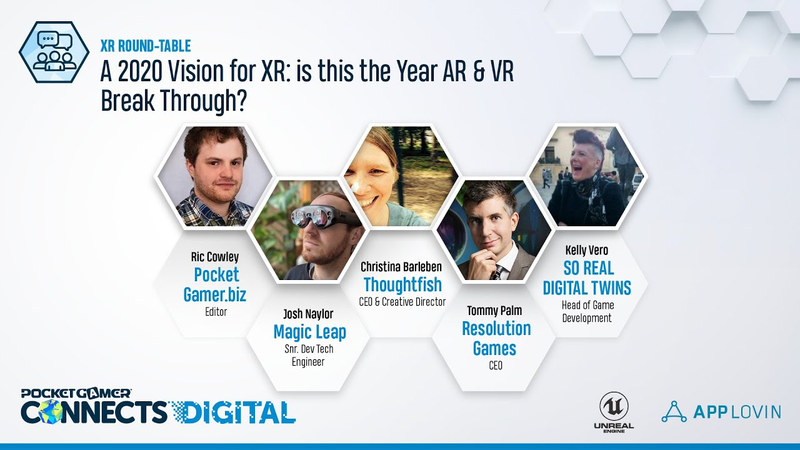
A 2020 Vision for XR: is this the Year AR & VR Break Through? | PGC Digital #1
The year 2019 marked a critical transition for extended reality, moving the industry away from low-end mobile VR toward high-quality, standalone hardware like the Oculus Quest.
- The industry is shifting from short-form mini-games toward deep, persistent, and social multiplayer experiences, which experts identify as the primary catalyst for mass adoption.
- The transition from low-end mobile VR to high-quality standalone hardware like the Oculus Quest has successfully expanded the user base beyond early adopters to include families and casual players.
- The COVID-19 pandemic has accelerated demand for immersive digital solutions in remote collaboration and cultural archiving, while driving record engagement for high-fidelity titles like Half-Life: Alyx.

AR Game Design 101 | PGC Digital #1
Augmented Reality (AR) game design requires a shift in perspective from traditional screen-based development to a model that integrates digital assets into the physical world.
- Successful AR design requires integrating digital assets into the physical environment through environmental awareness, specifically by matching ground planes, lighting, and shadows to the real world.
- To prevent physical fatigue from holding devices at arm's length, AR sessions should be limited to short bursts of 30 seconds to two minutes, followed by resting periods using traditional screen-space interfaces.
- Designers must prioritize situational awareness and social context to ensure gameplay does not cause physical danger or social stress in public environments.

CoVID 19 Updates, Magic Leap Scam, Stadia, VR, PS5, Valorant CS GO | Game Dev Unchained Episode 223
The global game industry is currently navigating a period of significant transition, characterized by the normalization of remote work environments and a critical re-evaluation of high-profile technological ventures.
- The industry is shifting away from speculative, hype-driven hardware models toward sustainable, content-led growth, as evidenced by Magic Leap’s failure to meet consumer expectations and its subsequent pivot to enterprise applications.
- High-quality, first-party exclusive content is now the primary driver for platform adoption, superseding artificial marketing hype in securing long-term consumer engagement.
- Virtual reality is reaching a maturation point, with titles like Half-Life: Alyx successfully driving hardware adoption for platforms such as the Valve Index and Oculus Quest.
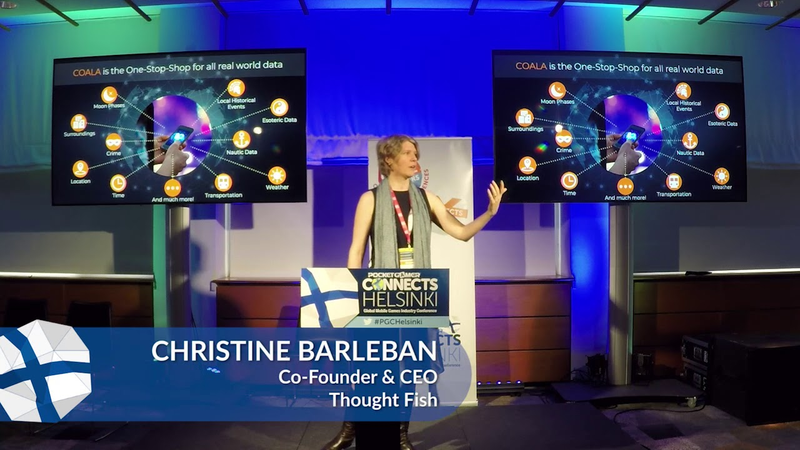
The Nuts and Bolts of Real World AR Gaming
Real-world augmented reality (AR) is emerging as a powerful genre in mobile gaming, serving as a significant driver for user retention and session frequency.
- Integrating real-world data into AR games can increase daily user sessions by 30%.
- Titles utilizing location-based features, such as The Walking Dead: Our World, have achieved day-seven retention rates 54% higher than the top 50 US game average.
- AR should be redefined as a tool for digital products to react to environmental context, such as using weather or moon phases to influence game mechanics, rather than simple camera-based overlays.
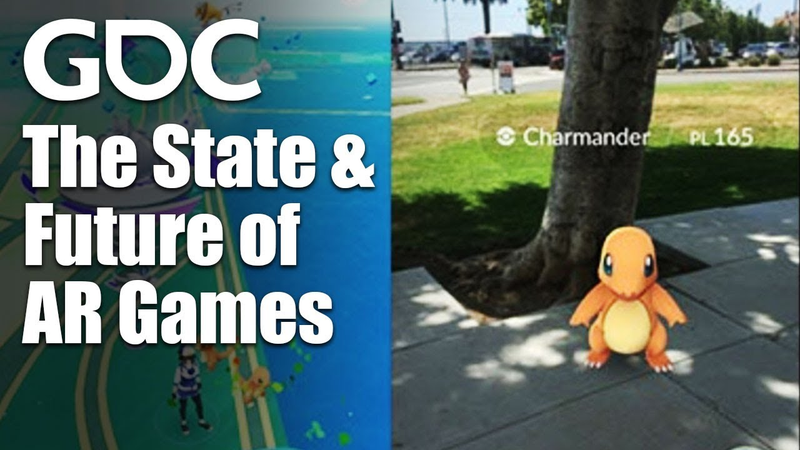
The State & Future of AR Games: Rose-Colored Glasses
Augmented reality gaming is evolving from simple, viewfinder-based holographic overlays into a sophisticated, persistent layer of digital information integrated directly into the physical world.
- The industry is shifting from simple holographic overlays to a persistent, synchronized digital layer where multiple users interact with the same virtual objects anchored to specific geographic locations.
- Technical viability relies on the development of centimeter-accurate, machine-readable maps created through crowd-sourced data and deep learning techniques like real-time scene segmentation.
- Advancements in depth estimation and occlusion are critical for enabling digital objects to interact realistically with physical environments.
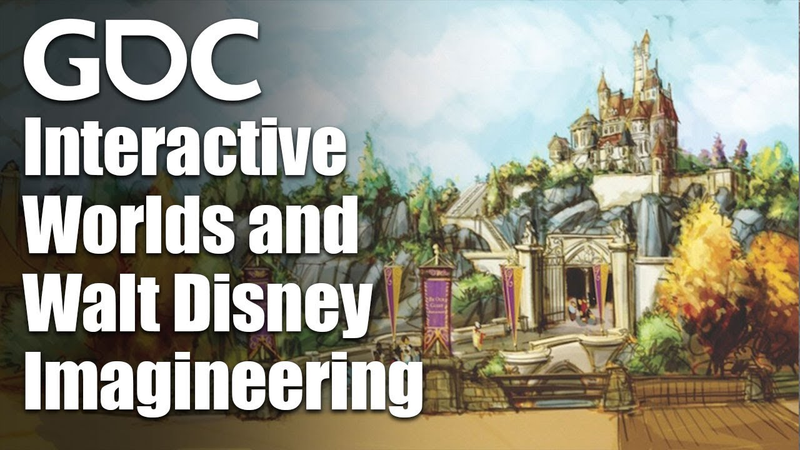
Playing with Magic: Interactive Worlds and Walt Disney Imagineering
The evolution of theme park design centers on transitioning guests from passive observers to active protagonists within immersive, narrative-driven environments.
- Theme park design is shifting from passive observation to active participation, where guests function as protagonists who influence the narrative through purposeful interactions.
- The 'magic circle' framework is utilized to define physical and narrative boundaries, granting guests the agency to shape their environment and drive the story forward.
- Designers integrate game mechanics, responsive environments, and bespoke hardware to transform attractions into interactive interfaces that react to guest actions.