AI reports and market data
Documents

Panel: Supercharging Development – How AI Tools Can Augment Everyone.
Artificial intelligence is poised to fundamentally transform game development over the next five years, primarily by enhancing non-player character behavior, procedural content generation, and data-driven analytics.
- AI is projected to fundamentally transform game development over the next five years by enhancing NPC behavior, procedural content generation, and data-driven analytics.
- Integration of AI tools requires a shift toward rigorous software engineering practices, specifically the implementation of robust continuous integration pipelines and automated code quality management.
- AI acts as an augmentative tool that enables smaller teams to achieve greater scale and hyper-personalization by automating repetitive technical tasks and bug detection.
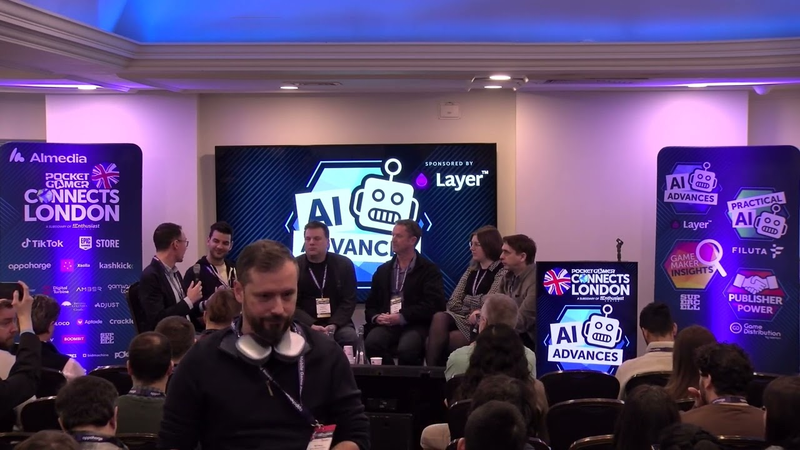
Panel: Hype Or A Real Force For Games – Where Are We With AI In 2025?
Artificial intelligence represents a fundamental, transformative shift for the global gaming industry in 2025, moving beyond mere hype to become a core driver of production efficiency and innovation.
- Approximately 30% of the gaming industry has integrated AI into production workflows as of 2025, creating a significant competitive divide between early adopters and those at risk of obsolescence.
- AI implementation is currently driving up to a fivefold increase in asset creation efficiency, primarily focusing on accelerating development timelines rather than workforce reduction.
- The industry is transitioning from simple task automation to using AI for the creation of entirely new game genres and dynamic, conversational non-player characters.

Cloud Creations: Scaling up Game Dev
Cloud computing serves as the foundational architecture for modern game development, enabling studios to offload complex backend operations and focus resources on creative innovation.
- Cloud-native architectures enable the development of persistent, physics-driven worlds capable of supporting massive player bases of up to 100 million users per title.
- Transitioning to cloud infrastructure allows studios to dynamically scale server resources based on real-time demand, which reduces production costs and accelerates time-to-market.
- Cloud-based AI is increasingly used to automate repetitive development tasks like rigging and procedural generation, allowing teams to focus resources on human-centric artistry and complex gameplay mechanics.

Session: App Store Optimization For Games With PressPlay's Autonomous Agents. Moritz Daan, Phiture.
App Store Optimization (ASO) for mobile games is undergoing a paradigm shift through the integration of autonomous AI agents.
- Autonomous AI agents are replacing manual ASO testing by continuously iterating on store assets like icons, screenshots, and descriptions to maximize conversion rates.
- Pilot programs using this automated framework have successfully launched hundreds of experiments within weeks, resulting in measurable increases in projected installs and conversion rates.
- To ensure statistically significant results, the current industry standard for implementing these autonomous systems is a minimum of 100,000 monthly installs per game title.

Why AI in Gaming has FLOPPED!
The gaming industry is currently failing to leverage artificial intelligence as a transformative force, marking a departure from its historical role as a pioneer of emerging technologies.
- The gaming industry has failed to leverage AI as a transformative force, relegating it to superficial tasks like marketing asset generation and basic level layouts rather than pioneering new gameplay mechanics.
- There is currently no 'AI-first' gaming experience on the market, as current implementations are viewed as tactical optimizations rather than fundamental shifts in game design.
- Venture capital investment in the gaming sector has reached historic lows, indicating that AI has failed to catalyze a new wave of industry growth or attract significant capital.
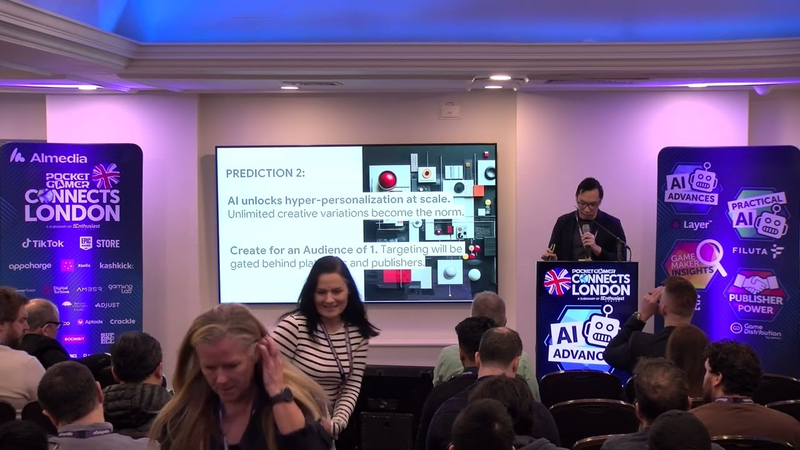
Session: AI x UA – Redefining Creative Strategy For The Next Decade - Robert Huynh, Reforged Labs
The integration of artificial intelligence into user acquisition (UA) and creative strategy represents a fundamental shift in the mobile gaming industry.
- AI agents are evolving from simple conversational chatbots into autonomous systems capable of executing complex marketing tasks, such as generating high-volume creative variations and analyzing performance data.
- Generative AI is not replacing human artists but is instead serving as a critical tool for rapid prototyping, storyboarding, and conceptualizing new game marketing assets.
- Reforged Labs utilizes a proprietary tagging system for video game ads that categorizes sentiment, narrative structures, and emotional hooks to train AI models on what makes specific creatives effective.
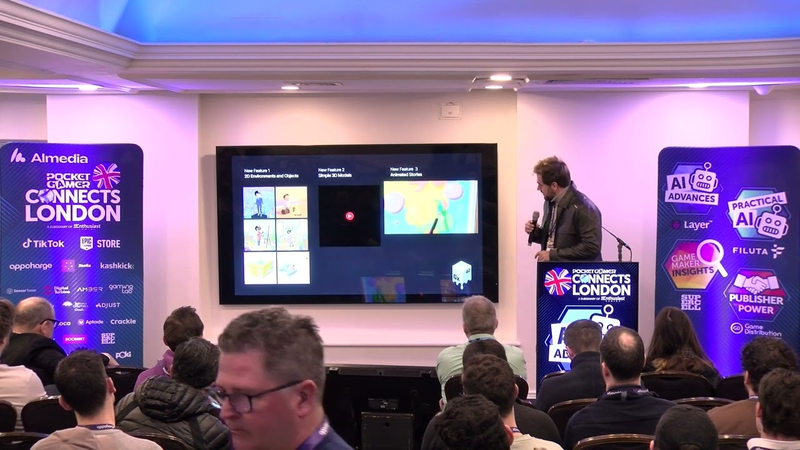
Session: AI Production for Game Studios – How it's Going And What To Expect In 2025.
The current landscape of game development is undergoing a fundamental shift as generative AI transitions from a novel competitive advantage to an operational necessity.
- Generative AI is shifting from a competitive advantage to an operational necessity, with studios focusing on integrating AI into 2D, 3D, video, and audio production pipelines.
- Enterprise adoption is currently hindered by a lack of security compliance, the rapid pace of model innovation, and the difficulty of integrating AI tools with standard engines like Unity, Unreal, and Blender.
- Studios require enterprise-grade security standards, specifically ISO 27001 and SOC 2 certifications, alongside audit trails and copyright-safe environments to scale AI operations.
Curated Panel: Leveraging Player & AI-Powered Business Insights – Unlocking Value For Hybrid.......
Hybrid monetization strategies are increasingly centered on the integration of non-intrusive, native advertising formats that preserve player engagement while driving revenue.
- Hybrid monetization—combining in-app purchases (IAP) and advertising—is increasingly essential for developers to maximize revenue, as simply adding more ad placements often degrades player retention rather than increasing income.
- NOXGAMES successfully utilized AdInMo’s in-game advertising platform to cross-promote their high-value titles within their casual sports games, effectively leveraging shared themes to drive installs for harder-to-market games.
- Strategic ad placement requires rigorous A/B testing on new installs to ensure that monetization efforts do not negatively impact player retention or user experience.
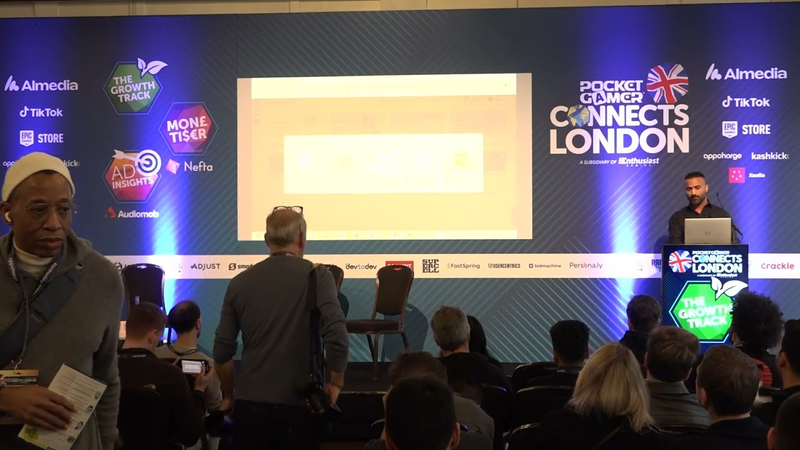
Session: AI Video Ads – Built 90% Faster & 80% Cheaper - Athar Zia, BLKbox
The integration of artificial intelligence into performance marketing is fundamentally shifting the creative landscape, enabling teams to produce video advertisements with significantly higher efficiency.
- AI-powered creative platforms can accelerate video ad production by 90% and reduce costs by 80% compared to traditional manual workflows.
- Modern UA strategy has shifted from a primary focus on bidding, budgeting, and targeting to a creative-first approach where identifying winning ad concepts is the key driver of profitability.
- The BLKbox platform utilizes five core pillars—analyze, ideate, create, test, and scale—to automate the generation of video ads by extracting the 'DNA' of successful competitor creative.

TWIG #317: Big Dream, Bigger Battlefield, and the Biggest Roblox M&A deal EVER
The gaming industry is currently navigating a period of significant structural recalibration, marked by a shift away from speculative metaverse narratives toward more pragmatic, platform-specific growth strategies.
- The gaming industry is pivoting from speculative metaverse narratives toward pragmatic growth within established ecosystems like Roblox and Epic Games.
- Roblox faces significant financial challenges, specifically low monetization per user and persistent unprofitability when accounting for stock-based compensation.
- Dream Games is seeking a $5 billion valuation, reflecting a broader industry tension between high private valuations and the diminishing availability of lucrative exit opportunities.

The Story of Crunchyroll, GGWP, and Forge
The evolution of digital media and gaming infrastructure is defined by a shift toward community-centric engagement and the professionalization of niche content.
- Developers are shifting toward direct-to-player infrastructure to bypass platform-controlled 'walled gardens' and own their community relationships.
- AI-driven moderation tools are replacing manual reporting systems to address toxic player behavior and foster healthier digital environments.
- Studios are utilizing no-code, self-serve platforms to implement loyalty programs and quest systems that drive player retention and discovery outside of the game client.
Finding Success with AI Agents and Content Creators
The integration of user-generated content and artificial intelligence represents a fundamental shift in how developers approach player engagement and studio sustainability.
- Gaining player attention is the primary challenge in modern game development, as the ease of creating games with tools like Unity, Unreal, and AI has led to tens of thousands of annual releases.
- Successful viral games often require a 'content-first' approach where developers prioritize core gameplay and fun before layering in complex systems like User Generated Content (UGC).
- For most traditional game studios, attempting to build a platform-style UGC model is financially risky, as it requires massive technical investment and long payback periods that many companies cannot sustain.