Transcript
[Music] welcome to the novic gaming podcast where it is our mission to explore the business and future of video games we bring together the industry's brightest Builders investors and thinkers to keep a pulse on current events dissect emerging Trends and games share Lessons Learned and have a great time this podcast is also part of novic growing ecosystem which ranges from free and premium research to Consulting and AD advisory services for more information visit [Music] www.nic.edu means either building complex infrastructure yourself or choosing among Legacy providers who's inexperienced in games or questionable
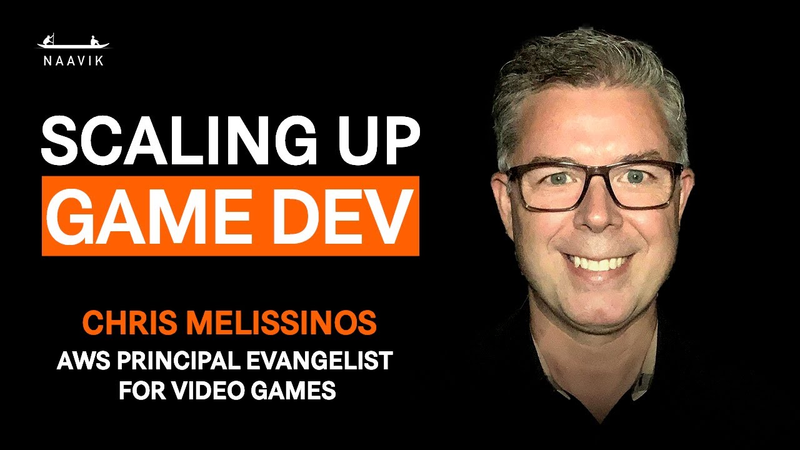
reputations pose real risk to your business luckily there's neon the dtoc platform built for games as a merchant of record with customizable web shops optimized for conversion and modern apis that let you use your existing liveops tools neon is trusted by some of the biggest names in gaming to help you sell direct without the typical overhead to start selling direct and finally take control over your full player experience simp L head to Neon pay.com or check out the link in the show notes and with that let's jump into the episode hello everyone I'm your host Devon Becker and today I'm delighted to be joined by Chris melinos Amazon web services principal evangelist for video games adabs provides a suite of cloud-based tools and services for game devs to build run and scale out and grow their games with all kinds of features like multiplayer server hosting backend infrastructure analytics AI stuff as well now and we'll definitely get into that but today we're going to explore
the ways that cloud-based Services specifically could benefit games uh game development all that stuff so uh what don't we take it away here with uh with You Chris just could could you quickly go over your background the origin of like aws's specific involvement in games and what they do for games today sure hey Devon thank you so much for having me on the program super excited to talk now on camera and you know recording instead of just the you know the hour plus that we spent the other day just going oh yeah Games People Games people so so yeah look my name is Chris melinos I'm the principal evangelist for video games here at AWS um I've been in the games industry uh directly for about 25 years I started my career focusing on Java actually game development and Technology development at Sun Microsystems where I was the chief gaming officer and we founded sites like Java gaming.org which became the largest um web repository and and form for game development um and of course you know
we've seen games like worm online and Minecraft and RuneScape right and and of course the you know millions of mobile games that that came out all running in Javin so it was really a ton of fun to kind of help build that technology start that Community um I left the company in 2010 did some kind of Consulting work and um then went off to do a bunch of other crazy things including uh building the art of video games exhibition for the Smithsonian American Art Museum so this was the very first art exhibition that the museum had done here in the United States and it was a 40-year retrospective on the impact of video games on American culture and Technology development and all these great things and it was awesome to to have that out there um I then and we wrote a book we did all kinds of Tours and crazy stuff ton of fun um and then I was over at Verizon I spent seven and a half years there helping the lead media and entertainment strategy and then you know when covid hit had some friends over here at AWS that said you're doing a whole variety of things over there you know uh including things like Robotics
and you know virtualized power plants all this kind of crazy stuff what about uh getting back directly into games and game Tech so I applied over here and was able to join uh awesome colleagues and amazing Builders and video game fans here at uh at AWS I've been here four and a half years and again my current remit is as the principal evangelist what that really means is connecting the culture and the importance of video games to the Technologies and services that we develop run and you know uh bring together our partners uh to create opportunities for game developers to build run and grow breakthrough gaming experiences on AWS so I get to engage with the industry I get to help bring the culture inside and I get to represent game developers the voice of the developer inside the company to make sure that what we deliver you is what you need to get your games out there that's it awesome a very two three
minute nutshell right right the condensed version there you go well so I mean I I know AWS does a lot of stuff in general but also a lot of stuff for games so I I'm really curious about like what about what Amazon does excites you I mean obviously you came over there you were excited you're evangelizing and usually that means you're excited about something specifically what you guys can do for game developers what excites you about that well you know I mean there's a whole variety of things that's a really big question right so if we kind of pair it down what excited me most about joining the company was understanding that the again the tools technology services and partners that AWS has can really positively impact the way we get games out to the world how game developers can reach a global audience and do it securely do it reliably do it performant you know now you know sometimes when we talk to the industry you know people like AWS like what do you really do in video games well a has
actually been focused for more than 16 years right uh on video games the games industry um some of the biggest games in the world right use AWS like fortnite and Roblox and and and League of Legends um and then when you take a look at the the partners that bring in their expertise from particular tools and Technologies we have over 300 Partners you know game Partners right which offer really a very Broad and deep set of purpose-built services pre-built Solutions right for everything from cloud game development content creation game back end and infrastructure monetization like all of those things in addition to AWS when we talk about Amazon overall we have Amazon game studios which announced they're doing the newest Tomb Raider game and doing uh the uh Lord of the Rings game um we have Prime gaming so if you happen to be an Amazon Prime subscriber did you know you can get free games every month by going to Prime gaming right so and we
sell you know product the storefront to go ahead and download those games not to mention twitch which we also own and so you know video games are spread across the company um in terms of the Technologies and and and things that we bring to Market so we're we're all in on games it's it's pretty awesome right um but when I think about the opportunity for game developers it's how do we remove the undifferentiated the the core but un differentiated things that are required to bring a game to Market so let's break it down last year alone more than 18,000 games made it made its way into the steam uh Marketplace massive amount of competition not just from uh other game developers but also we are constantly competing for share of time against you know Tik Tok and and different social media platforms and and video streaming right so video games kind of fits there so not only do game
developers have to compete with other games they're also competing with this slice of time across all these different devices that a uh a consumer may choose to spend their time in um then you look at the cost of game development right we've seen that in game industry news um where you know the cost of some of these games can spiral out of control at the highest end so how do we go ahead and let game developers just focus on building a great game not have to spend the time and additional money to either learn or or build some of again the core Technologies underneath that they'll need how do we help them kind of get that um that bit of the work out of the way so they can just focus on making a better game and then lastly is how do you then Deploy on the technologies that you used to develop those games and scale to meet a massive audience globally right so when I was originally looking at this I said man that is an incredible way to um help kind of
commoditize some of these uh of that process democratize information around that let developers just focus on making the best game they can make and we as your partner can help you scale that to meet demand around the world that's what made me super excited to join the company well awesome I it definitely sounds like you're excited which is awesome perfect but you know especially for the listeners I I do want to listen to someone reading out of a a textbook here for sure um and I think you kind of answer my next question a little bit in what you just said which is around like what is the real benefit for this stuff to be Cloud hosted as opposed to you know like you could obviously be providing you know what Docker image people could be you know doing I think there's lots of ways people can deploy these different kinds of tools and like you know self-hosted or just typical server providers things like that as opposed to the cloud infrastructure the sort of deploying in the cloud and stuff that that AWS is known for what's like the main benefit why would people absolutely want to gravitate towards that as opposed to just these other
Solutions well I think you know again it really depends depends on what kind of game you're building it depends on you know your your expertise or technical depth in using these things right but um what we're trying to do is to allow developers to not have to become experts in some of the kind of the the core infrastructure that sits underneath their game to be able to operate their game and what that does is that frees up the design time it frees up development of features right taking that same time that currency that is now available Back To You Right Time definitely has direct currency um and allows you to just go in and focus on making a better game I always kind of simplify by saying look my best friends make art right for a living that's what they do and they and the success of that allows them to pay their employees and feed their Studio feed their families and continue making more art so the way I think about it and it really comes from this perspective is how do we make it easier for them to
make more art make it reliable so more and more people can experience that art and give them a Runway to continue making more art that is really the Crux of of what we do and how we do that right there are three again key um reasons why people choose AWS to run their games right so once again accelerate game development like I mentioned more than 300 different game Partners um with these broad Solutions so you don't have to try to figure those out we have partners that can help you second was that you can launch and run your game confidently right launch day really really matters right and we all know we've seen this before right a failure on day one right can just kind of catch the that wave of sentiment and be catastrophic for a game so with more than 16 years of experience in helping game companies launch globally um again like I said some of the biggest game like fortnite Roblox League um 750 million Gamers worldwide play games every month month on Technologies and
and services built right by AWS and then third piece is how do you grow and engage player communities on a global scale right because games are no longer encapsulated to one particular platform or one particular region it is a global art form it is a global community so you need to be able to scale and manage at a global level and so that's where we really lean in and that's why game developers like uh developing and and again building running and growing their games on AWS nice I mean and that's kind of broad Strokes to some extent right so I guess the the question I would have like as a followup to that is is what do you think are the biggest Challengers game developers have right now in terms of what they're dealing with and what you guys can do to help solve that what is that like all that stuff you know it's great big things but like what are the specific things that you're actually like the obvious stuff like oh God yeah I definitely need that because I have these key problems sure all right so we talked we we spoke really about the three big things they're facing right
now massive competition very expensive to make games and finding an audience and being able to scale to meet them so let's talk about a uh solution that speaks directly to a key part of this so we have an offering called Amazon gamelift and gamelift is really designed for instance-based games and the the core technology what allows you to do is just spin up the servers that your players demand as needed globally so rather than you trying to figure out okay which you know uh raw compute do I have to go ahead and and basically overbuild for or buy and maybe keep idle and pay for that in different regions if you get that scaling uh incorrect it can be catastrophic from a financial perspective from a player Perspective game lift observes where people are requesting to play the game it finds the server that is closest to the group that is going to play lowest ping highest performance spins it up your players just play and environment and then as
soon as they're done the server shuts down so you're you're getting to select the best server within our infrastructure closest to them for the best experience and you're only paying for what the players use which is incredible so it really almost kind of becomes this pseudo custom you know server infrastructure for yourself that can spin those servers up and bring them down and again maximize um you know the uh the enjoyment for your players while minimizing the cost that you have to consume and then there are other Technologies around that so one of the things that used to be only available within Amazon gamelift is another um service we have called Flex match we which we have now enabled for people to use even outside of gamelift so Flex match right enables you to match and connect up to 200 players in a single game session based on your custom matching rules that you define right so you can choose to match People based on I know skill uh latency or any you know
custom criteria that that you want but it's simple but it has a very powerful rules language really makes it easy to create robust player matchmaking which we all know the communities nowadays like that's the lifeblood of online live Ops based games right um we offer things like container support so if you want to go ahead and actually run your game inside of a container um and then have multiple containers operating your games that are distributed globally you can do that too um we also using things like AWS Shield help to safeguard those servers from Network and transport layer like distributed denial of service attacks right so we've seen companies like frag laab uh gungho Behavior which did uh dead by daylight and had 50 million players on gamelift right um playing in their game a fat shark which did Warhammer 40K dark tide and we just announced the other day that we hit a 100 million
players supporting 100 million players for a single game so we're talking so what we're doing is we're taking the expertise that we have in that kind of global skilled infrastructure and our passion around video games the understanding of what game developers need and creating a service layer on top of it that kind of abstracts that Hardware layer from you so you can just focus on building a great game maximizing you know the performance for your players and minimizing cost it's pretty awesome yeah I mean it sounds like definitely stuff that I think people have to kind of wrap their heads around a little bit and see where it makes sense for them especially you know even stuff like the matchmaking rules and I'm I'm kind of curious if like you guys provide some level of expertise of like best practices and things like that for those because a lot of people are often new into that space right and there's there's not necessarily like easy stuff that can always copy and paste people even will do try and do things like ELO and things like that but it's not you know always obvious but I think I think
the the broader topic on most people's minds right now especially given the last like year or so of just massive layoffs that still continue to this day unfortunately um is when it comes to like Cloud technology and things like that for games is there anything within the cloud just infrastructure technology different things you could do that really helps deal with this really ballooning production cost is the big issue right where people it's not necessarily that games are flopping because games are flopping that are too expensive flop uh as well as even like not just at the AAA level but down to the double a level and all these even smaller Studios having to shut down is there anything that a cloud can do to help solve that or is that something that's just for like triaa game developers sure I mean there are quite a number of things that we can utilize the cloud for to go and help reduce um development costs so for example if you're building up a studio that happens to be distributed right which we know more and more especially in the Indie space and kind of into like the single a
space um we're seeing more and more of that so doing things like having game production in the cloud where you don't have to ship a workstation to somebody track where all those assets are going you know able to provide an entire development environment through basically a browser right stream down to the developer means that you can not only control costs and you're not having kind of that capital outlay for depreciating assets right you can make sure everybody's on the same version a tool you can make sure that you know patches are all done correctly and kind of keep everybody together and all of those things help to reduce the cost and speed time to Market so well again we look at kind of those Cloud um platforms the second one is leaning into partner Solutions instead of trying to build it all yourself so we talk about all the different partners we have and you mentioned um I believe you mentioned something about you know like the live services and things like that so we have Co you know Partners like beam and heroic Labs Excel bite that provide all of those liveops tools and services
running on AWS so if you're already on AWS and you have your game development pipeline built and everything else all of those Services their offerings plug directly in right so we we minimize the pain of integration of those things and but also give you Choice it isn't we we will have a prescriptive way to do things but that may not be the only way to do it right which is pretty awesome so you get the flexibility of our partners and their expertise in those particular areas that's the second way the third way too and I keep talking about this time and and cost reduction we provide um what we call guidances right so if you're coming to AWS you've never used uh AWS before and you go oh my goodness there's you know 200x you know Services there's thousands of different features like I just need to get a game back end up and running well we've developed things like the game backend hosting guidance so I did a a
video on one of our channels it's the AWS for games Channel on YouTube and twitch with one of our awesome Architects yuo yontan and we said I said listen man I want to get you on camera and we're going to go ahead and see how fast will take from zero to having a server up and running on AWS connected into unity and typically you know developer will download docs watch videos and kind of you know fumble their way through all these different pieces and he went from zero to fully connected in 21 minutes right so what we are doing with these guidances is that we follow our well architected approach we provide code Snippets integration pieces architectural diagrams all this information available out there on our git repositories and you can go ahead and stand up that back end and just start building your game right faster than you ever could before and we provide similar types of guidances around building a game analytics pipeline or as we mentioned game production uction in the cloud so we're
continuing to lean in listen to our customers listen to developers and try to provide them the information that gets them up to speed they don't have to worry about becoming experts on building all those backend pieces and just be experts at building the best video game they can pretty awesome awesome yeah I definitely I I'd like to see people take advantage of that as much as possible yes um and moving away from from AWS in general right just into into more cloud gaming uh specifically you one one thing that's been interesting to see you know obviously you have the rise of cloud gaming especially with like Xbox game pass providing that feature now stadia which kind of came and gone uh GeForce now which also you know tries to keep obviously Nvidia is kind of all over the place with especially with AI at the moment but they have that as well um I I'm interested in in this space that we see coming out of uh rafh costra specifically around Stars reach this idea of cloud sort of uh served like game as opposed to you know hosting uh some third party game and streaming that it's like the entire game sort of
experience is on the cloud coming to you and then you're kind of interfacing with that you know what are your thoughts on that space and sort of where we go whether it relates to AWS or not just the cloud gaming in general sure well as I mentioned you know there's so many different groups in the company that focus on the games industry one that I didn't mention is the Luna team right so we have a cloud streaming game service called Luna and if you are an Amazon Prime subscriber um you can also play game some of the games for free every month right and that's directly on your TV on a fire stick or on you know select televisions you connect a controller and off you go and you're you're streaming those games but it's important to distinguish what we mean when by what we mean when we say cloud gaming right so there's a bunch of different ways to think about this game production in the cloud all that infrastructure on the back end and you have developers connecting in and uh utilizing manipulating those services to create their game you have Cloud games so games like stars reach and you know we were
talking before about um other games that were being developed that use massive compute massive memory pools and things like that on the server side to create the world that people then connect to stuff you just couldn't do on the client side just because of how you know expensive it would be right the type of multiple gpus people would have to have massive memory pulls like we don't have those systems in our home typically so you have games that that are written for the cloud that you conect to and then you have Cloud streaming of games and those are traditional games that are then running on infrastructure and we're just streaming the frames down to you all three of those um those approaches to cloud gaming when we talk about it that way really fulfill different needs right and there are as you and I were talking before we actually even started the recording here today is it depends it depends on what type of game you know you're looking to build the great thing about Cloud streaming of games is that it provides the lowest friction to get
people to be able to sample test and try your game right um and so it's just a click and off you're running and now I can go ahead and play this um now some people that like we were saying you know before uh again before we started recording that we're camping out waiting for 509s right um are not necessarily the target market for this because they want you know 300 frames a second 4K hdr10 right all the stuff crushing there but that audience also isn't the mass amount of players right when we think about 3.32 million or billion players in the world the average age of Gamers being 36 years old women over the age of 35 being one of the largest segment of online players right the world of games is so much bigger than just the bleeding edge stuff which I love right and I didn't wait out for a 5090 but you know I I was a little jealous that other people could so again when we um when we think about how we utilize the cloud
there's different ways to do it so again Cloud streaming of games is something that the whole industry continues to move towards we continue to build out again something we support as I mentioned before that game production in the cloud how do you stand up your virtualized workspace be able to manage you know access to them be able to manage those those uh resource pools and be able to distribute those production tools from the cloud streamed through you know again a browser dedicated application to any of your developers anywhere in the world and then of course the third one is how do you build something on the back and that really requires that compute Stars reach is amazing if you haven't checked it out definitely go ahead and check it out in the steam store you know look up uh you know online Raph Coster you know one of our game industry Legends I interviewed him actually on the game industry Legends series on my on my channel as well um and you know raph's background starting all the way at Ultima on line and then Star Wars Galaxies and uh we
we're talkinging about meta place and then you know onto his his current uh Endeavor you know Ralph's thinking is so Visionary and and so big that you need web infrastructure you need compute infrastructure to be able to enable the type of game that he's created which in theory could be just Unlimited in scope right in scale it's a phenomenal Builder world uh type of game that you know everything is deformable everything has physics applied to it it's it's it's incredible it's absolutely incredible but could you do this type of game just on a client machine you can't you can't and so we're going to start to see more games that I I believe that will leverage Cloud infrastructure to create this you know these experiences that just can't be driven by um client-based or session just purely session based games right I
don't know if that answer your question but those are a lot of thoughts no I mean as a followup to that too I'm kind of curious like because ugc has become a big thing right like whether you call it ugc or mods or one of the other millions of terms that we've used over Decades of it um I I think there's an interesting place where or sort of cloud gaming and ugc interact or intersect yeah do you think there's like some possibility for that to help bridge that future mainly on the topic of like user content right when it comes to user content if I content now all of a sudden that has to be served to everyone else playing the game and then when you have this huge glut of content now all of a sudden it's like do I download everything everyone's ever made obviously like that's probably not the case then you have the blockchain side of it where where do I have to you know reach out to the blockchain for every single piece of content everyone's made and all those kinds of problems how does cloud address that or not like is that something where you see some future for cloud stuff whether that be like on scalable hosted servers or it's some other type of Technology you know like the what sort of what raaps doing those ideas around
ugc I seem like pretty critical at the moment as we moving to that that sort of world I mean even when you look at you know Roblox or or fortnite they have to like end up hosting all this content that people are putting up not just on the you know the scripting site but also on the the actual 3D models and things like that yeah so ugc of course is here to stay now the the funny thing about ugc and you you just triggered this thought for me um Deon and I were were talking about this being somebody who is um you you know into game history I should have mentioned I sit on the board of the video game history Foundation as well right so for me like getting our history right preserving our history elevating us AR from all those things are important to me but I started thinking about so here is an actual compute Gazette Magazine um this is M from 1985 and when I think about ugc like the the great thing about these magazines um when you got these as you know I did as a kid programming on a comer Vic 20 here's all the code at the back of the book for the games that are on the front
so so many game developers that grew up in that era that's how we learned to program was we started writing in code and then we'd say wait a minute this says player equals blank if I change that to five what happens when I rerun the game oh it changed to a five what what's this um you know what's this data set here that's supposed to be the graphics oh I can change those so we started modding those games and that code and learning how to program along along with it we were doing ugc back when ugc required you to type it in from a magazine so this is it's not any surprise to me that now that we've given I talked about commoditization of tools and Technologies it's the best time to be a game developer right because tools are almost free right commodi and democratize information communities on Discord in forums right within other communities within those platforms teach you how to do all this stuff so it's no wonder that we have an entire generation or two that's now growing expecting to
be able to change things and modify things and personalize those experiences there um but that also means that the companies that provide what feel more like platforms sometimes like a Roblox for example or you know ufn means that they're now dealing with a deluge of content coming in how do we go ahead and make sure that we're holding you know copyrights and and you know properties and protections around that content how do we make sure that it abides by laws in particular regions how do we make sure that um people aren't ripping off each each other's things how do we make sure that we're analyzing this in 3D as a 3D mesh versus a 2d object right these are all questions that are coming at game developers right and these ugc platforms really really fast the good thing is that again having scalable infrastructure in the back end to help in the the compute requirements and the
memory requirements and the data requirements that absolutely critical to making sure that the company can continue to operate people have a good experience in there and we're able to kind of sift and filter um some of that content that shouldn't be there or maybe belongs in a complet different Community right it's all about the constant refinement of the gameplay Loop and the community Loop right that these technologies have so again ugc is not going to go away at all right we're just going to continue to see more mods yes that's how so many other game developers learned uh to play but we also want to make sure that we are giving the the as an industry the right tools and services to developers so they can continue to protect their IP they can continue to open to communities and they can continue to have a revenue pipel that lets them make games right we don't want one and done we want game developers to be able to make more art I always say make more art more moments of meaningful
connection more Smiles that's it like that that's that's the goal you're here first Chris trying to bring more Smiles no coincidence the that's the Amazon logo right the okay now you just brought that up and I never even thought about that but I'm constantly smiling that's me I'm constantly smiling so we're good we're good cool yeah for those of you watching the video he definitely is so very very excited about what he's doing which is fantastic um you brought up something interesting actually around the um the copyright makes me think um you know we have the dmca stuff and and I'm sure other countries have their particular ways of going about it but this idea that then like we we don't have the ability to scale up what internal teams are doing when it comes to monitoring for copyright especially when they may not be familiar with everyone's copyrighted content right they can't be familiar with every piece of content that could be replicated in a ugc platform to know that that's copyright infringement without someone reporting it do you think there's some possibility then for say the Cloud infrastructure to open up this possibility for thirdparty you know
IP holders to be able to go it like you know through an API or whatever it is to review content and be able to flag and notify you know say fortnite or Roblox hey like this this content violates our thing and it can be put up for a review or whatever process there is I mean dmca unfortunately is very much like just shut it off now and we'll review it later unfortunately not not doing the review it later so often unfort as as YouTubers tend to find out the hard way um but that idea that then maybe then they can instead of trying to manage it all themselves they go like hey we're just a host uh you guys can come and through this sort of service we're providing whether that even be something that you know AWS providing as sort of a built-in thing for Content you know blobs or whatever that are hosting that to come in and review that like is you think there's some possibility there for that to help ugc scale up without worrying about the copyright issues much so I I think so right it feels like we're going to continue to move on that contining right to to get there um
without going into specifics of different Services you know I'm happy to go ahead and connect you to people that may be better versed in those things but it is something that we are you know as an industry we constantly explore so let's take it outside of the realm of you know the 3D objects and and 2D object let's put it into something that is more um that people face on a daily basis right which if you're playing online at any time it's about toxicity within communities for example and so what you know one of the part partners that we work with modulate they have a a um solution called Talk mod and the idea is that it can in real time start to understand intention right understand language understand age understand behavior and be able to connect those pie together that say not to quiet your your conversation but to make sure that you're connected to people that also you know kind of fit into um either the same type of gameplay style Community style those sorts of things or give people the ability to shut certain things off that
they don't want to see or don't want to hear right as they're playing the game now I'm also a big proponent is that you know the the authority of an author of A game that is the game they made that is the story they tell but giving uh giving tools to people to allow them to uh again change perhaps the way they're experiencing the game it's great because everybody is you know is different it's going to take the content different let's get enjoyment out of playing for everybody but again these tools like talks mod allow you to kind of look at the the the chat and and the communication that's happening in these games and understand how to make it a better experience for everybody playing now when we think about you know the complexity going back to the asset issue we're pretty good um overall as a technology industry of looking at 2D or linear content right we can understand um rights issues in music we can understand um copyright and and things
like that for images although that gets fuzzier every day right with a lot of the AI tools that are coming out um but when we're talking about 3D options it's much more complex because what happens when you have somebody that places a bunch of 3D objects into an environment and it looks you know innocuous um but if you kind of stand in one particular place dealt with that specifically with the the old TTP problem from specific angles exactly right right and we see this like in museums like art pieces where an artist will hang pieces from a ceiling or on the floor and if you stand in one spot it converges to make a picture right so we need more of those tools to make sure that the communities hold together that it doesn't sour the experience for uh the player base and adversely um you know uh put additional strain pressure or possibly even cratering a studio right right on them so as an industry these are all things that we're concerned about and you know
continue to kind of to figure out the the important thing to remember too because you know some may watch us be like well you know I should be able to kind of say what I want and do what I want it's like you can but they also have a responsibility to every other player that's in there too right and so again I I think these tools are going to help to create um a better overall experience for the vast majority of players and allow people to find each other with same type of taste eight times of play style that they may not have been able to find before because you're kind of swimming in the sea of well let me look at ping time right let me look at um you know at either latency or roundtrip uh there right ping and I'm just gonna you know kind of lump you together and then my second order is you know where you ranked that kind of thing right so that's the way we used to do it we're going to get better with these tools of making the gameplay experience better for everybody I love the idea of matchmaking People based off toxicity
like so let the let the people that are that are toxic chat with each other or just the idea of like obviously that's it's maybe a little far-fetched to think this is like easily doable in the near future but the idea of like different styles of sense of humor being matched together it's like I'm only offensive if you don't have I share my sense of humor but if we all share the sense of humor then we're all getting along but that's you know that's just like uh one of those things that obviously you know the AI or whatever it is has to understand sense of humor well enough to be able to do that I mean maybe we're getting there maybe we're not obviously language models help with that but that is that is a funny no but mean but but you're absolutely right and it's probably not right to just call it toxicity right it is language right and so it's understanding the context in which language um you know is is used you know if it's two people that are playing that have been friends for 30 years and you know somebody is like oh my God you know when I get you I'm going to kill you well that's a that's very different than an actual threat so understanding the context in which we communicate and in the groups we communicate super
important right so look I think all of this is in service of the player all of this is in trying to goad and make the environments the best they can possibly be for people that just want to go ahead and play and you know at AWS we provide that that again that infrastructure layer those technologies that allow for these new Solutions coming from the industry to to be able to operate performant cost effectively and globally at scale that's really our goal is to enable the possibility space so I mean then go going back to you know you're talking about the infrastructure the cloud infrastructure stuff you as someone that that is heavily involved in video game and story and stuff uh and I know there's been a lot of pushes late lately with you know good old games things like that one of the issues that tends to come up is single player games okay that's manageable right you just keep a copy of it I mean even internet archive has like playable games on it right but then when it comes to multiplayer games you have the issue of the surface just being down like I got excited to get the command and Conquer remastered whatever so I can play
Command and Conquer 4 again and it's like oh sorry the servers don't exist though so you can't actually play multiplayer it's like well that's kind of what I wanted to do I'm kind of curious about this idea of you know you're talking about spinning up servers on demand is there then the possibility for there to be a you know historian infrastructure around these games that you know maybe has some funding to cover the the costs but where people that want to play old games that require servers can then spin up that server they could play then then winds it back down so it's not sitting there incurring cost you're having to run servers for every game that ever existed all the time it's just on demand or at least enough to make it playable uh you know whether that be scaled down playability or not I I think that's an interesting angle to preserve these sort of multiplayer environments that may not have anyone else playing without you getting your friends ring them but right now you just can't do it period yeah no it's it is a problem that um game historians and organizations that seek to preserve the industry and this everything from the strong Museum of play up in Rochester
New York which is amazing they opened a 990,000 ft Edition to the museum that was just astonishing and I had a chance to go in before the crowds were in there so I could film everything by myself which was awesome um and I have that video posted on our AWS for games Channel on YouTube as well um yeah it's it is that balance between rights holders and what they want to do with the content that they created and the the technology they created and sometimes it can get really difficult to untangle who actually owns the rights to something as it passes from hand to hand as we're looking at different developers uh that may be involved over time so it's making sure that you can account for all of those things then it's also even if you're able to take you know an older player server like that and get up and running there's still a cost to actually running the infrastructure somebody has to put the bill for that right um and then you know know again you run to Legal precedent and things
like that that we can you know constantly work through so having organizations like the entertainment software Association um you they're uh in Washington right on behalf of the games industry um and other organizations right these are conversations that that are going on all the time I don't have a clear answer for you because once again it depends there were some companies that said hey you know what 10 years after we shut down we're just open sourcing everything you know have at it Go and we've seen that happen quite a bit right from some big titles uh some big titles as well others it's like I don't even know who to go ask about this because they're out of the industry the company's shut down documents are gone right the point of this when we thinking about preserving the ability to do this donating to and engaging in preservation organizations are critical because if they're allowed enough voices that tends to carry right um but I'm all
for making sure that we preserve as much of our history correctly as we can because we're an industry that's only 50 years young which means that some of the people that founded the industry are still working in the industry that's amazing so we can tell the true stories we can find th those right pieces but when we're dealing with art that is then commercialized it becomes a bit more difficult so this is not an AWS perspective this is my perspective right being in the industry for a long time is how do we go ahead and help to make sure that we are preserving as much as we can giving people accs as as as needed right um while again still being respectful of copyright holders and and people who created this stuff right I'll give you an example of one thing I ran into was um a particular game that was in uh the art of video games exhibition when we went to the company that we thought owned the right they're like well this version of the game we didn't actually
make it was made by this other company so we actually can't Grant you rights to it even though all the characters all the information is our property so you need to go find them and then of course they were like you know sure you know sure you can and but it was this very weird moment of you don't own this but these are your characters it's like nope no we we can't give you rights to this so it get can get very messy when we think about you know preserving our history but super important something that I'm very dedicated to leaning in ass maybe at some point we just get a sort of like pseudo public domain type policy where it just basically says hey if your game's older than x amount of time you still have the rights to it and everything but we also are allowed to do this sort of project just for historical purposes you know like for preservation or something so yeah no absolutely true but here's another thought about that so even if a game let's say um has gone out of production right or or you know it's it's being wound down but the companies
still exist and they still build online games it could be that some of the technology they're using for their backend for connectivity is carried over from those older games so if we opened it up it also opens up their new content to exploits right because now you're putting all the code in the hands of people that rightly so right want to figure out how the machines work and what what can they do with it right so again it may not be as very cut and dry term saying well you no longer make this game give us all the code it's it's never that way if they have it still right oh I got one more for you there was a game that a friend of mine who was um working for a company that did an emulation game service um all licensed content back in the mid 2000s and they were looking for a game and the company that made the game didn't have any source code they didn't have a build of it they didn't have the art assets they're like how can you not have this code for a game that includes
your titular character and they said we just don't know where it is comp you know division shut down and move they found all the source code on a floppy disc in the drive of one of the sound Engineers who had the machine at home like under like paint cans in the garage so they were able to resurrect this and you know preserve it we shouldn't have to do that right yeah so yeah it's it's game preservation is a wild space yeah it's it's a tricky thing to solve obviously it's not like movies where you just throw it on a drive or scan it in or whatever but uh you know some something that needs to be done and I'm glad you're you're helping fight that fight um on another topic related to Cloud stuff just because I want to like cover a bit breadth here since you know there's a lot of things to talk about with it um one space that seems potentially interesting that maybe you speak on is this idea that uh right now there's you know crossplatform stuff where people Port stuff there's attempt try trying to crossplay um and then you have even situations where Microsoft is
like not necessarily bowing out of Hardware but they're being like more Hardware agnostic and things like that and then you've got apple on the other side where they're just like trying to show off these fullscale ports running on their phones do you see possibilities for I mean besides just straight like Luna or GeForce now or Xbox you know streaming offering possibilities for expanding out A Game's title without this being this long complicated process without hir like Aspire or whatever to spend this long process porting it and sometimes those be honest those ports from companies don't always turn out all that great that it could offer open up these possibilities to expand out games especially you know onto the mobile side where mobile Gamers tend to be sometimes this different audience but at the end of the day all the core Gamers still own phones as you know as as blizzard infamously asked uh whether they do or not but it's a situation where you know maybe there's some possibility for that to open up that Beyond just the let's let's stream it for you hosted I mean do you think there's some some interesting
possibilities there yeah I absolutely do and I think again it goes back to something we talked about before which it depends like what what is the game that that you're playing now core Gamers like you and I yeah you know you may stream down you know a a fullon 120 hour game you know like a Red Dead type of game or something like that and play it on mobile but the vast majority of people don't necessarily understand the value there right because those types of I call those big 10 games like the Spiel Bergen experience like you want to sit down and lean in big screens you know Big Audio now what you may also want to be able to do is still engage in moments of time W with that technology and that's where Cloud streaming of games can come in but I think in addition to the cloud streaming which again everything from those bigger games all the way to you know simple games are there I think that there we are approaching a real opportunity once again about browser but web being a a
container model for delivering content modern HTML 5 through things like webgl and web assembly allow you now to create create games Port over games that run inside a browser container but have access to the GPU have access to memory have access to cash have access to you know um to audio directly so in essence it is a native game it's just using the HTML 5 as a container to ship the code download it you then and and um compile it in real time then you add that to the fact that our devices continue to get faster and cheaper and you add faster connectivity across the world right where in things like millimeter wave 5G you're talking about sub five millisecond return from or you know U latency to the node so 10 milliseconds back and typically now you have compute right behind those nodes so we're entering this this stage where um things
again like games that could be delivered through a browser to a mass audience along with Cloud streaming of games to deliver those really deep you know render crushing you know Master experiences to that same person is now really at our doorstep that to me is awesome I think the second big thing is as an industry when we start thinking about the value of video G games from an engagement perspective it's shifting that lens from video game to the act of play right I want to be able to play and engage in the things that I love from wherever I am we've done that for all different types of content but it's all linear content interactive content has always been a bit of different has always been a bit different so I always like to say what about my big game I want people to play is appropriate in Mobile appropriate for a 30-second engagement and how do I create the kind
of that connective tissue in the experience to allow people to continue to have those moments of enjoyment with the content that they love that then acrs to when they sit down in front of the big screen and and play the game huge opportunities right to do this stuff and we're just getting started that's why I said earlier it is the best time to be a game developer because again access to tools access to audience access to compute is at the kind of lowest cost and lowest Barry to entry than ever before right so the games I expect to see over the next five seven years that lean into those things are G to be awesome right they're gonna be awesome it seems well it seems like we're kind of converging that way in a way that maybe people aren't calling out as much because you have the future of Gamers right now are pretty much on fortnite and roblocks and stuff right with the younger generations and that's I mean barring apples TI with uh epic was was totally playable on mobile
Roblox does quite well on mobile so you have this audience that's still technically like the future core audience and in these like sort of forever games playing on mobile and then you have this other convergence from the core Gamers not even acknowledging the fact that steam deck and all the competitors coming out have actually pushed uh core Gamers towards this more portable situation especially with people aging up I noticed for example when stadia was Big with you know at least a certain audience dads were huge on it like this idea like hey I can actually play a game now that I just never had time to play because I could play it on my phone I could play it on this device I could play it on my TV this sort of portability of these core experiences outside of just the living room TV and the computer at home or the console you that that maybe has some other situation they try to do obviously those are you know sort of coming out now partially because valve made their huge push and partially because the hardware is started catching up with this ability to sort of run without melting their hands off or you
know draining the battery instantly but you know maybe there's some in between like I I heard even that uh you know for example GeForce now you know might be coming to steam deck and you have it uh now on Quest headsets right you've got the Xbox Cloud I believe uh there was some playability of GeForce now on there so this idea that you can kind of shift these experiences to these other platforms that's where I'm kind of curious where this maybe can help with that where maybe the hardware just can't work that way or you know we have maybe a controller screen and an internet connection but maybe not the hardware processing even when you're talking about the browser based games you end up with a situation where the processing like can kind of get there but you still end up looking at most HTML 5 experiences are still like very like casual games right we're not finding that sort of midcore audience you're not seeing a lot of 4X games even for example for that midcore audience in that sort of HTML 5 space do you think there's this this in between space where we start to sort of smooth that out so it's not just everyone in these divided camps sure yeah I think look the reason we haven't seen in HML 5 space is it took time for the technology to actually
coales and be proven and demonstrated we're starting to see more and more discussion around HTML 5 as a delivery mechanism for video games right well some of that is just trying to get around the 30% fees and things like that well I mean if but if that typically you know if they're economic pressures in any system right it creates new opportunities for Innovation right new opportunities to go ahead and build on that um there's been no short out to web games for years and what is super interesting right so you know people are still playing original RuneScape original Java RuneScape I was on a plane traveling cross country SAT now next to this very nice couple we started uh having a conversation of what they do then the guy opens up his laptop gets on the plane Wi-Fi fires up old school Java based RuneScape and is playing it on airplane Wi-Fi and you can download both versions on your phone even like I knew which is fun right right so when we think about you know
video games and we think about the audience for them um it doesn't always have to be the again the pushing the renderer to its Edge most amount of Lights particle systems F that's not that's not just what video games are so I love to use this example um not every person that plays Candy Crush plays World of Warcraft but just about every World of Warcraft player has played Candy Crush Crush like it's not a two-way door right it is a one-way door so you start to think about what are the type of experiences I want to build for the audience am I building it for this Core group that's just gonna you know again go out and buy you know a 5090 because they need to go ahead and play this game right now or are you building for a mess audience so I think as art as communication right as experience the gamut is massively wide it's it's infinite and we haven't even really scratch the surface of that so why haven't people been using HML 5 as much now it took a while for the
technology to catch up it's standardized across an international body people have to adopt that into builds of the browser so that all takes time it takes a lot of time um but we're at the point now where there's a lot of game developers going huh that really does a whole lot more than it did three years ago when I looked at it right and now it's part of a standard then we start thinking about the cyclical nature of things forever games yes right now we have a handful of them but do we think that's going to be the only way people play no everyone said oh handheld gaming is dead the switch kind of went what what are you talking about here's handheld gaming and then the steam deck oh no PC I remember the point PC games are dead nobody's going to build a PC game it is the number one platform being developed for right now in the industry so there is no any one particular right answer things change over time but the the one awesome
thing that you you well among the awesome things you mentioned one of them was the youngest generation playing so much of these games and um wanting ugc and all those things among gen Alpha video games are the number one form of content engagement period Then you add that to the multiple Generations in between that grew up playing video games as part of their steady diet and the Gen xers that grew up as the first video Gamers Gamers raising Gamers we're now entering an era where virtually the entire generation pool grew up with video games as a normalized part of entertainment and content and and art that's a huge change right so 50 years young really saw that massive clim climb over the past 25 years and it's now the largest revenue producing entertainment medium in the world right and we're just getting started more tools more accessibility more Cloud
infrastructure more access to information than ever before go build a game that connects the world that that's what I want right it's got to figure how to control our budgets apparently that's but again you know the fact that you can have somebody create a game like vampire Survivor aing batro right um uh stardew Valley right I mean all of these games that are created by single people using tools that are practically free learn how to use them because of the communities and information available out there okay like you can do it too you know the the analogy to that was listening to Conan O'Brien needs a friend I love the podcast and he had Ben stillar and they were talking about Severance right and Severance apparently was a spec script meaning that it wasn't even supposed to be serious it's like somebody wrote this and it was so compelling that it just got picked up and off they go and the comment that Ben s was making is look there's space for the individual to create something right
that that explodes video games have it in some cases easier in some cases more difficult difficult in terms of the amount of content coming out but easier in that you can get access to these tools create and just go out to an audience like without asking anybody's permission it's awesome it's awesome well you know speaking of games and focusing more on the game side of things as well as the future I'm kind of curious outside of like you know something like stars reach do you see anything like really innovating using the cloud in a way that's beyond just I'm hosting my game in the cloud or I'm using Cloud servers like something that's really like I don't want to say cloud native but something that is taking this idea of this Tech and using it in a way that's newer novel or actually pushing things forward yeah without um so you're ask me a question that I'm really rack my brain to think of um that I can well is an easy one that's why we're doing it theend um so I mean I can't name any particular
one off time I there's a lot of experimentation going on let give it high level on the ideas at least yeah it's you know it's going back to saying how do I okay so let's say that you wanting to go ahead and and compute a very deep and dense world of of NPCs and interconnected story and shared history and things like that could be a whole lot more than than you can actually run on the client side and then you what you'd want to be able to do ostensibly this is just an example is say let me observe how you're playing and the type of story arc that you want now let me feed those particular NPCs that particular history down into the game so that way um it is almost kind of a custom tailored or a more nuanced uh kind of storyline that the player then progresses down which also means that if they happen to change their play style later all of a sudden those engagements with different NPCs become a little bit
different right and lay out different story lines now some people are going to say well I don't want to always be connected to the network to be able to play gam sure you don't have to be those can be downloaded right in batches overnight that those types of things or in in these incremental places but in order to do that you really need to have all that live in the cloud because you're not going to be able to get all that compute you're not going to be able to get all that decision engine and everything else happening on every client that's playing so again as we think about how we can leverage the massive compute that cloud offers developers what are the types of games that we can make we haven't even thought of yet that's what's so exciting right it feels like it always feels like we're entering a new like Renaissance right a different era of game development because you know they the limits are really only the imagination that game developers have and as they learn more about the systems and tools they access to the more we're going to help them stretch and and grow their imagination
that's why I love being here that's that's why I love the mission that we're on well that's I mean that sounds like a great point in terms of like just what you're pointing to in general which is this idea that there's a difference between rendering a world and you know doing on a server or a client there's a difference between getting player input and things like that and then there's the the sort of like how do you take procedural content to the next how do you take responsiveness and obviously AI helps push that right because like there's a lot of AI you just not going to be able to run on your device and obviously some of that scales some of it doesn't but this idea that you know it makes me think of Minecraft right when you're first going to play you you have to generate the world and it's procedural and it's going to be somewhat simplistic because it's going to run in this you know these older devices and things like that but when it comes to a much more complicated World why do you need to generate that on your device why is it not something that could do far far more and ship that down to you maybe like you said one batch like if it was like here's your Minecraft world but far far more complicated you could process the comp complexity of interacting with that on your device but you don't necessarily need to generate the whole world on your device or maybe you know maybe you're
checking in once a day to get these updates on a world that then lives dynamically in the other world and ships the updates to the world you know that was Cloud host S I mean the sort of hybrid like to what stars reach is doing in this idea of like this living world but then it's like this this hybrid between these two it seems like there's some interesting space in there of like not everything has to live under your viice and everything has to live in the the cloud there's room between the two especially as we start shipping to different devices that may or may not have capabilities for that sorts of things yeah no I mean yes I agree like there's opportunity across the board you know and we'd be remiss if we didn't also you know have a bit of the discussion around Ai and what's happening in the space right now right so it's all it's all still very new right for the industry and so you know the the way I've always approach to AI right and and the tools and Technology we have available to us is that this is about accelerating and elevating capabilities of developer not replacing developer right um it is it is Art it is
story it is human right the these things these things that we're doing and so what I love about the approach that um AWS has taken to um recommending different AI tools and things like that are around things like you know Bedrock right which I kind of call it's our playground for AI experimentation development and deployment and we have more than a hundred New Foundation models on Bedrock that may do very different things which means that a developer can come in and start playing around with different models to see which one is more performant for a particular um type of gameplay experience or or component and be able to stitch those things together um Mid last year uh an an AWS colleague named banjo he went ahead and took Street Fighter and he hooked it into and had eight different llm all play against it each other to see which one performed the best and it was an awesome you know
experience because it was looking at single prompt but how different models reacted differently so then you could start to choose okay I'm going to use this model for this particular thing and this one for that one right it was really cool and I love the fact that he was Street Fighter 2 right which was Ju Just Awesome um but when we think about AI it's not just about you know automatically generating art for people or or or whatever which is always you know a very difficult thing because again we're talking about human expression and we're also talking about you know the content that that can go to fill some of these models but take a look at AI Technologies um that help remove as we said at the very beginning undifferentiated type of tasks so there's this company called KY Ai and what they do is they will take a um a video of you know 2D video of of a dancer dancing and then what it will do is it'll understand its uh the behavior
they understand joints uh gravity you know weight momentum all these things and it creates the rigging that goes underneath it now you can hand that rigging to an animator and they don't have to go back and spend that 30% of the time doing core rigging that they then animate from sort of like the metahuman stuff that epic do right so and the metahuman stuff then you can wrap around right those types of things so it's not replacing an animator it's accelerating their output by saying the undifferentiated things that you have to do that you don't like to do we can automate some of that right as a technology yeah know as technology when I say we technology can automate that um and give you something to to start from instead of having to go ahead and spend the time doing it again it's about accelerating and and empowering right um those developers there's another company that is an AWS partner and um I got a chance to interview one of the
co-founders there it's called plus music and what plus music does is it brings in licensed music in a catalog format and then allows game developers access to the those music tracks to have in their games but let's say you've got a cut scene that's using a particular track and the cut the the song you really want is only like you know a minute 90 but you need it to stretch to 2 minutes 30 it uses AI to stretch that music and create the bridge in between it without violating the rights of the developer it sounds like it should and everybody gets to make money on the side the artist gets paid for doing it the developer is able to go ahead and license this at a very reasonable rate to do so and then the the consumer side of their technology allows players to craft their own playlist for a game out of the catalog that then they can not only use but also share with other players that they're playing with so
they can modify those things too and it's using AI in a way again that preserves the the the the rights and the Artistry of musicians and singers and gives access to developers right this incredible music and allows it to adjust to fit these different environments that's awesome what a wonderful way right to use an AI based system that benefits every it's like this sort of automated licensed derivative work that that could happen in real time as opposed to something that would have to be manually processed and I think and it be done it real time which is great that's what people are excited about is obviously the things that humans just can't scale up to for these sort of like personalized things that you could then handle with AI obviously is that is why I think you know Cloud stuffs make some sense where we're just like hey we want to do things beyond what uh a game client can do but we also don't necessarily want to make it so that people have to play entirely online
uh we're going to find these these ways to do we'll handle the compute for you uh on the cloud and I remember like definitely that we've seen people talking about that with Cloud stuff for quite a while I I I think I remember Xbox talking about quite a bit of that wanting to enhance with the cloud stuff that they did uh to be able to then do these kinds of computes that you just realistically can't do on like an Xbox sure um you know so you don't have to go crazy with the hardware yeah there was a I mean I I believe it was around the original Crackdown and one of the things that was discussed by the developer was oh you know connect to the server side you now have or do you remember dyars was something that was used back then right and it was like oh you know using the power of the cloud we can really have this incredible deformation of the terrains like buildings crumbling and stuff but then it was like What if you're not connected to the network oh well then it's going to look like this and for the longest time game developers um have always said I will default the lowest common denominator for the Wiest audience right because I have a fine out amount of time to get my content out there fine out amount of time to really
you know recoup that money and so I'll fake it to make sure I can get on as many platforms as POS you know get on to the platform as possible that that people can use um and so it's not necessarily just saying oh we got Cloud so we're going to apply it and Brute Force this particular thing it's what about that massive compute on the back end um is compelling to the game that you're trying to to make do I need all of that for a match to the game probably not right so again it all depends on the type of game or experience that you that you want to have um and so you know as developers become more comfortable and learn more about how they can stretch their thinking to leverage these services that again continue you know at AWS we continue to overbuild we continue to bring more features in there more Partners in there that can help game developers right what are you going to build with this awesome you know toolbox guided right through guidances and expert way of assembling these things
next and that's what we really want to do is partner with companies and help them like I said build more art more moments and meaningful connection more Smiles that's it that's it back to that more Smiles thing good good way to wrap it up perfectly uh a little bow there and I'm sure we could talk about the future all day long till it actually happens uh but butfor big one right limited limited time here but uh I do want to thank you for coming on it it's been great I always enjoy talking to you uh I think there's lots of cool stuff coming in the future and I hope you get to be part of it as well as it sounds like it's just as much part of the past which is fantastic so thank you for your work in helping preserve that stuff because it otherwise if no one does it's you know searching for that floppy dis in someone's garage under the paint cans trying to keep going so and not of us can do that Hey look it's it's my pleasure thank you so much for for having me on your your podcast today um I also say again if you want to see some of the content we talked about we have the AWS for games Channel on YouTube and twitch so make sure you head on over and check out all of that stuff from old
retro video game uh shows to interviews with you know uh legend in the industry and then every week we also do a live stream on LinkedIn with Dean Takahashi from gamesbeat Mark Dore and Susan Cummings just we just kind of sit down and and talk about games that you know the game industry news uh just you know with the community so it's a ton of fun so check us out over there and uh yeah thanks oh make sure if you're going to the game developer conference next month that you come by the AWS Booth I think people are going to be uh really happy to see and that won't be the cloud it'll be on back down on Earth of course well it'll be back down on Earth but that remains to be seen what we're going to bring there but yeah we're super excited about it thanks so much awesome well again thanks thanks for coming on and thanks everyone for listening hope you guys enjoyed this definitely make sure to check out stuff I know they have a lot of a lot of great learning content generally on AWS from what I've seen in the past so if you're interested in this stuff definitely check it out and see if
there's anything you'd want to use but in the meantime uh we'll catch you guys all in the next uh episode obviously manyi manyi interviews always coming out and lots of great podcasts and content if you're not already make sure you're subscribing to uh to the novic digest check out all the cool stuff we have in written form as well but uh in the meantime catch you guys later and thanks again to everyone for uh for joining in yeah thanks so much Devon thanks everyone if you enjoyed enjoyed today's episode whether on YouTube or your favorite podcast app make sure to like subscribe comment or give a fstar review and if you want to reach out or provide feedback shoot us a note at podcast nov. or find us on Twitter and Linkedin plus if you want to learn more about what navic has to offer make sure to check out our website www.nic.edu in and advisory Services again that is www.nic.edu [Music]
Auto-generated captions from YouTube — names and numbers may be misheard.























Comments