Transcript
[Music] welcome to the novic gaming podcast where it is our mission to explore the business and future of video games we bring together the industry's brightest Builders investors and thinkers to keep a pulse on current events dissect emerging Trends and games share Lessons Learned and have a great time this podcast is also part of novic growing ecosystem which ranges from free and premium research to Consulting and AD advisory services for more information visit [Music] www.nic.edu to maximize their impact and build momentum that lasts well into the new year Q5 offers unique marketing efficiencies with up to 28% cost reductions in top markets making it
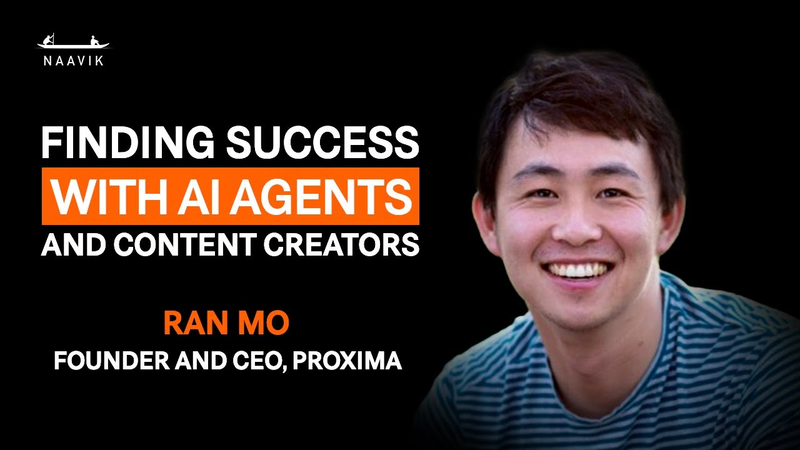
ideal for engaging audiences and optimizing ad spend powered by Automation and precision Tik tok's Advanced product Solutions Works seamlessly with its newest creative tools making content creation easy effective and scalable to drive installs and boost ingame Revenue learn more about making the most of Q5 with TiK ToK by visiting the link in the show notes make sure to check it out and with that let's dive into the episode welcome to the Novi gaming podcast I'm your host David Taylor and today we're diving deep into the world of gaming Innovation with a guest who's been at the Forefront of some of the industry's most exciting Trends from enabling user generated content for iconic franchises like The Sims and skate to launching the first commercially successful game leveraging AI agents in this conversation will explore his journey from head of central product management at Electronic Arts to founder and CEO of Proxima unpack the lessons learned from Building ugc Systems and dive into the challenges and opportunities of designing games with AI
agents at their core we'll also hear his thoughts on the future of gaming from the role of AI in ugc to the innovations that could Define the next generation of experiences so without further Ado Ron Mo welcome to the podcast thanks so much for having me David excited to be on here yeah so just to kick us off could we do a little quick dive into your background how you arrived to being the founder and CEO of Proxima today sure um so uh thanks again for giving me this platform um uh a little bit of background I'm the founder and CEO of a company called proximum we're a games company that uses AI to um build new interactive experiences the first experience that we launched uh last year was a game called suck up uh it was a game that uses AI agents to create comedic gameplay for players and um we were fortunate that it really took off amongst the player community and across the content creator community and so today the game has over a few hundred Mill million streams across YouTube and
Tik Tok and other uh uh viewing platforms before building Proxima I ran the central product organization at EA where we work with multiple different Studios um to build uh systems and and improvements within their games most notably working with Maxes Across The Sims and some of the um some of the mobile gaming Studios as well I come from a traditional business background I have an NBA at Warden I worked in the strategy team at YouTube at one point in time and and and so on but uh this is space as I find always fascinating so love to have that conversation with you awesome so we'll uh pop over to the Proxima story a little bit later in the conversation I'd love to start maybe towards the beginning of your career and talk about ugc which is obviously part of the industry that that I spend a lot of time looking at and and love um so maybe we can start just by by asking you know when you were working on the Sims back in 2018 what were you seeing on the
ugc side and how has the space evolved since you were there for Maxis yeah I think my experience with ugc actually proceedes even uh 2018 with the Sims uh the first exposure of it was when I worked at YouTube which of course is all ugc it's not video games of course but um it's arguably the biggest platform of ugc content anywhere in the world um when I join EA and 2018 and started working with Maxis there were two things that I noticed one is that Maxis has this enormous Corpus and The Sims has this enormous Corpus of user created content that people are using because if you think about what the Sims is is really it's a role playing simulator it's a it's a it's a way for players to live their dream lives and that dream life could Encompass a lot of different things and so uh sometimes it's where it's with content that the game has already and the game has an incredible
amount of content um but sometimes is takes out of the the content Corpus of what EA has and that's where ugc really comes in so really brings to life uh this sense of play and the sense of infinite play that we're still seeing with the sims day the second thing that we were seeing in 2018 was the early rise of Roblox and this was something that was everyone was paying attention to um well many people were paying attention to in the industry and I was advocating for E8 look in that direction and when I first saw Roblox it was um maybe 150 at the time of the scale that it is today but as I looked into the tooling and the systems and the monetization of how Roblox works it's really very similar to YouTube um in the sense that you have Creator payout you have Creator uh purely creat Creator created system so know robot's not a game it's it's a it's it's a platform people to build on um and for me that
was a obvious moment to say that this could happen within or it was already happening within uh the video World it very well may happen and is happening and continues to happen within the video gaming world so that was an interest that was a very interesting Trend then we continue to I continue to push EA on on that front got it and so when you were at EA what were sort of I I I want to sort of better understand how the ugc system on on Sims Works a little bit and maybe you can use Roblox as a compare and contrast of what uh what the Sims tool set looks like versus what you were seeing at ROBLOX at the time yeah I mean Sims is a game um you know monetizes the like game it plays like a game there's a core Lube of of of a game um and the ugc system essentially is uh bolted on to the core game itself so the Sims has a gallery and of of user created contents
and it has a way of curating that content for people to download and install the game um there is a set of tools that creators can use to to to build and upload um but the difference is it's it's not a platform um and so the the the gallery and other user created contents were used in conjunction um with uh um what what the uh the existing assets of the game are the second thing is that it's not monetized so like most games in 199% of games ugc content is non monetized which means creators are building these uh assets purely for uh dissatisfaction of themselves and of other people which is a it's a very Noble CA but it's a different incentive system um and the third I think is there's there's one piece around having a bunch of assets there is another very deep capability
around how do you orchestrate and curate and surface these assets um and game plays to the players themselves which is as the amount of content gets bigger it becomes bigger and bigger challenge do you surface at cou you surface this particular gameplay mode um and that's really about a recommendation engine and that wasn't really thought through very thoroughly by EA and most other game developer I would say got it and so yeah on that no like I guess what were the benefits and drawbacks of of implementing the ugc systems I imagine when you looked at roblocks you you saw a lot of opportunity for what you could bring yeah to The Sims but obviously feasibility is always you know the the gating Factor here and so I was I'm curious like when you were when you were uh leading the the ugc side like what were some of the opportunities that you thought might have been lwh hanging fruits versus things that you know were just going to be too much work to to
execute yeah I I think it's a really good question I the starting point is I think it's a business question which is what do you want the business to be do you want it to be a game that has ugc component to it or do you want it to be something more than a game um and that has different locations on how you monetize on what features and tools you build and how much you commit against that road map and I think that's the big question that you know we were asking at the time um even as a game ugz has enormous benefits I think one of the biggest uh two of the biggest games that have ever been modded one is Minecraft and one is uh outer scrs Skyrim um and what the mod has done is that it created new play experience for players um that were different than the original and in which the developer didn't have to invest contents uh against which means the game lasted longer which means you threw in more players which means there's more variety of play and you can
sell through that game for a much longer period of time um and so that's the the game model for ugc's the platform model for ugc's is something very different which is can you incentivize uh creators with monetary incentives to create content for you um whether these are individual uh creators or small teams of creators um and by sharing that you're basically offloading some of the development cost um and some of the creativity onto the community you're saying hey look here's a scaffolding The Sims in which you can build a whole bunch of great content will share some of the profit with you now that's a different model and it's as far as I know I've haven't been with EA for some time that isn't the model that it's being currently pursued it's more about the game itself but I think both are very interesting models yeah when you look at those two models I guess I I I want to ask like if you were talking to you know another franchise that was considering ugc what would you what would you guide them
to would you guide them to the platform model where you're creating you know an economy around uh ugc creation or do you guide them to sort of the giving giving players you know the tools or the ability to modify their game and create new experiences yeah it's a really good question and during the 2020 20 21 cycle when we saw this Mass explosion in the metav and ugc I think most people had the thought of hey let's go build a platform like Roblox especially seeing the success Roblox had the challenge I think it is very very very difficult to start a platform from scratch and even more so at this stage where there are already existing platforms like Roblox that you're competing against you know after all this years there is still YouTube is still the dominant long form video content platform despite number of people trying to compete against it and
I think that's true for any so if you're going against the platform model what you have to bet is that we're going to be a technology business we're going to spend billions of dollars competing in this Arena and we may not make a send of profit for a decade and you know roblock still has not made a sense of profit for as far as I realize I traed more recently but I think that they're still unprofitable um and and so for that model I think both the technical expertise required the map to get there and also the payback period doesn't make sense for the vast vast majority of game vers companies which is mostly our universe and so what I would actually advise people to say is probably for the companies that were thinking about the EA's Activision blizzards to take twos with GTA it's starting with the contents and layer in um ugc over time and we see that be very successful with Minecraft to some then with fortnite and and and
others so I think there's a way to get there as well got it um in my current in my current role I uh oversee the business side of development of a few uh new franchises and and so I'm sort of you know I want to ask like uh if the question is ugc no ugc what like if I'm making the argument internally that we should uh be leveraging ugc what would be the you know the argument that I I would make from both an opportunity but then a cost perspective yeah I mean the opportunity is if if it's just for ugc for for game it extends the shelf life of the game expends the playability it opens up a whole bunch of Arenas but the the cost is there is a real cost in creating the tools to to create ugc to creating the services that if you're hosting the ugc yourself um percentage wise of a total project like or gross gross dollar terms
like what would you say it cost I think it really just depends you know it depends on the play pattern of the project if a project I think is generally more about free play and exploration and then it lends itself very well to ugc The Sims does it very well because it's a essentially it's a dollhouse that's will ride the creator of the Sims that's how he pitch it which is it's a dollhouse playin which means it it lends s to imagination Minecraft is another example where you can do anything you want and so you want to bring in all these gizmos and Gadget the opposite side of the spectrum is is a game like like League of Legends right which is a very rigorous rule set um it's possible for and legal Legend itself came from from ugc um but I think investing ugc for League of Legends may be less fruitful versus investing in ugc versus mcraft so there is this balance of well what is the game who is a core audience both from a Creator perspective and from play pattern perspective I think there's
certain genres that L self way better for you yeah it sounds like open world one with obviously Elder Scrolls uh in Minecraft and then whatever whatever roleplay game some roleplay games are open world I wouldn't necessarily describe the Sims as open world because it's fairly restrictive in in the explor exploration side of things yeah um but yeah that makes a lot of sense in I guess I I'm still I still want to know just from a general perspective like do you think that uh you know if you're if you're launching a game you should be thinking about ugc from the beginning or is it more of like let's wait to see if this is big enough to Warrant uh building ugc tools into it I I think I'm a little bit more pragmatic and I may say it's uh let's use example of fortnite which is they didn't have a lot of ugc's or any ugc tools at the beginning but they found massive ESS by
building upon one of the most popular play pattern of the time and then they bolted on ugc afterwards and to Extended it works so I don't know if there's one formula to it and there's schemes which ugc came out at tool the one thing I will say is that ugc is not a Panacea for for for a new game which is if your game doesn't have an audience you're not going to have people who are building uh Tools in and and and user Creations for that game because a there's no audience in which that creat is served to and two people are just interesting in in playing it so um I think the mistake I think people make is to say that hey look I'm going to build a second rate game um but we're going to build all these great ugc features and it's kind of a cold star problem similar to building a platform which is if your game itself can draw players in in of itself then they can funnle into the ugz part of the game and so I still think that if you're you know unless you're building this kind of tech platform it's game fors you have to build a game that can stand alone by itself that can draw
massive amounts of audience despite having ugc and the ugc is a is a funnel where people go into to to to create more content and variety and accelerate and accentuate the game but but it doesn't start there yeah and when I think about like the time timelines and the way in which scope creep occurs over the course of a of a development uh project like I I find it I find myself like sort of holding my tongue when as much as excited as I am about the potential of ugc but but when you've got to build make the fun happen first it's hard to say like oh like let's put you know a couple people on on building the ugc tools right out of the gate I think you know bolting it on after launch after you show that there is an audience uh might make a little bit more sense for sure um this is great well I want to move on to our next topic which is that uh you know we both write a lot about
the video game industry and so I wanted to spend just a quick quick brief moment talking about it because I think that uh from my perspective it's like one of the the biggest like career hacks you can do is like to be you know publishing your thoughts and um and having you know the world whoever whoever your audience may be uh take it in so I just wanted to ask like you know I've read your your work on a lot of folks on the novic side of respect to you as a as a thought leader and uh really enjoy your article so you know I just want to start off by asking like why do you write in the first place what was the reason you started writing and and um and uh we can go from there yeah thanks for for asking the question I love writing and uh I totally agree with you David that this is a totally a career hack for gaming but for any industry uh I started writing during the pandemic and frankly I was bored there was not a lot to do uh and I was just riding to organize my own thoughts and
think about where the world is heading for the world of interactive media um which is an area that I've very passionate about and uh I didn't think it would lead anywhere I was fortunate that a couple articles in uh one of the Articles actually about Roblox was picked up by The Economist and it was a nice moment where they included one of my charts and cited me as an an author which was kind of cool um but the other thing that you know I bought a couple of copies economists for why isn't it framed behind you right now but uh the other thing that it lets you was open the lot of Jorge in terms of um uh even Venture funding so when I met with L ventor Partners who was the lead investor for my first round in investment for Proxima uh the connection was because they some of the work that I
have written about the space and so there was some understanding of course it wasn't enough to to for investment but it was enough to open a conversation and the door to a conversation so I think it's hugely influential to my career and but I didn't really know about that when I started and I actually hav been written for a while so thanks for reminding me for that I do it more often that's part of why I had you on the podcast is just to give you a little poke of like we're ready for the next uh article awesome well and I want to talk a little bit about process because I think I'm I'm personally fascinated about the creative process uh and how many different ways there are to be creative what's sort of your process how do you decide when you're going to write about something I I I think for me and again I haven't written too too much uh is that I don't try to keep to a calendar um I think that really stifles a lot of thought process there once why I did it where said okay well I'm going to release an article every month or every
two months or something like that but sometimes there's nothing to say um and sometimes there's a lot to say and and it takes a lot of time for those thoughts perly one of the the razors I have for myself on writing is um if I sit at my computer and start jamming the notes of what I wanted to write and I get really excited and the words just come out and before I know is two three pages of bullet points I know that I have something because there's something I wanted to say and if it's something that just I'm I know I want to write about it because it's current or if it's on Trend or popular but they're just the wordss won't come out I think it's a reflection that maybe there isn't as much Insight on my end I thought there maybe even though maybe that's where the world is interested in right now so I tend to just let what interests me and what fascinates me lead and if there's a reader on that then great if not then it's better than you know catering to an audience when I have nothing to say that's my apess at least I'm not sure if
that's the best of all worlds yeah no it's super interesting I I think we have similar processes in the sense of yeah I don't have a process other than like there's something going on in my head and then I'm just sort of responding to this need to write it down uh I don't actually feel like I'm necessarily like in control of the process it just sort of happens to me um but I know that there's other people who take a process of like very meticulously like what are the things that I want to say and like and lining it up and then creating an outline and everything whereas uh it sounds like maybe what we do is just like regurgitate this thing that's happening in our subconscious um that is that we're excited about yeah for sure um cool well let's move on to approxima you mentioned you know that you that this was a writing was a key part of or not a key part but it uh definitely benefited uh in the fundraising process uh maybe we just kick it off by uh you know when you're
when you're going through that fundraising process like what were you telling investors was proxima's mission and and how was your approach different than other Studios yeah I think it the fundraising process changed a lot over the last three years and that and that's that first uh the first thing to note I think we uh we we started uh in 2021 um and this was an incredible in Hind and probably the you know the most incredible period in history of of of funding for interactive entertainment and games because of all the growth the industry saw during the pandemic plus low interest rate plus narratives around the metaverse and all that and so to raise the first round of capital to say okay we're going to go build these games that um are going to do this and that um was was really not uh not hard at the time you know I had somewh of a reputation Within the industry a little bit um and and some investors to say
okay we're going to build upon what have already came before at the time AI wasn't even out so we didn't really have ai or AI was out but the the the iteration of the the modern llms as as it stands today wasn't really readily accessible um and so that wasn't really part of the the picture what became really difficult and that was a small round so uh that was a preed to kind of get a initial team going what was really challenging was uh the the rounds that came after um but wait before we get there like so this was this was at the end of the crypto bubble right in in 2021 that's right so were you pitching a crypto game uh at that time or what were what were you sort of pitching I think it's a question that everybody asks and frankly I would say 80% of all companies gaming companies that were fund at the time whether they end up using crypto or
not uh probably pitch some version of hey we're going to use crypto to do something because it was the way in which you know people got funded we took a look at the space quite deeply we build some stuff um so we before setup we built another game called lumari which is a pet collection game not so dissimilar to power world actually um but it was a project that was too big for us to complete given the sides of our you know our team and funding um we thought about hey is there an opportunity to tokenize some of these real world assets as as as games have done um and move in that space and the answer I think we the conclusion that we came to was that it wasn't appropriate for the game that we were building just because the audience the time and still is I think the crypto world is the the thing that uh the people really care
about is how do you generate returns yeah right and how do you gamify the generation of returns and and that's not on a knock on industry it's just that's that's the the real world and I think um you know and there's tons of people who are building gam ifications of or games on cryptos or what if we build uh leue of Legends on crypto what go Halo on crypto and and so on but I think the the real um the real draw for crypto is it's about the throw of frankly gambling right you know betting on mean coins or betting on this and that and the gamification of that actually doesn't have anything to do with games there's a I think there's a there's an application I think recently called pump. fund which you're just you you're just creating meme coins from nothing and and people are betting on it but it's it's not a it's not a game in the traditional sense um but it creates chopi dopamine rushes um and is
probably the best crypto gate but it was in an audience that we felt like we understood to serve um and so we didn't end up watching anything related to to crypto but it was very difficult as a game company to stay entirely away from the area in 2021 2022 when most of it was that got it and so so that was sort of your first funding round did you need to raise the second round in order to get to what you ultimately became your debut game of Sucka yeah we didn't raise a second round but we had to raise some British Capital um and that was 2020 end of 2022 beginning 2023 um and and then also a little bit more in 2023 itself um and it was it was night and day I remember in 2021 we were just building head down there was nothing about the company who we are and I would get LED messages you know every
couple of days about people wanting to put money into the business um and there was a moment in time where it just just all stopped you know and and no matter what happened it was just it was not possible and hindsight I think it's actually a good reflection of the exuberance that we came in I think we we saw a lot of overfunding of companies during this period of time um and and some really amazingly talented Founders as well but the business model of of of of funding these massive rounds games you know pre-launch has not been overall successful so I think it is a moment of reflection but it was a really tough time but it it took that and I think this the second thing it took was that we initially went down the route of let's go build a game that on the scale of power or something they so so you know 20 15 20 people but not not massive but also required a couple million dollars to build um and at some point we were we released the pre-alpha that tested quite well um but it was just
impossible to get the capital for to require to get to the next Milestones without massive dilation and at some point we looked at ourselves and said we can keep going down this road but I don't think we'll get there or will get there with a lot of pain that probably isn't necessary um and so we at some point made the hard decision to say okay we're going to park all that and we're going to build a game that can be contained to a small siiz team which we were only five people at the time um that we ship in a quick amount of time that we have high confidence in actually making revenue for ourselves and that's the only way is survived during that period of time so at that moment did you have an idea of what you wanted to build or were you just sort of like this isn't going to work we got to find something else it's it's the first I think um or sorry it's the second I think there we we there was a few criterias that we had one of it was we have to build this fairly quickly something within less than six month which is in incredibly fast for the world of video games so
launch and ship and test and and deploy in six month um the second is that we didn't have a marketing budget so we had to rely on the game being natively able to drive aity in itself it's the only way in which we can build and so the two criterias that we had was we have to build in less than six month and we had zero marking dollars against this uh and so but that con stre really Force us to think about what are the type experiences that have the potential to go viral what does verality actually look like and how do you build fast against it and and and we literally had a I think a figma board of 100 plus different ideas against those constraints and it was some of the most Crea time I think as a team amazing so uh so how many figma sessions are we talking till we got to the the winner uh I didn't remember but
he were through lot of long long figma conversations um BR but it was fun you know was it was a time when uh Chachi had launched I think maybe seven month ago or nine month ago we got built something actually quite remarkable in our previous game of with AI which is actually more advaned than what we did with suup which is we used um and there's videos of it our website you can still see um we had these pets and you can actually use voice commands to talk to your pets and play with your pets so if you say hey let's go play hide-and-seek we just go hide under a bush because it recognizes the environment we gave the L's control for uh the game uh commands itself so it can be iterate so he can do um you know intend to actions so dy I was very as away and that was you know that was in 2022 so or 2023 so much much earlier than the eent conversations that's been happening in the AI today uh that game
that that experience was a good prototype to say hey look we can actually build with AI as a team we have the capabilities internally um but that do in particular was just really long and hard to build so uh when set up when we thought about suup um it was something that even within AI we can grapple and wrestle with it within six months what I love about suup is it seems to it leverages the imprecision of AI as a feature which I thought was really well done of like it's like the the player experience is let's see what I can say to convince uh this this MPC to let me into their house so I can suck their blood uh and by the way we should probably do like just a quick intro of what suck up is um just so that people have that context in case they haven't seen it also I highly recommend just like going online and looking at some of the like Creator content because it's hilarious um but uh yeah so I mean we'll
get to the we'll get into more detail but let me just finish the question which is like it seems so perfectly balanced to leverage the the the capabilities of AI um and I'm just wondering like did that take did that take uh uh uh user testing in order to get to a place where you're like okay we're using the sort of what many people call like a bug in AI but we're actually leveraging that as a feature or did you have that through the figma boarding that you were doing do you sort of know of like okay we know that there's this sort of limitation with llms today let's actually turn that into uh a a fun experience yeah I we I mean again we were we were really short on time and and and and and Runway and all that so we didn't have a lot of room we did friends and family testing of course but it wasn't the thing that drove this kind of long duration we just kind of th it the I think the kernel of it is um you know you know Sucka is a is a town and
you have different houses you have police you kind of like GTA style you have all these things but the kernel of it is really the experience of uh talking to one person right whether you can that one person and we can build that very quickly actually we built that less than a week um and we and we could test to see if there is a nugget of a f in there right and and and usually I think for games it's actually that nugget is actually quite small and so you can build that nugget within probably one haathon session or a week or two um and you can see if it's it's if it's funed of course you had have go a lot more to make it a game but we got an Insight that it could work fairly early now we didn't know if it was going to take off or anything like that but it was playable with a one and we had a good time doing it and then it was about okay well how do we invent the character of the characters that people could understand so with people like like you
know characters like a Karen or emo teenager or something that like people can probably resonate with and the third I think when we go back to verality the way that we thought about suck up was that uh at the time that we were building it it was really about all everybody was talking about AI companions so it was how do you build a AI companion that can be your best friend or something like that and and we kind of flipped the switch on it said because for succub the star is not AI the star is the content creators you know suck you take it is is um at it's more Solis level it's it's a improv comi game it it allows players to express their genius in comedic uh bullshitting if you will um and there AI is basically kind of a foil against that right it can respond to you it can do these things it can acknowledge your joke it it can react to
you but the true genius is really in the content creator the player content creator and that's the Insight that made it really popular people aren't watching suck videos on YouTube for the AI they're watching it for what the creator has to say because it created funy um the AI just you know simply reacts to um and and that was kind of the the the script I think that we turn at the time to make this game um to be what it is was that was that an intentional thing or was that sort of emergent in the in the game development process it's intentional it was intentional because we had the constraint that we had to go viral and we looked at the so we uh we built a deck of what are the factors in reality and how do you drive against that um and how do you think about expectation or subordinating expectations or building and and and and giving kind of the content creators the ability to express that comedy was very very important um and there's reasons why
games like Guild simulator or uh these random name oras became really popular because it allowed the content creators to express their genius their comedic genius or dramatic genius in some way or GTA role playing or something like that and so how do we kind of continue and that could be with AI it doesn't have to be but that has to be the central nugget for us because we wanted the content creators to play this game when you think about the success of those games that you mentioned how much of it do you would you attribute to the streamability of it versus you know some game mechanic or fun or or player fantasy that they were able to capture I think I think it's two levs I think there are games in which are fun to stream because it gives an Avenue for the content creators to express themselves and there's games that are fun to play uh as a common player if you can have
both of those things and I think Minecraft is a really good example right it it's such a broad cam is that allows the content creators to build whatever it wants to and create whatever story arc and but it also is fun for the players to build GTA is another example with role playing it allows content creators to really create that sense of immersion but it's also really fun for average person if you have both those things um your game is gonna be an absolute hit no question about it but it is very difficult to get both content creators to like something and the players to like something because those two things are sometimes not the same one is about how do you have a canvas of creating content or a stage to creating content one it's about feeling some kind of internal satisfaction enjoyment um that's why there's so few games that can do BU it do you think that this is just going to be sort of part of the game developers Playbook going forward is everyone's going to be designing for both streamer and player in mind I I think I think so um the more that I spend time building in this industry In
This Moment In Time the more I realize how difficult it is to get attention it is the most difficult thing because building the game itself is getting easier and easier with unity with unreal with blueprints with now with AI uh with Roblox you have 16-year old kids who can make games um what is really difficult is getting attention because there's tens of thousands games that are coming out every year um and how do you get and attention shifts really fast in today's world you can manufacture attention be you in the way you could in the past in the past what you do is you just do brand marketing right you you you blast every billboard with Spider-Man or you know hog wordss um but but today you have to drive for attention through short form videos through through through the of conscience and that moves really fast it could be your game for 3 weeks and then it's going to move on to something else
but if you can capture that attention for three weeks like things like lethal company things like power you can make half a billion dollars in those two weeks but it's not predictable yeah it's not predictable in the sense that you can uh you can do with brand marketing or traditional forms of distribution and and and that you can you can engineer it so that you have a broader or or greater probability of success but you can never guarantee it and that's what I think games today especially making game content in is more and more of of a bet it's a gamble right you can you can you can you can move the hands slightly in your favor right if you're playing Blackjack you can decide when to hit and one to stay but you'll never get to 100% probability that's where the world is today yeah and it sounds like you got to throw out the old marketing Playbook and and start to adopt you know the the mar Playbook of today which is to leverage you know a fairly Grassroots streamer
base give them content that they want to engage with um and and make sure that it's organic you can't necessarily pay streamers to do it because you know then they have to say this is a sponsored post and I'm just going to say whatever they told me to say yeah it's very expensive to to buy you know we we had some queso and some of the largest streamers who were playing streamers who had tens of millions of of of of subscribers playing our game for free those subscribers playing a sponsor post would be tens or sometimes even thousand hundreds of thousands of dollars to yeah to play a single game um and the payback is just not there for indie games so unless you're Apex Legends or something like that you wouldn't you would the economics would not make sense um and after setup we had a lot of I had a lot of Founders s out to me to say how how did you guys do it was this formula like did you do share um you know Revenue share with content creators do you have
some kind of a special program to and I always kind of n the time no we just uh we just email them and DM them and and say okay come play but the reason why someone people play suck up was there's one person who played suup his name is madmorph he had something like 150,000 subscribers that's time very very comedically funny um just amazingly naturally gifted voice actor he played suck up within a day I think usually these videos gets around 20,000 views within a day the first video that ke came out with suck up um he got a million views you know within a day which was and people were like what is this thing and within three days we have many because YouTubers are are very smart they catch on they catch on trends like that and within two weeks we had some of the biggest streamers play a game without ever reaching out to them and and that's just how it works right if you can if your game can drive views for people people organically that's the thing that people want they don't care
about R share they don't care about anything else they care about getting use and it is not easy it's not easy to build a game in which get stream reviews yeah makes a lot of sense so I wanna I want to talk about um just sort of the AI component of of what you guys were building was it hard to to introduce AI agents it sounds like if you guys built this in six months you mentioned you had the capabilities but but uh is this something that you know would be pretty easy for anyone else to replicate um I think we were very talented from an engineering perspective as team um I think uh when we launched it there was so much uncertainty so for example steam didn't allow anything with anything AI uh in it so we basically had to distribute the game Mars I think they changed the policy since then but we at the time we had to basically figure out how to distribute the game ourselves which is like then we have to build a we have to use figure out all payment rails
and which is not super hard but and sell it ourselves which usually is never done but the benefit of this course you you keep 100% of the revenue that comes in but with oi um it works hard a time because there's not a lot of infrastructure to support it um and the harder thing actually what we did was actually not s up but the the the Prototype that we built before the Asian the the pet that a lot could move understand environmental awareness can do a bunch of things and play games with you and all do all these things and that was really really difficult and I think we were probably one of the first teams to do it and people didn't take us super seriously at the time because we were you know not the AI company we a games company that that wasn't founded on AI games but but we did it um I think today uh deploying AI is easier uh the trick is to figure out what how does it benefit the game
that you're building and how does it benefit the the the the the lubs and the motivations in which you try to satisfy because it doesn't apply to all situations at all times and the world is also for AI is still continues to evolve very quickly just a couple weeks ago there was a Chinese model uh uh that beat open AI on Bly every single metric and it was 95% cheaper when we launched um we were really scared that a token cost was going to make this game unprofitable for us to sell it we didn't know the token cost was really really high at the time um and so we when we launched the other thing what's a token cost just for just for yeah so when you use uh when you interact with um any sort of AI that compute is use is is is um uh uh is generated in a data center right so AWS
or Azure or wherever else the data center has been coasted and it's computational expensive and to uh um to make that work um the companies who are offering that are charged um uh a fee based on tokens so a token is an abstract concept of computation but usually if it's something more complicated so let's say if you have a massive chunk of tax if you feed it images or if you make it actionable so if there's a a Lube uh involved in it then it costs more tokens then it's a short message like hello how are you and so tokens are not fixed but whenever you interact with AI that costs tokens and so as a player the more you play this game the more it costs us which is a very different model than any other video game right so if you download Starcraft and you play Starcraft blizzard isn't getting charg unless of course you're playing online on on their on then there's a little bit of server cost but by and large or if you you know
let's say you buy Minecraft a single player game you play Mo moyang and or or Microsoft is not getting charge anything for us is different right we were selling this game for 12299 and we thought hey look people play for 5 hours or 10 hours and they go crazy then we might incur and actually that did happen we had strangely we had some speedrunners that I don't know why people wanted to speedrun suck up but we had some speedrunners who were just basically putting uh console commands they were like do this this do this and and and they and they Bally trying to got out the AI and they were poting an enormous amount of tokens um playing our game you know in an hour they would spell like5 $10 worth of compute costs uh were in a couple hours they spend that much but by a large it was manageable we that that was thing the business model was not to find the Timey so we we we were really in inventing a lot of things but compute cost even between what we launched which is the the end of 2023 beginning 2024 so the year from now to now has dropped
dramatically uh the same model is probably 75% 80% plus cheaper and better models are getting the same price if not cheaper as well so that's the interesting thing about building in this industry is that the Cs are continuously coming down around what you thought was imp possible six month ago or a year go becomes POS yeah makes sense so do you think that will see more uh game companies developers incorporating AI agents into their games why would they and why wouldn't they I think it's a it's a tough question um I think after we launched we had a bunch of people who are both small in the studios and some of the largest gaming companies of the world reach out to us um and people were really interested in the space but the fact is after a suck up came out um there's has been zero
commercially successful games with AI agents uh commercially successful being it is profitable by itself um I unless you've seen it I have not seen one um and and I think that's not because people are and we can take that as a sign hey look we can Pat ourselves on the back congratulations you know we're the best in the world uh but it's also a sign that something's missing here still you know when I remember remember I W you know I wasn't in the space of time but you know even following as an outsider when mobile gaming first came out um there were dozens and dozens of companies were generating tens of millions dollars of revenue and profit every year in the early stages of the mobile boom right this the early 2010s um we have not seen that for AI um and I think AI has actually two impacts that it it has one is on hey can we create a different set of gameplay with agents which is what we're doing or with other kind of features that AI offers in real
time which I think is a real Innovation on design there is another real impact of AI which is it drives down development cost and capabilities now you can make 3D assets easier you can code easier you can deploy easier uh and this is you know well I'm not talking about with agents but with you know cilling assistance with 3D art generations with um whatow is interpreted and so more and more people are able to make games and what that allows for is for the supply of games to increase over time and I think that is N Net of the two impa AI I think that's the bigger impact which is I think we're going to see exponentially more games being built over time and More Games built by very small teams as solo developers with the assistance of AI and which makes the whole uh argument of how do you have a game that stands out more challenging if not less because we're going to see increasing number of
content in the world it's already massive right and continues to grow more massive every day it is GNA that rate of growth is only going to accelerate with a that's I think is the bigger impact like so if Mobile on the whole is it impacts demand because it increases demand it doubles demand uh in ey I think by and large impacts Supply it increase Supply at and that's not a good it's a good thing if you're a consumer it's not a good thing if you're a game developer yeah like indie game development is is going to become a lot more akin to Roblox game development where you're competing with 5 million developers instead of I think like 50,000 on on and it's not just India I think it's it's double A and triaa rate because if if the market as a whole is growing 3% 5% per year U and you know and sometimes you have games like lethal company or power world that's making a a billion to a billion dollars made by couple people then these
people really strike Golds maybe obviously they didn't use AI but imagine the Future Part of the game is Bill with AI assistance whether it's in in the code generation or in the asset Generation Um that that's that's money that's being um uh diverted from traditional larger game studios right so I think I think the world if I were have a prediction is that it's going to become more chaotic you know there's going to be massive winners like the guy who make lethal company or Among Us um and that you going to see that more frequently but the stability of the industry in which you can say hey look I'm going to go build Assassin's Creed I'm going to go build and I'm going to guarantee to to get a salary as an employee or get a amount of profit Revenue as a big gaming studio I think that's going to become more challenge over time super interesting I uh have had a similar thought that like the the middle is getting carved out a bit more and people are going to fringes of like either massive Mega franchises or very
indie games and both you know can be successful but also it's extremely competitive because now you've got more entities that are producing content and uh yeah it's super fascinating to think about that as a as a future if it's not already here um as you think about that future and as you think about Proxima and what you've learned from suup like are you guys going to continue to invest in suup is suup done and you're moving on to the next project what's next what's next for you guys yeah it's it's a really good question I think on setup we built quite a few features since it's launch so we you know going back to the ugc P we actually build an ugc component where anyone can build their own characters so people build like Harry Potter characters and so on um obviously you have to watch for for IP infringements and all that but um and so that's been an interesting piece we've also built other experiences with the S Universal we buil a Valentine's experience in which you can break up people and it's kind of funny we build a rap battle mode in which you're battling
R you're creating rap verses and you're battling other uh AI in a rap so there there's all these game modes I think uh that continue to drive engagement um and we'll continue to invest against it but at a fairly small level because I think there is a there's a run rate to the game right no time it's is this DLC like people have to pay for each of these modes or how are you monez it's free it's free right now it's just it's um you know we just drive if we can drive engagement then we get we get waves of new sales um that that's but yeah so we're not doing dlc's at the moment or pay DLC so everything free um uh but and we will continue to invest against it uh but I think at a at a reasonable scale that makes sense from a business perspective uh I think from that in terms of Nest projects and going forward I think I think there in is the world is very different I think when I signed up
for Proxima where I signed up at the team and the ambassadors into Proxima there was a very different world order that we were seeing as a part of the pandemic and pre-pandemic and I would argue that world order is being disrupted in a pretty dramatic way today there's a reason why I think we're seeing a massive amounts of layoffs within industry over the last couple of years probably one of the most unpr presentent times ever and and part of that is cyclical because of over investment but part of that is structural because of the way I think gaming content is evolving into similar to YouTube right similar to Roblox in which it becomes more Indie it becomes more um you know everybody can create games but that has dramatic impacts on where the industry does and how does that impact the business that I'm building moving forward you know do we build content do we build more content do we do something else I think
that's an open question for for for us to figure out you know I signed up for this journey to he like we're going to build a great game we're going to ship it and and we're gonna you do that we build I think a fairly good game and fairly Innova game we that what we set out to do initially but then what do we do next you know how does how do we respond to a world that's very different today than what we've seen and we can't have and the same The Playbook the the pitch D that me message and no longer app um and so I think TBD to be honest um it's something that I I think maybe I'll write another rock POS at some point about but it is a it is a Brave New World out there for sure yeah it sounds like it's still marinating uh waiting to to come out in in Inspiration uh in terms of blog post or in terms of uh the next Proxima game um that's awesome um well Ren it's been awesome to have you on the podcast thanks for thanks for coming on it was great to chat about ugc ai ai agents you
you really gave us a a great understanding of of some of Gaming's top top trends at the moment um thanks for stopping by yeah thanks so much David thanks for for having me on if you enjoyed today's episode whether on YouTube or your favorite podcast app make sure to like subscribe comment or give a five-star review and if you want to reach out or provide feedback shoot us a note at podcast at nov. or find us on Twitter and Linkedin plus if you want to learn more about what navic has to offer make sure to check out our website www.nic.edu and advisory Services again that is www.navicenthealth.org [Music]
Auto-generated captions from YouTube — names and numbers may be misheard.























Comments