Advertising reports and market data
Documents
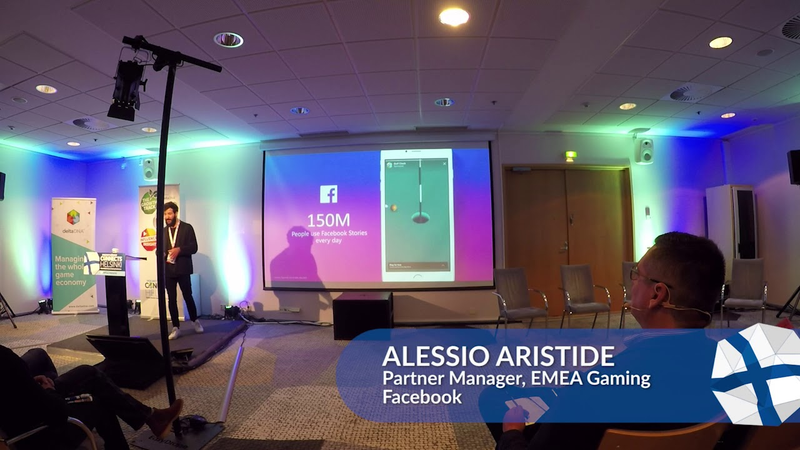
Facebook marketing 101 - Boost your revenues with high-value users
The gaming industry faces significant challenges in user acquisition, as average day-seven retention rates hover between 10% and 12%, while day-30 retention drops to 4% to 5%.
- Gaming industry retention rates are low, with day-seven retention at 10%–12% and day-30 retention falling to 4%–5%.
- Value optimization with minimum ROAS bidding allows developers to automate ad delivery to meet specific revenue targets rather than focusing on simple click-based metrics.
- Playable ads improve engagement by offering a full-screen, interactive game demo within the newsfeed, allowing users to experience gameplay before downloading the app.
How offline advertising can boost your mobile and digital acquisition performance
Offline advertising, particularly television, remains a potent but underutilized tool for scaling mobile user acquisition and digital brand growth.
- Only 4% of gaming brands currently use television advertising regularly, while 71% of the industry discounts the medium entirely.
- Nearly 50% of skeptics would consider television advertising if provided with evidence that performance can be accurately tracked and optimized.
- Television functions as a trust-building mechanism that, when synchronized with social media, significantly increases ad recall and purchase intent compared to digital-only strategies.
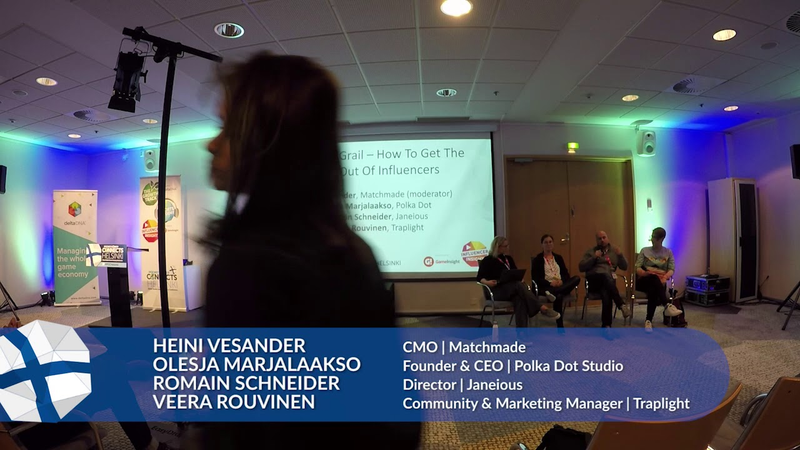
The Holy Grail: How to get the best out of influencers
Influencer marketing has emerged as a critical pillar of modern game promotion, with the sector projected to reach a $10 billion valuation by 2020.
- Prioritize long-term partnerships over transactional, one-off advertisements to lower customer acquisition costs and build sustainable community trust.
- Identify influencers whose specific audience demographics and interests align perfectly with the game’s core mechanics to ensure content feels organic.
- Indie developers should leverage micro-influencers and revenue-share models to maximize impact within limited budget constraints.
Games industry influencer campaigns: Facts and figures from the trenches
Influencer marketing has emerged as a critical component of the gaming industry, driven by increasing price competition and saturation in traditional mobile advertising.
- Influencer marketing for games achieves a 6.3% average engagement rate and a 2.2% click-through rate, both of which outperform traditional display and search advertising.
- There is a 36% probability that an influencer will continue to feature a game organically following the conclusion of a paid sponsored engagement.
- The majority of a campaign's total impact is typically realized within the first three days of the influencer's content release.
AppAgent meets Small Giant Games: How to create a media plan for a global launch
The media planning process for a global mobile game launch requires a disciplined, data-driven approach that balances product development with aggressive user acquisition strategies.
- A successful global launch requires a data-driven media plan that balances aggressive user acquisition with iterative product development based on real-time performance metrics.
- Soft launch phases must prioritize testing hypotheses and establishing baseline KPIs, such as cost per install and conversion rates, to ensure technical stability and accurate lifetime value modeling.
- If top-of-funnel performance is weak despite strong core gameplay, developers should be prepared to overhaul the game's visual identity to better align with target audience preferences.
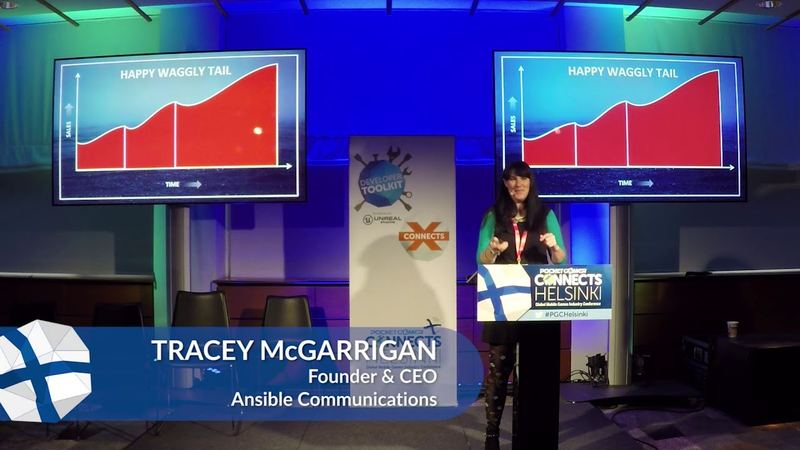
Look mum, no wheels! Riding the marketing long tail in games
The gaming industry is shifting away from a hit-driven model toward a long-tail strategy, where sustained, long-term marketing efforts generate consistent revenue beyond the initial launch window.
- Shift from a 90-day launch-focused model to a 12-month+ revenue strategy to avoid the high risk of premature product abandonment.
- Prioritize organic advocacy, as word-of-mouth impressions are five to 100 times more valuable than paid media.
- Recognize that 97% of consumers are influenced by reviews, and 92% will actively avoid purchasing products that lack them.
Indie starter guide to brand building
Effective brand building for independent game developers requires moving beyond visual identity to establish a core set of values and an authentic narrative.
- A brand is defined as the collective perception of an organization when its leaders are not present, serving as a critical strategic asset for long-term business growth.
- Developers should define their core values, driving motivations, and desired emotional resonance before beginning development to ensure a consistent foundation.
- Consistency must be maintained across all touchpoints, aligning internal studio ethos, game design, and public communications to ensure authenticity.
Dare to manage – Regional features of influencer marketing
Influencer marketing requires a nuanced, region-specific strategy to effectively drive mobile app user acquisition.
- Influencer campaigns can drive significant organic uplift, with well-executed strategies often resulting in up to 70% of total app installs coming from organic sources.
- Global influencer marketing requires region-specific operational workflows: US campaigns are contract-heavy and high-effort, requiring approximately 1,000 outreach emails to secure 20 partnerships.
- Advertisers must implement rigorous data verification to combat fraudulent metrics, as falsified demographic screenshots are a persistent risk in influencer marketing.
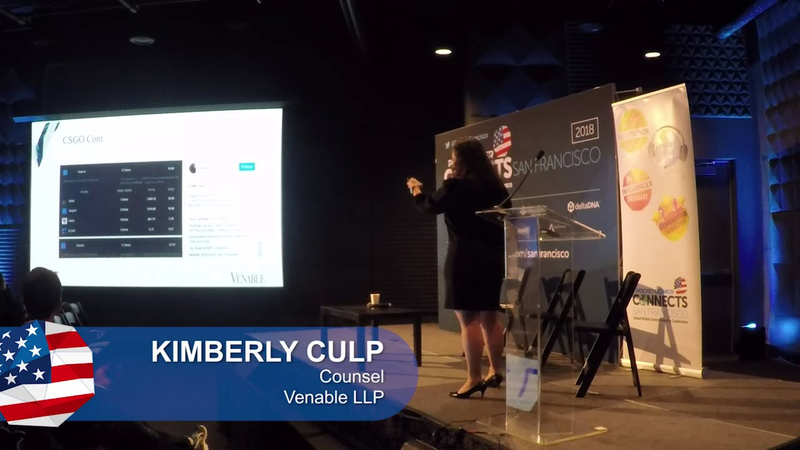
How to work with influencers to avoid scrutiny from Government regulators
Influencer marketing in the video game industry faces significant regulatory scrutiny, primarily from the Federal Trade Commission (FTC) and state attorneys general, who monitor for deceptive advertising practices.
- Brands, influencers, and agencies share collective legal responsibility for disclosing material connections, including monetary payments, free products, and early access to games.
- Disclosures must be clear and unambiguous; explicit labels like #ad are preferred over vague terms such as 'ambassador'.
- Disclosures must appear before consumer interaction, such as within the first three lines of a social post or at the very beginning of a video.
Fireside Chat: The dos And don’ts of working with influencers
Influencer marketing requires a strategic, human-centric approach that prioritizes authentic alignment between creators and brands over purely transactional exchanges.
- Only 30% of inbound influencer inquiries convert into paid campaigns, primarily due to poor outreach clarity and mismatches between brand expectations and creator content styles.
- Brands should prioritize transparency by explicitly stating budgets and confirming the partnership is a paid campaign to increase the likelihood of securing a creator.
- The industry is shifting away from programmatic, automated ad-buying toward direct, human-centric relationships that mirror traditional media models like radio.
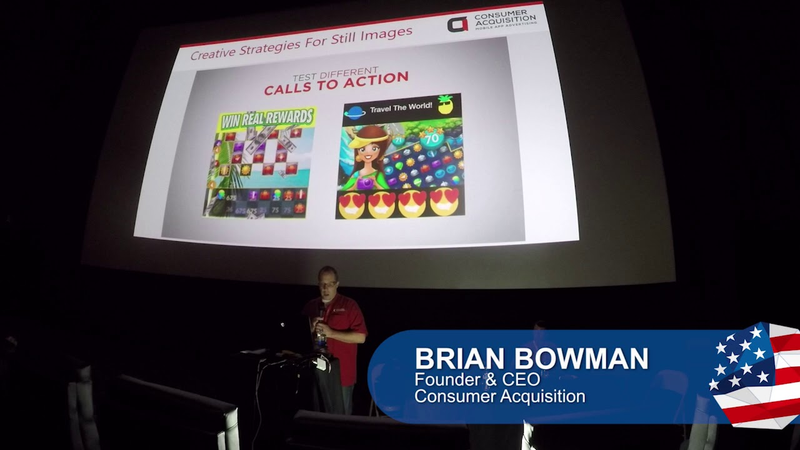
The future of UA – Facebook ad best practices, creative marketplaces and UA bots
Modern user acquisition strategies have shifted away from manual bid and budget management toward a reliance on machine learning algorithms.
- Creative quality is now the primary driver of ROI, as automated platforms like Facebook and Google shift the burden of performance from manual bidding to ad asset effectiveness.
- To maximize algorithmic efficiency, advertisers should consolidate campaigns and minimize manual edits to avoid triggering performance penalties associated with the machine learning learning phase.
- Mobile video assets should be optimized for immediate engagement, with a target length of six to ten seconds and a clear call to action within the first two seconds.
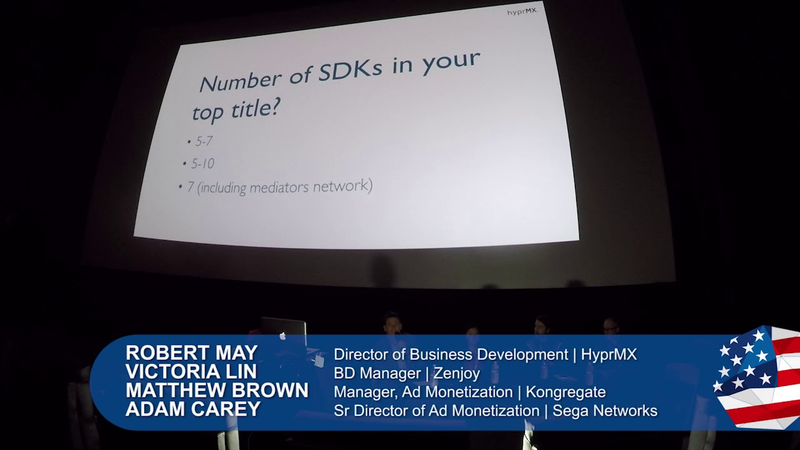
Monetisation from the trenches – Lessons from the fight to maximise ad revenue
This panel discussion, held at Pocket Gamer Connects San Francisco 2018, features monetization experts from Zenjoy, Kongregate, and Sega Networks discussing strategies for maximizing mobile game ad revenue.
- Integrate advertising into the core game loop during the early development phase rather than treating it as an afterthought to ensure a balanced, data-driven monetization strategy.
- Prioritize rewarded video as the primary ad format due to its superior completion rates and positive user reception compared to other formats.
- Maintain a diversified ad strategy by utilizing interstitials and banners for non-paying users or specific game contexts to supplement rewarded video revenue.