Advertising reports and market data
Documents

Tips on how to make creative ads for the Asian market
Successful entry into the Chinese mobile gaming market requires a sophisticated approach to creative advertising that prioritizes deep localization, high-quality video production, and interactive formats.
- Localization in China requires more than translation; it necessitates adapting font designs, layout, and character aesthetics to match local preferences, such as the strong demand for fine art styles among female users.
- Cultural nuances significantly impact conversion rates; for example, adjusting game visuals to align with local preferences for cleanliness and specific character aesthetics in Japan resulted in a 70% increase in click-through rates.
- Standard gameplay recordings are no longer sufficient to capture attention in China's information-overloaded market; advertisers should instead use creative storytelling, real-life integration, and local trends like popular BGM and memes.
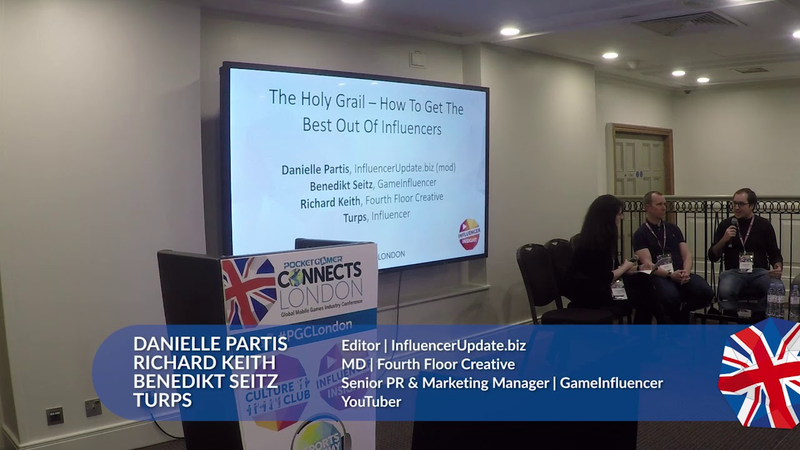
How to get the best out of influencers
Effective influencer marketing in the gaming industry requires a fundamental shift from transactional, performance-based models toward long-term, authentic partnerships.
- Shift influencer strategy from transactional, performance-based models to long-term, authentic partnerships where creators act as creative collaborators rather than mouthpieces.
- Prioritize deep audience engagement metrics—such as participation in community events and sustained interaction—over vanity metrics like total subscriber counts or click-through rates.
- Avoid mass-emailing strategies in favor of personalized outreach that identifies creators whose specific content styles and demographics align naturally with the game.
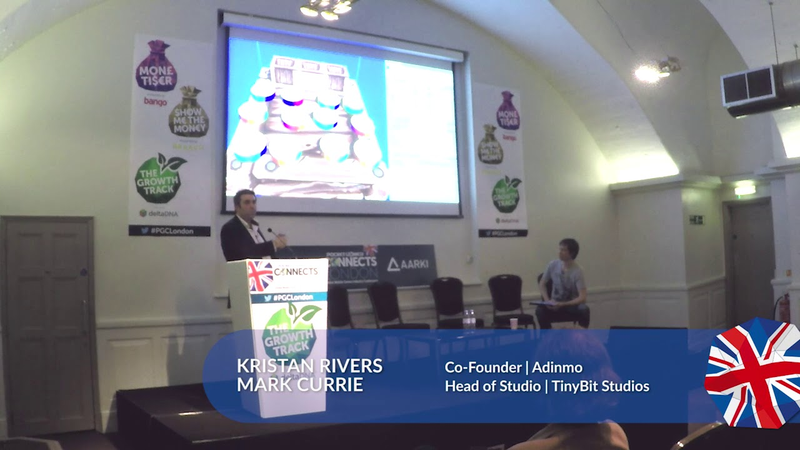
In-game advertising Sucks. We are fixing that – A chat on dynamic in-game advertising
The current landscape of in-game advertising is characterized by intrusive formats that often degrade the user experience and fail to provide effective brand awareness for advertisers.
- Dynamic in-game advertising achieves brand recall rates of 80% to 85%, significantly outperforming the 17% to 18% recall typically seen with standard video ads.
- Traditional ad formats like rewarded videos and interstitials cause over 70% of gamers to actively avoid them, often leading to player churn and the cannibalization of in-app purchase revenue.
- Dynamic advertising replaces intrusive pop-ups with non-disruptive, cinematic-style product placements on in-game assets, such as billboards, that maintain the game's aesthetic integrity.
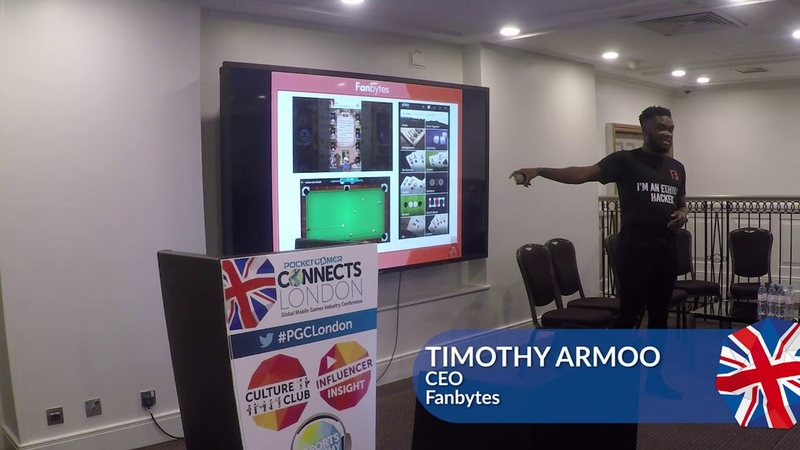
The ethical hacker’s guide to winning with Gen Z
The ethical hacker’s guide to winning with Gen Z focuses on effective strategies for driving app downloads among younger demographics by adopting their cultural language and communication habits.
- Adopting Gen Z cultural language and meme-based content can drastically reduce cost-per-install (CPI), as seen with Ouevo, which lowered its CPI from $4.00 to $0.50 by repurposing a viral meme.
- Integrating brands into existing cultural conversations rather than using traditional, self-promotional advertising improves user acquisition efficiency and engagement.
- Prioritizing emotional connection and social experience over technical gameplay features is a core driver for scaling user bases, as demonstrated by Plato growing from 20,000 to 200,000 daily active users in six months.
Snapchat influencers case studies for a games industry audience
Effective influencer marketing for the gaming industry relies on shifting the focus from traditional product-centric advertising to culturally resonant, user-focused content.
- Shifting influencer creative from traditional gameplay trailers to culturally resonant, meme-style content significantly reduces cost-per-install (CPI) metrics.
- Marketing campaigns should prioritize social connection and shared fun by positioning games as tools for interaction rather than focusing on technical game mechanics.
- Content that mimics organic social media communication—utilizing memes and cultural touchpoints—is more effective at capturing younger demographics who are resistant to traditional advertising.
Ayzenberg | The Future of Brand Marketing for Games
Modern game marketing has transitioned from traditional creative advertising into a precise, data-driven discipline that bridges the gap between brand awareness and measurable financial return.
- Modern game marketing has shifted from traditional advertising to a data-driven model that directly links creative content to measurable financial return and conversion.
- Agencies are utilizing proprietary technology, including AI and sentiment analysis platforms, to move beyond vanity metrics and predict market trends based on consumer data.
- The industry is increasingly using in-game engines to produce cinematic assets, which creates more authentic experiences and fosters deeper emotional engagement with players.
The year of hyper-casual in China
The mobile gaming landscape in China is undergoing a significant shift as the hyper-casual genre, which has dominated Western markets, begins to gain substantial traction in the region.
- Hyper-casual games offer a significant cost advantage in China, with player acquisition costs estimated to be seven to 13 times lower than those for traditional core gaming titles.
- Western developers have a strategic entry opportunity because Chinese studios currently lack the specialized infrastructure and expertise required to produce high-quality casual games.
- Hyper-casual titles face lower regulatory risk than core games because their revenue models rely on advertising rather than loot boxes or heavy in-app purchases.
Why you must focus on ad whales for your UA strategy
The primary objective of modern user acquisition (UA) strategy is to shift focus toward identifying and targeting "ad whales"—users who generate significant revenue through in-app advertising by frequently engaging with and converting on advertised content.
- Ad whales follow a power-law distribution where approximately 10% of users generate 60% to 70% of total ad revenue, making them six times more valuable than the average user.
- Integrating user-level ad revenue data into ROI models is essential for accurate campaign profitability assessment and preventing the misallocation of UA budgets.
- Targeting look-alike audiences based on high-value ad consumers on platforms like Facebook and Snapchat often results in lower cost-per-install (CPI) rates compared to traditional IAP-focused targeting.
How to gain more users with complementing organic and paid strategies
The integration of organic and paid user acquisition strategies is essential for maximizing app discoverability and growth.
- Paid user acquisition (UA) drives organic growth through the 'K-factor,' which represents the number of organic installs gained for every paid install.
- The K-factor varies significantly by industry; for example, transportation apps average 17 organic installs per paid install due to their inherent viral and community-driven nature.
- A/B testing creative assets for organic App Store Optimization (ASO) can improve paid campaign performance, with winning themes applied to paid ads yielding up to a 20% increase in conversion rates.
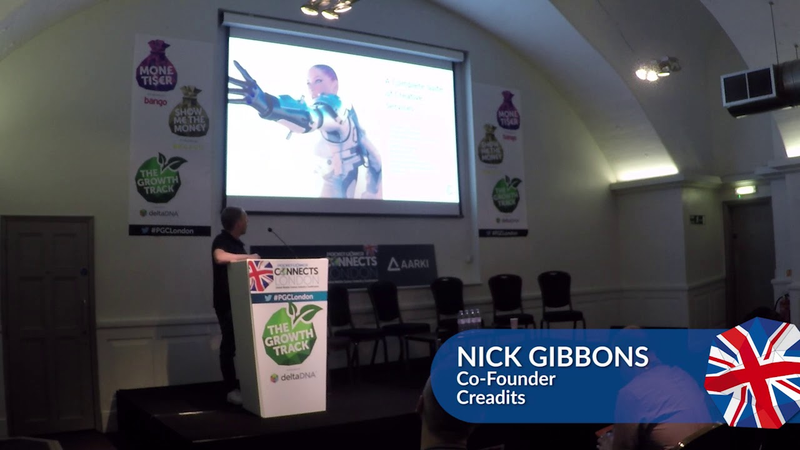
Building a creative machine for the digital marketing landscape of today
The digital marketing landscape is increasingly defined by automated, algorithmic campaign management, which has effectively commoditized media buying and reduced the level of control available to advertisers.
- Creative assets have become the primary lever for competitive differentiation and ROI as automated, black-box algorithmic management commoditizes media buying.
- Rising media costs across major platforms necessitate a shift from sporadic creative production to an always-on, performance-driven model to maintain profitability.
- Scaling creative output is the core challenge for modern marketing teams, as internal resource constraints limit the volume of concepts available for testing.
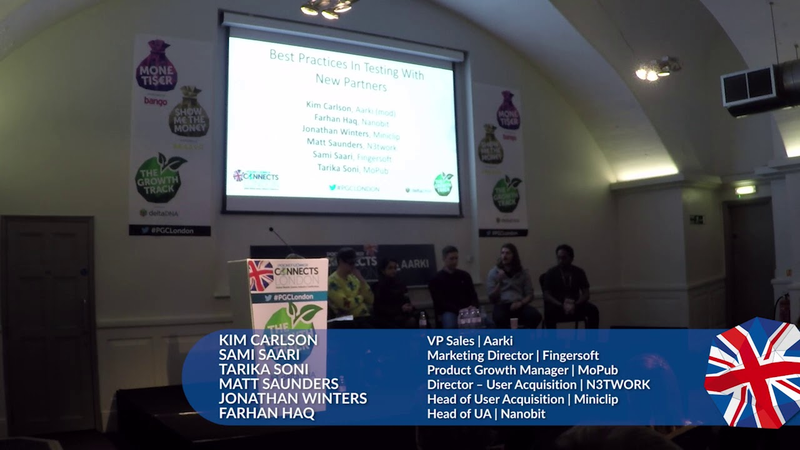
Best practices in testing with new partners
User acquisition strategies in the mobile gaming industry currently center on balancing the dominance of major platforms like Facebook and Google with the necessity of diversifying reach through alternative partners.
- Limit active ad networks to fewer than ten trusted partners to maintain operational efficiency and prevent resource fragmentation.
- Prioritize direct providers over intermediaries and conduct rigorous vetting to ensure traffic transparency and genuine incremental value.
- Mitigate financial risk by utilizing low-risk pricing models like cost-per-install or cost-per-action before transitioning to complex bidding strategies.

Zorka.Mobi on why influencer marketing is no longer a trend, but a business
Influencer marketing has transitioned from a fleeting industry trend into a foundational business pillar for user acquisition in the gaming sector.
- Influencer marketing has evolved from a trend into a core business pillar for game user acquisition, requiring data-driven strategies to ensure predictable ROI.
- Agencies now utilize databases containing over 300,000 channels to match game profiles with creators, allowing for precise targeting based on player personas, age, and geography.
- Testing campaigns with smaller channels before scaling is a critical methodology for refining audience targeting and discovering non-obvious verticals, such as finding FPS players within automotive-focused content.