Advertising reports and market data
Documents
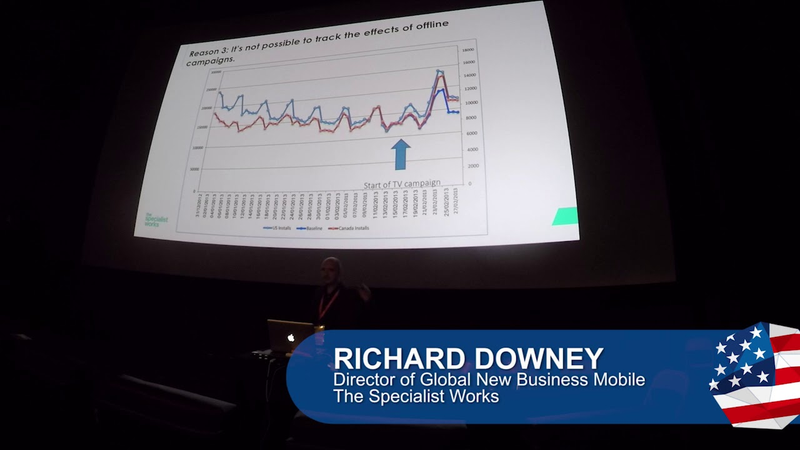
How offline advertising can boost your mobile and digital acquisition performance
Offline advertising, particularly television, serves as a powerful, trackable, and optimizable tool for mobile game user acquisition when executed with a data-driven strategy.
- Offline advertising, particularly television, functions as a measurable and optimizable channel that improves digital KPIs such as click-through rates, lifetime value, and brand authority.
- Integrating offline media with digital campaigns creates a halo effect that increases the overall efficiency and purchase intent of Facebook, PPC, and influencer marketing efforts.
- Developers can isolate the impact of TV campaigns on app store spikes and organic growth by using baseline tracking to compare performance across regions with and without offline support.
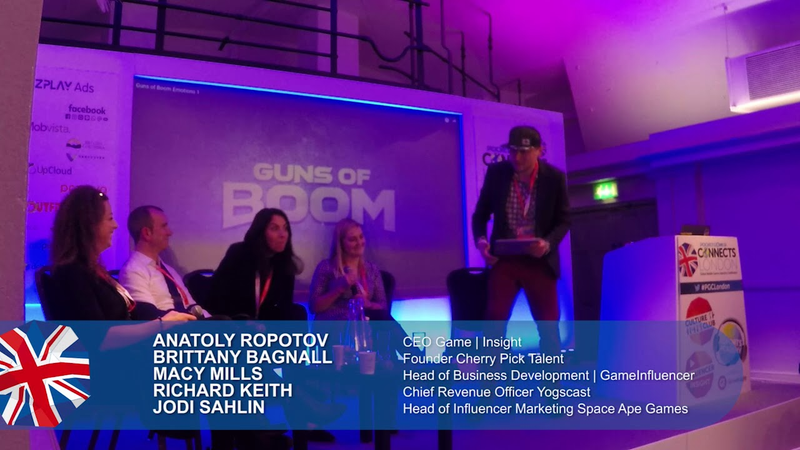
Panel: Influencer Marketing Uncovered
Successful influencer marketing in the gaming industry relies on prioritizing authentic creator passion and long-term relationship building over superficial metrics like total view counts.
- Prioritize long-term partnerships with creators who genuinely enjoy the game, as these authentic collaborations yield higher ROI than campaigns focused solely on high-reach, top-tier talent.
- Niche influencers frequently outperform larger personalities by delivering superior conversion rates and fostering the audience trust necessary for player retention.
- Move away from transactional, one-off promotional videos in favor of sustained collaborations that allow for high-effort content like live-action stunts and community challenges.
5 secret hacks to winning on Snapchat!
The primary objective of this presentation is to provide mobile app developers and marketers with actionable strategies for driving app downloads and user engagement on Snapchat.
- Successful Snapchat campaigns for the 17-to-21-year-old demographic must prioritize interactivity, cultural integration, and emotional connections rather than repurposing traditional, polished advertisements.
- Brands should design ads that invite active user participation, such as screenshotting or engaging in back-and-forth dialogue, to avoid the high skip rates associated with static messaging.
- Integrating advertisements into existing cultural moments and memes allows brands to appear as native content, reducing the perception of ads as intrusive interruptions.

Maxing out your Facebook user acquisition for games
Effective user acquisition for mobile games on Facebook and Instagram relies on a sophisticated transition from broad, volume-based targeting to highly refined, value-driven optimization.
- Transition user acquisition strategies from broad, volume-based install targeting to App Event Optimization and Value Optimization once sufficient player data is collected.
- Identify and prioritize specific post-install milestones, such as tutorial completion or competitive ranking, to train algorithms to target high-value players rather than just download volume.
- Focus human effort on creative strategy and visual storytelling, as constant iteration of ad content is the primary differentiator for success in a landscape where automation handles technical delivery.
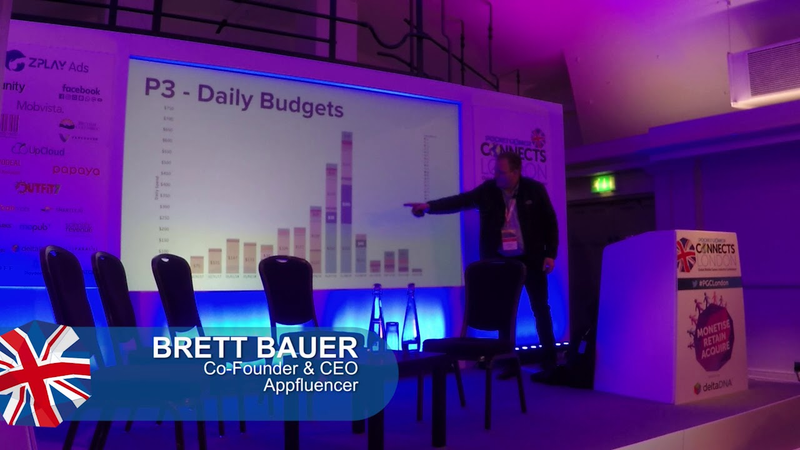
Through the looking glass – Following the rabbit down the data… Whole
This analysis explores a data-driven methodology for optimizing user acquisition (UA) campaigns through transparent, real-time bidding (RTB) platforms.
- Shift user acquisition focus from vanity metrics like click-through rates to value-based outcomes, specifically long-term user retention and monetization.
- High click-through rates are poor indicators of performance, as some low-engagement creatives have been shown to generate double the installs at a fraction of the cost.
- Utilize machine learning systems capable of processing over 24 trillion daily calculations to automate complex decisions regarding country targeting, app selection, and dynamic pricing.
5 reasons why you need to embrace interactive ads now
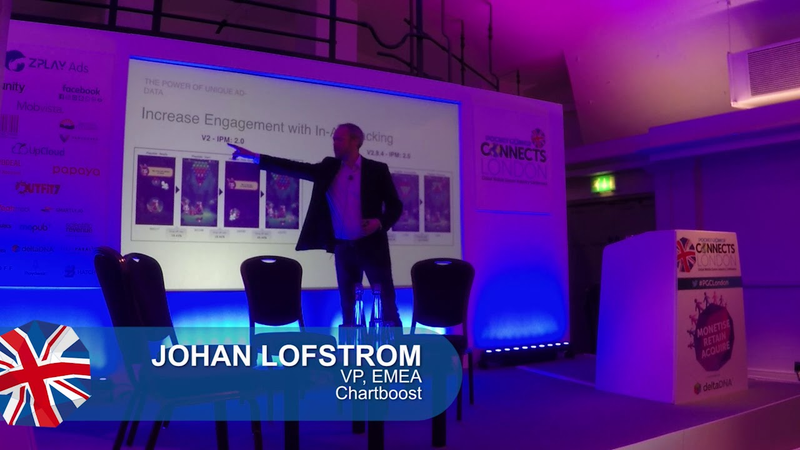
Interactive advertising represents the next generation of mobile marketing, offering superior performance compared to traditional banners, interstitials, and standard video units.
- Interactive ads, including playables and interactive videos, outperform traditional banners and interstitials by driving higher conversion rates, improved brand recall, and superior long-term user retention.
- Interactive formats provide granular data that allows developers to track user behavior within the ad, identifying specific drop-off points to optimize ad funnels.
- Analyzing metrics like installs per mille (IPM) enables developers to refine ad content, remove unnecessary tutorial steps, and highlight the most compelling gameplay elements to increase revenue and ROI.

Gamified panel: Which ad won?
Interactive mobile advertising strategies prioritize gameplay-driven mechanics to maximize user acquisition and conversion.
- Granular creative refinement and visual iterations can drive performance improvements of up to 99%.
- Localized creative assets significantly boost performance, yielding up to a 56% uplift in specific markets like Sweden.
- Interactive, gameplay-driven ads consistently outperform static or video-only formats in user acquisition and conversion.

Influencer marketing: The tips that your app needs
Influencer marketing has emerged as a high-growth channel for mobile game user acquisition, driven by increasing consumer trust in content creators and the widespread adoption of ad-blocking technology.
- Influencer marketing serves as a high-growth user acquisition channel that bypasses ad-blocking technology by leveraging the authentic trust between creators and their audiences.
- Mid-tier creators often outperform top-tier influencers in both cost-efficiency and campaign performance, making them a more strategic focus for most mobile game developers.
- Campaign success relies on providing creators with language-specific briefs and in-app incentives to drive conversions, supported by 24/7 communication to manage operational needs.
From missile defense to user acquisition – How advanced AI models predict performance
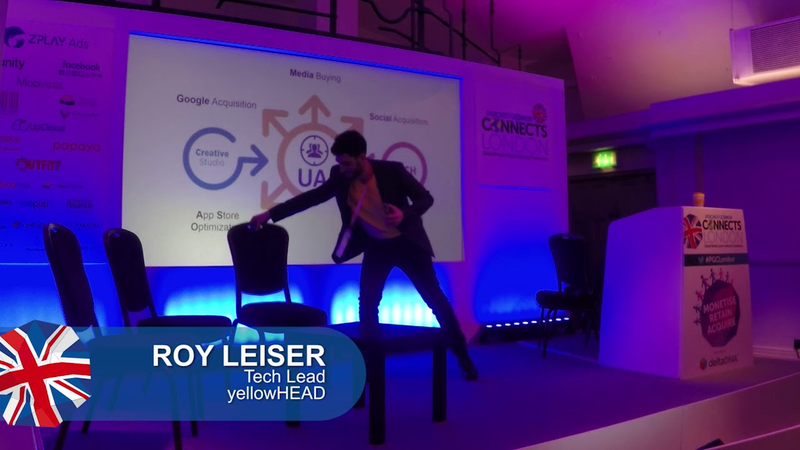
Predictive intelligence technology, specifically machine learning, serves as a transformative tool for optimizing user acquisition (UA) and mitigating wasted advertising spend.
- Integrating predictive AI into user acquisition can nearly double the success rate of campaign management decisions compared to manual oversight alone.
- Predictive models identify an 'optimum CPI' threshold where additional advertising spend transitions from boosting ROI to yielding diminishing returns.
- Machine learning algorithms analyze granular metrics, such as day-by-day ROI accumulation and the correlation between CPI and user value, to forecast future performance with high precision.

Papaya Mobile building its user acquisition empire
Papaya Mobile operates as a long-standing performance marketing specialist focused on mobile user acquisition, evolving over a decade from a game developer into a cross-promotional platform, an ad network, and finally a social media-focused agency.
- Papaya Mobile acts as a major reseller for global advertising platforms including Facebook, Google, Pinterest, LinkedIn, and Snapchat to facilitate cross-border user acquisition.
- The company has transitioned from a game developer into a specialized agency that bridges Chinese mobile applications with international markets, with a current strategic focus on the European games sector.
- Marketing strategy has shifted from prioritizing simple install volume to focusing on post-install events and long-term user value (LTV) to drive monetization efficiency.

Influencer marketing with Zorka.Mobi
Influencer marketing serves as a critical driver for mobile game user acquisition, bridging the gap between game developers and relevant audiences through native video content.
- Influencer marketing drives mobile game user acquisition by utilizing native video content to reach specific demographics across platforms like YouTube, Twitter, and Facebook.
- Campaign effectiveness is optimized through a data-driven methodology that uses proprietary tools to analyze historical influencer performance and predict outcomes.
- Agencies typically initiate campaigns with a test phase involving three to ten influencers to gather data for refining larger-scale, subsequent launches.
Why Search + Social = Success for Brands: The Role of Search and Social in the Customer Life Cycle
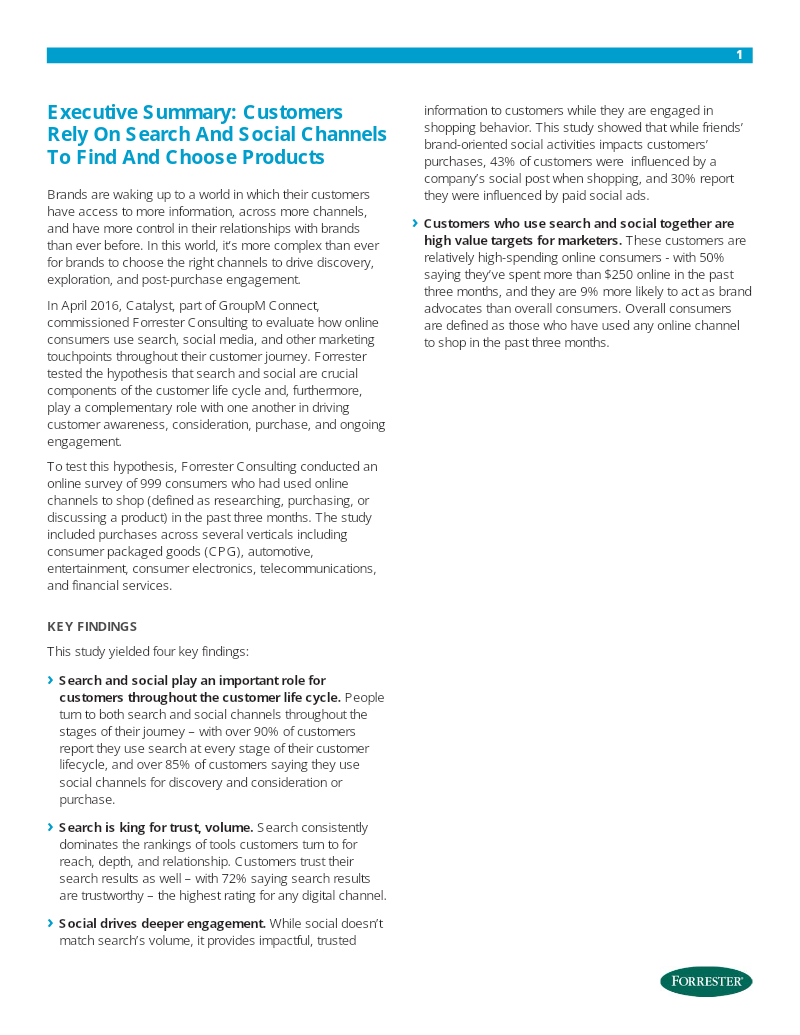
This analysis examines the complementary roles of search and social media channels throughout the customer life cycle, specifically focusing on how these platforms drive product discovery, consideration, and post-purchase engagement.
- Over 90% of consumers utilize search engines or retailer sites at every stage of the customer journey, establishing search as the primary driver for volume and trust.
- 58% of shoppers use both search and social channels for a single purchase, representing a high-value demographic that is 9% more likely to act as a brand advocate than the average consumer.
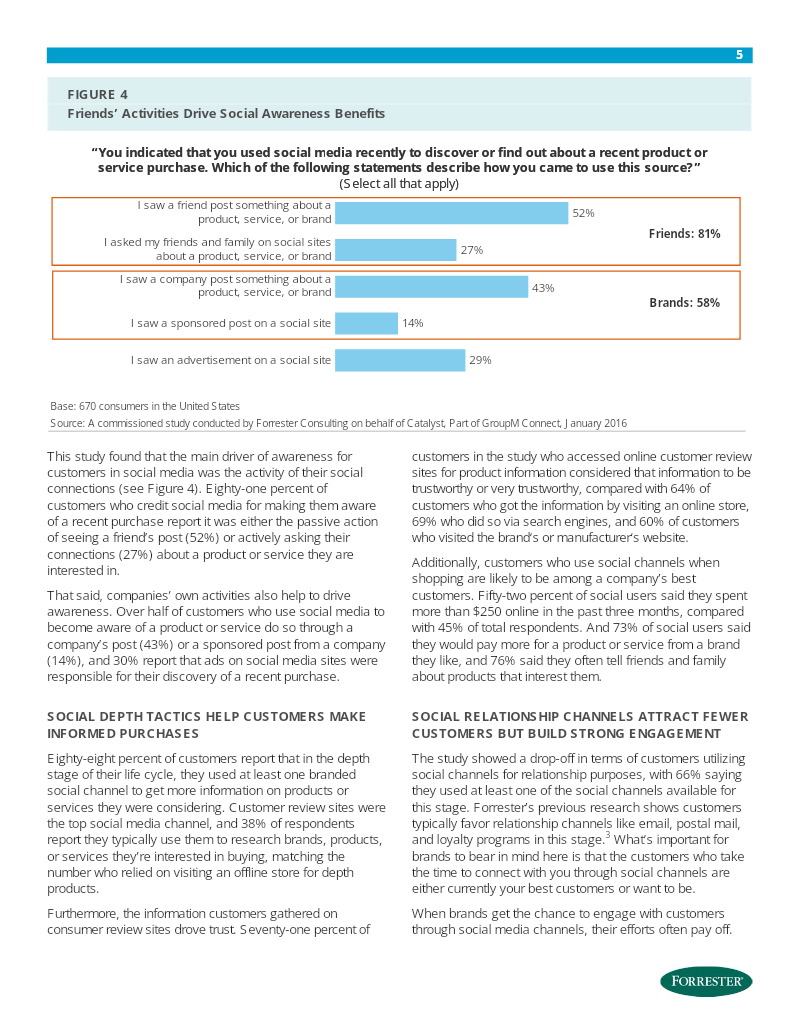
- Peer activity is the primary social influence, with 81% of consumers who discovered a product via social media citing friends' posts as a factor, compared to 43% influenced by company-generated content.