
World of Warcraft
GameBy Blizzard Entertainment · Released Nov 23, 2004
Documents about World of Warcraft
Update: NetEase and Activision Blizzard Legal Status
The reported legal conflict between NetEase and Activision Blizzard regarding a $43.4 million USD debt has been clarified as a case of mistaken identity.
- Initial reports that NetEase filed a $43.4 million lawsuit against Activision Blizzard were incorrect, as the legal action was actually initiated by an individual gamer named Yang Jun.
- The confusion stemmed from multiple court filings, with the litigation involving a dispute over a World of Warcraft account rather than a corporate claim from NetEase.
- Activision Blizzard confirmed it has not received an indictment regarding the alleged $43.4 million debt and maintains that it has not violated any license agreements.
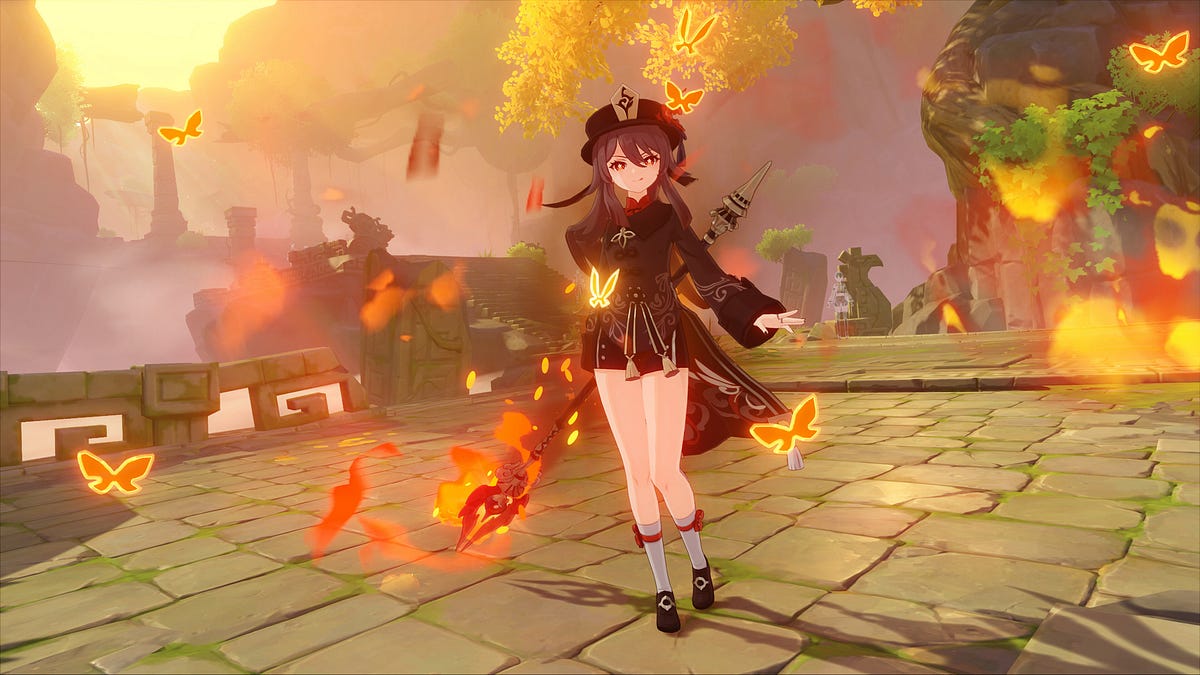
Shannon's Newsletter Issue #1: Chinese Spy Balloon, Genshin Impact, World of Warcraft Refunds, the S.E.C.'s $35 Million Fine and More
This inaugural newsletter serves as a platform for independent, investigative journalism focused on the intersection of the video game industry, technology, and global politics.
- Activision Blizzard was fined $35 million by the U.S. Securities and Exchange Commission for failing to maintain adequate workplace misconduct controls and violating whistleblower protections between 2018 and 2021.
- Over one million Chinese gamers requested refunds for Blizzard titles including World of Warcraft and Overwatch following the termination of the licensing partnership between Blizzard and NetEase.
- The collapse of the Blizzard-NetEase licensing agreement highlights significant geopolitical and corporate instability within the U.S.-China gaming market.

Activision Blizzard Games Going Offline: China
As of January 24, 2023, Activision Blizzard ceased operations for several major titles in China, including World of Warcraft, Hearthstone, StarCraft, and Overwatch 2.
- As of January 24, 2023, Activision Blizzard games including World of Warcraft, Hearthstone, Overwatch 2, and StarCraft have gone offline in China due to the expiration of the company's 14-year partnership with NetEase.
- Because NetEase held the official government-mandated game approvals, the termination of the partnership effectively stripped the titles of their legal authorization to operate in the Chinese market.
- Any potential return of these titles to the Chinese market requires new government approval, a process that industry estimates suggest could take between six months and two years.

NetEase vs. Activision Blizzard: Why NetEase Had to Refuse a Six-Month Extension
The breakdown of the 14-year partnership between NetEase and Activision Blizzard in early 2023 centered on a failed proposal to extend their distribution agreement by six months.
- NetEase refused a six-month contract extension proposed by Activision Blizzard in January 2023, effectively ending a 14-year distribution partnership for titles including World of Warcraft, Hearthstone, and Overwatch.
- NetEase had already disbanded its local operations team and laid off nearly 100 employees following the initial November 2022 announcement that the partnership would conclude on January 23, 2023.
- NetEase characterized the extension proposal as 'outrageous' and 'unseemly,' citing unfair conditions and noting that Activision Blizzard’s negotiations with other potential partners were based on three-year terms.

Microsoft Gets Pre-Trial Hearing for Activision Blizzard Acquisition
A federal court has scheduled a pre-trial hearing for January 3, 2023, to address motions and arguments regarding Microsoft’s proposed $69 billion acquisition of Activision Blizzard.
- Microsoft and the FTC are scheduled for a pre-trial hearing on January 3 to determine the progression of the lawsuit regarding Microsoft's proposed $69 billion acquisition of Activision Blizzard.
- The FTC filed a lawsuit on December 8, 2022, to block the merger, alleging that the deal would create a monopoly and allow Microsoft to degrade rivals' access to key content like Call of Duty and World of Warcraft.
- Microsoft’s formal response argues that the FTC’s opposition violates its Fifth Amendment due process rights and contends that Sony is attempting to use antitrust laws to protect its own dominant market position.
Workers at Activision Blizzard Studio Proletariat Organize
In December 2022, a supermajority of employees at the Boston-based game studio Proletariat announced their intent to unionize, filing for a representation election with the National Labor Relations Board.
- A supermajority of workers at the Boston-based studio Proletariat have filed for a union election with the National Labor Relations Board, seeking representation through the Proletariat Workers Alliance/CWA.
- If successful, Proletariat would become the third Activision Blizzard studio to unionize, following Raven Software and Blizzard Albany, though it is the first to include the entire studio workforce rather than just QA staff.
- Microsoft, which is in the process of acquiring Activision Blizzard for $69 billion, has signed an agreement with the union to remain neutral regarding organizing efforts.
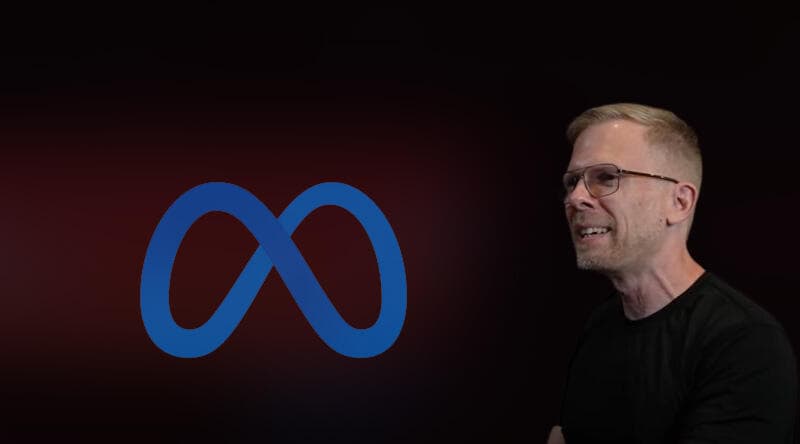
One Legend Enters, Another One Leaves
The gaming and esports industry experienced significant leadership shifts during the week ending December 17, 2022, characterized by the return of veteran talent to established studios and the departure of high-profile figures from emerging technology sectors.
- John Carmack has officially resigned from his advisory role at Meta, citing fundamental disagreements with leadership regarding the company's VR and metaverse strategy.
- Riot Games has hired former Disney executive Cristina Fiumara as the new global head of animation content development to lead their film and TV initiatives.
- Chris Metzen has returned to Blizzard Entertainment as a creative advisor to help shape the future of the World of Warcraft franchise and other major intellectual properties.
Federal Trade Commission Officially Opposes Microsoft’s Activision Blizzard Buyout
The Federal Trade Commission (FTC) formally initiated legal action in December 2022 to block Microsoft’s proposed $69 billion acquisition of Activision Blizzard.
- The U.S. Federal Trade Commission (FTC) officially filed a lawsuit on December 8, 2022, to block Microsoft’s proposed $69 billion acquisition of Activision Blizzard.
- The FTC alleges the merger would harm consumers and stifle competition by allowing Microsoft to leverage AAA titles like Call of Duty and World of Warcraft to force users toward its own console and cloud gaming platforms.
- The decision to file the lawsuit followed a 3-1 vote by FTC commissioners.
Microsoft Prepared to Fight FTC in Court Over Activision Blizzard Merger
Microsoft is prepared to challenge the Federal Trade Commission (FTC) in court to secure its proposed $69 billion acquisition of Activision Blizzard.
- Microsoft is prepared to challenge the Federal Trade Commission (FTC) in court to defend its proposed $69 billion acquisition of Activision Blizzard.
- The company is reportedly negotiating a 10-year agreement with Sony to keep the Call of Duty franchise available on PlayStation platforms to address antitrust concerns.
- Regulatory opposition to the merger has been driven by concerns regarding market competition in jurisdictions including the UK and the European Union.
Serbia Approves Microsoft’s Activision Blizzard Acquisition as FTC Mulls Opposition
The Serbian government has granted unconditional approval for Microsoft’s proposed $69 billion acquisition of Activision Blizzard, marking a notable regulatory milestone for the tech giant.
- The U.S. Federal Trade Commission (FTC) is reportedly preparing an antitrust lawsuit to block Microsoft’s $69 billion acquisition of Activision Blizzard.
- The Serbian government has granted unconditional approval for the acquisition, joining Brazil and Saudi Arabia as jurisdictions that have cleared the deal.
- Microsoft is preparing to offer remedies to European Union regulators, including a proposed 10-year licensing deal for Call of Duty, to address concerns regarding platform exclusivity.
Market Wire: November 21, 2022
The November 21, 2022, market update provides a synthesis of key industry developments, financial data, and emerging trends within the global video game sector.
- The global games market is projected to decline 4.3% to $184.4 billion in 2022, with the mobile sector accounting for the majority of this downturn.
- Despite the overall market contraction, mobile gaming is expected to retain a 50% market share, generating approximately $92.2 billion in revenue for the year.
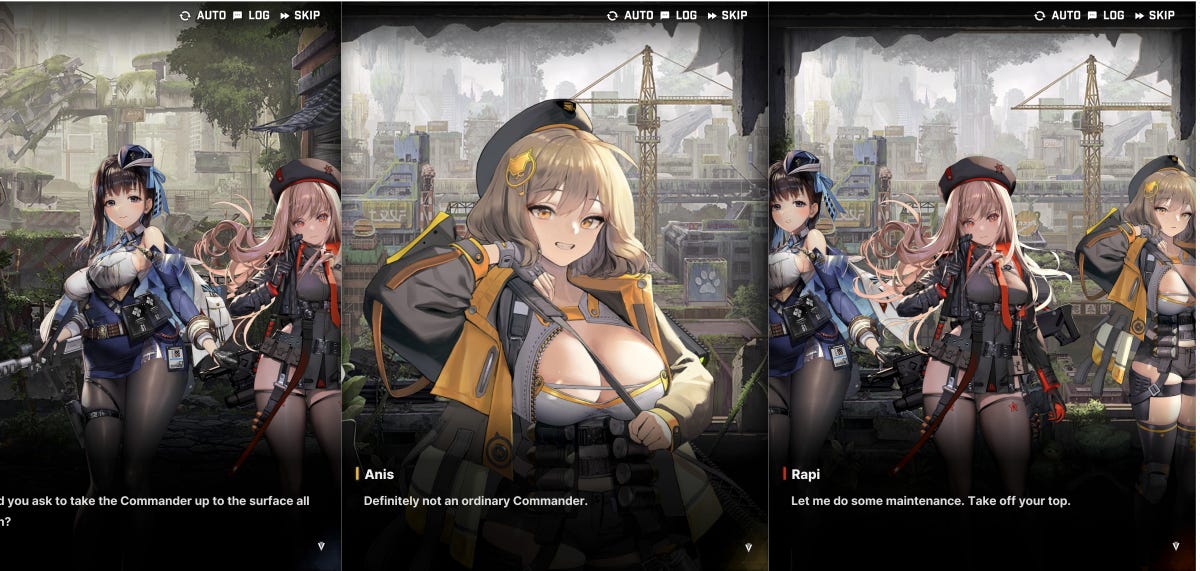
- The mobile game 'Goddess of Victory: Nikki' achieved significant commercial success following its November 2, 2022 launch, generating roughly $57 million in cumulative net revenue and 5.5 million downloads by November 20.
All Aboard the Axie Infinity Hype Train
This analysis examines the volatile intersection of blockchain technology and traditional gaming, focusing on the rapid rise of Axie Infinity and the broader strategic shifts among major tech platforms.
- Axie Infinity’s play-to-earn model faces long-term viability challenges as competitors like Illuvium introduce more sophisticated financial structures, such as double-sided staking.
- Valve’s Steam Deck poses a direct competitive threat to the $11 billion gaming laptop market.
- Historical industry trends suggest that gaming 'sensations' often struggle to maintain long-term valuations comparable to established media giants like Disney.
Companies behind it
 Blizzard Entertainmentdeveloper50
 Microsoftowner, developer1,080
 Activision Blizzarddeveloper, owner413
- Wizards of the Coastowner49
As the documents state it.