
Super Mario World
GameBy Nintendo Entertainment Analysis & Development · Released Nov 21, 1990
A 2D platformer and first entry on the SNES in the Super Mario franchise, Super Mario World follows Mario as he attempts to defeat Bowser's underlings and rescue Princess Peach from his clutches.
Connections
Each row is a game or company named alongside Super Mario World, each column a document, oldest first. A mark means that document names it. Select a row to see those documents.
About the game
- Released
- Nov 21, 1990
- Developer
- Nintendo Entertainment Analysis & Development
- Publishers
- Nintendo, Playtronic, Gradiente, Hyundai
- Genres
- Platform, Adventure
- Platforms
- Arcade, Super Nintendo Entertainment System, Wii, Wii U, New Nintendo 3DS, Super Famicom
- Links
- Official site, Wikipedia
Game data from IGDB.com
Documents about Super Mario World
Nintendo Announces a Slew of Price Hikes, Beyond Just the Switch 2
Nintendo announced a comprehensive set of price adjustments affecting its product line, including a $50 increase for the Switch 2 in the United States, Canada, and Europe effective September 1, and a $50 rise for various Switch 2 and original Switch models in Japan effective May 25.
- Nintendo is increasing the price of the Switch 2 by $50 in the U.S., Canada, and Europe starting September 1, with a $50 increase for various Switch models in Japan effective May 25.
- Rising component costs, specifically memory chips, and tariff impacts are expected to add ¥100 billion ($638 million) in additional expenses for Nintendo this fiscal year.
- Nintendo has lowered its full-year sales projection for the Switch 2 to 16.5 million units for the April 2026 to March 2027 period, citing market saturation and the new price hikes.
Why Nintendo Is Super
The provided text examines the enduring success and creative philosophy of Nintendo, primarily through the lens of Keza MacDonald’s book, Super Nintendo.
- Nintendo’s core creative philosophy, 'lateral thinking with withered technology,' prioritizes inventive gameplay mechanics over the pursuit of raw technical hardware power.
- The company’s long-term financial stability and cash-rich business model allow it to absorb market failures and pursue creative risks without the pressure to downsize or restructure.
- Nintendo maintains a unique, non-hierarchical corporate culture that fosters interdisciplinary collaboration and preserves deep institutional knowledge across its 137-year history.
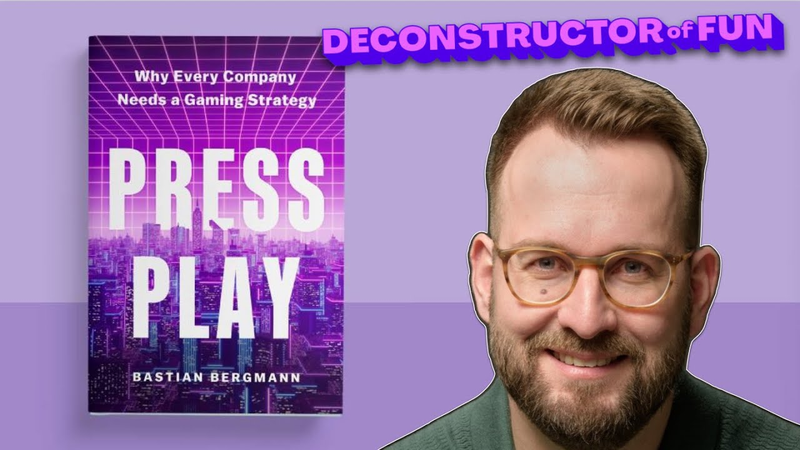
Why Adding Brands to Games Is So Hard with Bastian Bergmann
Video games represent a uniquely powerful medium for human transformation, driven by the fundamental human impulse for play.
- Brands should prioritize low-lift partnerships within existing gaming ecosystems rather than building custom experiences from scratch to mitigate risk and development costs.
- Successful brand integration requires shifting from traditional advertising to gamification that aligns with the inherent mechanics of play, as seen in Peloton’s Lane Break and Dettol’s Roblox campaigns.
- To move beyond vague awareness metrics, organizations must establish business-aligned KPIs such as loyalty sign-ups and long-term retention to track the effectiveness of gaming initiatives.
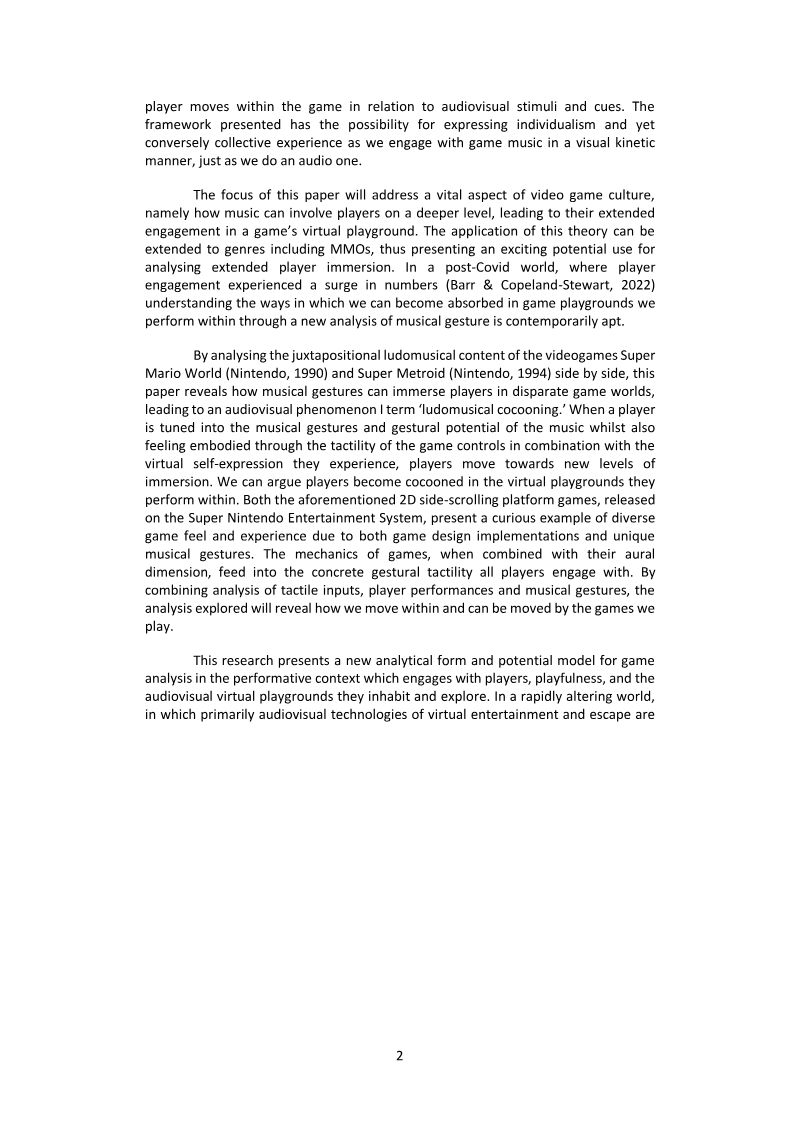
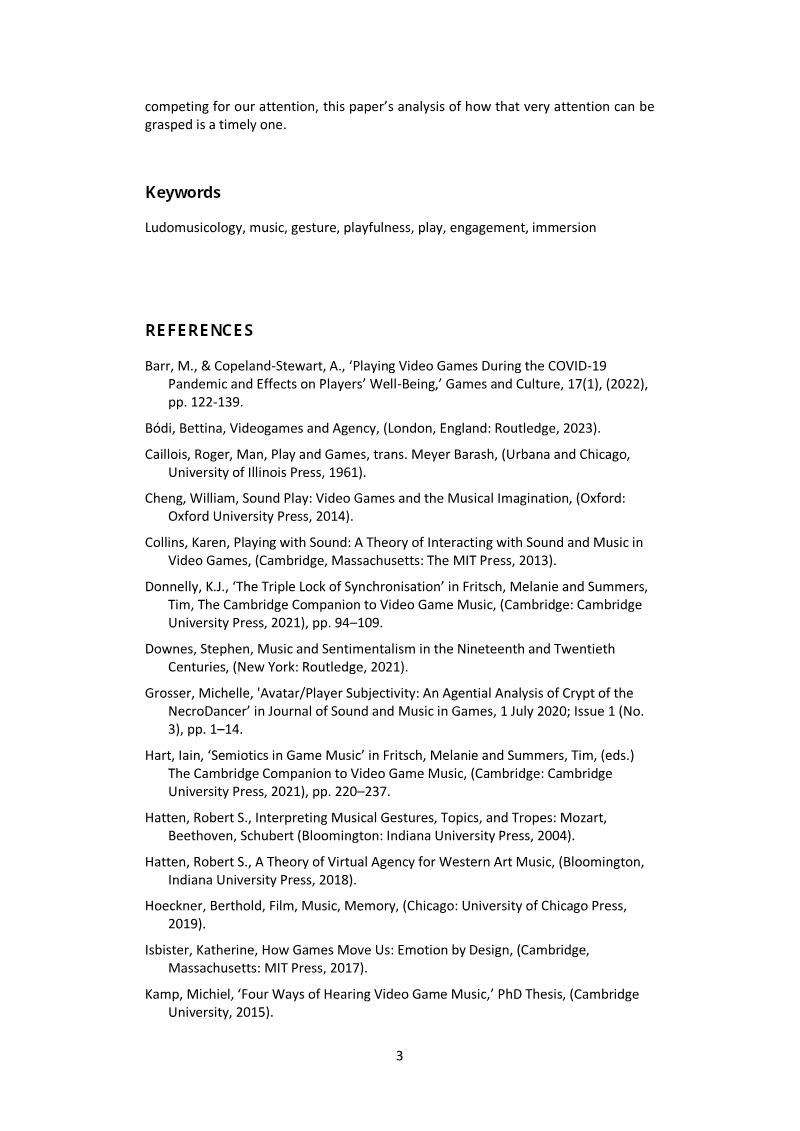
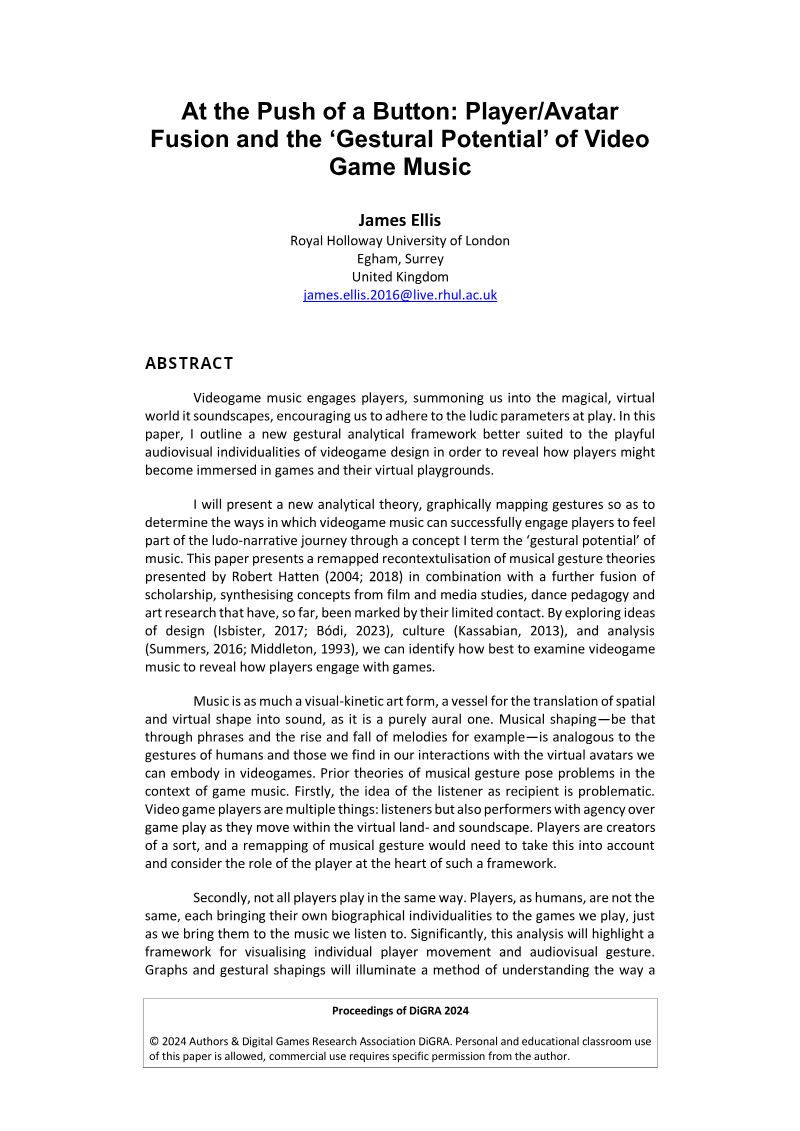
At the Push of a Button: Player/Avatar Fusion and the 'Gestural Potential' of Video Game Music
This paper proposes a new gestural analytical framework for understanding how video game music engages players and draws them into the ludo-narrative worlds they inhabit.
- The paper proposes a 'gestural potential' framework that extends Robert Hatten's musical gesture theory by treating the player as both listener and performer with agency over the game's virtual landscape, rather than a passive listener.
- The author argues that existing musical gesture theories, which assume passive listeners, are inadequate for game music and that any framework must account for individual differences in how players move through games.
- The primary case study compares the music and level design of two SNES 2D side-scrolling platformers, Super Mario World and Super Metroid, to identify a phenomenon termed 'ludomusical cocooning', in which attuned, embodied players reach heightened immersion.
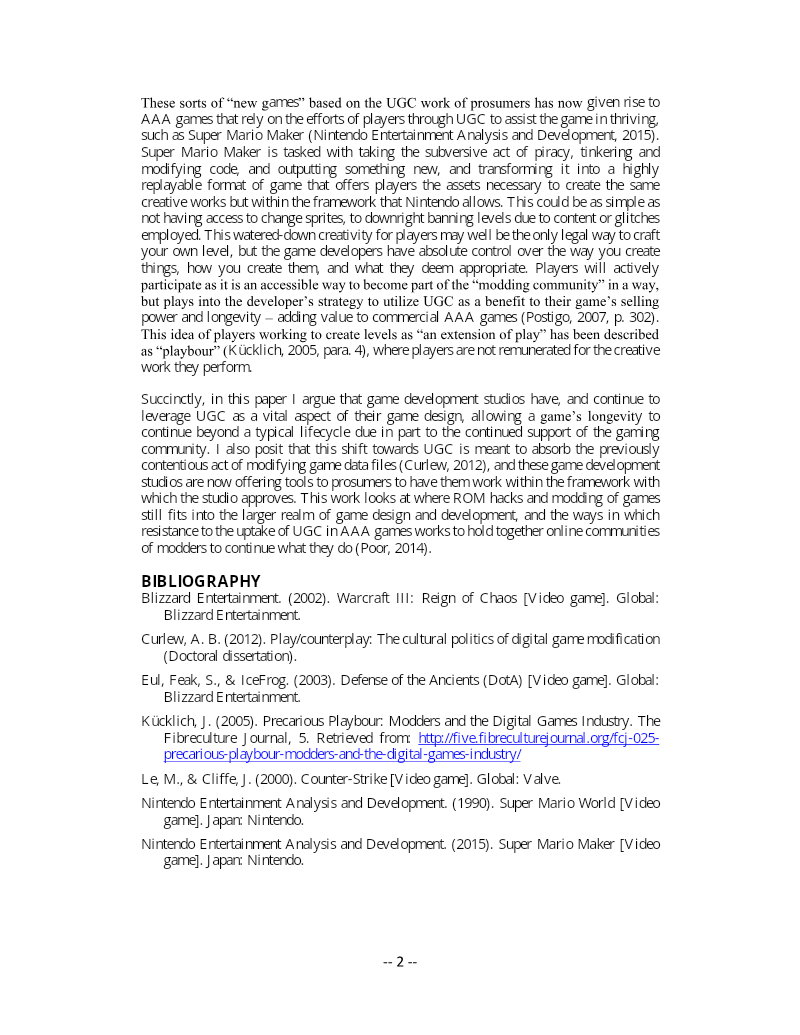
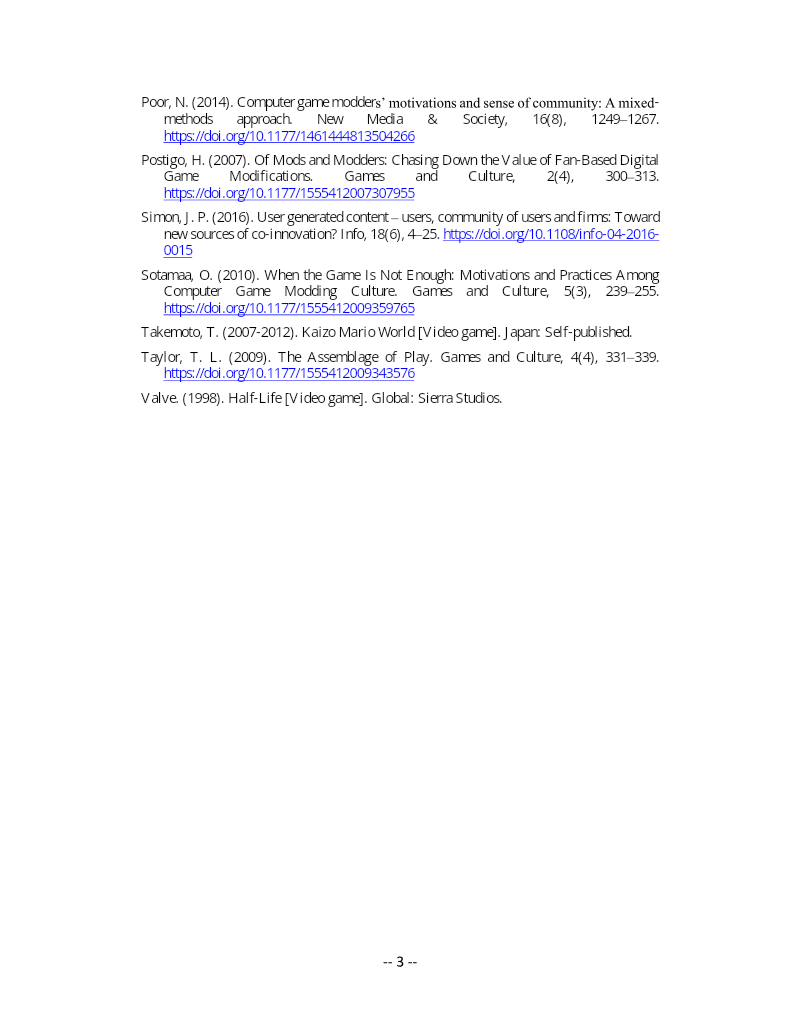
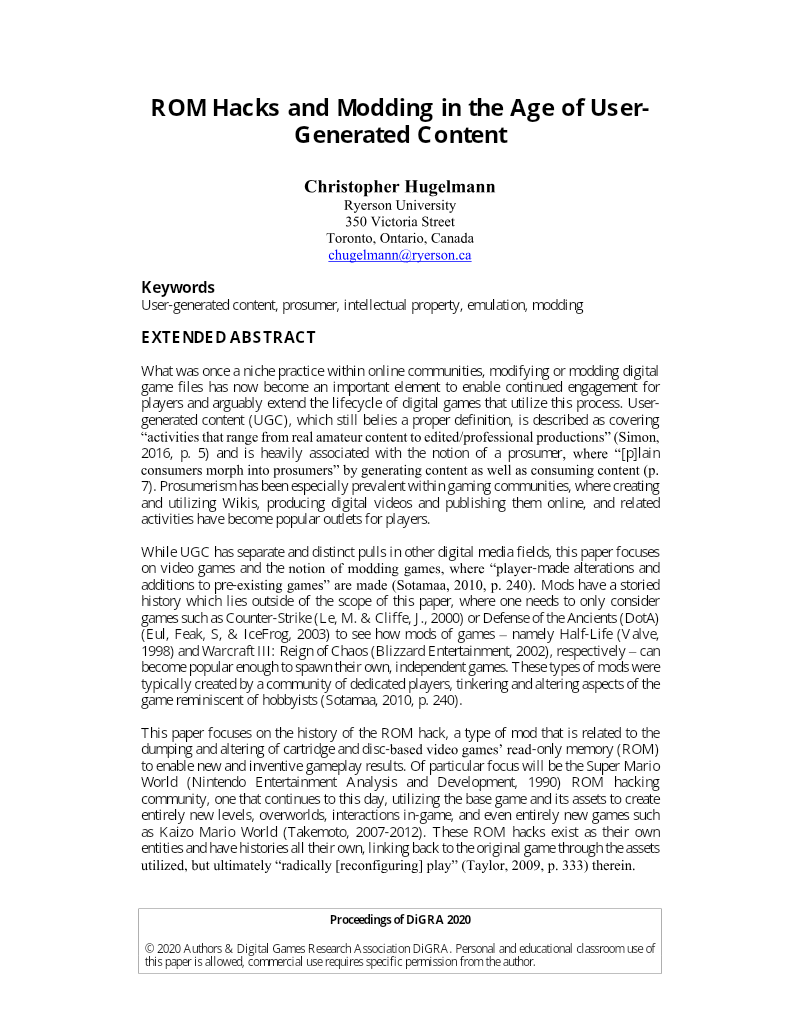
ROM Hacks and Modding in the Age of User-Generated Content
This paper examines ROM hacking and player modding of video games in the context of user-generated content (UGC) and the figure of the prosumer, who both consumes and produces content.
- The paper argues that developers increasingly build user-generated content into their design strategies to extend the commercial lifecycle of games, thereby absorbing the once-contentious practice of modifying game data.
- Super Mario Maker is presented as a case study in which a major publisher takes the subversive activity of ROM hacking and code modification and channels it into a controlled, highly replayable, officially sanctioned tool.
- Developers retain authority over what players can create, how they can create it, and what content is permitted, including banning levels that feature certain content or exploit glitches.
Companies behind it
As the documents state it.