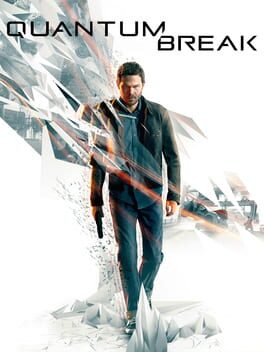
Quantum Break
GameBy Remedy Entertainment · Released Apr 2016
Fix Time Before It Destroys Everything! When time breaks, catastrophe becomes your playground. As hero Jack Joyce, you'll fight your way through epic disasters that stutter back and forth in time. But surviving this unstable world--and halting the end of time itself--is only possible by mastering your new time powers.
Connections
Each row is a game or company named alongside Quantum Break, each column a document, oldest first. A mark means that document names it. Select a row to see those documents.
About the game
- Released
- Apr 2016
- Developer
- Remedy Entertainment
- Publisher
- Microsoft Studios
- Genres
- Shooter, Adventure
- Platforms
- PC (Microsoft Windows), Xbox One
Game data from IGDB.com
Documents about Quantum Break
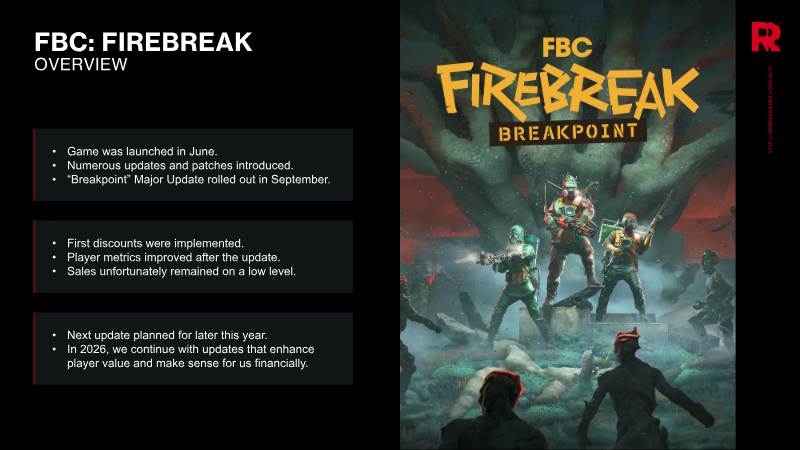
Remedy Entertainment Q3 2025 Business Review
Remedy Entertainment's Q3 2025 business review presents a difficult quarter marked by the commercial underperformance of FBC: Firebreak, while reaffirming the company's strategy and its 2027 financial targets.
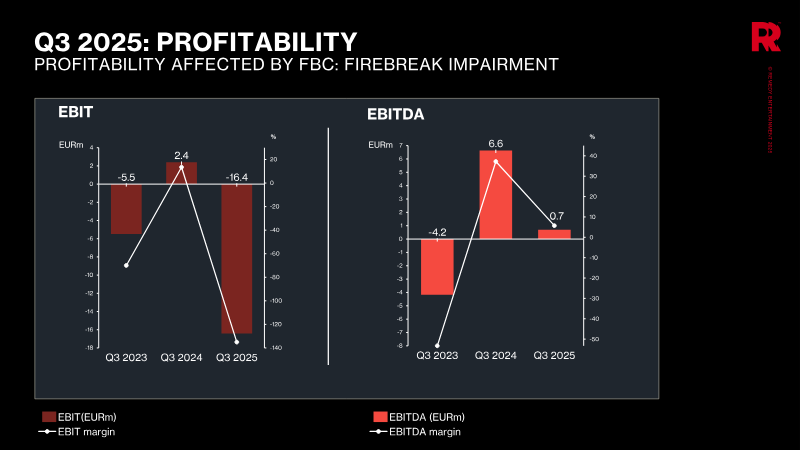
- Remedy Entertainment reported a 32% year-over-year revenue decline to €12.2 million and an 89% drop in EBITDA to €0.7 million for Q3 2025.
- The company recorded a €16.4 million EBIT loss, driven primarily by a €14.9 million non-cash impairment charge related to the development costs of the multiplayer title FBC: Firebreak.
- Management has downgraded the 2025 outlook, now projecting negative operating profit (EBIT) that will fall below 2024 levels.
Control (2019) and Concrete: The Haunting Thingness of Digital Assets
Remedy Entertainment's Control (2019) is read here through cultural-historical, Visual Studies, and new materialist lenses as a game preoccupied with the strangeness of "things."
- The paper reads Remedy Entertainment's 2019 game Control through new materialist and thing-theory frameworks, arguing its Brutalist concrete environments, mundane objects, and sand-based materials stage a haunting encounter with the agency of matter.
- The central claim is that Control entangles players in the deep-time ontology of sand, the historical memory of Brutalism, and the infrastructural power of neoliberal "societies of control," producing an experience that is eerie, weird, and oppressive.
- The author positions the work as a corrective to Game Studies' perceived neglect of visuality and of games' representation of things, which has focused more on hardware and platform substructures.
More Interaction, More Story, More Lore: Motivations Related to Game-Centric Transmedia
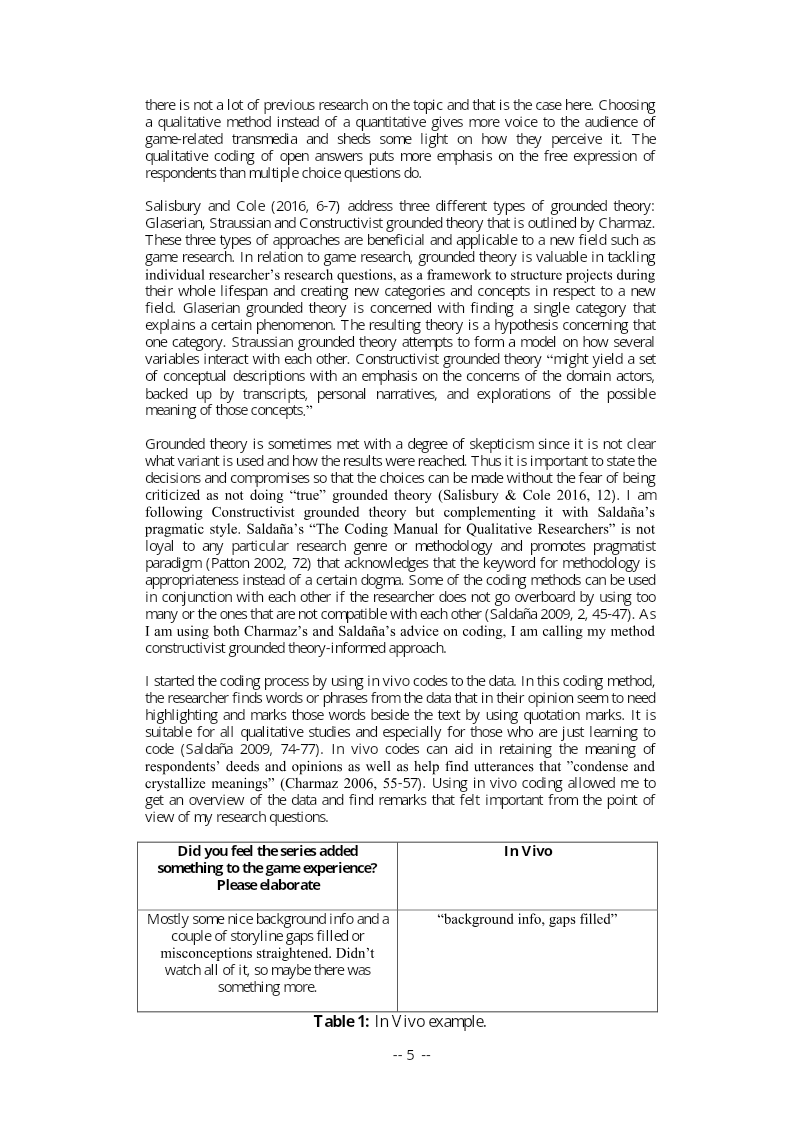
This study explores audience motivations for engaging with or avoiding game-centric transmedia, specifically using "Defiance" and "Quantum Break" as case studies.
- Game-centric transmedia audiences are driven primarily by narrative depth, immersion, character connection, and the desire to influence the storyworld, motivations that differ notably from those documented for television drama audiences.
- The study analyzed qualitative survey responses from 89 Defiance (2013) respondents and 65 Quantum Break (2016) respondents, a sample that was predominantly male and based in English-speaking countries.
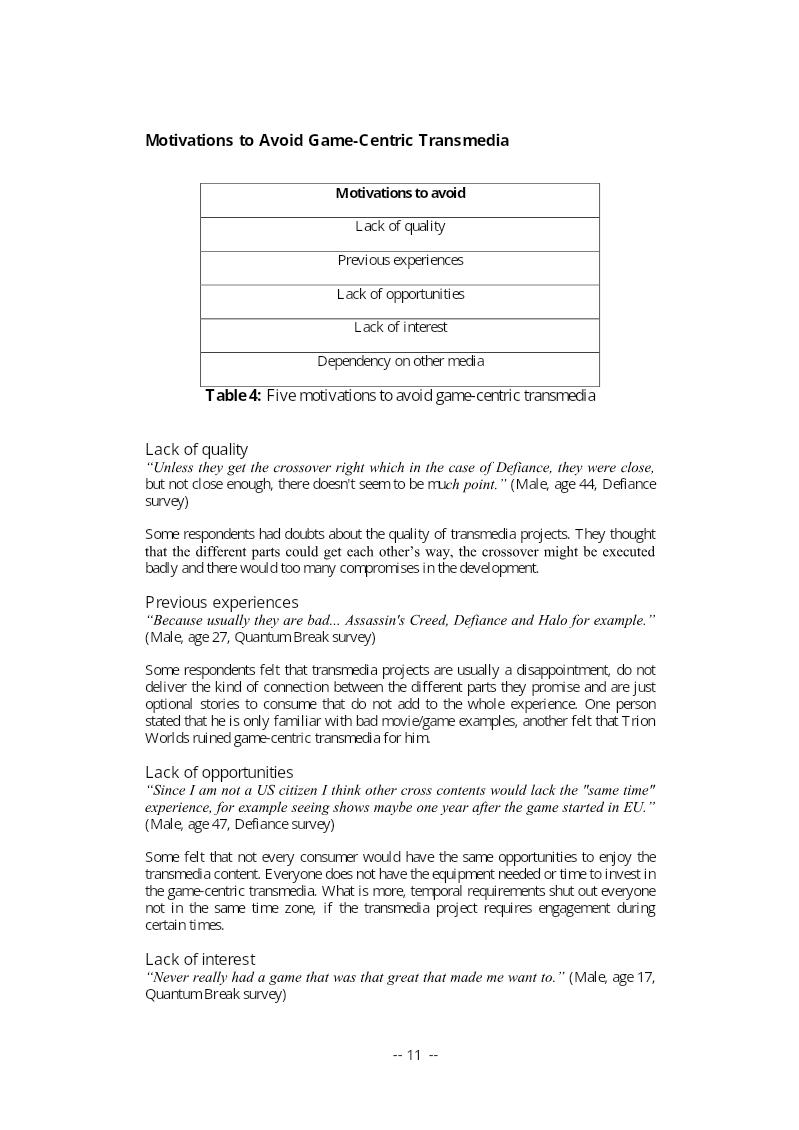
- Ten categories of motivation to consume were identified, including influencing and exploring the storyworld, storyworld expansion, quality, immersion, and media-related reasons, alongside five avoidance motivations: lack of quality, previous bad experiences, lack of opportunities, lack of interest, and dependency on other media.
The Game Industry of Finland 2015
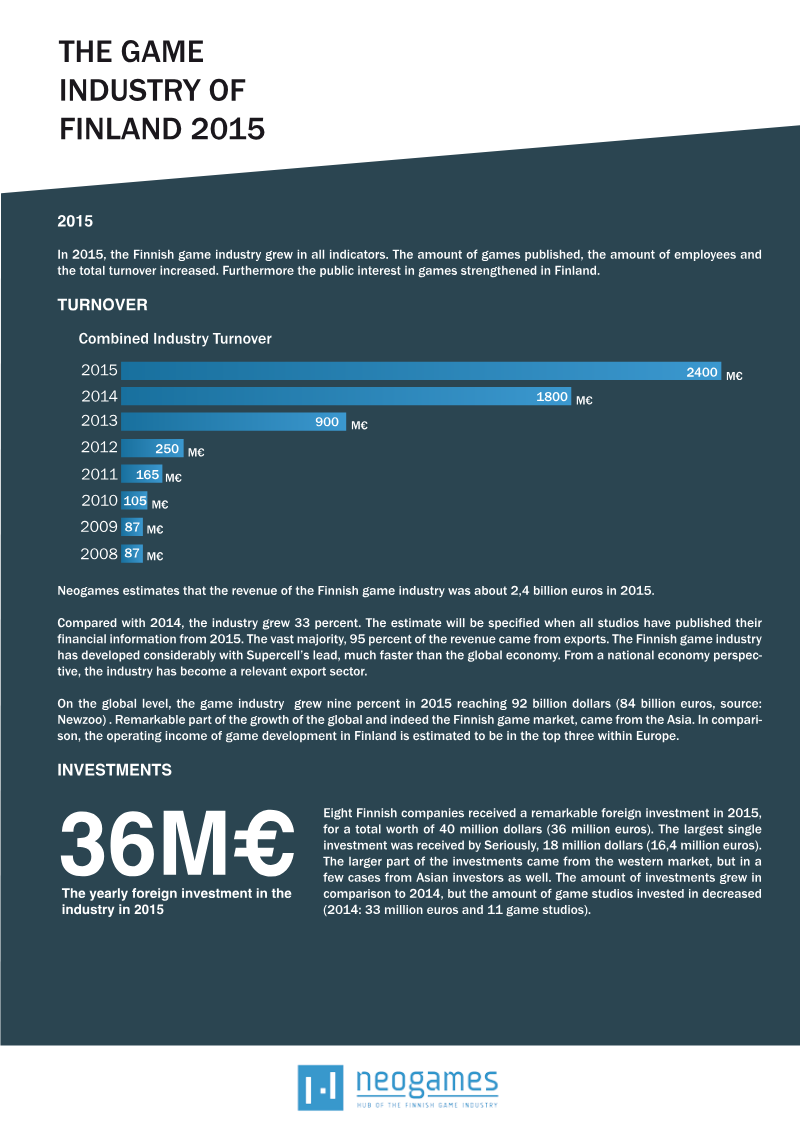
The Finnish game industry experienced significant growth across all indicators in 2015, with increased turnover, employment, and game publications.
- The Finnish game industry generated 2.4 billion euros in turnover in 2015, marking a 33 percent year-over-year growth that solidified the country as a top-three European hub for game development.
- Exports are the primary economic driver for the sector, accounting for 95 percent of total industry revenue.
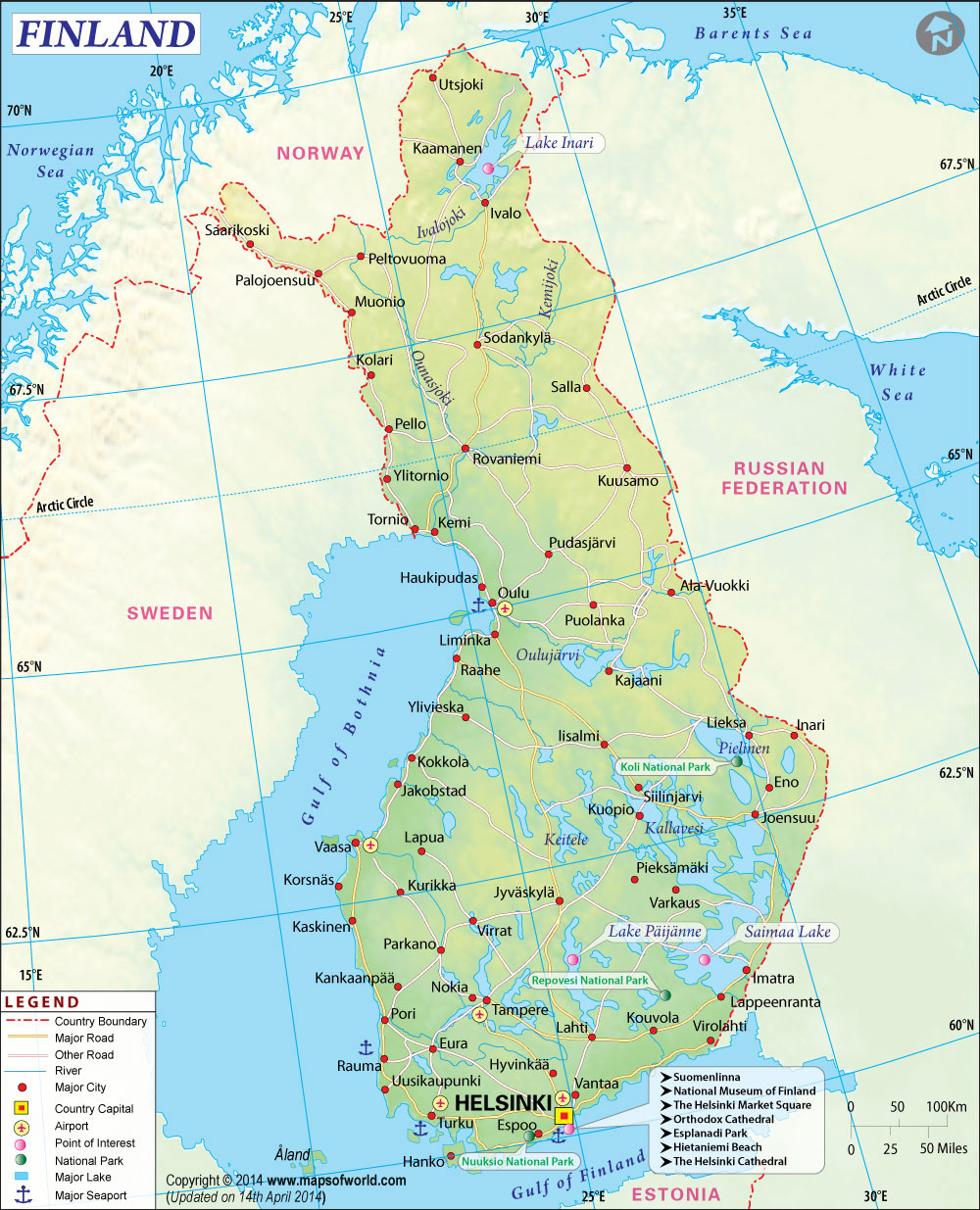
- The industry employed 2,700 professionals across 290 active companies, with the majority of talent and operations concentrated in the Helsinki metropolitan area.
Facts and Figures About Games Industry in Finland
Finland's games industry in 2014–2015 is profiled as a sector best known for mobile dominance, anchored by Rovio (Angry Birds) and Supercell (Clash of Clans).
- Finland's games industry is heavily dominated by the mobile sector, anchored by major companies such as Rovio and Supercell.
- As of 2014, approximately 260 active development studios were operating in Finland.
- The industry is characterized by a high volume of startups, with an estimated 69% of all Finnish studios being less than five years old.
Companies behind it

As the documents state it.