
Guild Wars
GameBy ArenaNet · Released Apr 26, 2005
Documents about Guild Wars
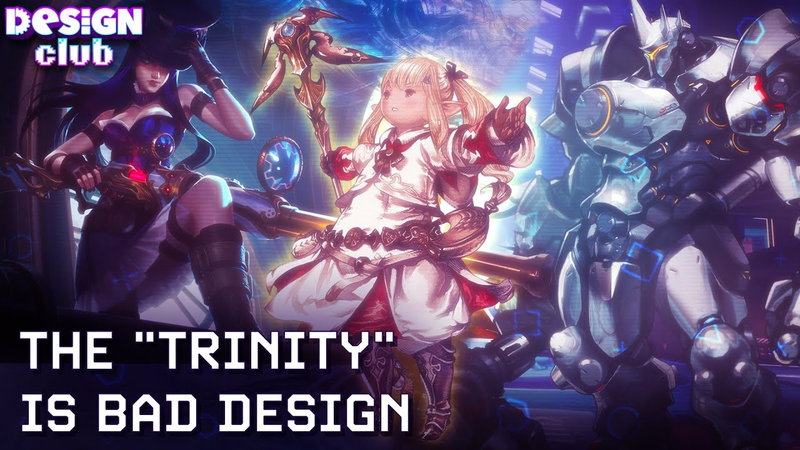
The Archetype Trap | Design Club
The traditional Holy Trinity of tank, healer, and damage dealer (DPS) serves as a pervasive, yet increasingly contentious, framework in modern game design.
- The 'Holy Trinity' of Tank, Healer, and DPS is a design shorthand used to simplify party management and matchmaking in large-scale games like Final Fantasy 14 and Warhammer Online, rather than a fundamental requirement of game design.
- Strict adherence to archetypes can lead to poor gameplay if developers prioritize these roles over the actual needs and mechanics of the game they are building.
- Game archetypes are often fluid; for example, modern tanking roles frequently incorporate crowd control to manage player-controlled opponents, whereas traditional aggro tables are primarily designed for NPCs.

Why is NCSoft entering the hyper competitive live service shooter market?
NCSoft is undergoing a fundamental strategic pivot, transitioning from its three-decade legacy as a dedicated massively multiplayer online game developer toward the hyper-competitive global shooter market.
- NCSoft is executing a strategic pivot away from its 30-year focus on MMOs to enter the global live service shooter market with titles such as Cinder City and Time Takers.
- The company is diversifying its portfolio through seven new projects, utilizing a mix of internal development and external studio partnerships to mitigate risk.
- NCSoft aims to differentiate its shooters by combining its expertise in open-world architecture and server infrastructure with distinct Korean aesthetics and narrative-driven gameplay.
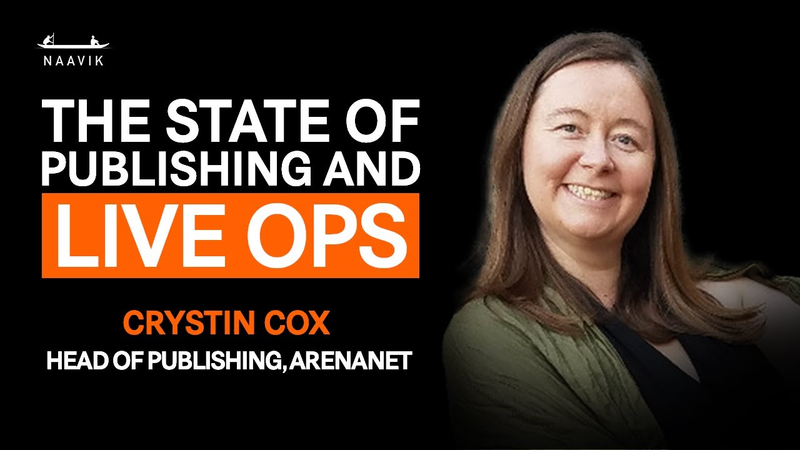
The State of Publishing and Live Ops
The video game industry has undergone a fundamental transformation over the past two decades, shifting from the production of static, boxed products to the maintenance of persistent, social virtual worlds.
- Effective live operations require high-level flexibility, such as the ability to deploy events via web-based tools rather than relying on pre-baked code updates that require months of lead time.
- The industry has shifted from the short-term mobile strategy of aggressively monetizing high-spenders and churning the rest, toward a model focused on long-term player retention and sustainable community relationships.
- Publishing is primarily a function of capital allocation, where publishers act as financiers for developers who cannot self-fund, necessitating a strategic alignment between the developer's growth goals and the publisher's investment thesis.
TWIG #180 Ex-Blizzard / Riot executives as founders. Opportunity or threat?
The studio One More Game (OMG) recently secured $22 million in funding to develop its debut title, Spellcraft, a PC-focused competitive strategy game.
- One More Game (OMG) secured $22 million in funding from Lightspeed Venture Partners and Griffin Gaming Partners to develop its debut PC strategy title, Spellcraft.
- OMG founders Pat Wyatt and James Windsor are viewed as credible exceptions to industry skepticism because they previously co-founded ArenaNet and successfully launched the Guild Wars franchise.
- The industry is seeing a trend of venture capital firms aggressively backing startups led by veterans from major studios like Blizzard and Riot Games, despite many of these ventures having yet to ship a commercial product.
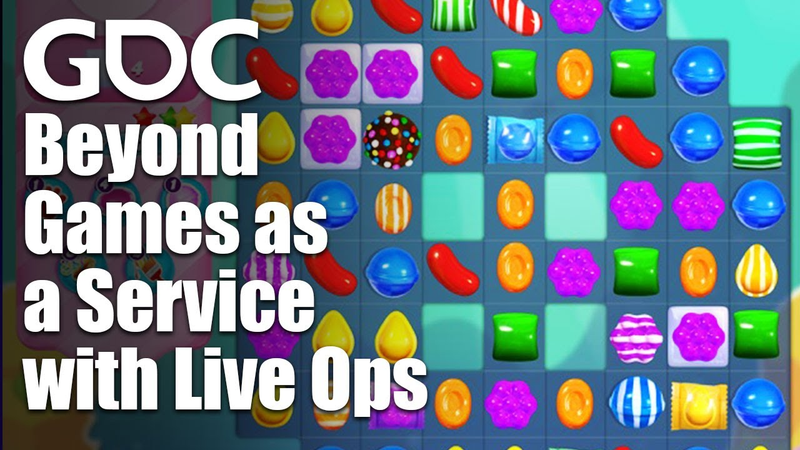
Beyond Games as a Service with Live Ops
The transition from viewing video games as discrete, one-time products to the Games as a Service model has fundamentally altered industry priorities, often at the expense of player experience.
- LiveOps should be viewed as an additive, iterative process rather than a sequential development phase, requiring game architecture that supports frequent, small-scale updates rather than just large, pre-planned DLC.
- Designers must identify and support the game's intrinsic motivators—such as social relatedness—rather than focusing solely on optimizing easily measurable KPIs like combat loops or microtransaction funnels.
- LiveOps maturity progresses through three stages: basic iterative updates based on player feedback, optimization through A/B testing and personalization, and finally mastering engagement by extending the game experience beyond the client.
Companies behind it

As the documents state it.