Dungeons & Dragons
Game
Documents about Dungeons & Dragons
Building a Well-Rounded Party Fireside Chat: Wizards' Everyday Commitment to Representation in Games
Wizards of the Coast is actively reshaping its corporate strategy to prioritize inclusivity and accessibility as foundational pillars for the long-term health of the Magic: The Gathering and Dungeons & Dragons franchises.
- Wizards of the Coast has transitioned to a model of radical transparency, notably placing core system documents into Creative Commons to lower barriers for independent creators following the Open Game License controversy.
- The company’s focus on authentic cultural representation and inclusive storytelling has contributed to record-breaking financial performance, including a billion-dollar revenue year for the Magic: The Gathering franchise.
- Wizards of the Coast has achieved an even gender split within its global player base, a demographic shift that informs the company's ongoing product development and corporate strategy.
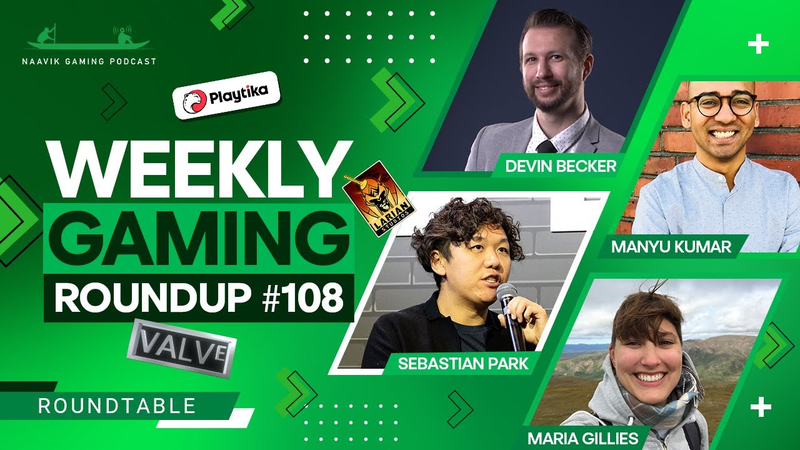
Baldur's Gate 3 Launch / Playtika Earnings / Dota 2 Arcade Shutdown
The gaming industry is currently defined by a stark contrast between the resurgence of high-fidelity, complex RPG experiences and the stagnation of established mobile sectors.
- Baldur’s Gate 3 has demonstrated significant commercial success for high-fidelity, complex RPGs, signaling a strong market appetite for deep, faithful adaptations of established mechanics like Dungeons & Dragons.
- The social casino sector, including firms like Playtika and PlayStudios, is experiencing structural decline characterized by stagnant user growth and rising customer acquisition costs in a privacy-focused market.
- Social casino companies are being forced to pivot toward consolidation and direct-to-consumer platforms as traditional monetization models reliant on high-spending users fail to sustain valuations.
The History of D&D Hasbro Refused to Learn From
The history of Dungeons & Dragons (D&D) is defined by a recurring cycle of legal disputes, licensing shifts, and fan reactions that have fundamentally shaped the tabletop role-playing game (TTRPG) industry.
- D&D’s commercial success is historically tied to open licensing models, most notably the Open Game License (OGL) introduced in the early 2000s, which fostered community growth and third-party content.
- Restrictive licensing policies consistently trigger market decline and fan alienation, evidenced by the 2008 transition to the fourth edition's Game System License (GSL), which directly led to the rise of the competitor game Pathfinder.
- TSR’s aggressive legal strategy in the 1980s against third-party publishers and fans fragmented the market and incentivized competitors to develop original gaming systems.
Because Games Matter - Victoria's Story - Extra Credits
This analysis examines the therapeutic potential of tabletop role-playing games, specifically Dungeons & Dragons, in addressing social and emotional challenges in children with ADHD and anxiety disorders.
- Tabletop role-playing games like Dungeons & Dragons provide a controlled, low-risk environment for neurodivergent youth to practice social interactions and develop self-regulation.
- Role-playing mechanics allow children with ADHD and anxiety to decouple personal anxieties from interpersonal engagement by navigating social scenarios through a character-based lens.
- Structured gaming programs serve as a viable, non-pharmacological therapeutic tool that helps socially marginalized children transition toward active participation and improved self-analysis.
'Pillars of Eternity' and Proper Attribute Tuning
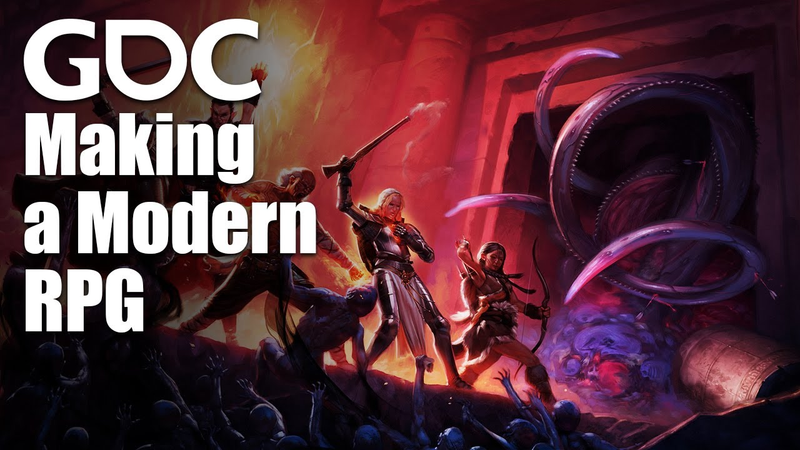
The design of Pillars of Eternity centers on modernizing traditional role-playing game mechanics by restructuring the six-attribute system to ensure universal viability across all character classes.
- Pillars of Eternity modernized the traditional six-attribute system by decoupling stats from rigid class requirements to ensure every attribute provides universal benefits.
- The design team eliminated 'dump stats' and 'trap builds' by pairing attributes with secondary defenses, ensuring tangible utility for every character archetype.
- A linear attribute system was implemented to minimize the performance gap between min-maxed builds and unconventional character concepts, such as high-strength wizards.
Open World Design - How to Build Open World Games - Extra Credits
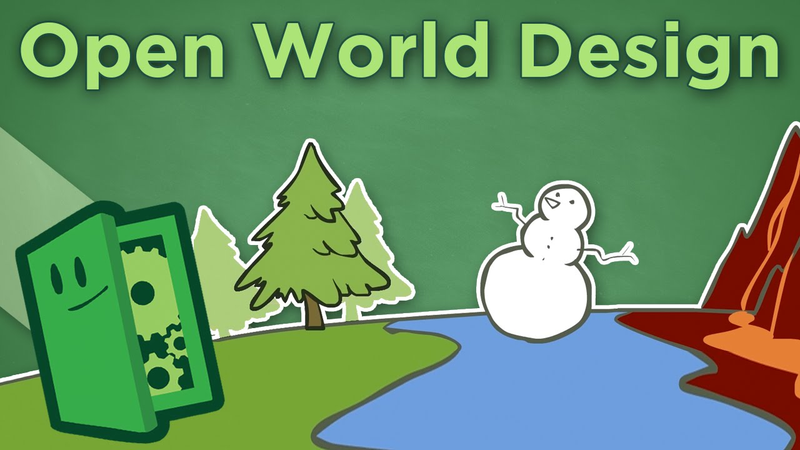
Open world game design is fundamentally shaped by the initial conceptual framework adopted by the development team.
- Open world design is defined by two primary structural philosophies: the asset-collection model, which prioritizes seamless placement of disparate elements, and the modular-adventure model, which focuses on self-contained, thematic storytelling.
- The asset-collection approach, utilized in The Elder Scrolls series, simplifies production and team management but often results in a less unified narrative experience.
- The modular approach, derived from Dungeons & Dragons traditions like Baldur’s Gate, fosters stronger micro-narratives but requires high levels of cross-team coordination and carries a greater risk of wasted labor.

Designing free-to-play games requires more thought, says Will Luton
The free-to-play business model represents a fundamental shift in the gaming industry, driven by the unique economic characteristics of digital goods.
- Free-to-play is an essential evolution of the digital marketplace that requires a more rigorous approach to game design than traditional paid models.
- Because players can exit a free-to-play game without financial loss, developers must prioritize high-quality, engaging experiences to ensure long-term retention.
- The free-to-play model is platform-agnostic, successfully applied across diverse genres ranging from social games like FarmVille and arcade titles like Jewel Blitz to complex MMOs like Dungeons & Dragons Online.
Companies behind it
As the documents state it.