Clash Royale
Documents about Clash Royale
🚨📢 BREAKING NEWS: Unity Fee Drama, Netflix vs WB, Casino Games Everywhere 🤯
The mobile gaming and entertainment landscape is currently defined by significant shifts in corporate monetization strategies and evolving genre dominance.
- Unity has implemented an Enterprise Minimum Commitment Program that mandates annual fees between $250,000 and $2 million for large-scale developers based on gross revenue, sparking significant industry backlash regarding developer trust.
- Warner Bros. Discovery has shifted its corporate strategy by rejecting a $108 billion takeover bid from Paramount in favor of a $72 billion deal with Netflix, highlighting the growing market dominance of streaming platforms over traditional media.
- In the U.S. mobile market, Monopoly Go and Royal Match currently lead in absolute in-app purchase (IAP) revenue, while 4X strategy titles like Last War and Whiteout Survival dominate global performance.
Digital Chocolate’s diaspora, Destiny: Rising woes, EA’s shooter revival, November’s top games, more
The mobile games industry continues to be shaped by the legacy of Digital Chocolate, a foundational company whose alumni—often referred to as the "D-Choc Mafia"—now hold significant leadership roles across the global gaming landscape.
- EA is actively recruiting a VP of mobile shooters to report to Vince Zampella, signaling a potential revival of mobile titles for the Apex Legends and Battlefield franchises.
- Destiny: Rising is struggling post-launch, with daily earnings dropping from a $300,000 peak in September to approximately $25,000, despite 4.4 million total downloads since August.
- Last War Survival led November mobile revenue with $115 million, followed closely by Roblox at $112 million and Monopoly Go at $111 million, according to Appmagic data.
That Unity-Epic deal, Minecraft Blast, Netflix Games 2.0, Duolingo, Ubisoft, Stash, EA and more
The mobile gaming industry is currently defined by strategic alliances, platform pivots, and significant consolidation within the web shop and monetization sectors.
- Unity and Epic Games have entered a strategic partnership allowing Unity-made games to publish directly to Fortnite and integrating Unreal Engine support into Unity’s monetization and web shop tools.
- Netflix has pivoted its gaming strategy toward mainstream, family-oriented, and party games, moving away from the underperforming indie titles that previously populated the service.
- King has entered soft launch for 'Minecraft Blast' in Malaysia, marking a significant effort to bring the Minecraft IP to mobile via a puzzle-based gameplay model.
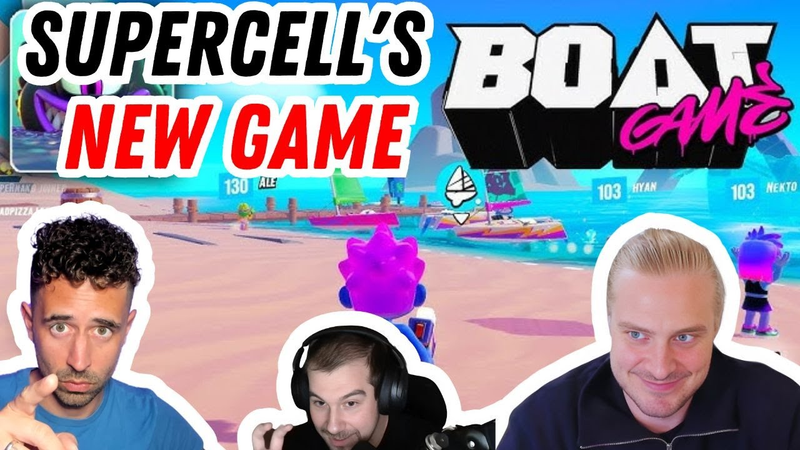
Supercell's New "BOAT GAME" - First Impressions. Cool Idea or Dead on Arrival?
Supercell’s latest experimental project, a twin-stick shooter centered on maritime exploration and resource extraction, represents a pivot toward a PvE-to-PvPvE gameplay loop.
- Supercell's new maritime twin-stick shooter is currently struggling with imprecise mobile controls, shallow progression systems, and an underdeveloped economy that lacks clear monetization features.
- The project utilizes a PvE-to-PvPvE gameplay loop where players extract resources and face high-stakes theft, but it currently prioritizes short-term engagement over the long-term retention strategies required for a global launch.
- Supercell is facing a strategic crossroads as it struggles to replicate the success of legacy titles like Clash of Clans and Clash Royale in an increasingly competitive mobile market.
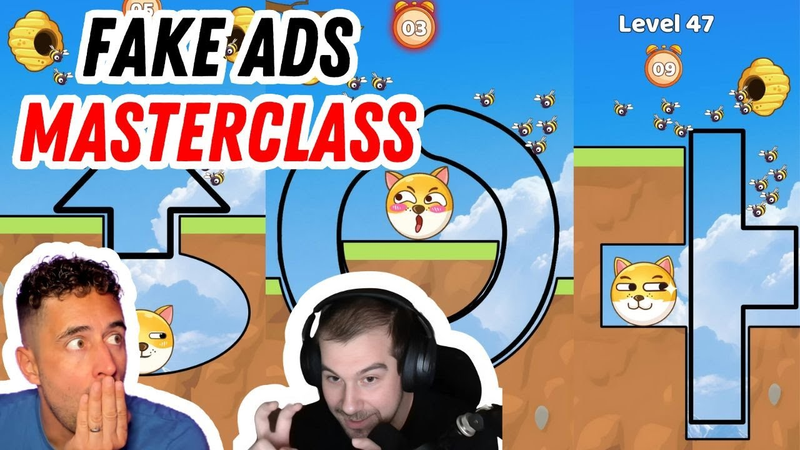
🐶 X-Clash: The Fake UA funnel & Fake Ads Masterclass. How to 10x your revenues?
Chinese studio Binuang Network and developer Glacier Games have successfully scaled titles like X-Clash by leveraging aggressive, misleading user acquisition funnels.
- Glacier Games and Binuang Network scaled X-Clash by using 'fake ads' that feature viral mini-game mechanics like 'Save the Dog' to drive downloads for a core 4X strategy game.
- The studio maintains a massive library of over 9,000 unique creatives to combat creative fatigue and sustain high-volume user acquisition on Google and YouTube.
- This strategy effectively bridges the gap between casual players and the high-value monetization loops typical of the 4X strategy genre.

Inside Supercell: Old Guard, Rotating GMs, Sparks, Labs, and Silos.
Supercell faces significant internal and strategic challenges as it navigates a period of organizational transition and pressure to deliver sustainable growth.
- Supercell is currently dependent on legacy franchises like Clash of Clans, Clash Royale, and Brawl Stars to drive revenue, raising concerns about the long-term sustainability of its growth model.
- The company has struggled to launch new successful titles, leading to internal frustration regarding the handling of projects like Squadbusters and Clash Mini.
- Internal operations are hampered by a fragmented culture, geographic silos, and an entrenched old guard that is perceived as resistant to necessary organizational change.

TWIG #350 Supercell Leaks! Staff Reveal What’s Really Happening
Supercell currently faces a critical juncture as it struggles to launch a sustainable new hit, relying instead on aggressive user acquisition to revitalize legacy franchises like Clash Royale and Brawl Stars.
- Supercell is struggling to develop sustainable new hits, relying on aggressive user acquisition to maintain legacy titles like Clash Royale and Brawl Stars while internal leadership silos hinder innovation.
- Epic Games plans to integrate direct in-game microtransactions into its Fortnite Creative ecosystem by late 2025 to replicate the Roblox business model.
- The industry is shifting toward gamified betting and predictive markets as primary user acquisition funnels, highlighted by Allwyn’s acquisition of PrizePicks.
MAG #3: India's RMG Ban, GenAI Failure, and Amazon x Netflix Bundle
The global gaming industry is currently navigating a period of significant structural and strategic volatility, characterized by shifting regulatory landscapes and evolving monetization models.
- Supercell's Clash Royale experienced a revenue renaissance in August 2025, generating over $68.1 million—a 4-5x increase compared to the $12–$15 million monthly average seen in late 2024 and early 2025.
- Clash Royale’s growth was driven by a combination of product overhauls, such as the introduction of the 'Merge Tactics' auto-battler mode, and a shift toward more aggressive performance marketing on platforms like TikTok, Instagram, and YouTube.
- Active user engagement for Clash Royale surged 63% since April 2025, reaching 56 million monthly active users (MAU) in August, largely due to significant player reactivation.
TWIG #345 Clash Royale’s BIG Comeback and LEGO’s Digital Gamble
The global gaming industry is currently navigating a period of strategic recalibration, characterized by aggressive live-ops experimentation, the expansion of digital-first initiatives by legacy brands, and a critical focus on player retention mechanics.
- Clash Royale achieved a 39% year-to-date revenue increase in 2025 by integrating features from canceled projects and implementing more assertive monetization strategies.
- LEGO is internalizing digital development by establishing a dedicated London-based entity, reflecting a broader trend of legacy entertainment brands shifting toward first-party digital play.
- Modern engagement mechanics like daily streaks and loss aversion are effective for retention, but developers must manage the risk of player churn caused by the negative psychological impact of streak breakage.
Week in Mobile Games E63 - The Esports World Cup unpacked and lightning strikes twice for Supercell
The global mobile gaming landscape is currently defined by a strategic shift toward long-term player retention and the professionalization of esports.
- AppLovin maintains a dominant market position in mobile monetization, reporting a 77% year-over-year revenue increase as it competes with Unity’s new Vector AI ad platform.
- The Saudi Arabian gaming market is projected to reach $6.8 billion in consumption by 2030, driven by government-backed initiatives and the professionalization of mobile esports.
- Supercell’s Clash Royale achieved its most lucrative month in nearly eight years, highlighting the continued revenue potential of revitalizing established intellectual property.
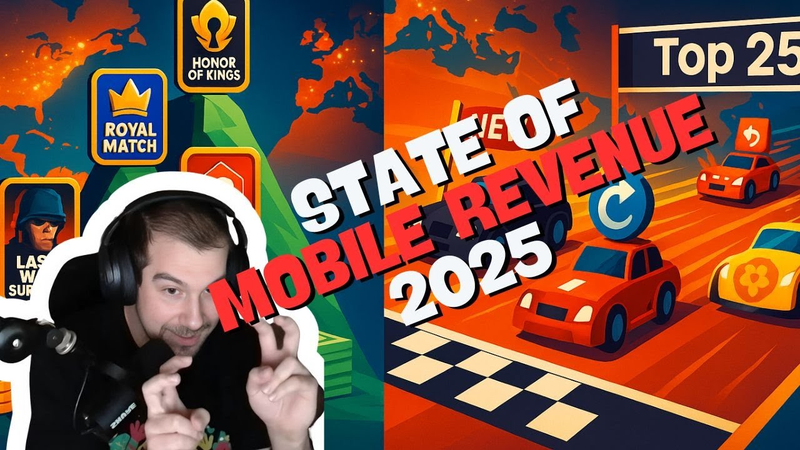
📊 Chart Compass: State of Mobile Revenue 2025 - What’s Actually Moving the Needle by Jakub Remiar
The mobile gaming industry in 2025 is characterized by a shift toward portfolio-based strategies, where top-tier publishers prioritize scaling multiple high-performing titles simultaneously rather than relying on a single flagship product.
- Publishers are shifting from single-flagship models to portfolio-based strategies, exemplified by Rivergame and Dream Games, to scale multiple high-performing titles simultaneously.
- The industry is increasingly bypassing app store ecosystems through web shops to capture a larger share of revenue and avoid platform fees.
- Market dominance remains split between stable legacy giants like Monopoly Go, Candy Crush, and Roblox, and high-growth emerging categories such as merge games led by Gossip Harbor.
Supercell Revenue by Year (2015 – 2025)
Supercell has established itself as a dominant force in the mobile gaming industry, generating over $13.58 billion in total lifetime revenue as of 2026.
- Supercell’s annual revenue has experienced a long-term downward trend since its peak in 2015 ($1.9 billion), hitting a low of $788.5 million in 2023 before rebounding to $1.45 billion in 2024.
- Brawl Stars is the company’s most volatile asset, experiencing a significant resurgence in 2024 with $678.5 million in revenue, more than doubling its 2023 performance.
- Clash of Clans remains the company’s primary revenue anchor, consistently serving as the top-earning title for over a decade despite a gradual decline from its $1.36 billion peak in 2015.