Strategy reports and market data
117 game industry reports, presentations and talks about strategy from writers such as PocketGamer.biz, Game Developers Conference and Extra Credits, newest from 2026. Every document has a summary and key insights with the page they come from, and 634 charts and tables are extracted as data.
Key figures
Hybridcasual games experienced explosive growth of 88%, while Strategy, Puzzle, and Simulation segments grew by 25.5%, 15%, and 11% respectively.
AppMagic, 2025 · Monetization Report 2025, p. 31
The 4X subgenre dominates the U.S. mobile strategy market, accounting for 20 of the top 25 grossing titles within a genre that holds a 17% total iOS revenue share.
GameRefinery, 2021 · Strategy Genre Snapshot 2021, p. 4
Documents
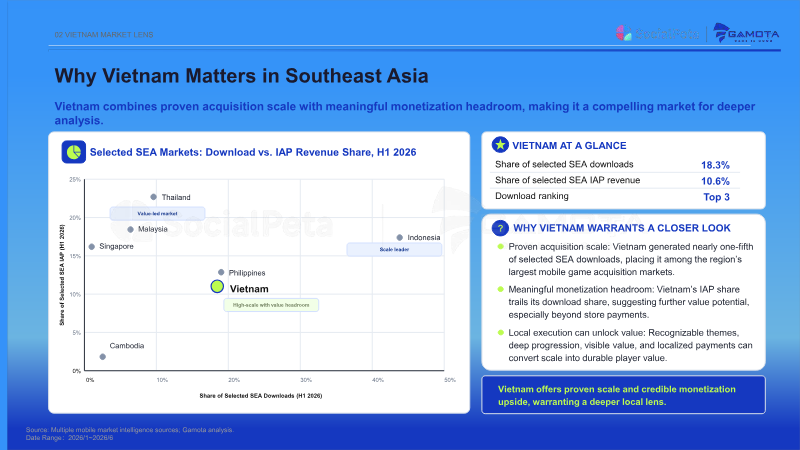
2026 Southeast Asia Mobile Game Marketing Report
The Southeast Asian mobile gaming landscape in 2026 reflects a maturing ecosystem defined by a 19.7% year-over-year increase in active advertisers.
- The Southeast Asian mobile gaming market saw a 19.7% year-over-year increase in active advertisers in 2026, signaling a rapidly maturing ecosystem.
- Video content dominates user acquisition, comprising 73.7% of all advertising creatives, with a shift toward mid-length formats featuring live-action hooks and AI-generated visuals.
- Indonesia leads the region in total download volume, while Thailand maintains the highest revenue per user through in-app purchases.

Why are Historical Games so Crunchy? | Design Club
Historical games frequently employ high levels of mechanical complexity, or "crunch," to satisfy a player base that demands rigorous authenticity and factual fidelity.
- Historical games utilize 'crunch'—complex, detailed systems—to achieve verisimilitude, the emotional resonance that makes a setting feel authentic to players even if it isn't perfectly accurate.
- Historical accuracy is often prioritized because players have deep, real-world cultural and personal connections to historical events, making them sensitive to inaccuracies that would be ignored in fantasy settings.
- Crunch in historical games does not require numerical systems; it can manifest through authentic environmental details, such as the specific sound of a weapon, period-accurate equipment, or complex mechanical systems.
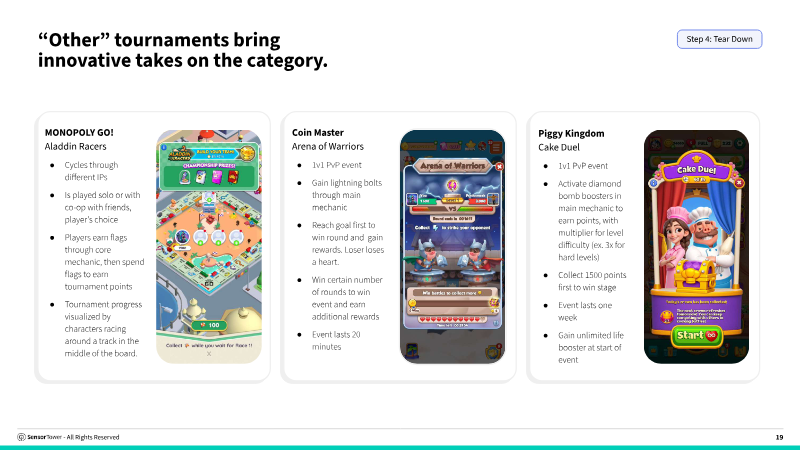
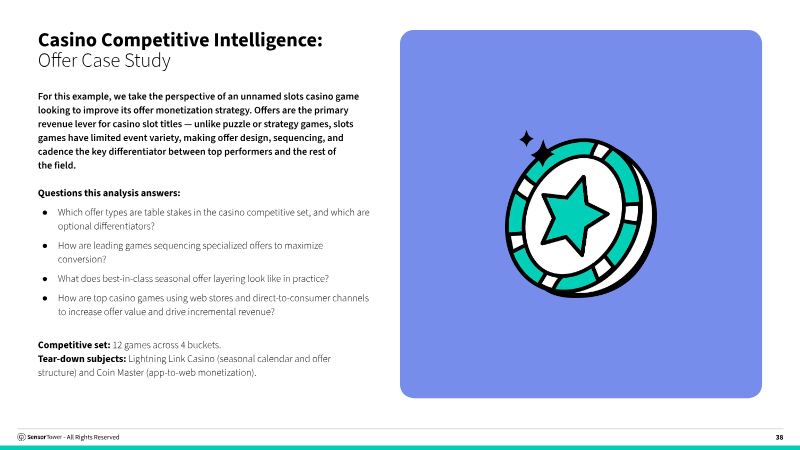

2026 Live Ops Competitive Intelligence Playbook
Optimizing Live Ops execution requires a disciplined, five-step analytical framework that moves beyond simple feature replication toward strategic, data-backed product decisions.
- In the puzzle genre, milestone rewards are the most frequent event type in 2026, with Tasty Travels launching four such events between March and May 2026.
- Royal Match drives weekend revenue spikes primarily through Live Ops-induced monetization and conversion increases, rather than growth in DAU, downloads, or time spent.
- For casino slot titles, '1+Free' offers generate the highest average release revenue impact, despite 'Rolling Offers' being the most prevalent specialized offer type used by 9 of 12 analyzed games.

Is the Western mobile games industry losing to China?
The mobile gaming industry in Western markets—defined as North America, Europe, and Australia—is experiencing a significant shift in market share, with Chinese, Hong Kong, and Singaporean publishers now controlling 30% of total revenue, up from 16% in 2019.
- Chinese, Hong Kong, and Singaporean publishers have nearly doubled their Western mobile market share from 16% in 2019 to 30% in 2026.
- Chinese publishers now control 60% of the strategy genre revenue, a massive increase from 11% in 2015, driven by integrating hyper-casual mechanics into 4X strategy frameworks.
- While the overall mobile market grew by 3% in Q1 2026, total downloads dropped by 13%, signaling that revenue is increasingly consolidated among established titles at the expense of new entrants.
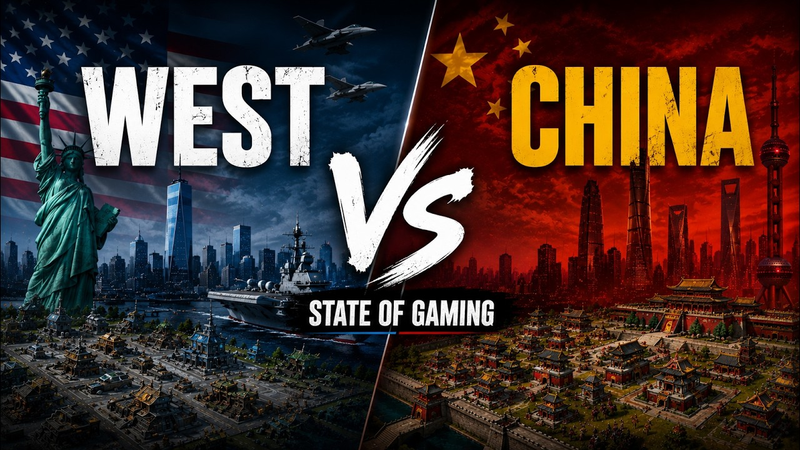
State of Gaming: China & Strategy Domination
Chinese game publishers are currently achieving significant global dominance in the mobile sector, particularly within the strategy, shooter, and casual game genres.
- Chinese publishers are dominating Western mobile markets by prioritizing proven mechanics and rapid iteration over creative experimentation, as seen in titles like Whiteout Survival, Last War, and Gossip Harbor.
- These studios utilize 'creative factories' and centralized publishing teams to manage live operations across entire portfolios, enabling the immediate transfer of successful engagement strategies between games.
- Chinese firms maintain a competitive advantage over Western developers through superior operational velocity, high-intensity work cultures, and lower development costs optimized by proprietary AI models.
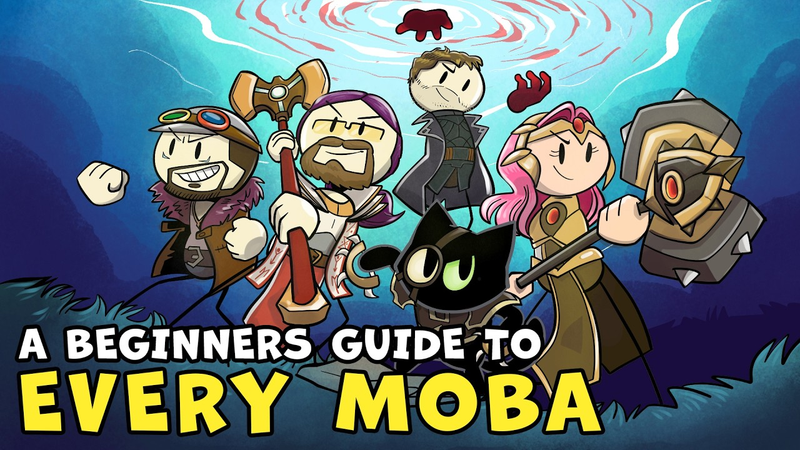
From League of Legends to Deadlock: Understanding MOBAs | Extra Credits
Multiplayer Online Battle Arenas (MOBAs) represent a complex, team-oriented genre that evolved from early real-time strategy (RTS) mods like Aeon of Strife and Defense of the Ancients.
- MOBAs are defined by a two-tiered economy of experience and gold, where experience upgrades character stats and abilities while gold is used to purchase items that provide significant power spikes.
- Minion farming is a critical strategic priority because gold and experience are lost if a player does not land the final hit on a minion, and sharing lanes reduces the total resources available to the team.
- Unlike hero shooters where character power remains relatively static, MOBA characters can become 'fed' by accumulating a disproportionate amount of resources, leading to massive power imbalances that are driven by the underlying economy.

🚨📢 Block blast for SALE? Sensor Tower drops Bombshell Report, 4X growth
The mobile gaming industry faced significant stagnation in 2025, characterized by minimal revenue growth and a decline in total downloads across both the Apple App Store and Google Play.
- The 4X strategy genre is the primary market outlier, showing consistent growth in downloads, revenue, and user engagement despite a broader industry stagnation in 2025.
- Tencent is in advanced negotiations to acquire a minority stake in the studio behind Block Blast, a title currently maintaining 70 million daily active users.
- The mobile gaming market is heavily saturated with over 200,000 new game launches in 2025, contributing to a decline in total downloads and fragmented user attention.
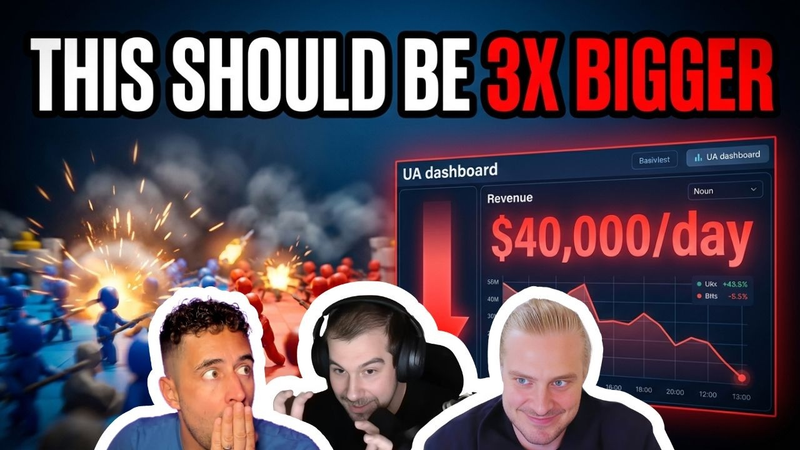
🚀 War Inc Review: It's not 2018 anymore! Great game, questionable UA & growth.
War Inc. represents a technically proficient evolution of the strategy genre, successfully building upon the foundational mechanics and asset libraries established by Fastone Games in Art of War: Legions.
- War Inc. is underperforming commercially, generating only $40,000 in daily in-app purchase revenue despite its high-quality core loop.
- The game’s growth is stalling due to a heavy reliance on legacy user acquisition channels like Facebook and Google instead of modern platforms like AppLovin.
- The title fails to capitalize on current market trends by neglecting aggressive ad monetization, specifically missing opportunities for more frequent interstitial ads.

Clash Royale's Fake Comeback? The UA Pop-and-Drop Debate
The annual letter from the CEO of Supercell serves as a strategic reflection on the company’s performance, characterized by a near-record revenue year despite a 4% decline.
- Supercell experienced a near-record revenue year despite a 4% overall decline, highlighting the company's struggle to maintain growth in a mobile market expanding by only 3% annually.
- Clash Royale’s reported 500% growth in new player acquisition and doubled re-engagement are attributed by critics to aggressive user acquisition spending rather than organic product improvements.
- The $150 million failure of Squad Busters demonstrated a disconnect between early beta metrics and long-term retention, revealing that the company initiated marketing pushes before achieving sufficient product validation.
TWIG #360 The Story of Two Steam Games, Where Winds Meet & The 4X Shake-Up
The modern gaming landscape is defined by a widening gap between vanity metrics and sustainable revenue, as developers struggle to balance high user acquisition costs with long-term retention.
- The 4X strategy genre currently generates approximately $700 million in monthly revenue, with growth driven by gender-neutral themes and casualized art styles rather than traditional hardcore aesthetics.
- The gaming industry is shifting away from complex, gear-heavy progression systems toward accessible, cross-platform experiences that utilize seasonal resets to improve retention.
- Rising user acquisition costs and high install prices are forcing studios to abandon traditional squad RPG models in favor of high-fidelity, broad-appeal titles.
Monetization Report 2025
The global mobile gaming market achieved a steady 3.4% year-over-year growth in 2025, reaching a total valuation of $57.1 billion.
- The global mobile gaming market grew 3.4% year-over-year in 2025 to reach a $57.1 billion valuation.
- Hybridcasual games experienced explosive growth of 88%, while Strategy, Puzzle, and Simulation segments grew by 25.5%, 15%, and 11% respectively.
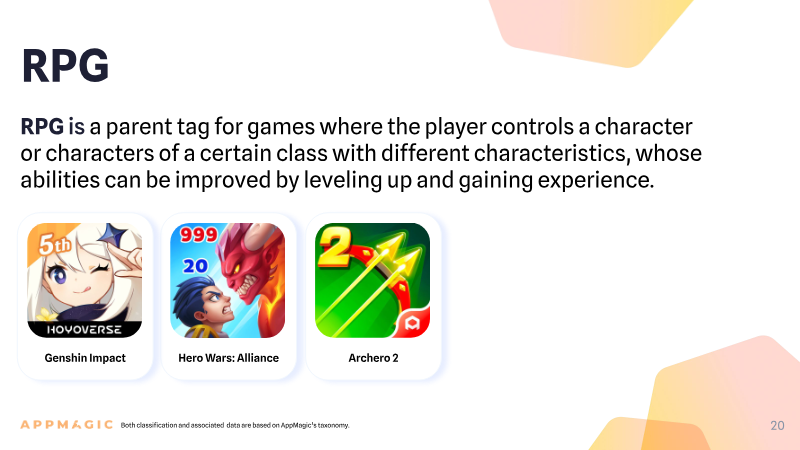
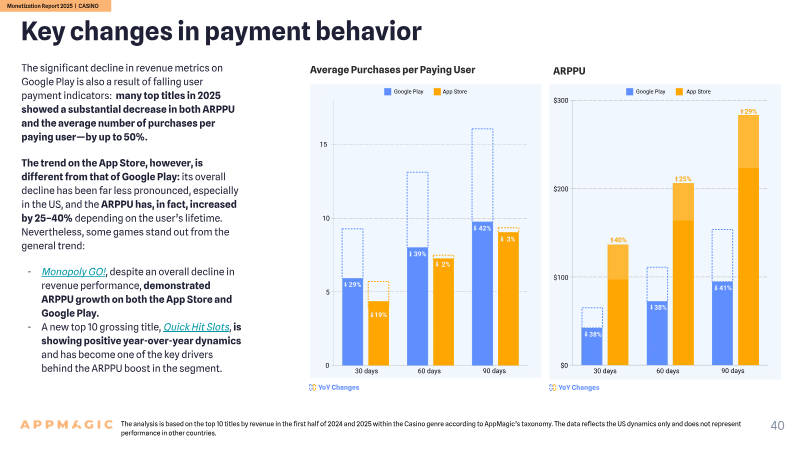
- RPG and Casino sectors saw significant revenue declines, with RPGs falling 13–16% and Casino revenues dropping 7.5%.
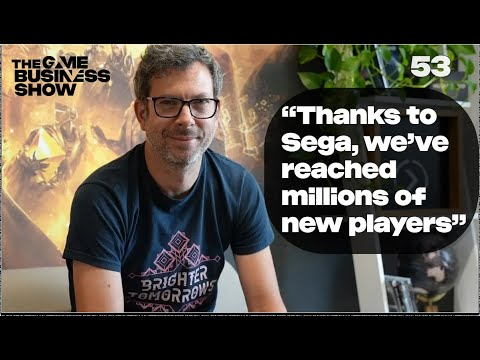
Life after Sega: Can Relic and Amplitude rejuvenate strategy games
Relic Entertainment and Amplitude Studios are navigating a pivotal transition following their departure from Sega, marking a broader industry shift toward independent agility within the strategy game sector.
- Relic Entertainment and Amplitude Studios have transitioned to independent operations following their departure from Sega to prioritize operational autonomy and community-focused development.
- Relic Entertainment is implementing a tiered production system that separates flagship titles from smaller, experimental projects under the 'Relic Labs' initiative to reduce financial risk and overhead.
- Amplitude Studios is maintaining its focus on the 4X strategy genre with a dedicated team of approximately 170 professionals, prioritizing deep engagement with its existing player base over mass-market expansion.