Baldur's Gate
Game
Documents about Baldur's Gate

Monopoly Go! and Baldur’s Gate III: The Hasbro Perspective
Hasbro has solidified its position as a dominant force in the video game licensing sector, generating $3.25 billion in revenue over the past year.
- Hasbro generated $3.25 billion in revenue over the past year through its video game licensing strategy, significantly outperforming industry competitors.
- The company’s growth is driven by a strategic pivot toward high-quality digital partnerships that translate legacy physical intellectual property into virtual experiences.
- Hasbro utilizes a dual-pillar strategy of brand familiarity to lower user acquisition costs and creative autonomy to ensure genre-expert developers handle their franchises.
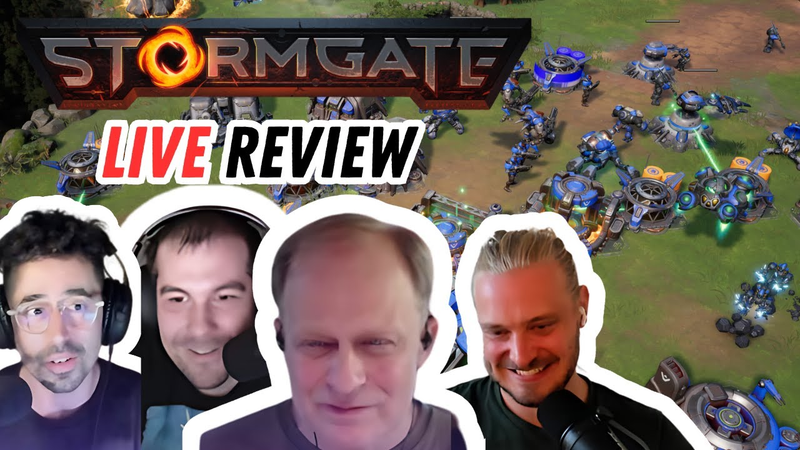
Inside Stormgate with Tim Morten: In-Depth Live Review & Gameplay with Insights
Frost Giant Studios is positioning Stormgate as a modern successor to the classic real-time strategy genre, specifically targeting the legacy of Blizzard titles like StarCraft and Warcraft.
- Frost Giant Studios is developing Stormgate as a free-to-play real-time strategy game using Unreal Engine and proprietary SnowPlay technology to manage high unit counts and network complexity.
- The monetization model rejects pay-to-win mechanics in favor of à la carte purchases for campaign expansions, cooperative commanders, and cosmetic items.
- The studio maintains creative independence through a combination of private investment and crowdfunding, bypassing traditional publishing deals to avoid KPI-heavy mobile gaming metrics.
Larian Cinematics: A Top-Down Look at Our Bottom-Up Approach in 'Baldur's Gate 3'
The production of cinematics for Baldur’s Gate 3 represents a fundamental shift in RPG development, moving away from brittle, bespoke animation pipelines toward a flexible, template-based system.
- Larian Studios utilized 'inherited authorship' through scene templates, allowing cinematic artists to standardize camera setups and height variations, which ensured changes could be rippled across the entire game without breaking sequences.
- To manage the unpredictable nature of AI-driven NPC movement, the team implemented 'cinematic dummies'—timeline entities that replicated in-game counterparts while hiding the actual AI-controlled characters to maintain visual consistency.
- The cinematic team categorized their workflow into five pillars of expertise—analysis, ideation, strategy, execution, and revision—to transform the team identity from 'timeline jockeys' into developers who actively inform production processes.

2024 Game Developers Choice Awards Ceremony
The 2024 Game Developers Choice Awards served as both a celebration of creative excellence and a platform for critical discourse regarding the current state of the global gaming industry.
- Larian Studios' Baldur’s Gate 3 won the Game of the Year award at the 24th Annual Game Developers Choice Awards, securing a total of four awards during the ceremony.
- The development philosophy behind Baldur’s Gate 3 relied on a 20-year iterative process, building upon the foundations of earlier titles like Divine Divinity and the original Baldur’s Gate series.
- Successful game design often requires prioritizing player surprise and delight over the technical challenges of implementing complex, labor-intensive mechanics, as demonstrated by The Legend of Zelda: Tears of the Kingdom.
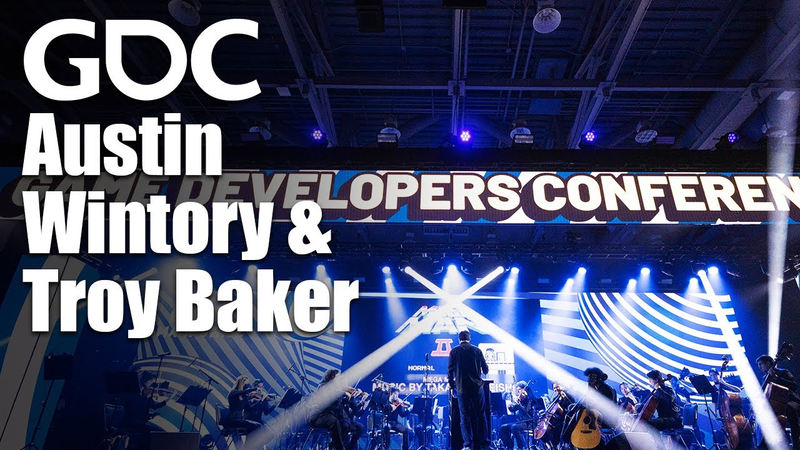
2024 GDC Main Stage: A Developer's Concert (feat. Austin Wintory and Troy Baker)
The 2024 GDC Main Stage performance serves as a testament to the artistic maturation of video game music, positioning it as a vital pillar of interactive storytelling.
- Yoko Shimamura became the first composer to receive the GDC Lifetime Achievement Award, signaling a formal industry shift toward recognizing the foundational legacy of game audio professionals.
- Modern game music has evolved from simple background accompaniment into a sophisticated tool that directly influences player agency, narrative depth, and emotional resonance.
- The 2024 GDC Main Stage performance highlighted the artistic maturation of the medium by featuring scores from titles including Hades, Celeste, God of War, and Baldur’s Gate 3.

Nuverse Winds Down / Shrapnel Lawsuit / Business Of Gaming Awards
The global gaming industry underwent a profound structural reset in 2023, characterized by a transition from the unsustainable growth of the post-pandemic era toward a focus on operational efficiency and fiscal discipline.
- The gaming industry underwent a structural reset in 2023, shifting from post-pandemic growth to a focus on fiscal discipline and operational efficiency due to high interest rates and increased capital costs.
- ByteDance’s decision to wind down its Nuverse gaming subsidiary demonstrates that massive capital backing is insufficient to guarantee scale in a hit-driven market.
- High-quality, single-player AAA titles like Baldur’s Gate 3 and The Legend of Zelda successfully challenged the industry's long-standing reliance on live-service models.

PlayStation Portal / Ubisoft Gets Microsoft’s Streaming Rights / NetEase Expansion
The global gaming industry is currently undergoing a period of significant structural realignment, characterized by shifting development strategies, complex regulatory concessions, and aggressive international expansion.
- Microsoft has transferred the cloud streaming rights for Activision Blizzard’s entire portfolio to Ubisoft for a 15-year term to satisfy UK regulatory requirements.
- Baldur’s Gate 3 achieved over 5.2 million PC sales, signaling strong consumer demand for premium RPGs that do not utilize microtransactions.
- NetEase is aggressively expanding into Western markets by acquiring and building AAA studios to move beyond its traditional mobile-centric model in China.

Baldur's Gate 3 Launch / Playtika Earnings / Dota 2 Arcade Shutdown
The gaming industry is currently defined by a stark contrast between the resurgence of high-fidelity, complex RPG experiences and the stagnation of established mobile sectors.
- Baldur’s Gate 3 has demonstrated significant commercial success for high-fidelity, complex RPGs, signaling a strong market appetite for deep, faithful adaptations of established mechanics like Dungeons & Dragons.
- The social casino sector, including firms like Playtika and PlayStudios, is experiencing structural decline characterized by stagnant user growth and rising customer acquisition costs in a privacy-focused market.
- Social casino companies are being forced to pivot toward consolidation and direct-to-consumer platforms as traditional monetization models reliant on high-spending users fail to sustain valuations.
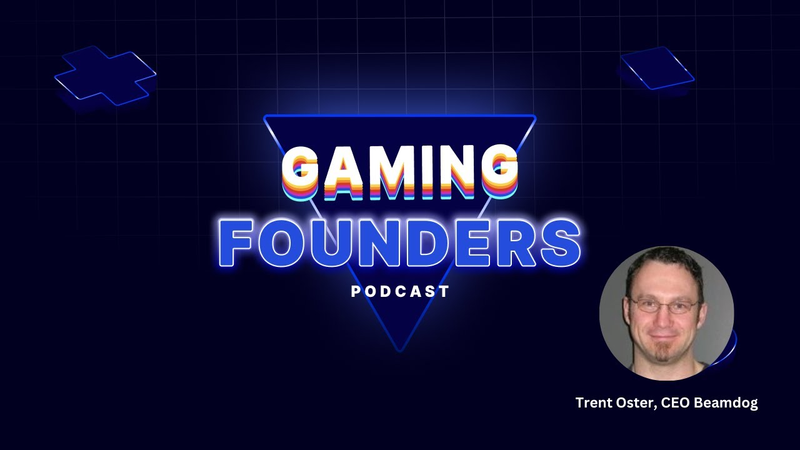
Game Designer to Player Advocate: Trent Oster of Beamdog
The evolution of the gaming industry from the shareware era to the modern live-service landscape is best understood through the career trajectory of Trent Oster, a co-founder of BioWare and current leader of Beamdog.
- Modern game development efficiency is best achieved by adopting standardized engines like Unreal rather than building proprietary technology from scratch.
- Scaling a studio to approximately 70 employees requires a transition from micromanagement to strategic advocacy, specifically focusing on protecting staff from unsustainable labor practices.
- Studios can maintain creative independence from corporate publishers by using the revitalization of legacy titles to generate the cash flow necessary to fund original intellectual property like MythForce.
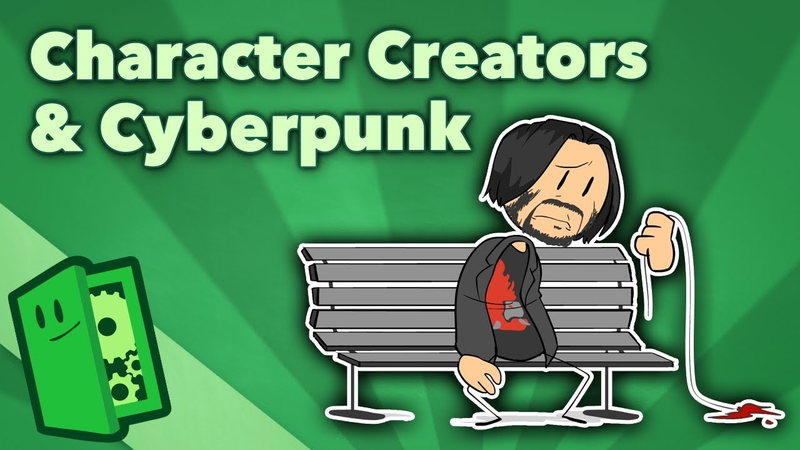
Character Creators & Cyberpunk - Player Freedom in Expression - Extra Credits
Effective character creators serve as a critical bridge between a game’s thematic identity and player self-expression.
- Developers should decouple customization levers—such as voice, hair, and body type—to ensure independent variables are not artificially linked, thereby maximizing player agency.
- Rigid design frameworks, rather than technical limitations, are the primary cause of restrictive character creators that prevent non-binary or gender-nonconforming expression.
- Cyberpunk 2077 failed to deliver on marketing promises of radical inclusivity because it locked hair styles to body types and tied voice options to gender, contradicting its own themes of human malleability.
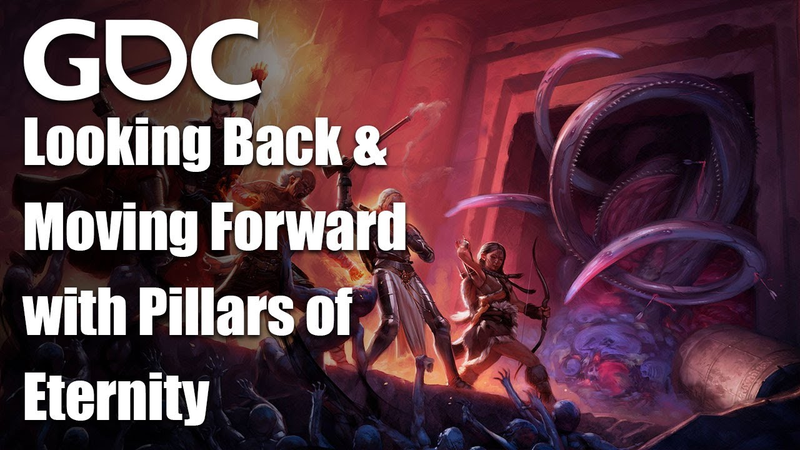
Looking Back and Moving Forward with Pillars of Eternity
Reviving the isometric role-playing game genre requires a delicate balance between honoring the legacy of titles like Baldur’s Gate and integrating modern quality-of-life expectations.
- Reviving isometric RPGs requires balancing classic atmospheric design with modern quality-of-life standards, specifically prioritizing high-fidelity character detail, dynamic environments, and intuitive user interfaces.
- User interface design should prioritize usability and robust modding support over rigid aesthetic adherence, utilizing accessible file formats to foster long-term community engagement.
- Systemic features like stronghold systems fail to resonate unless they are supported by meaningful, quest-driven content rather than just mechanical depth.

Open World Design - How to Build Open World Games - Extra Credits
Open world game design is fundamentally shaped by the initial conceptual framework adopted by the development team.
- Open world design is defined by two primary structural philosophies: the asset-collection model, which prioritizes seamless placement of disparate elements, and the modular-adventure model, which focuses on self-contained, thematic storytelling.
- The asset-collection approach, utilized in The Elder Scrolls series, simplifies production and team management but often results in a less unified narrative experience.
- The modular approach, derived from Dungeons & Dragons traditions like Baldur’s Gate, fosters stronger micro-narratives but requires high levels of cross-team coordination and carries a greater risk of wasted labor.
Companies behind it
As the documents state it.