ArticleDeconstructor of Fun
Mark Pincus: Why Your Favourite Ideas Are Almost Always Wrong
28 Sept 20261 pages~12 min full read
This analysis explores the leadership philosophy of Zynga founder Mark Pincus, focusing on his approach to product management, organizational culture, and the inherent risks of founder-led companies. The central thesis posits that successful product development requires an uncompromising, authoritative leadership style that prioritizes execution over consensus, investor relations, or traditional corporate culture. Pincus argues that founders must act as "democratic dictators" who foster open debate before a decision is made, followed by absolute, unified commitment to execution.
Key findings emphasize that while a founder’s instincts regarding market needs are often accurate, their specific product ideas are frequently flawed. To mitigate this, Pincus advocates for a "Proven, Better, New" framework, which encourages teams to iterate on established mechanics while reserving limited resources for innovation. Furthermore, the analysis highlights the necessity of maintaining focus on product development rather than catering to investors, asserting that time spent managing external stakeholders is a misallocation of a company’s most valuable resources.
The scope of these insights spans three decades of experience in the mobile and social gaming industry, specifically reflecting on the growth and operational challenges faced by Zynga. The methodology relies on qualitative data derived from a long-form interview and the principles outlined in Pincus’s book, Life at the Speed of Play. The findings conclude that the "force" of a founder’s personality is a non-negotiable element of high-growth startups. Ultimately, the analysis suggests that success does not change a founder’s nature but rather grants them the autonomy to operate without the constraints of traditional corporate governance, allowing them to pursue their vision at full volume.
Deconstructor of Fun · 2026
Deconstructor of Fun · 2026

Deconstructor of Fun · 2026
Deconstructor of Fun · 2026
Deconstructor of Fun · 2026
Deconstructor of Fun · 2026

Deconstructor of Fun · 2026
Deconstructor of Fun · 2026
Deconstructor of Fun · 2026

Deconstructor of Fun · 2026

Deconstructor of Fun · 2026

Deconstructor of Fun · 2026
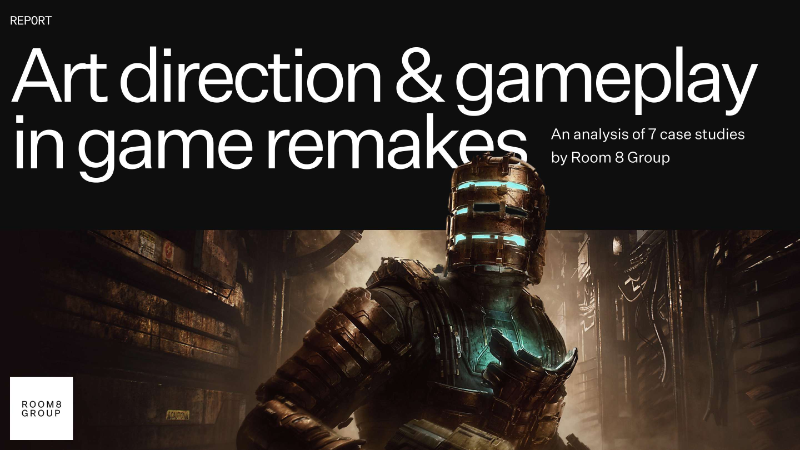
Room 8 Group · 2024

GameAnalytics

East Side Games
Poki · 2026
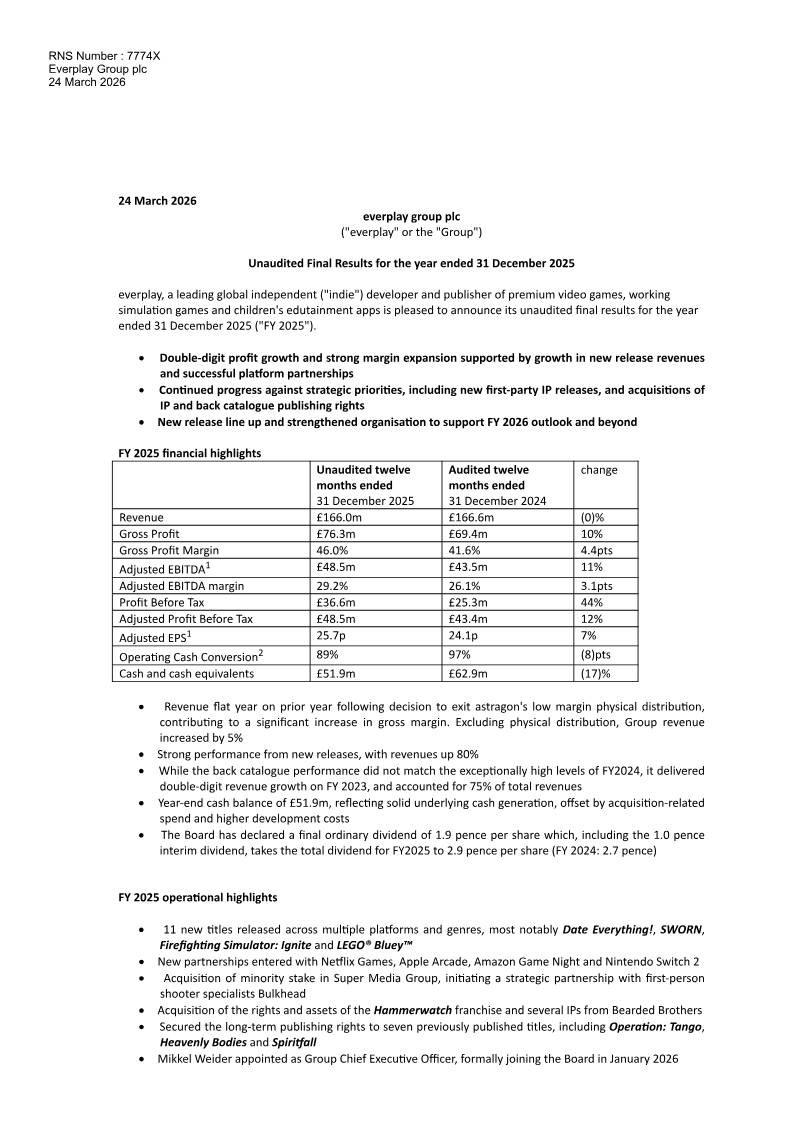
Everplay Group · 2026
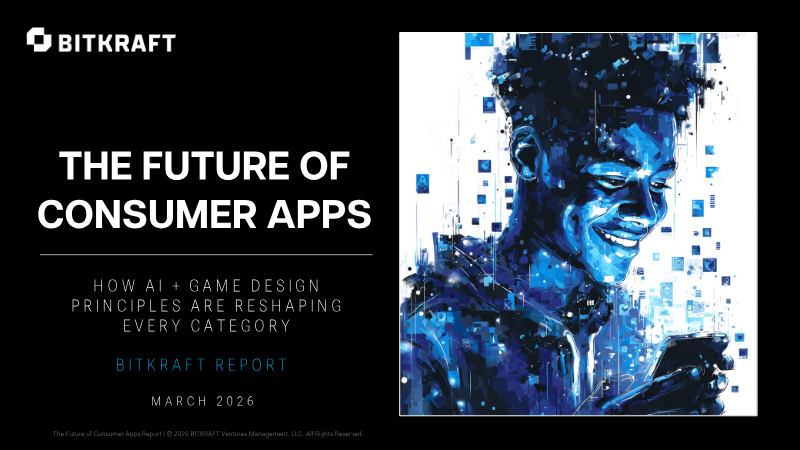
BITKRAFT Ventures · 2026
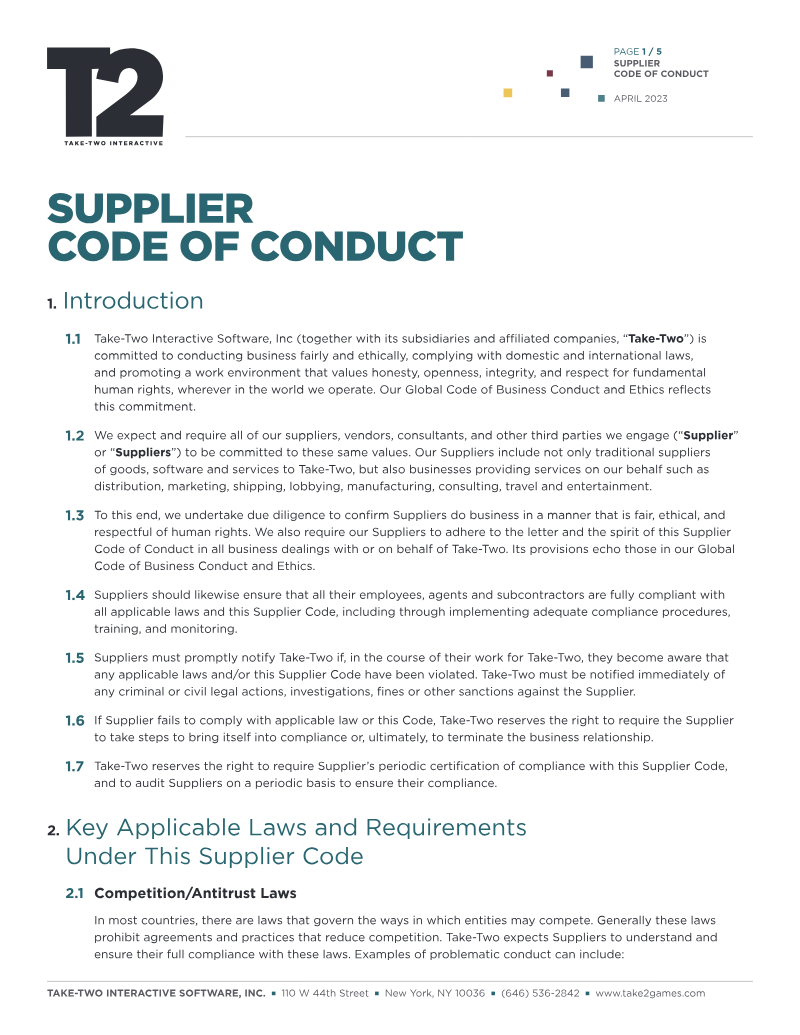
Take-Two Interactive · 2026
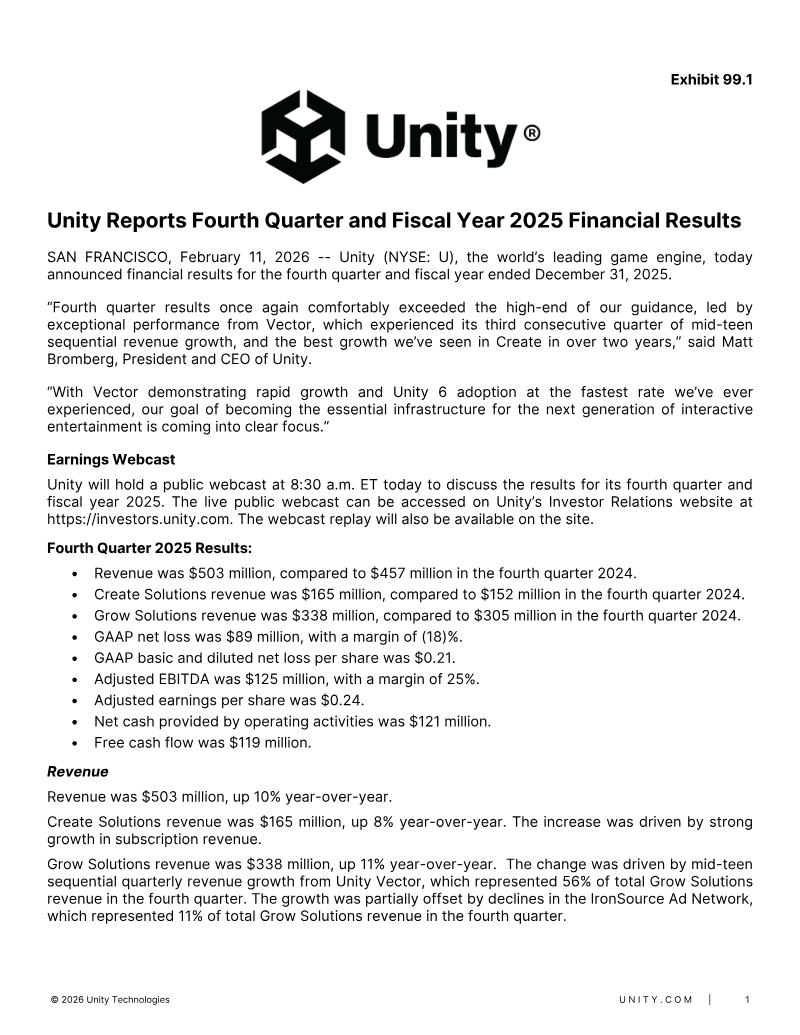
Unity · 2026

Sensor Tower · 2026
Poki · 2026
InvestGame · 2025
PCF Group · 2025