ArticleDeconstructor of Fun
The Most Honest AI Adoption Story in Gaming
20 Jul 20261 pages~8 min full read
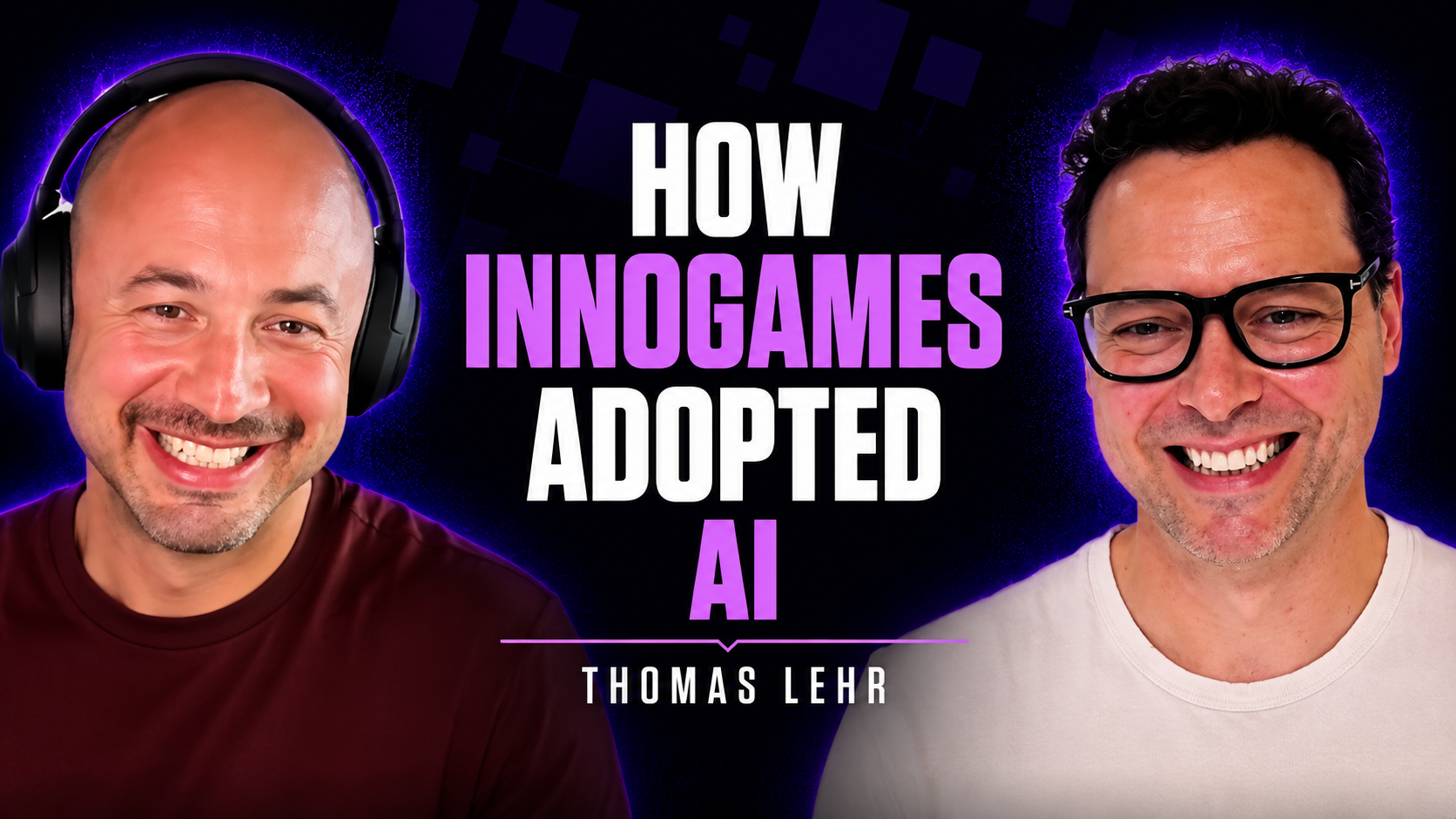
The adoption of artificial intelligence at InnoGames serves as a pragmatic case study in operational efficiency rather than a narrative of creative transformation. The primary thesis posits that AI is most effectively deployed as a tool to manage the decline of plateaued titles, allowing studios to maintain profitability while reallocating human capital toward new projects with greater growth potential. By transitioning the maintenance of the game Sunrise Village from a 25-person team to a three-person operation, the studio successfully shifted the title from a loss-making position to profitability, while simultaneously redeploying 22 staff members to new development initiatives.
Key findings emphasize that successful AI integration requires identifying and automating unglamorous, repetitive data-shuffling tasks rather than focusing on creative output. The implementation relied on a stable, long-term use of established models like GPT-4o to ensure pipeline reliability, prioritizing consistency over the frequent adoption of newer, untested technologies. This approach highlights a critical trade-off: while AI enables significant cost and speed advantages, it introduces challenges such as increased cognitive fatigue for staff and the gradual erosion of specific technical skills.
The analysis concludes that the industry’s resistance to AI is largely a misunderstanding of the competitive landscape. Rather than a cultural conflict over authenticity, the adoption of AI represents a fundamental shift in the economics of game development. Studios that fail to integrate these tools risk being out-iterated by competitors who can produce content with greater speed and lower overhead. Ultimately, the most effective AI strategies are those that prioritize clear-eyed business decisions, such as extending the lifecycle of legacy products, over the pursuit of industry hype.

Deconstructor of Fun · 2026

Deconstructor of Fun · 2026

Deconstructor of Fun · 2026

Deconstructor of Fun · 2026

Deconstructor of Fun · 2026

Deconstructor of Fun · 2026
Deconstructor of Fun · 2026

Deconstructor of Fun · 2026
Deconstructor of Fun · 2026

Deconstructor of Fun · 2026

Deconstructor of Fun · 2026

Deconstructor of Fun · 2026

Metaplay · 2024
Sensor Tower · 2026
Sensor Tower · 2026

Sensor Tower · 2026

SocialPeta · 2026

Sensor Tower · 2026
BITKRAFT Ventures · 2026

Sensor Tower · 2026

Adjust · 2026

SocialPeta · 2026

SocialPeta · 2025
Sensor Tower · 2025