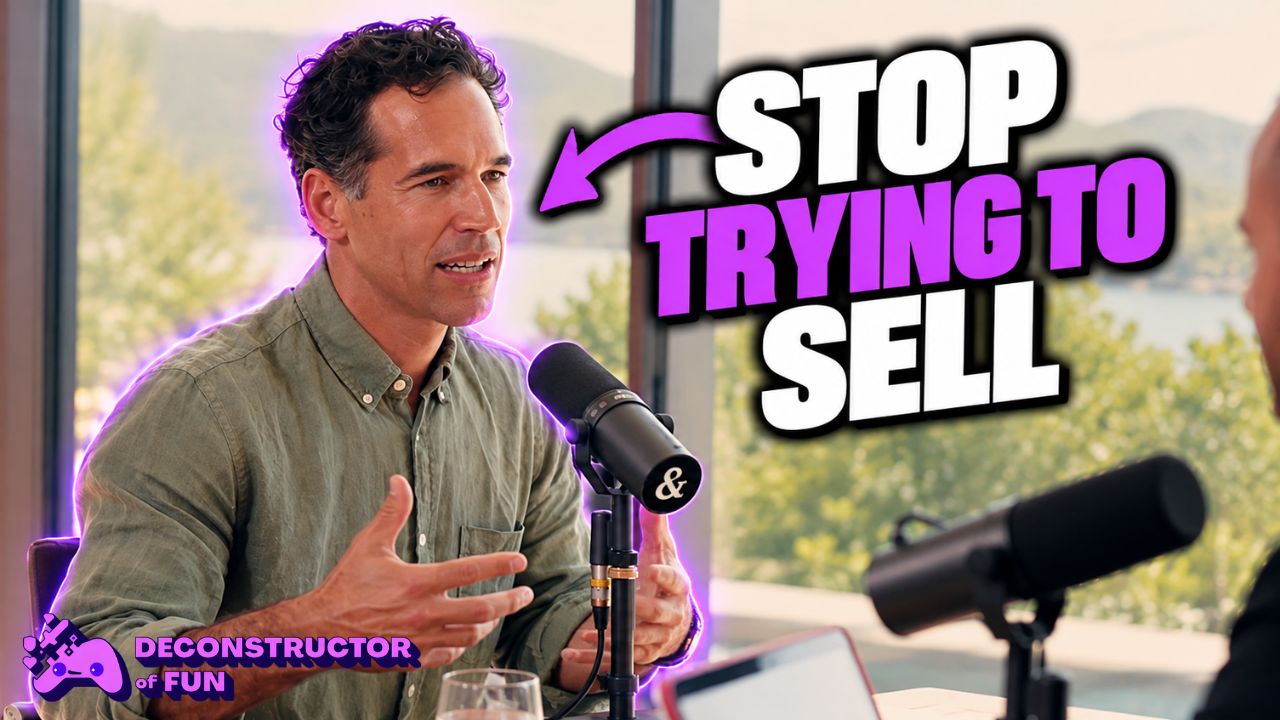
The mobile gaming studio FunCraft serves as a case study for the risks of premature exit strategies and the benefits of operational focus. After a failed 2025 sale process that yielded zero offers due to unrealistic price expectations and poor execution, the company shifted its internal culture from pursuing an exit to prioritizing sustainable growth and profitability. This pivot successfully transformed the business, which now operates on a $50 million annual revenue run rate with a lean team of fifteen employees.
The failed sale process highlighted critical errors in corporate strategy, specifically the dangers of broad buyer outreach and the negative impact of being perceived as a founder who has priced their company out of the market. The resulting rejection created a period of professional and emotional strain, but it ultimately forced the leadership to abandon speculative marketing campaigns in favor of rigorous, data-driven performance metrics. FunCraft currently utilizes a proprietary AI-powered engine to maintain a high-velocity development cycle, launching sixteen games annually while maintaining strict return-on-ad-spend criteria from the first install.
The company’s current success is built on a model of high-efficiency ad monetization, with 80% of revenue derived from advertising and a global ad ARPDAU of $0.60. While the business model relies heavily on consistent user acquisition, the studio has demonstrated significant resilience by growing 50% year-over-year in a challenging market. The primary takeaway for industry operators is that the most effective way to increase a company’s long-term value is to focus on operational discipline and profitability rather than attempting to engineer an exit. By prioritizing sustainable compounding over valuation-focused decision-making, the studio has successfully transitioned from a struggling startup to a profitable, scaling entity.

Deconstructor of Fun · 2026
Deconstructor of Fun · 2026
Deconstructor of Fun · 2026

Deconstructor of Fun · 2026
Deconstructor of Fun · 2026

Deconstructor of Fun · 2026

Deconstructor of Fun · 2026

Deconstructor of Fun · 2026

Deconstructor of Fun · 2026

Deconstructor of Fun · 2026
Deconstructor of Fun · 2026

Deconstructor of Fun · 2026

InvestGame

Almedia · 2026
Gamesight · 2026
Sensor Tower · 2026
Modern Times Group · 2026

InvestGame · 2026

Coda · 2026

Almedia · 2025

Moloco · 2025

King · 2025

Adjust · 2025

AppsFlyer · 2025