ArticleDeconstructor of Fun
Disney Solitaire's Big Win and Playtika's Earn-Out Trap
24 Sept 20261 pages~5 min full read
Playtika faces a significant financial paradox where the success of its latest title, Disney Solitaire, has exacerbated the company's underlying fiscal instability. While the game generated $142 million in the second quarter of 2026, the acquisition of its developer, SuperPlay, for $700 million plus a substantial earn-out of up to $1.25 billion, has placed immense pressure on Playtika’s liquidity. Despite the game's strong performance, Playtika reported a $206 million GAAP loss for the year, as cash reserves dropped from $820 million to $438 million within six months.
The core of this issue lies in a heavy debt burden inherited from a 2016 leveraged buyout. With $2.41 billion in debt due for refinancing between 2028 and 2029, and annual servicing costs reaching approximately $200 million, the company struggles to maintain profitability. The success of Disney Solitaire—which utilizes a refined economy and high-tempo live operations—has made the studio an attractive acquisition target for entities like Tencent, valued between $1 billion and $1.5 billion.
Ultimately, the company’s ownership faces a strategic dilemma: retain the high-performing SuperPlay studio at the cost of draining cash reserves needed for debt obligations, or divest the asset to stabilize the balance sheet. The situation highlights the long-term consequences of aggressive debt-loading, as the company is now forced to consider selling its primary growth engine to address structural financial liabilities.
Deconstructor of Fun · 2026
Deconstructor of Fun · 2026

Deconstructor of Fun · 2026
Deconstructor of Fun · 2026
Deconstructor of Fun · 2026

Deconstructor of Fun · 2026
Deconstructor of Fun · 2026
Deconstructor of Fun · 2026

Deconstructor of Fun · 2026
Deconstructor of Fun · 2026
Deconstructor of Fun · 2026
Deconstructor of Fun · 2026
Modern Times Group · 2026

Almedia · 2026
Sensor Tower · 2026

Sensor Tower · 2026
AppLovin · 2026

Sensor Tower · 2026

Sensor Tower · 2026
AppLovin · 2026
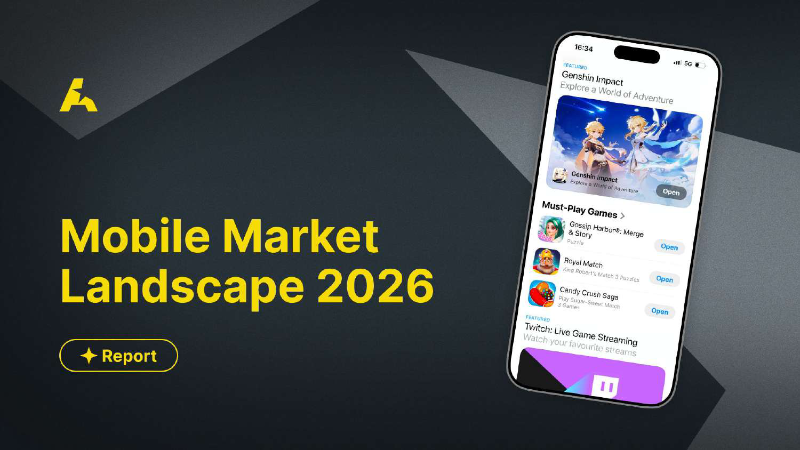
AppMagic · 2026
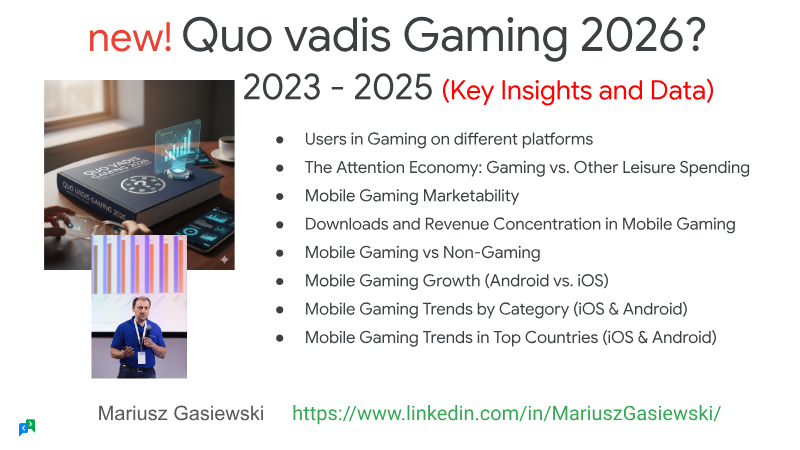
InvestGame · 2026
Sensor Tower · 2026
Sensor Tower · 2026