ArticleDeconstructor of Fun
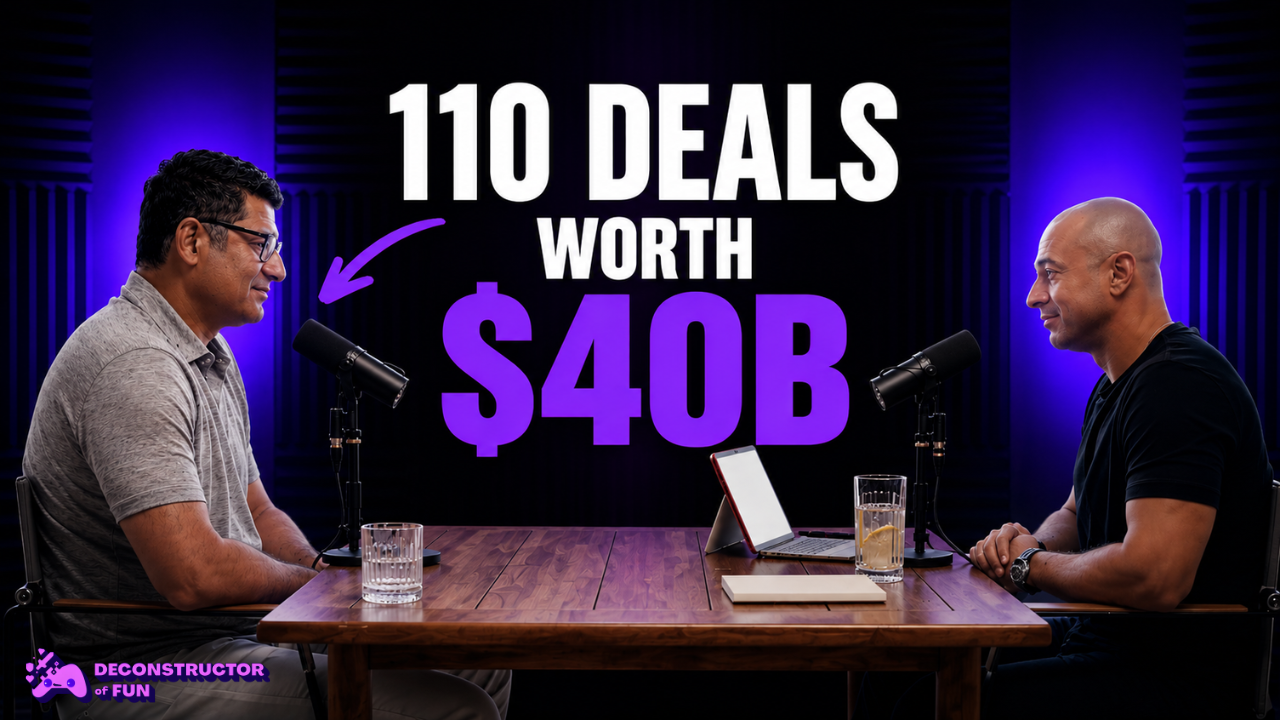
Does Merge-2 Monetize Better Than Match-3?
29 Jun 20261 pages~12 min full read
Key insights
6 slides
Key number
Gossip Harbor outearned Candy Crush Saga in February 2026.
Gossip Harbor reached $77.7 million in monthly revenue, while Candy Crush reached $71.7 million.
What changed
Merge-2 boards are persistent while Match-3 boards reset each level.
Match-3 boards are temporary and reset each level. Merge-2 boards are persistent, allowing players to manage an ongoing economy rather than solve discrete puzzles.
Monetization model
Match-3 sells solutions to failed levels, while Merge-2 sells continuity.
Match-3 games monetize by selling solutions to failed levels, offering a clean break. Merge-2 games monetize by selling continuity, using energy systems to pause progress and encourage spending.
Spending ceiling
Merge-2 has no inherent spending ceiling unlike Match-3.
Match-3 has a natural selling ceiling where each level offers limited purchase opportunities. Merge-2 players can continuously refill energy and use boosted generators to progress faster.
Market position
Merge-2 extracts higher per-player revenue, but Match-3 dominates total market size.
Merge-2 extracts higher per-player revenue by sustaining player engagement. Match-3 still dominates total market size due to its broader audience and clearer gameplay loop.
Final verdict
Merge-2 succeeds through a different player relationship, not superior mechanics.
The piece argues Merge-2’s success stems from a different player relationship where nothing truly ends. It is not an inherently superior monetization mechanic.
1 / 6
Ask AI about this report