ArticleDeconstructor of Fun
Questions Istanbul Founders Stopped Asking
7 Sept 20261 pages~12 min full read
The Turkish mobile gaming ecosystem has achieved significant global success by adhering to a proven, repeatable model, yet it now faces a critical juncture regarding future innovation. The industry’s trajectory was largely defined by the influence of Sidar Şahin and the success of Peak Games, which established a blueprint for casual puzzle games that continues to dominate the market. This ecosystem is characterized by a high degree of imitation, where successful mechanics are rapidly replicated by a concentrated pool of world-class talent, creating a competitive environment that functions as a "knife fight" for resources and market share.
Government policy has played a pivotal role in sustaining this model, with extensive incentive schemes that subsidize user acquisition, platform commissions, and operational costs. These subsidies effectively lower the barrier to entry and reduce the risk of experimentation, encouraging studios to focus on proven, high-performing genres. However, this reliance on established formulas has led to a narrow focus on casual mobile titles, raising questions about whether the country’s top-tier talent is being optimally allocated compared to emerging global sectors like robotics or artificial intelligence.
Analysis suggests that while the current system is highly efficient at generating returns, it may be stifling broader creative ambition. Investors and industry observers note that the obsession with short-term payback windows often obscures the long-term value of user cohorts. Moving forward, the sustainability of the Turkish gaming sector depends on whether founders can transition from replicating existing successes to pioneering new categories. While the current "proof of concept" has successfully put Istanbul on the global map, the next phase of growth likely requires a departure from the singular focus on puzzle games toward more diverse and innovative technological ventures.
Deconstructor of Fun · 2026

Deconstructor of Fun · 2026
Deconstructor of Fun · 2026
Deconstructor of Fun · 2026

Deconstructor of Fun · 2026

Deconstructor of Fun · 2026
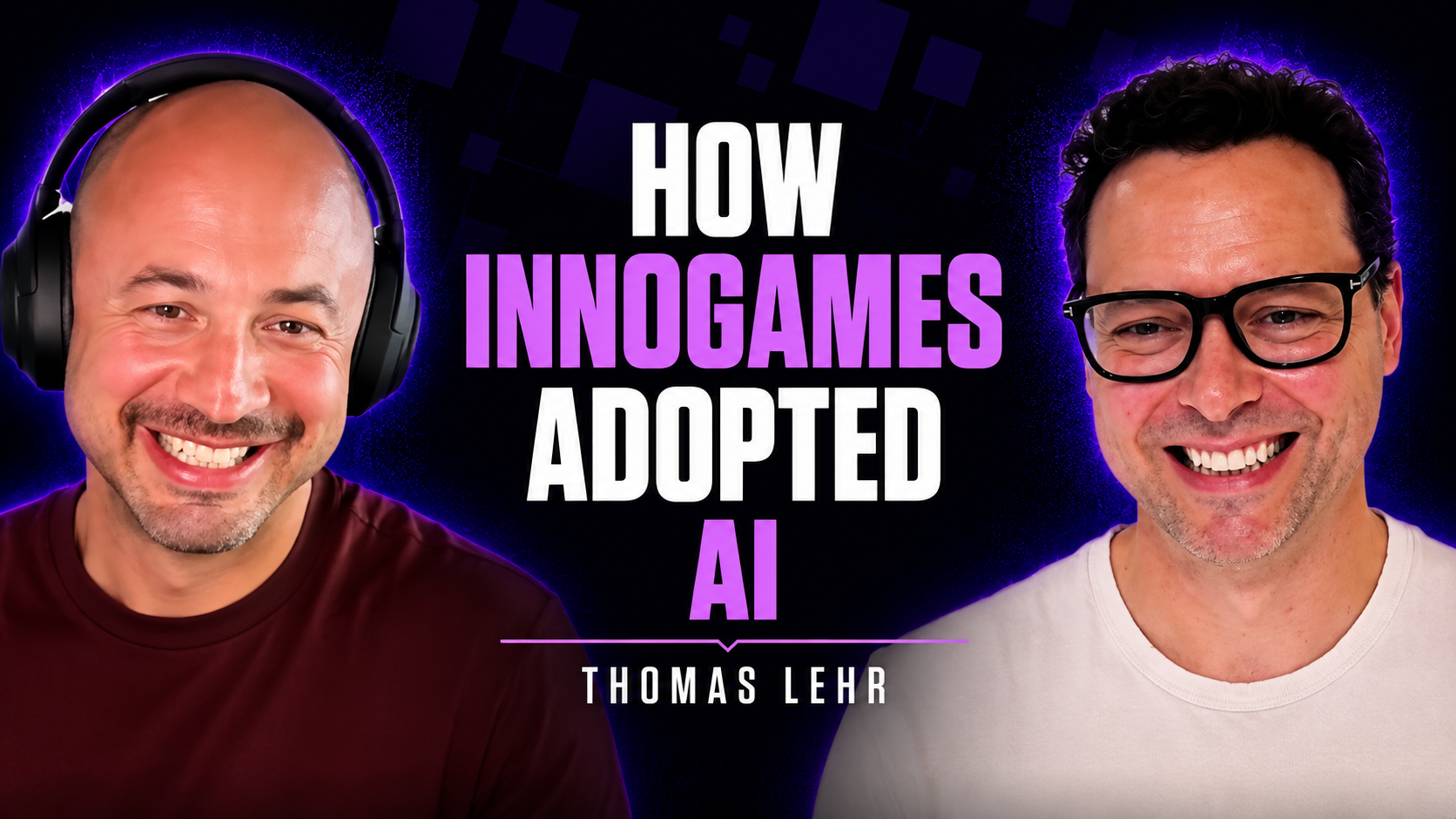
Deconstructor of Fun · 2026

Deconstructor of Fun · 2026

Deconstructor of Fun · 2026
Deconstructor of Fun · 2026

Deconstructor of Fun · 2026

Deconstructor of Fun · 2026
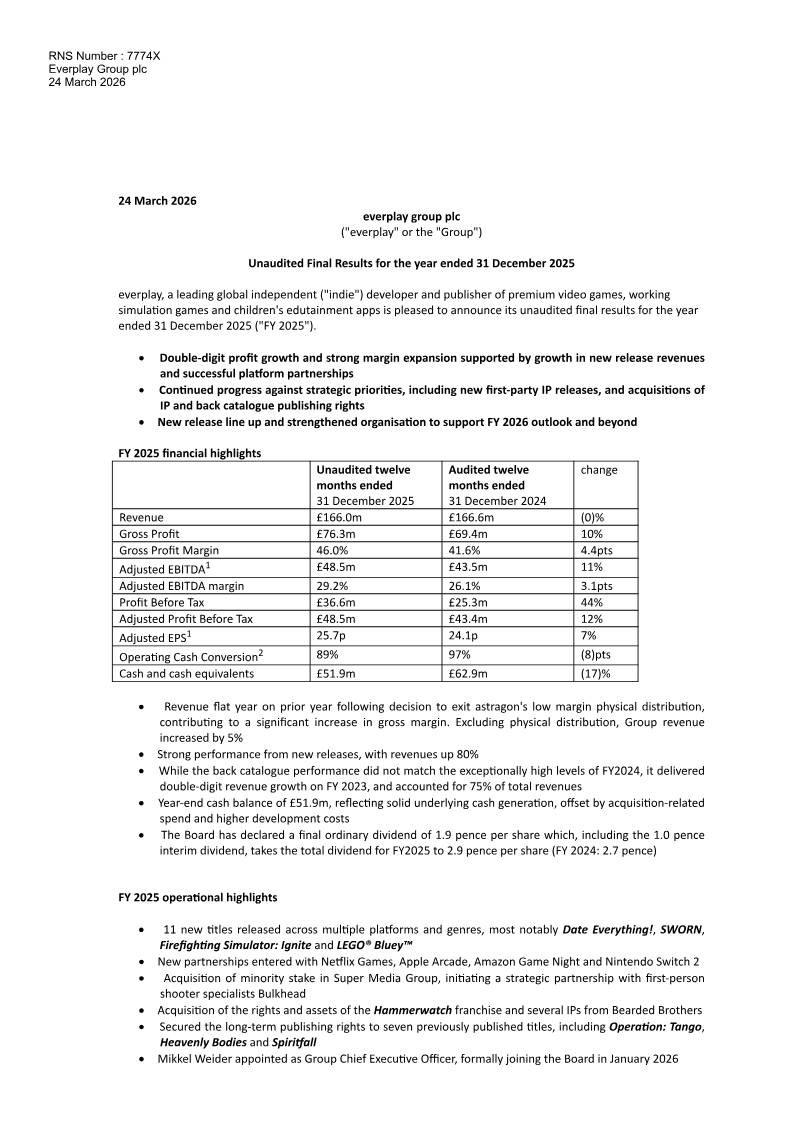
Everplay Group · 2026
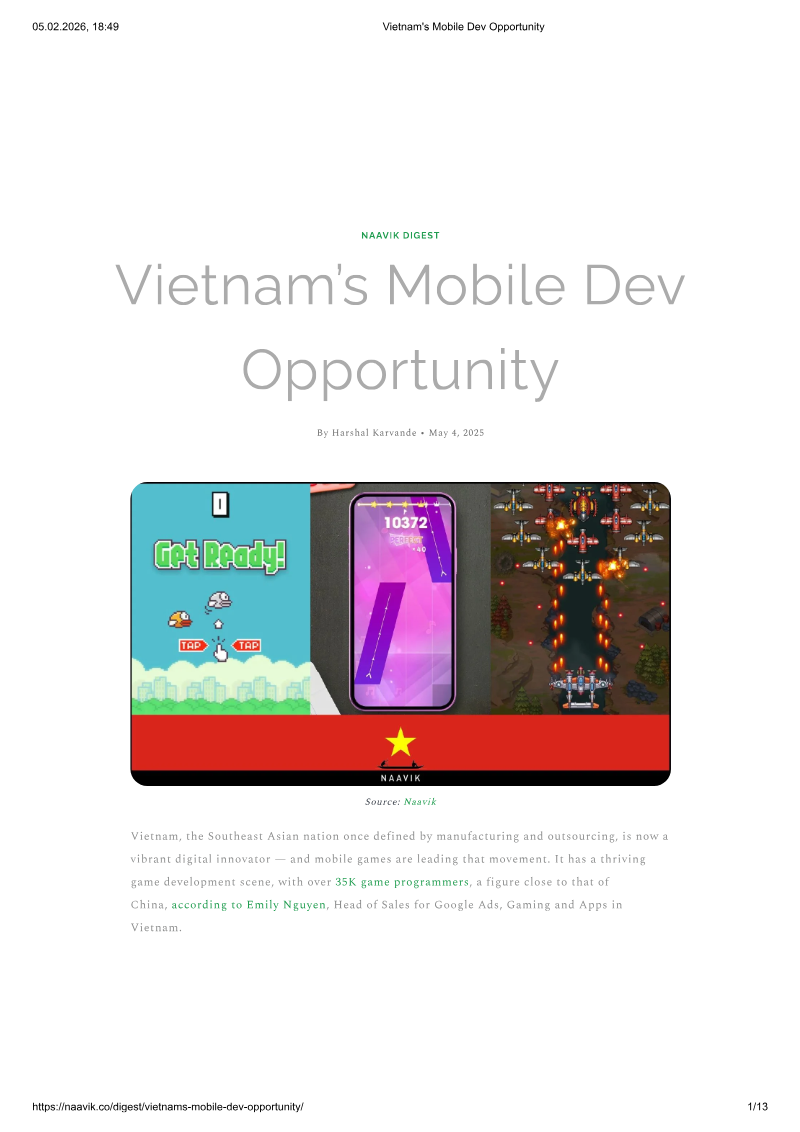
Naavik · 2026
Dataspelsbranschen · 2023
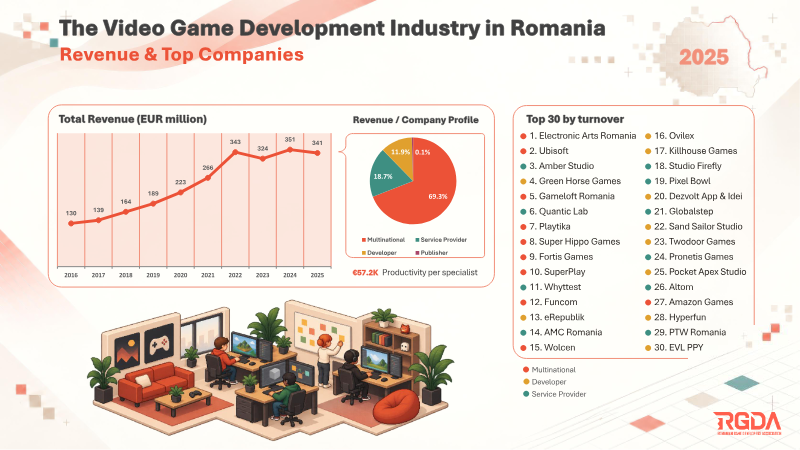
RGDA – Romanian Game Developers Association
11 bit studios
11 bit studios
PCF Group
11 bit studios
11 bit studios
game – Verband der deutschen Games-Branche e. V.
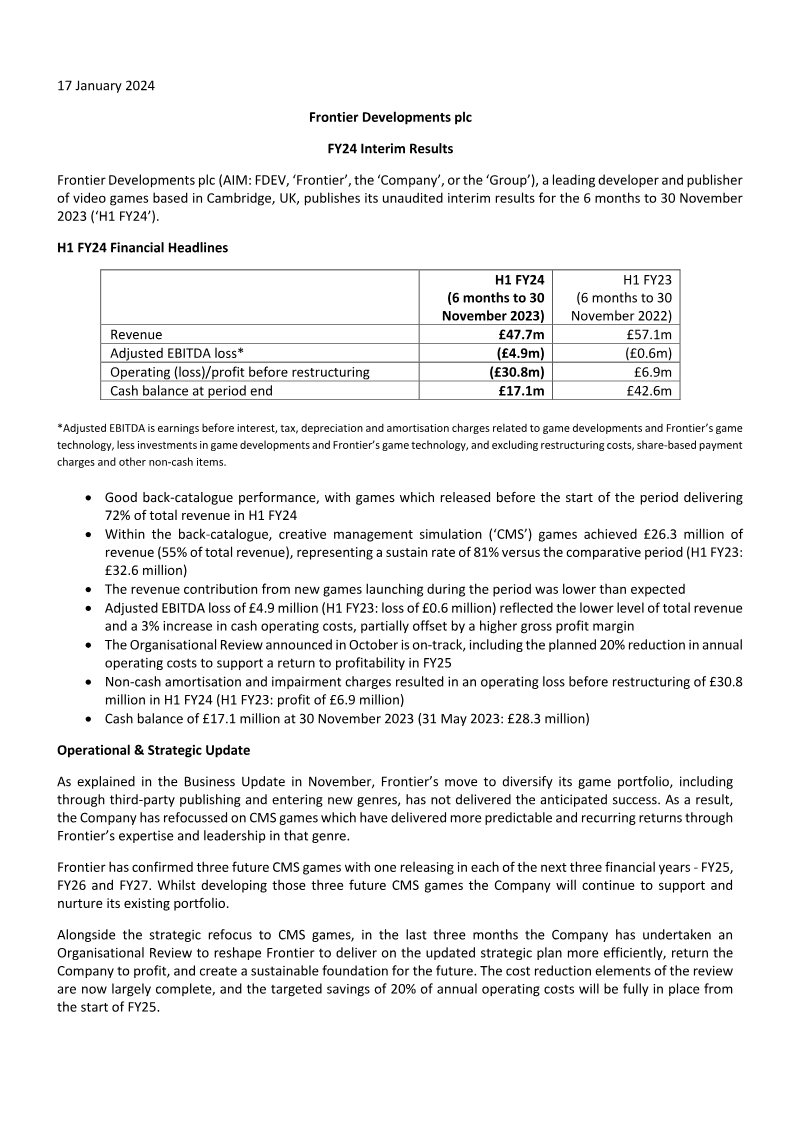
Frontier Developments
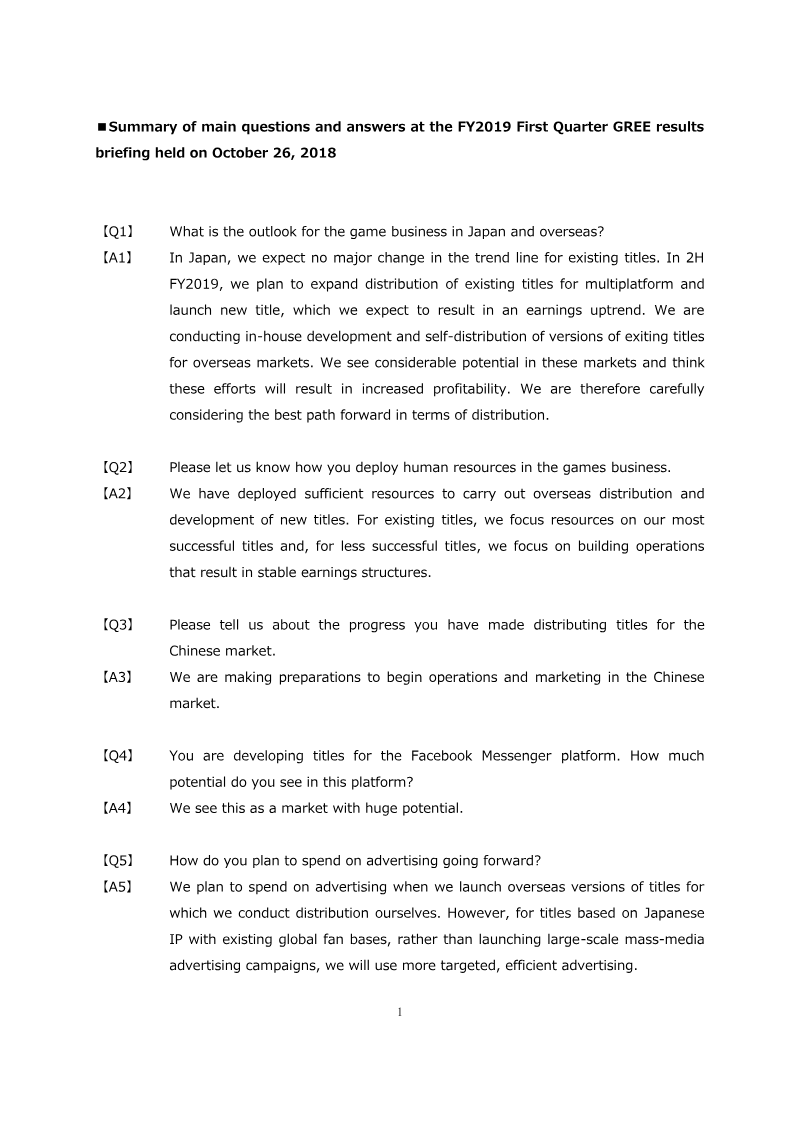
GREE