ArticleDeconstructor of Fun
Why None of Us Saw Cyberpunk Coming Apart
14 Sept 20261 pages~14 min full read
The analysis examines the catastrophic 2020 launch of Cyberpunk 2077, identifying the primary cause as a failure of organizational visibility rather than external investor pressure. Through a discussion with CD PROJEKT RED’s joint CEO, Michal Nowakowski, the narrative clarifies that the shift to remote work during the pandemic fragmented the development process. Because the studio relied on a waterfall pipeline that required physical proximity for senior oversight, the transition to remote work left teams working in silos, preventing anyone from identifying critical integration failures before the product reached the market.
Key findings highlight that the studio’s reliance on pattern matching—specifically comparing the project to the launch of The Witcher 3—led to a gross underestimation of technical debt. The company’s subsequent recovery was not a result of a strategic pivot, but rather a commitment to fixing a fundamentally sound game design that retained significant market demand. This recovery was funded by the 13 million units sold at launch, demonstrating that tenacity is only a viable business strategy when a project possesses underlying commercial value.
The analysis also explores the risks of the studio’s current expansion into transmedia and multi-franchise development. While the success of the Edgerunners series proved the value of maintaining creative control, the studio now faces the challenge of building a new intellectual property, Project Hadar, from scratch. This represents a significant shift from their previous success, which relied on adapting existing, established worlds. Ultimately, the studio’s long-term viability depends on its ability to manage a larger portfolio of projects without losing the institutional discipline and refusal to feel safe that have defined its culture.
Deconstructor of Fun · 2026

Deconstructor of Fun · 2026

Deconstructor of Fun · 2026

Deconstructor of Fun · 2026

Deconstructor of Fun · 2026

Deconstructor of Fun · 2026

Deconstructor of Fun · 2026

Deconstructor of Fun · 2026

Deconstructor of Fun · 2026

Deconstructor of Fun · 2026

Deconstructor of Fun · 2026

Deconstructor of Fun · 2026

GungHo Online Entertainment

Koei Tecmo

Frontier Developments
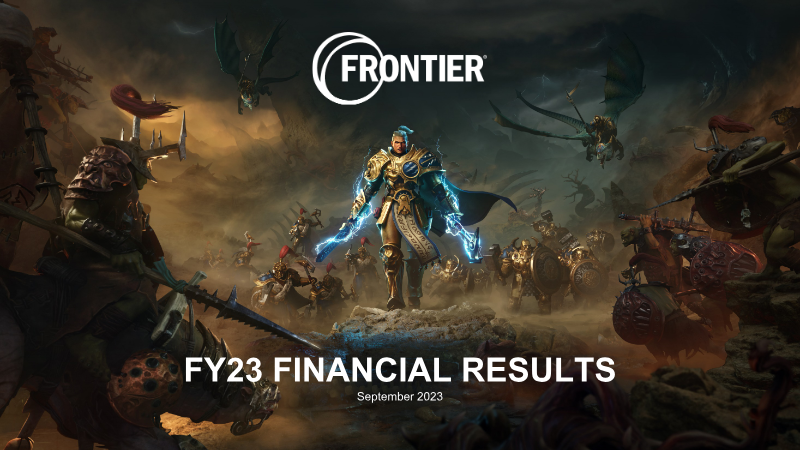
Frontier Developments
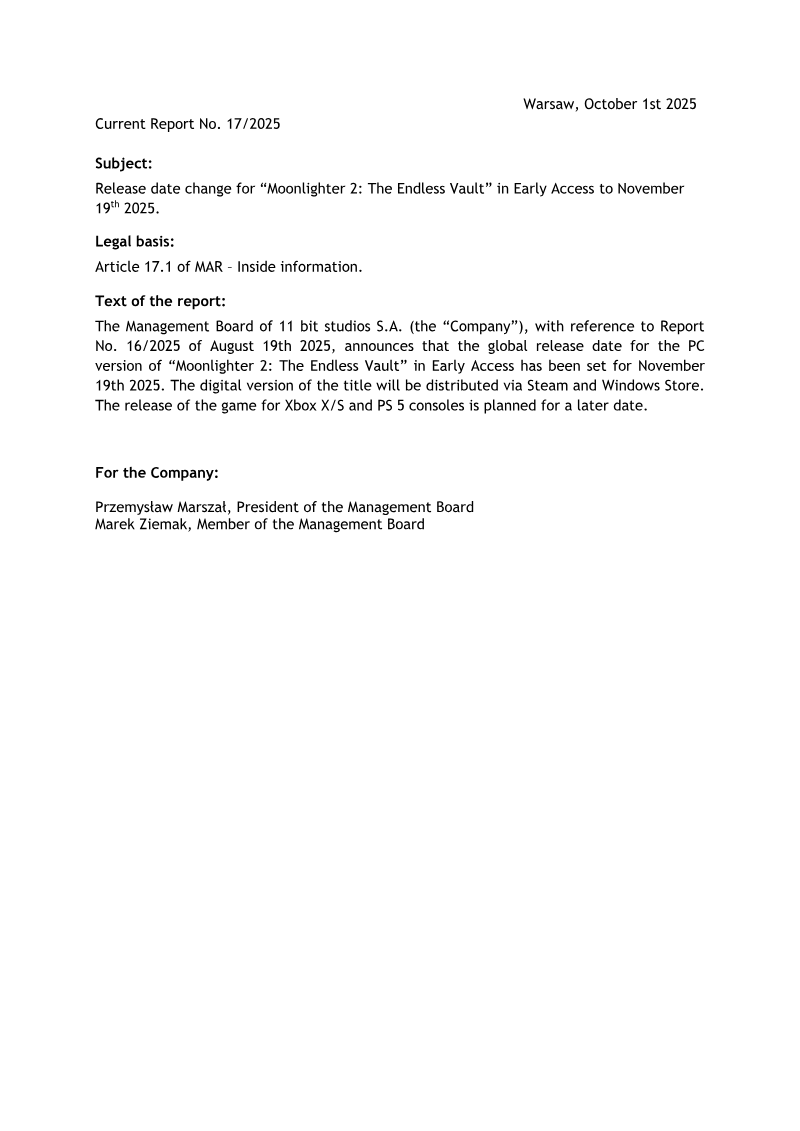
11 bit studios
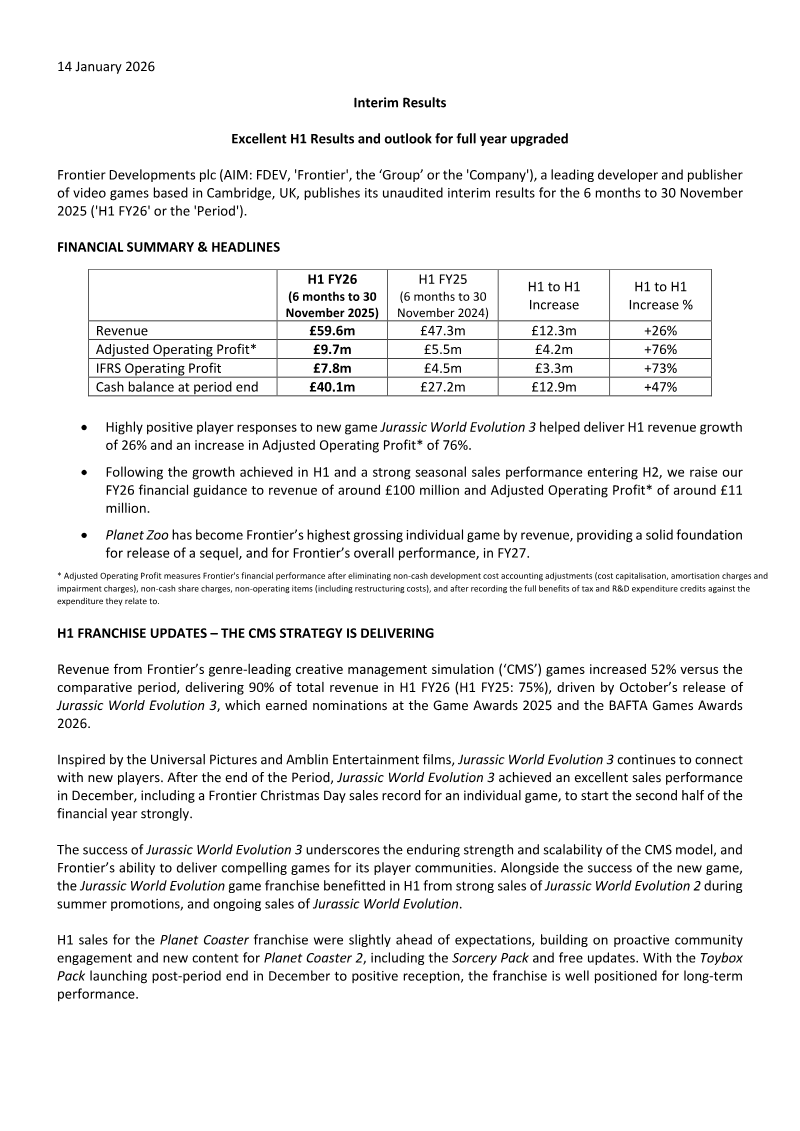
Frontier Developments
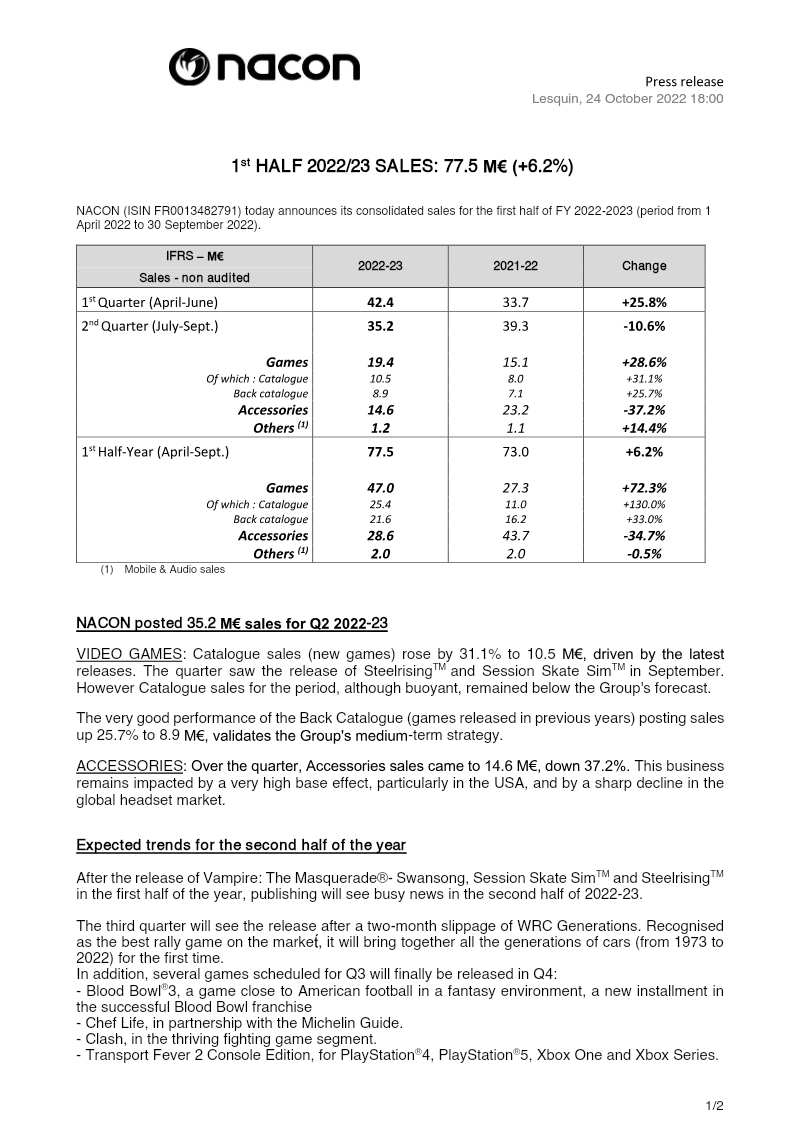
Nacon
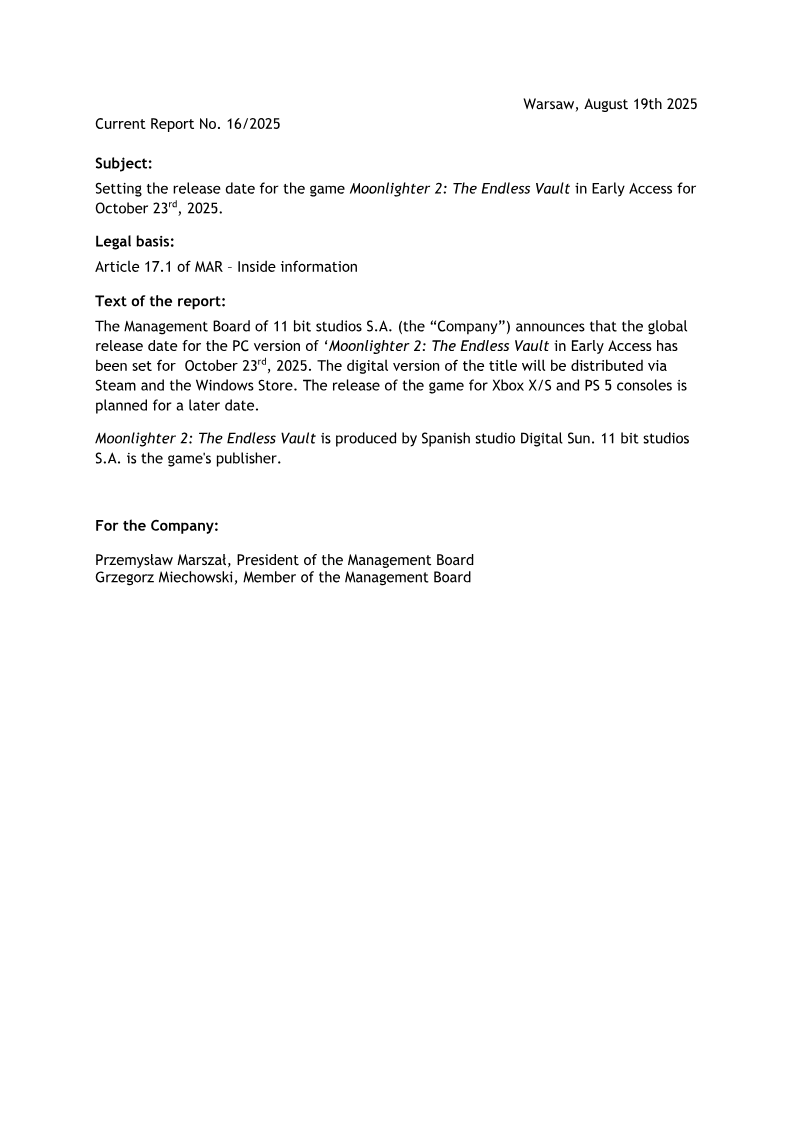
11 bit studios

Frontier Developments
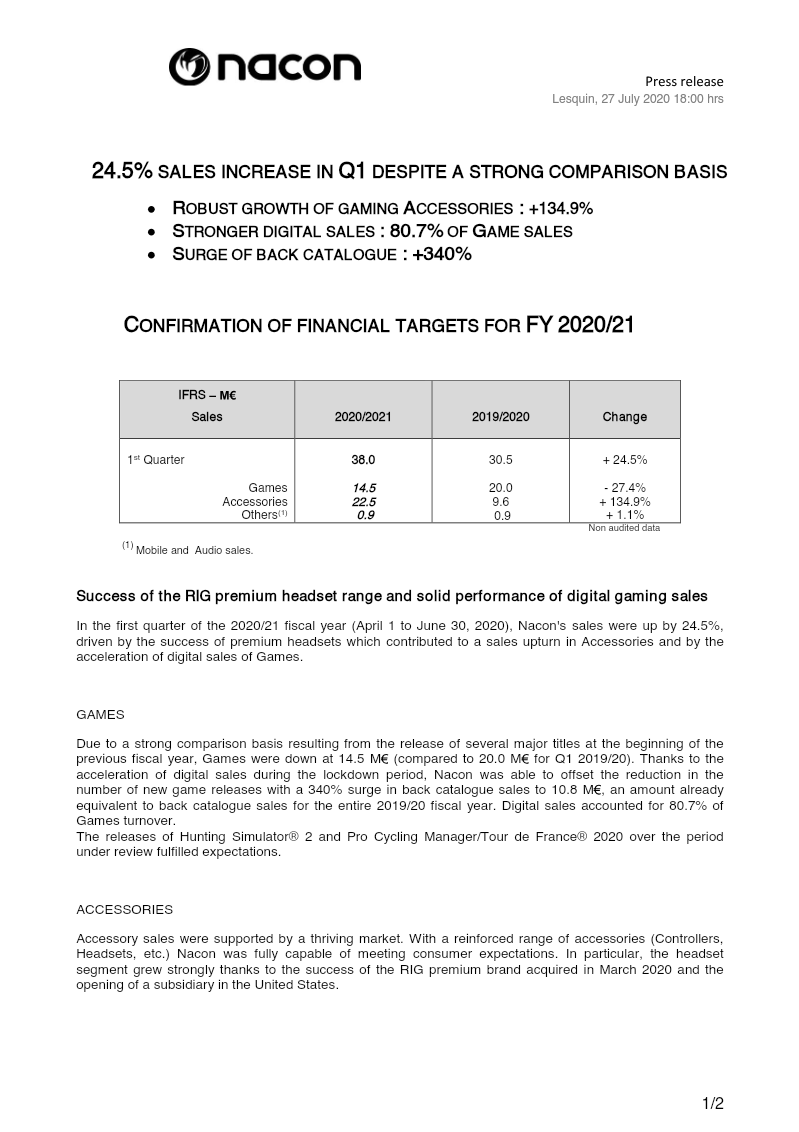
Nacon
11 bit studios
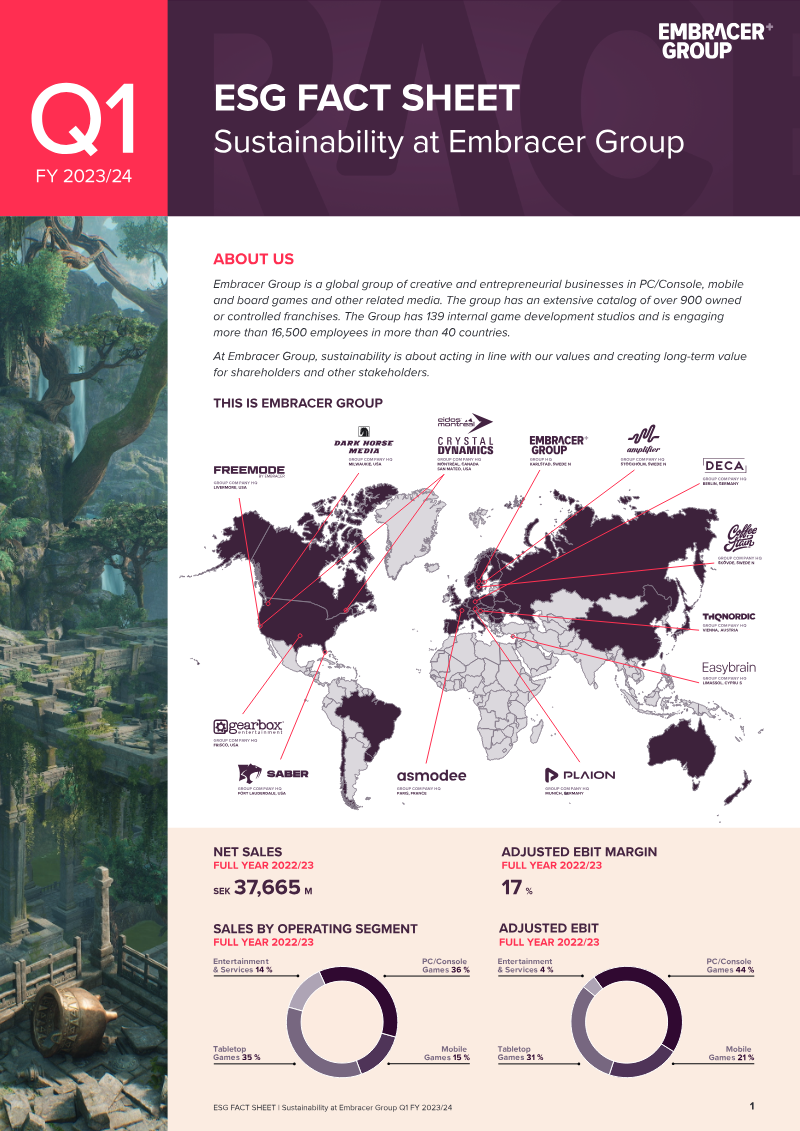
Embracer Group