1 free read left. Create a free account for unlimited reading + AI research.
Create free accountArticle Bryter
1 free read left. Create a free account for unlimited reading + AI research.
Create free accountArticleBryter
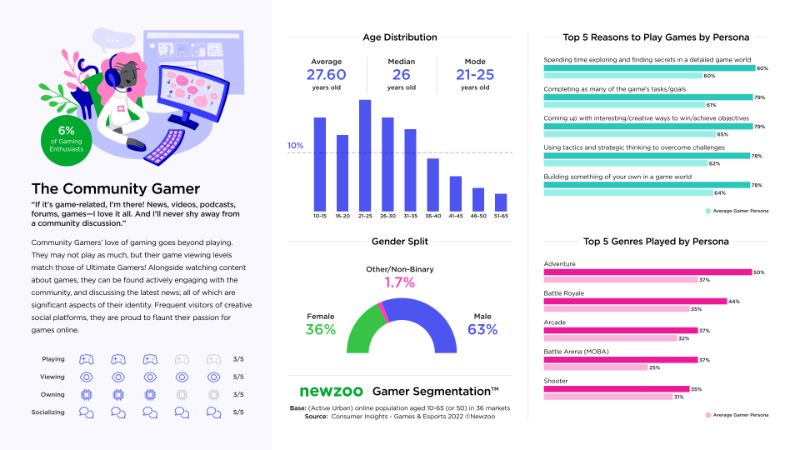
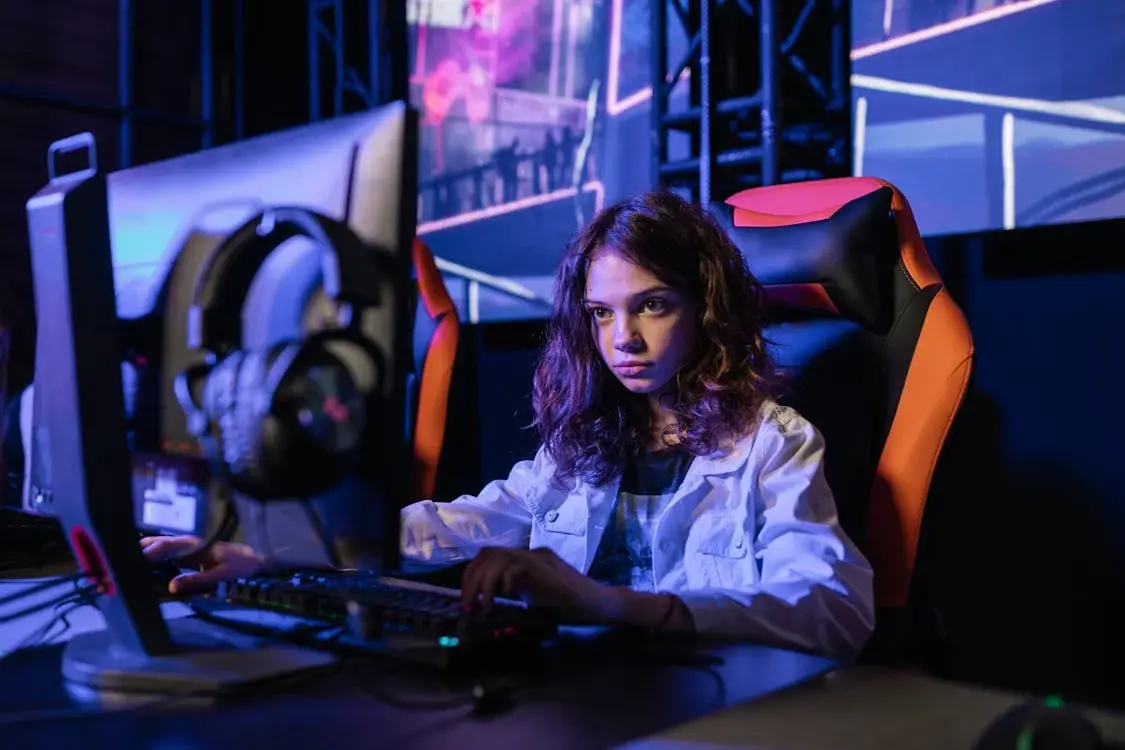
The esports industry faces a significant gender diversity crisis, characterized by the systemic underrepresentation of women in professional gaming. Despite the sector’s rapid financial growth—projected to reach $1.86 billion by 2025—women account for less than 5% of professional players in world championships. This disparity persists despite strong interest from the female gaming population, with 36% of the 1,500 female gamers surveyed expressing a desire to compete in tournaments.
The primary barriers to entry are not rooted in a lack of skill or interest, but rather in structural inequality and pervasive toxicity. Female gamers frequently encounter discriminatory behavior, with 72% of survey participants reporting experiences of abuse or harassment from male players, ranging from sexist comments to threats of violence. Furthermore, the industry fails to provide equitable support for women, as evidenced by a lack of investment in female teams, limited coaching resources, and lower overall earnings compared to their male counterparts. Approximately 54% of female gamers believe the community fails to adequately support or encourage women’s participation.
To address these challenges, the industry must move beyond tokenistic initiatives and implement comprehensive changes. Recommended actions include increasing the presence of female players in professional teams and tournaments, ensuring equal allocation of resources and funding, and enforcing stricter moderation of hate speech and toxic behavior within online gaming environments. By fostering a more inclusive and secure ecosystem, the esports industry can better reflect its diverse player base and ensure sustainable growth.



Bryter · 2026
Bryter · 2026
Bryter · 2026
Bryter · 2026

Bryter · 2026

Bryter · 2025
Bryter · 2025
Bryter · 2024

Bryter · 2024

Bryter · 2024
Bryter · 2023

Bryter · 2023
Extra Credits · 2026