1 free read left. Create a free account for unlimited reading + AI research.
Create free accountArticle Bryter
1 free read left. Create a free account for unlimited reading + AI research.
Create free accountArticleBryter
46% of the global gaming population is female. However, a significant portion of these women do not identify as 'gamers'.
The gaming industry faces a significant disconnect between its marketing strategies and the reality of its player base, as evidenced by the persistent use of the dismissive label "girl games." While the industry is valued at $522.5 billion globally, the term continues to marginalize female players by framing their preferences as frivolous or niche. The analysis, supported by the 2024 Women Gamers Study, highlights that women now constitute 46% of the global gaming population, yet 28% of these individuals still hesitate to identify as "gamers" due to a pervasive culture of exclusion and toxicity.
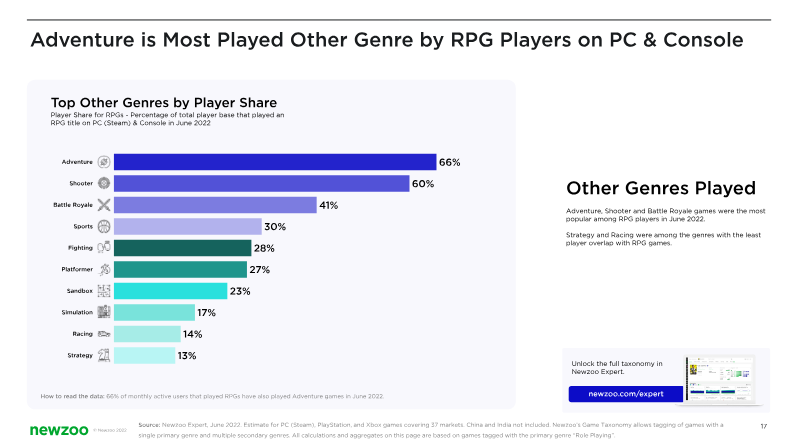
Data indicates that female gamers are highly active, averaging 20 hours of gameplay per week. Contrary to stereotypes that limit women to casual or non-violent titles, they are increasingly engaged in competitive genres like Battle Royale and shooters. The primary distinction lies in motivation: women prioritize immersion, storytelling, and emotional connection over the competition-driven power dynamics often favored by male players. Furthermore, marketing efforts frequently fail to resonate with women because they rely on high-octane, male-centric promotional materials rather than the peer-driven recommendations and gameplay-focused content that women prefer.
The industry also struggles with severe toxicity, which acts as a major barrier to participation. Approximately 59% of women report experiencing toxicity, with one in four facing sexual harassment and 12% receiving rape threats. This hostile environment forces many women to conceal their gender, avoid voice chat, or retreat into private communities. The issue is particularly acute for intersectional players, as 52% of LGBTQ+ women and women of color report regular abuse. Ultimately, the analysis concludes that addressing these disparities is not merely a matter of social responsibility but a critical business strategy to foster growth and inclusivity in an evolving global market.



Bryter · 2026
Bryter · 2026

Bryter · 2026

Bryter · 2026
Bryter · 2026

Bryter · 2025

Bryter · 2024

Bryter · 2024

Bryter · 2024
Bryter · 2023

Bryter · 2023

Bryter · 2023
Entertainment Software Association · 2025