1 free read left. Create a free account for unlimited reading + AI research.
Create free accountArticle Bryter
1 free read left. Create a free account for unlimited reading + AI research.
Create free accountArticleBryter
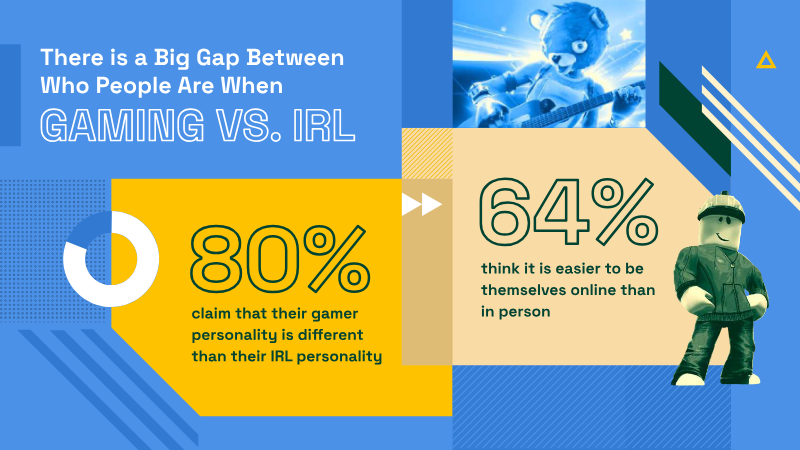
Player behaviors, values, and motivations change based on context, platform, and community.
The gaming industry is currently defined by a highly fragmented and evolving audience, necessitating a shift from traditional genre-based categorization to a deeper, motivation-driven understanding of player identity. The primary thesis is that long-term commercial success in a crowded market depends on a studio’s ability to move beyond surface-level demographics and connect with the emotional and cultural drivers that influence player behavior. By treating research as a creative partner rather than a checkbox, developers can better navigate the complexities of player engagement, retention, and community building.
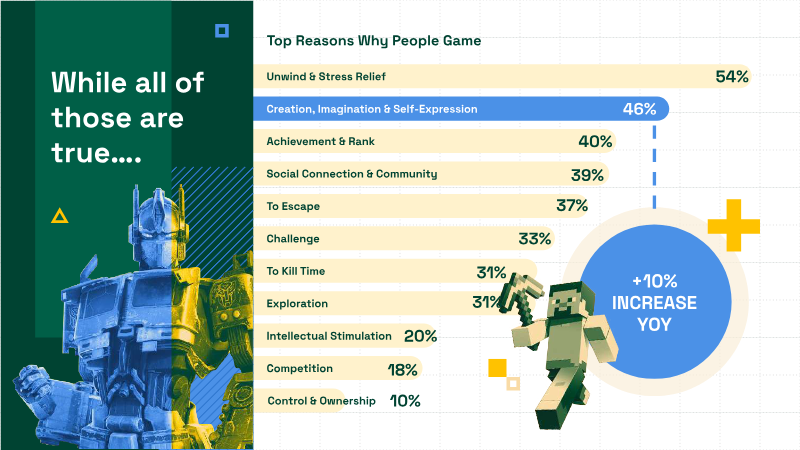
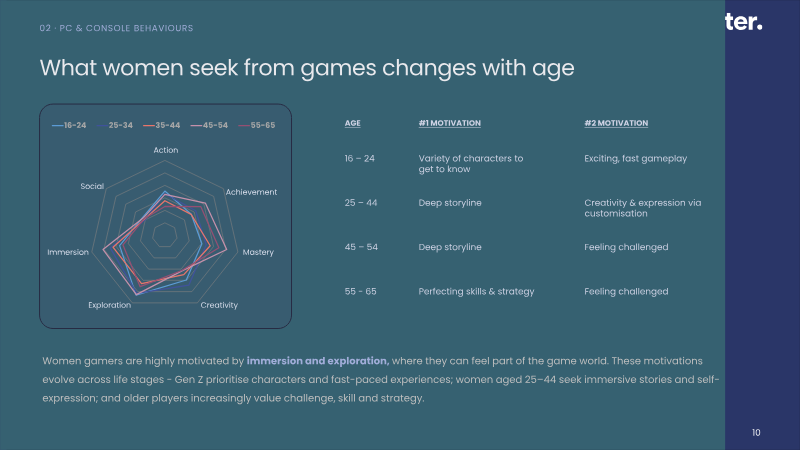
Key findings emphasize that a single player’s motivations can fluctuate based on context, such as the specific title, platform, or community environment. For instance, a user might engage with a competitive shooter for social status while simultaneously seeking introspective, solo experiences in other titles. Furthermore, the analysis highlights the importance of cultural convergence, noting that gaming is increasingly intertwined with external interests like anime and manga. Failing to recognize these cultural nuances—or attempting to integrate them inauthentically—can alienate core audiences and derail product launches.
The scope of this perspective covers the global gaming landscape, with specific references to regional differences in monetization, platform preference, and community interaction. Methodologically, the approach advocates for a blend of traditional market research, in-game analytics, and community sentiment tracking to map the full lifecycle of player engagement. Ultimately, the analysis concludes that listening to players is a critical competitive advantage. By prioritizing the human element of play, studios can transform their products from mere software into enduring worlds that foster genuine player loyalty and long-term retention.

Bryter · 2026
Bryter · 2026
Bryter · 2026

Bryter · 2026
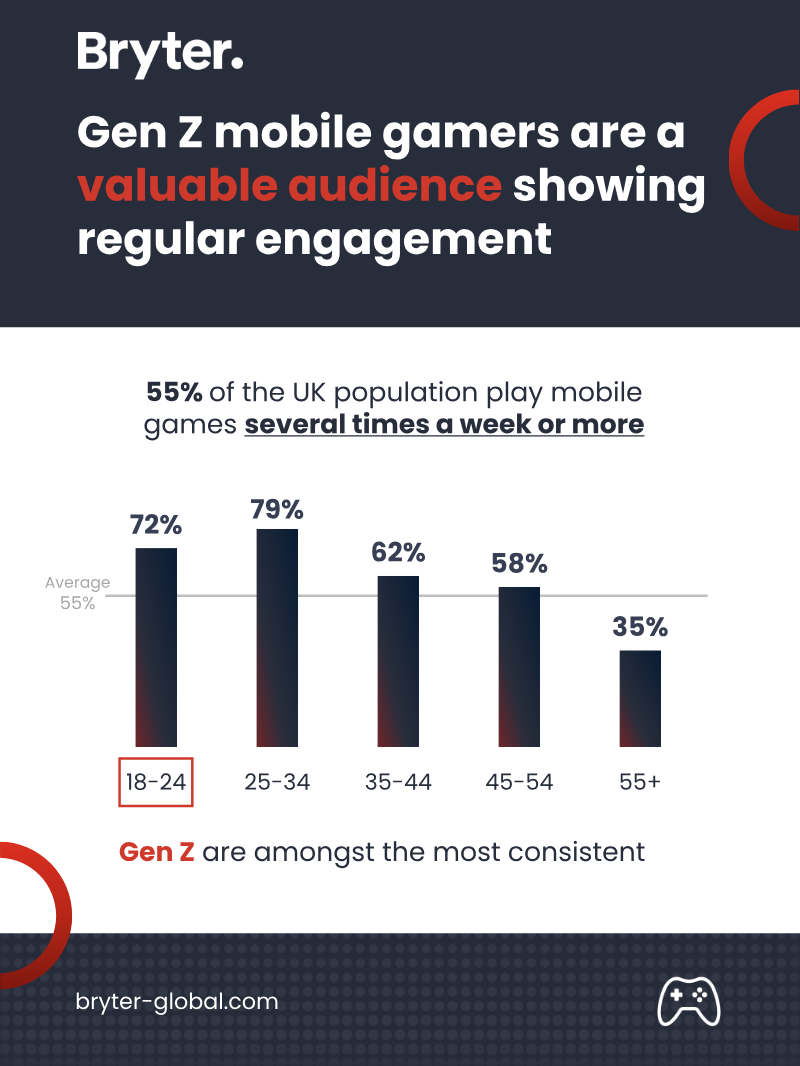
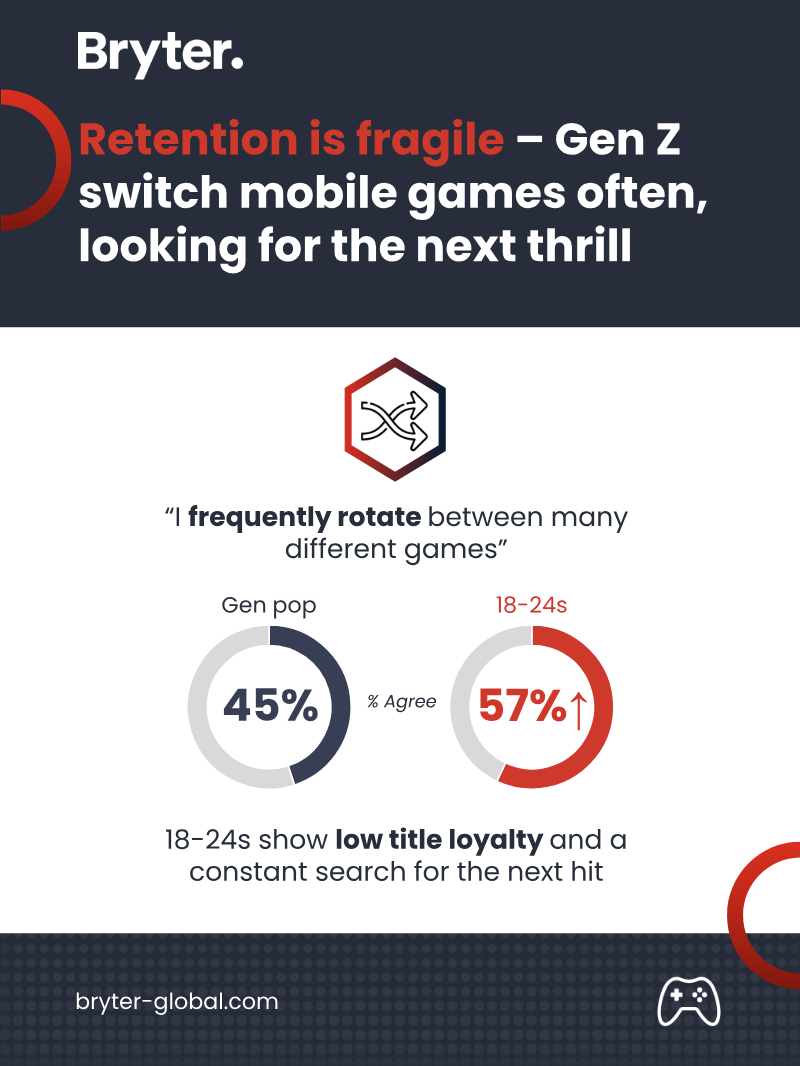
Bryter · 2026

Bryter · 2025

Bryter · 2025
Bryter · 2024

Bryter · 2024

Bryter · 2024
Bryter · 2023

Bryter · 2023

Deconstructor of Fun · 2025