1 free read left. Create a free account for unlimited reading + AI research.
Create free accountArticle Bryter
1 free read left. Create a free account for unlimited reading + AI research.
Create free accountArticleBryter
A deeper analysis of players' psychological 'emotional DNA' and lifestyle context is required.
Key Shift. Success requires moving beyond basic demographic data to analyze the psychological 'emotional DNA' and lifestyle context of players.
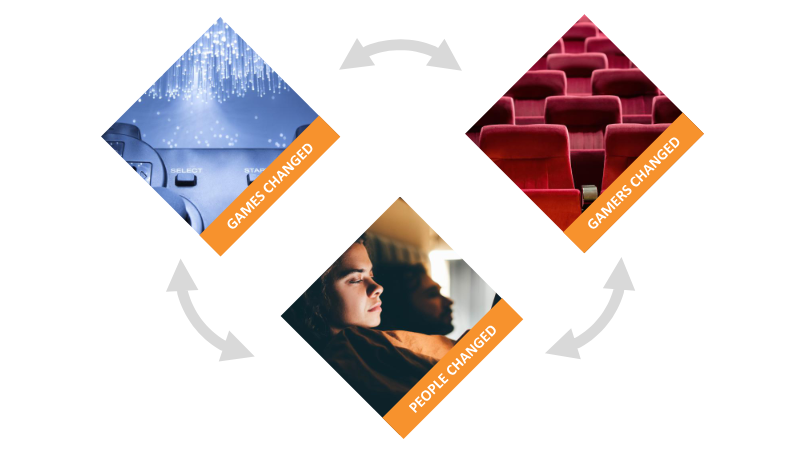
The gaming industry faces a saturated market where success is increasingly dependent on a deep, psychological understanding of the player base rather than reliance on surface-level demographic data. The core thesis posits that studios must move beyond basic metrics—such as age or device ownership—to analyze the emotional DNA, motivations, and lifestyle contexts that drive player behavior. By shifting focus from what players do to why they play, developers can create more resonant, long-term engagement strategies.
Effective player analysis requires a synthesis of psychographics and behavioral data to build evolving, living archetypes. These models incorporate factors such as emotional drivers—including the desire for mastery, social connection, or escapism—and the broader environmental context of the player’s life, such as their professional or social obligations. This approach allows studios to align product development, monetization, and marketing strategies with the specific needs of distinct player segments, thereby reducing the risk of costly missteps.
Furthermore, the analysis emphasizes the necessity of regional sensitivity in a globalized market. Successful titles must account for cultural nuances in narrative, reward structures, and user interface design to ensure global relevance. Because the modern player journey is fragmented across various digital ecosystems and social touchpoints, a holistic view of the player’s life is essential. By embedding these deep insights into every stage of the development pipeline, studios can move beyond securing simple downloads to fostering enduring, meaningful relationships with their global audience.



Bryter · 2026
Bryter · 2026

Bryter · 2026

Bryter · 2026
Bryter · 2026

Bryter · 2025

Bryter · 2025
Bryter · 2024

Bryter · 2024
Bryter · 2023

Bryter · 2023

Bryter · 2023