
The global gaming industry is currently navigating a period of stabilization following a massive 26% growth surge between 2019 and 2021. While the rapid pandemic-era expansion has moderated, the sector reached $106.8 billion in 2023 and is on a trajectory to hit $205.7 billion by 2026. This growth is underpinned by a global player base expanding to 3.79 billion people, with mobile gaming remaining the dominant force, accounting for nearly half of all consumer spending. Despite a downward revision in year-over-year growth forecasts to 0.6%, mobile spending is expected to reach $111.4 billion in 2024, led by strong performance in the United States and Japan.
The industry is undergoing a significant structural transformation driven by technological shifts and regulatory changes. The transition toward digital-only monetization, cloud-based services, and the metaverse—projected to reach $996 billion by 2030—reflects a broader convergence with the entertainment landscape. Furthermore, the implementation of the Digital Markets Act is opening doors for alternative billing systems and direct-to-consumer web stores. These shifts occur alongside a demographic evolution where women now represent nearly 50% of the player base, though they remain underrepresented in executive and professional roles.
Financial dynamics within the sector show a complex landscape of consolidation and rising costs. While AAA development budgets have tripled over the last five years, the investment market has faced volatility, characterized by a cooling M&A environment and significant layoffs. Despite a drop in deal volume, strategic investment value surged by 577% in mid-2023, reaching $7 billion in a single quarter. To counter high user acquisition costs and stricter privacy regulations, developers are increasingly adopting generative AI for efficiency and pivoting toward community-focused organic reach, early access models, and influencer partnerships to ensure long-term sustainability.
GamesBeat · 2026
Xsolla · 2025
Xsolla · 2025
Niko Partners · 2025
Xsolla & Niko Partners · 2025
Xsolla · 2024
Xsolla · 2024
Xsolla · 2024

Xsolla · 2024

Xsolla · 2024
Xsolla · 2024

Xsolla · 2024
AEVI · 2025

Niko Partners · 2026
Anzu · 2026
Newzoo · 2025
Stream Hatchet · 2025
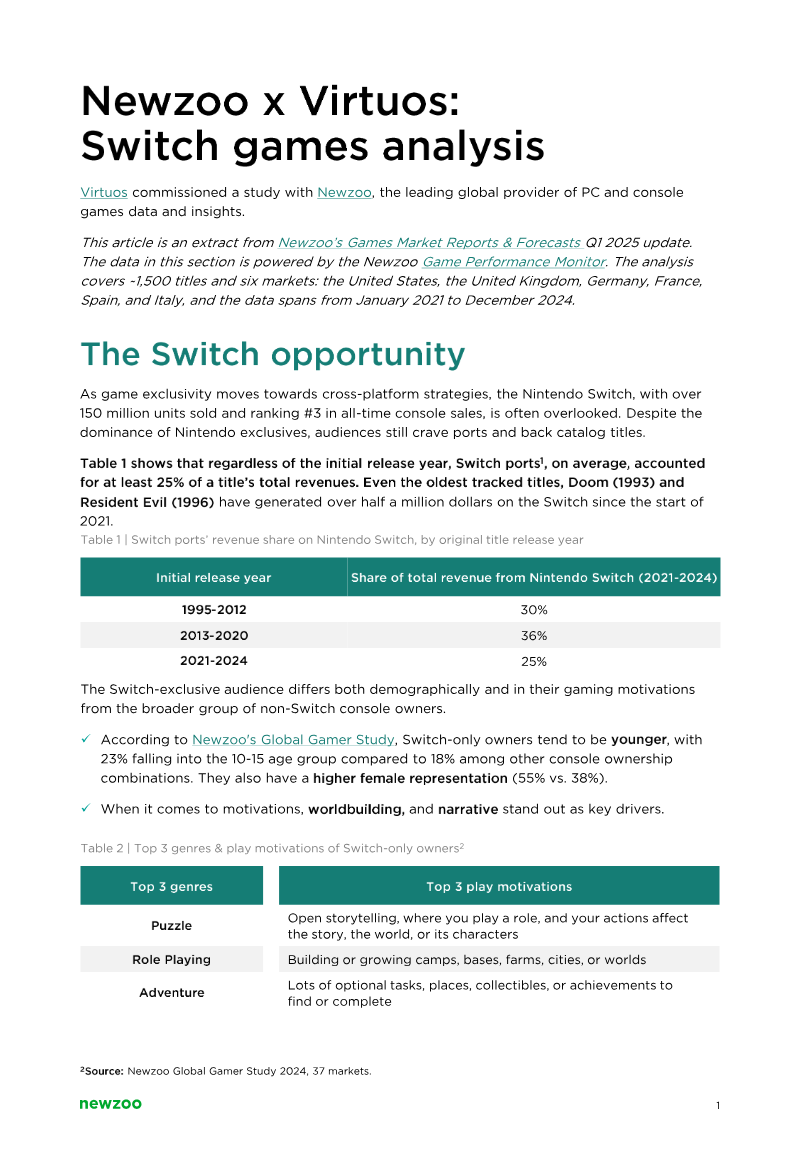
Newzoo · 2025
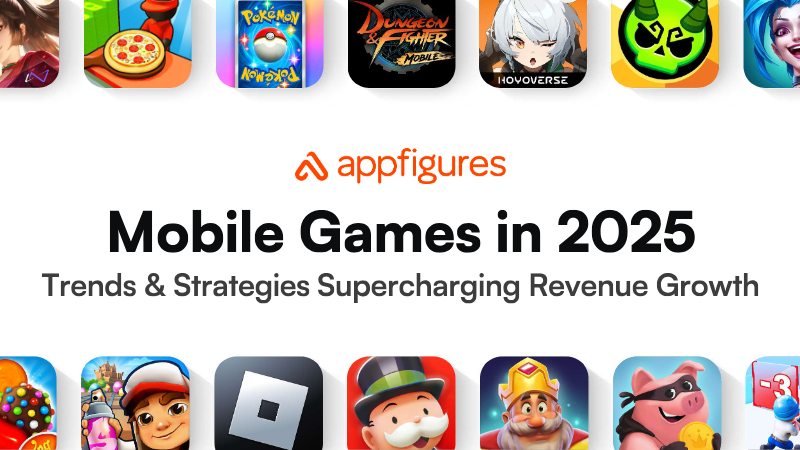
AppFigures · 2025

Duamentes Gaming · 2025

Newzoo · 2025

Sensor Tower · 2025
Newzoo · 2025
Newzoo · 2025