1 free read left. Create a free account for unlimited reading + AI research.
Create free accountArticle Bryter
1 free read left. Create a free account for unlimited reading + AI research.
Create free accountArticleBryter
Upcoming titles like Witchbrook and Outbound are generating significant wishlist numbers. These figures are comparable to traditional blockbuster genres.
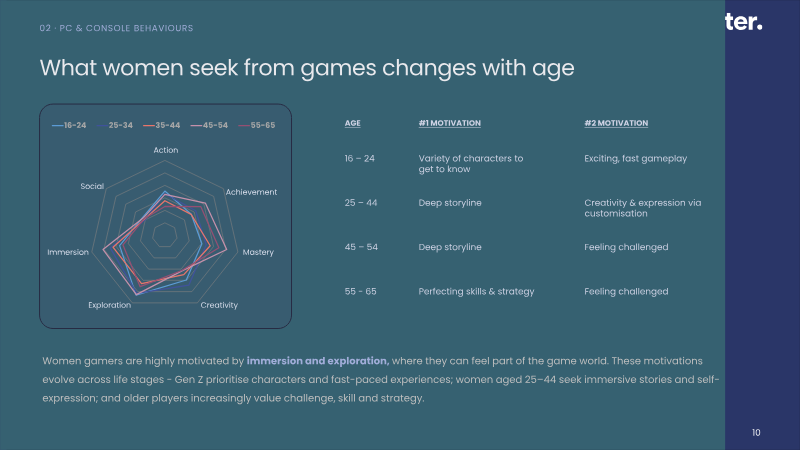
Cozy gaming has transitioned from a niche subculture into a significant mainstream force within the global interactive entertainment industry. The primary thesis is that this shift represents a fundamental change in player needs, moving away from high-intensity, performance-driven experiences toward restorative, low-stakes gameplay. This evolution is driven by a desire for escapism, emotional comfort, and inclusive environments that allow for decompression and self-expression.
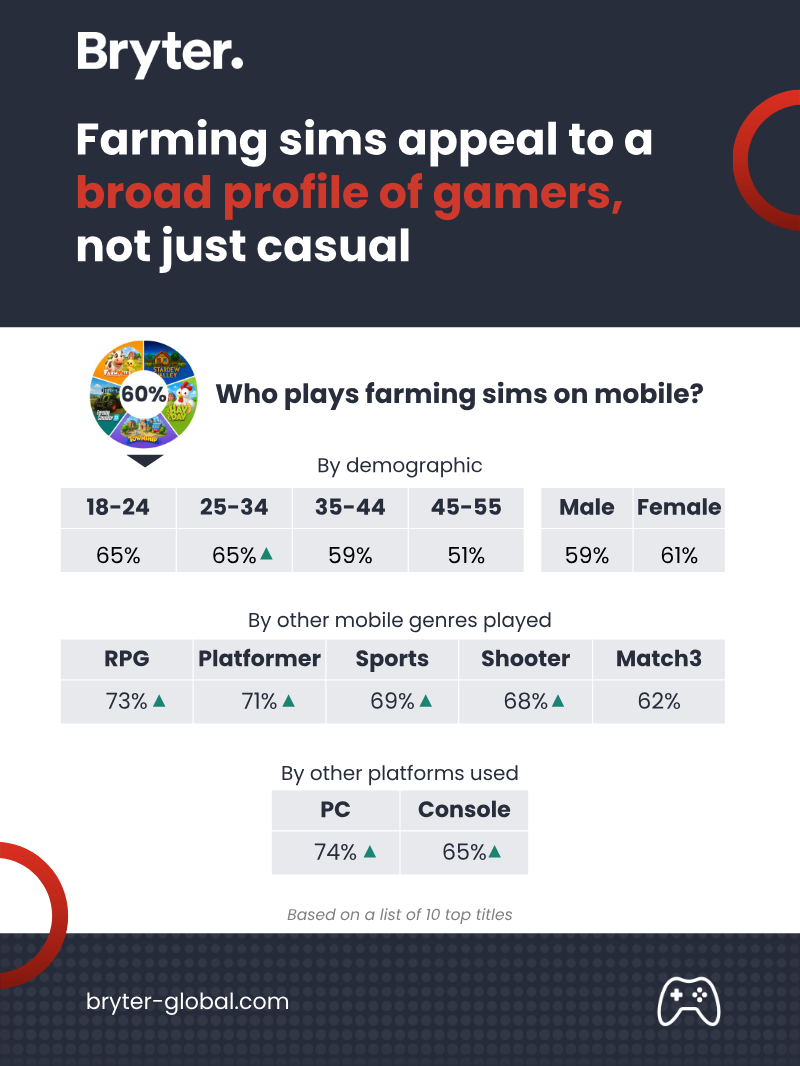
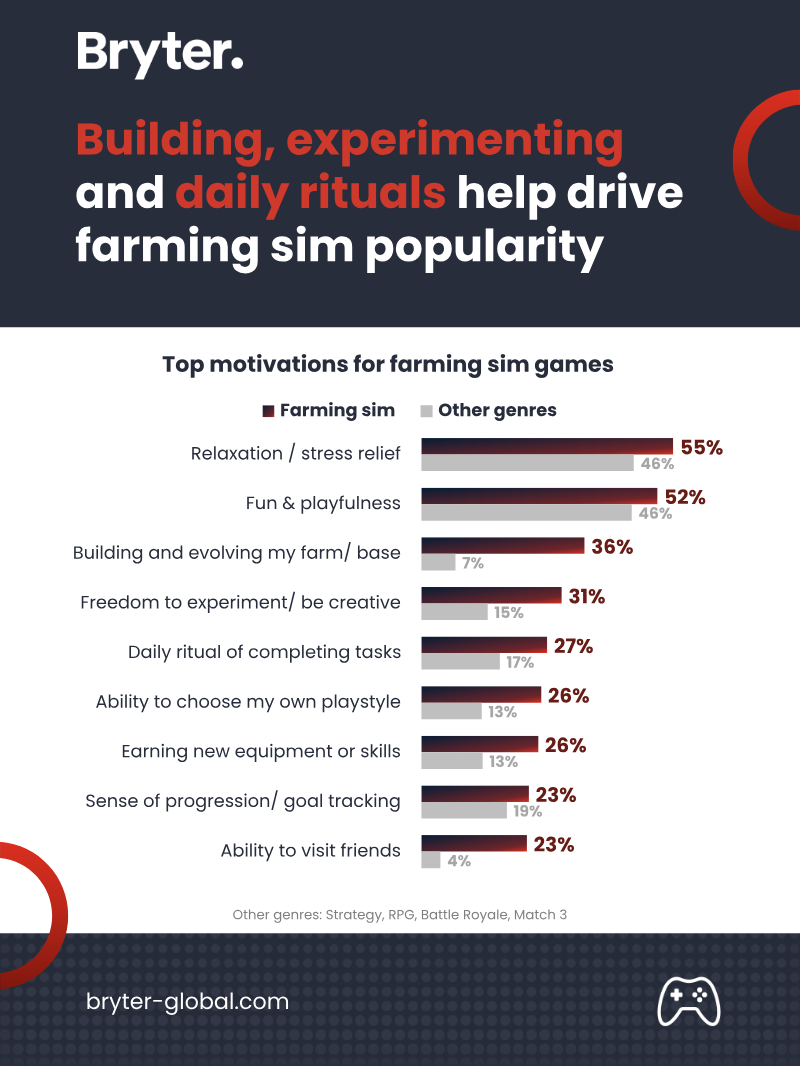
Market data indicates that cozy titles are achieving commercial success comparable to traditional blockbuster genres, with upcoming releases generating substantial wishlist demand. While the genre has a strong foundation among women gamers, it has achieved broad cross-demographic appeal, attracting competitive players who seek a change of pace from high-intensity sessions. This trend is further amplified by a distinct cultural ecosystem—characterized by specific visual aesthetics, music, and social media rituals—that fosters community and belonging.
The rise of this category is closely linked to a broader industry demand for safer, more welcoming spaces, particularly as players seek alternatives to the toxicity sometimes found in mainstream gaming. By prioritizing atmosphere and accessibility over technical performance or competitive pressure, cozy games have carved out a permanent role in the modern gaming lifestyle. Ultimately, the success of these titles demonstrates that emotional relevance is a powerful driver of engagement, signaling that the industry is increasingly defined by experiences that players can inhabit rather than merely consume.

Bryter · 2026
Bryter · 2026
Bryter · 2026
Bryter · 2026

Bryter · 2025

Bryter · 2025
Bryter · 2024
Bryter · 2024

Bryter · 2024
Bryter · 2023

Bryter · 2023

Bryter · 2023