1 free read left. Create a free account for unlimited reading + AI research.
Create free accountArticle Bryter
1 free read left. Create a free account for unlimited reading + AI research.
Create free accountArticleBryter
Effective PC game development requires moving beyond demographic data like age and gender. Psychographic segmentation, based on player motivations, playstyles, and spending habits, is crucial.
Like trying to sell a car based only on a buyer's age, rather than their driving needs or lifestyle.
Effective PC gaming strategy requires moving beyond demographic generalizations to embrace sophisticated audience segmentation. The primary thesis is that developers and publishers gain a significant competitive advantage by grouping players based on psychographics, behavioral logic, and emotional motivations rather than age or gender alone. By identifying distinct cohorts—such as competitive tacticians or narrative-focused explorers—studios can tailor game design, marketing messaging, and live-service operations to meet specific player needs, ultimately driving higher engagement and retention.
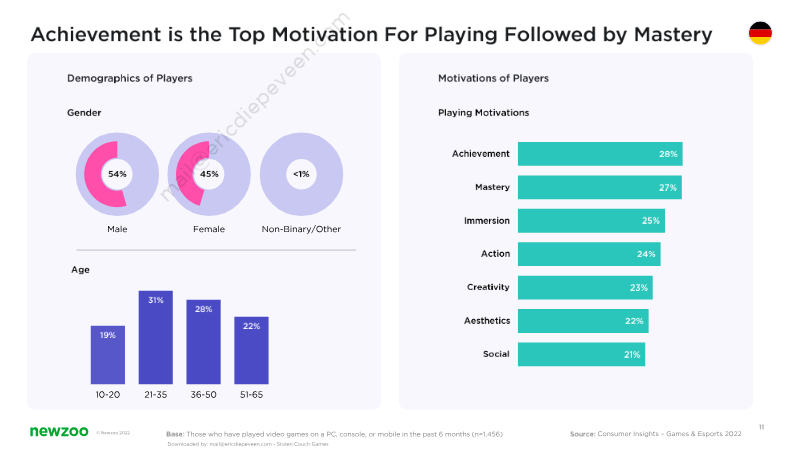
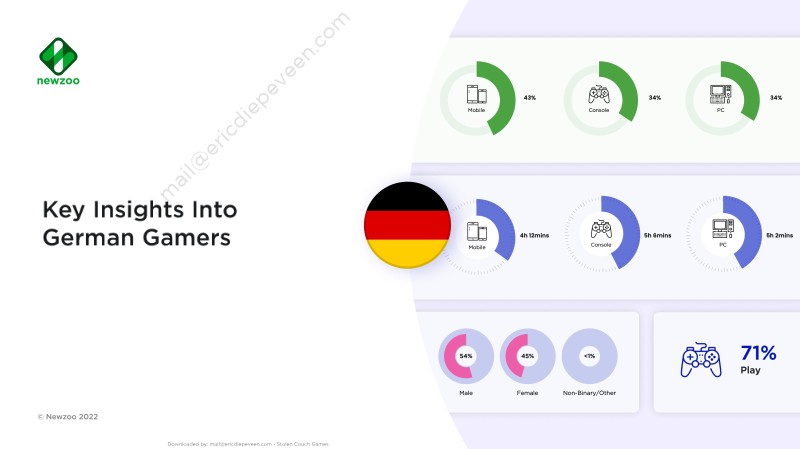
The methodology emphasizes the use of statistically valid models that incorporate playstyle data, spending patterns, and narrative preferences. This approach allows for granular insights, such as identifying why specific segments churn or which features resonate with particular player types. The scope of this analysis is global, acknowledging that regional cultural nuances—such as a preference for simulation in Germany or sandbox games in the UK—are critical factors in successful product positioning and monetization.
Segmentation serves as a living system that informs the entire development lifecycle, from initial concept and feature prioritization to post-launch re-engagement. By tracking how different segments respond to content updates, difficulty spikes, or community dynamics, studios can move away from broad, reactive tactics toward surgical, data-driven interventions. This precision-based approach ensures that marketing efforts reach the right audience with the appropriate tone and that influencer partnerships are aligned with the specific interests of core player groups. Ultimately, the integration of longitudinal tracking and cultural analysis transforms audience understanding into a scalable, repeatable strategy for long-term commercial success in the competitive PC gaming market.



Bryter · 2026
Bryter · 2026
Bryter · 2026

Bryter · 2026
Bryter · 2026

Bryter · 2025

Bryter · 2025
Bryter · 2024

Bryter · 2024
Bryter · 2023

Bryter · 2023

Bryter · 2023
Niko Partners · 2026