VideoExtra Credits
Competitive Gaming and Neurodiversity With The Good Game Project! | Design Club
25 Aug 202690 min video
Transcript
Oh, those are pretty cool glasses. These are specifically designed to annoy Will.
Good time zone, internet. Hello and welcome to Design Club, the only show on the internet where my co-host admits that those glasses are designed to annoy me as we're going live. I am your humble host, Will, joined as always by my pal Jeff, but also by some illustrious guests today. Jeff, say hi to the people and then would you please uh throw to our guests.
Hi to the people. Hello everybody. I am Jeffrey Zack in the studio director of Extra Credits Hill. Here as always with my pal Will, voice of Twitch, our Twitch overlord, and we are joined by two very special guests today. Um, one of whom I've actually known for a while, but we'll get to that part. Um, backgrounds because everybody else is going to be doing them in a second. I've been a video game designer since the late 90s professionally as well as having run one of the first quant video game research studios which will be mildly applicable to our topic at hand.
Um Dr. Michael, why don't you start say hi and then pass to your colleague
who you are what you do.
Yeah, cool. Hey, uh it's really awesome to kind of get a chance to meet some of the extra credits community uh through Twitch like this. It's really exciting for me. Um uh as as uh Jeff said, we've had a really great relationship with Extra Credits for quite a while. So uh I'm I'm Michael Trotter. I'm a researcher uh in uh uh in psychology and I've got a specific focus on uh video games both in terms of health and performance with a focus on on esports. Uh I am currently living and working in southwestern Sweden um at a university called Hamstad. Um but we'll probably get into some of the other stuff more later I guess.
Cool.
Yeah.
Cool. Yeah. Hi everyone. My my name is
Yulan. I'm an assistant professor researcher also with a background in psychology in clinical psychology. That just means I do a lot of research on mental health. Um my original background is in traditional sports. So I'm a clinical sports psychologist done a lot of work uh on mental health in traditional sports but then also started expanding to different performance domains which kind of brought us to esports as well and then I met Michael and other colleagues and had the pleasure to uh collaborate together which then leads us to to this conversation today. So hi everyone.
Excellent. So uh to to oh and I suppose for people who don't know me, hi I'm Will. I talk fast on the internet. I play a lot of video games. Uh and we talk a lot about a lot of things. Uh I will largely be I guess not moderating, but I'll largely be speaking for chat today because uh with four of us there's a lot to talk about and only so much air
time. Um just just so we get a get a sense of who you are as gamers.
Yeah.
Uh Michael Yolan. Um what are your favorite game genres personally?
Because we talk about gaming like ju just just like a sense. Are you are you like big are you big like Tetris people? Are you big on MOBAs? Are you big on like FIFA? Like what what is your jam? Unfortunately, I don't get the game a lot anymore, but I I'd say probably my my first go-to would be the I guess the sandbox games. I think all the GTA games. I played all the titles at least two, three times completely through the Witcher series.
Um
Oh, nice.
Okay.
Yeah.
Yeah. Big open world sandboxy type stuff. Awesome. So,
so you have a looming existential threat on your horizon
with research
GTA research project needs to be done by November. It needs to be done.
Talk about mental health of game developers. That's another
talk about in the future.
Oh, can Yeah. Well, I actually heard a fascinating thing. the US Army, I don't remember if it was either for signups or for re-ups, was as part of the contract giving time off to play GTA when it comes out. That was like a part of the reup or signing bonus. It's it's uh fascinating because the armed forces have long recognized that um for managing stress in combat situations, the two groups of people who uh perform with stress the best are people who work out significant amounts of time and people who play video games. Those are the two groups of people that manage their stress the best. So encouraging gamer culture in the armed forces is actually like super beneficial to them uh in the long run which is there there's your fun fun fact that's related to that. Uh Michael, what about you? Uh
what game game of choice?
Yeah, cool. Uh go jeez, what a pick. Uh so many. Um look, I I'm a I'm a massive RTS nerd for years and years and years. I I grew up on Starcraft Brood War. Great game. uh absolute classic. Uh and I love going back to it occasionally from time to time. Uh I played a lot of uh I played a lot of Halo Combat Evolved when that came out. Uh that was an amazing game. I think still holds really true. Um and uh and I I suppose I don't play so many competitive games these days. I used to play I played really competitive Company of Heroes. I was in the top uh our team was in the top 10 uh for for a long time. So we got pretty good at that. Um, but these days I I'm sink my teeth into things like uh survival games like Frost Punk and
so yeah pretty varied but I love a good story game.
Okay, so
awesome. Awesome. Very very glad to to hear that. All right, so um
J what is
Oh, actually before we get there quick nomclature thing for you two. If you hear us say Brad, Brad is Twitch chat, Janet is YouTube chat, and Rocky is um our VODs also go up to the Nebula streaming service. So Rocky, because there is no chat on Rocky, excuse me, on Nebula is Rocky. And if you've seen the Rocky Horror Picture Show, the Brad, Janet, and Rocky are explanatory. If not, it's a cult classic movie that chat has named themselves specifically for.
Yeah, correct. Uh
cool. Okay.
Speaking of dumb clature things, could could you tell us a little bit about the Good Game Project?
Sure. Yeah. Well, maybe I can I can start with going back a little bit. Like I said, I I I started out doing a lot of research in in traditional sports. Um, and then started looking at these different high performance domains. And one of the things that always interests me is looking at the comparisons between different hyper high performance domains
but also like where do they diverge like what are the unique challenges for every domain and I think a couple of years ago we started realizing there's there's this one performance domain and it is a performance domain that we are forgetting which is esports and we we're coming out of the corona pandemic and there was a lot of attention for esports um media was starting to pick it up but what we didn't know is that how are the players is doing and and um if you look at the research back then it was very very limited. So I think the first the first part of the project was can we find out more about what are some of the the challenges um potentially within esports? How are the players doing? Are they doing well? Are they maybe struggling a bit more than than some of those other domains? Um so that was the the first question I asked when when we started with the project and I'll gladly admit I'm not the biggest esports um connoisseur of our of our group of our consortium. Uh so then I I reached out
to different people. Um so we were lucky to have a couple of different university involved. Um have Mike involved but then we also have a couple of industry partners and we try to make it quite diverse as well. Um so looking at the highest performance level we have G2 for example who are part of the project. Um but we also have more community um esports organizations like Belgian esports um federation, the Icelandic esports association, uh esports united in Sweden. Uh we have Autonomous University of Barcelona from Spain. So we have a quite diverse group that allowed us to to look at what were some of those challenges and then the next step of course um is what what can we do about it.
Okay. Uh and at some point in in in the process of figuring out the figuring out that you wanted to engage with esports in this way wanted to do research
there's actually like an origin story here between extra credits the good game project Mike Jeff if one of you wants
actually it predates the good game project.
Oh
take us back to those houseion days. Um, Mike, do you want to kick it off or shall I?
Yeah. Yeah, I'd be happy to. Um, I uh I my first I first came across Extra Credits actually when I was I just started university and uh I was at an event where I met I met an architecture grad student actually, believe it or not. And they I told them that I was kind of interested in in uh video games and I was I was really curious about um um video games research and they said, "Oh, hey, you've got to check out this amazing channel. It's called Extra Credits." They've they've got some really incredible content. And so I remember looking them up and I think I binged watched over the space of 48 hours like most of the content I could find on the internet. I just I loved it. I loved the way that you guys tell stories and it really resonated with me. So when I got into when I got into a
PhD, it was around the same time that we were established an esports program at uh at the university I was at a QT at the time. uh and uh so we started doing research on uh performance in esports and that was something we were really interested in and uh as we started getting underway with a research project we obviously were confronted with trying to work out how we were going to try to collect some data and uh I think extra credits I think you guys had just released a video on uh some of the challenges that are facing esports uh moving forward in including one really salient point which was raised in that video was we've got these um universities that are developing scholarships for for young people to come to uni to study and to be an esports player for the university in a world where these games are kind of vanishing potentially after only a few years in some case they were vanishing before the student had finished their degree and so there was this question around well you know ethically speaking what do we do about this and I just remember feeling this like oh dude I've really got I've got to get in touch with
these guys cuz uh we're literally doing research so I I sent a message into the void and I honestly I didn't know what to expect. I I didn't think I'd ever hear back from you. And then and then you got in touch and you know, hey, this is great. This is really exciting. We'd love to help. And um the uh when we
By the way, that went into our email. We get a lot of email. The fact that we pulled that one out is nothing short of miraculous because um I can honestly say we get more email than we're capable of processing.
I've seen the contact box. I can vouch that this is true.
It's Yeah.
Yeah. But I think it was Zolair at the time.
Yep.
Found it and passed it along to me and yeah, I was interested and so just bounced the email back and um we had I think a video call and started chatting about some of the research you were doing.
Yeah. Yeah. So at the time we were looking at uh like I said we were looking at these kind of health both from a psychological but also from like a general health perspective. So we were really interested in things like how physically active uh people who were
interested in eports who were playing esports and we wanted to know again not just the the top slither. We didn't want to know just these the absolute the best the best. We wanted to get a really good understanding of the spectrum of esports players. So we were asking we asked about physical activity. We asked about um alcohol and and smoking behavior. We asked about general health and we asked a range of psych psychological stuff as well. And we we were really lucky to get some uh input on things like uh stress coping and self-regulation and and it was really cool. I remember actually when that survey went live, I was sitting at my desk I think as it went live and we were sitting at the um I was looking at the portal where we had the the the survey and every time I clicked refresh it went up by about 200 responses
and I a fun part. Hold on. you're leaving out a fun part which was you guys had the survey and we basically extra credits makes money by having a sponsor on their episodes but every once in a while we don't get one or one falls through at the last minute. So I basically told Mike that we would
basically take his read a read for him on a week where our sponsor had fallen through and push them to the survey. And so you guys went from, as you were saying, a certain number of people to how many did you end up getting as it came in?
Yeah. So we had at the time when that thing went live, I think we had about 300. And this is like 300 responses. And I'm not not talking like completed responses. I'm talking like total responses. So there lots in there that are like one question answered. And in the space of 24 hours, I think we hit like I think it was like 2 and a half thousand or something like that. And that that set us up for I think we published something like three or four papers off that and we've actually got another paper that we're reusing that data for now that we're just about to release. Um it's like we that was huge. It completely changed our career. Um having so much interaction from actually
careers community it really it really totally changed everything. We had responses from something like 65 countries. Um and it it really helped set the stage I think uh in terms of uh health research and esports that kind of helped us to put out a number of studies. Um and in fact some of the studies that we've that we've put out have now been cited I think collectively over a thousand times. Um so it's
congratulations.
Yeah.
I I I think we equally have to thank you guys like and the extra credits community because without that input we just I don't think we would be here. So, it's it's yeah, it's a huge thanks to everybody from from the EC community.
And in the years since, we've done that a couple more times um collaborating to help push out and just send respondents over because
one of the hardest things for some of the data collection is just getting enough respondents in to be statistically significant or not just, you know, a cohort, but the more you get kind of the the better and more robust your data set and also the more
inclusive and representative.
Yeah. And so there's larger numbers of people just make everything better.
Definitely. It's a little bit like a puzzle piece. Like it's like a puzzle, right? The more respondents you get, the more pieces you have to fill it in. And so the more detailed the picture becomes. And so you end up having, you know, when you get when you get enough respondents and I mean particularly the level of data that we got, it was we we got a relatively clear picture of of a cross-sectional view of health across both physical and psychological data. It was it was really great.
Yeah. So
could you could you walk us through a little bit about what that picture looked like and whether that's still how you feel like it looks in the wake of right because one of the interesting things about research is that it uh particularly psychological research or cultural research or sociological research is it captures a snapshot in time and then that research often leads to changes which impact the way that that group of people will feel in the
future. Right? And so there's there's all kinds of confounding variables and changes in sociological and um conditions that would cause that research to change. But what what was the picture that that data showed? Um well probably um the one of the one of the bigger findings that came out of that was is that uh the population that answered the um the email oh sorry the the the survey was that we found that players for example were uh slightly lower on physical activity than we anticipated. Uh and that really spurred to action. So for example, our university that we where we were working at the time, we had an esports program and so our elite team suddenly got extra resources to kind of foster physical activity amongst the players which was really really great. Um we also one of the things that we we discovered as well was that um overall uh levels of self-regulation uh so self-regulated learning is is all about how do we set our own goals? How do we move towards
those goals? Um and it's really predictive of success in life. And one of the things we found in that paper which then spurred on has spurred on several papers since was that generally speaking the levels of self-regulation were relatively low which was really concerning for us. So we've there's been quite a number of papers that have been produced since trying to work out okay well how can we improve that? what can we do in terms of creating models for things like esports coaching? We've just about to release another paper on uh a model for esports coaching for uh teachers and parents who might not be super familiar with esports and not know the intricate details of a game um in order to help them to better support their young people and their players. I think uh it's it's also been great uh to contribute towards what is a growing base of evidence on health and esports and it's definitely contributed in some part I think to the GG project uh being able to be justified um by saying you know we're noticing uh differences in terms of uh stress patterns and um the differences between higher and lower
performing um esports players in terms of what kind of stresses they experience and and that's kind of I suppose in part helped us to justify saying, "Hey, you know, one of the things we know a little bit about now is stress, but we don't really fully understand mental health." Uh, and that's that's where um Yolan's project and as a lead for us has been has been really great.
I don't know if I answered your question.
That was that was very good. Um there there it's like a multilope thing, but um you referenced Yolan's project. Yolan, tell us tell us a little bit about about your project that that Mike just referenced.
Yeah. Um so like I said we we started with trying to get a a better picture following all that that great research that that Mike and colleagues has done have done. Um but we we didn't really know what the mental health status was of of esports players. Um so we want to get a a better picture. So we also did like a big big online survey for you guys helped us to um get a large number
of participants. uh I think we ended up with a,00 um which for mental health research is is is a lot um just to give you an idea some of the other papers that are out there they are a bit more specific for example one game title or or one performance level or one country but they might run somewhere between 80 to a large study would be 300 individuals so so we I think we can honestly say that at the moment we have the biggest most representative sample of of esports players in mental health research. So, um, based on that, we could
Can I I jump in there a second? And I was just looking at some of our stats and you were saying the number of respondents. Part of the trouble is also finding the respondents because I was just looking like our videos promoting the good game project together of um I think have like 30 or 40,000 views of people who actually came and watched either one of the shorts or video actually the the shorts would make it even higher. But so you're at that case
we're probably hitting hundreds of thousands. you know, you have to sort through to find the people who are interested, who would be good respondents for the study. We equivalently broadcasted it out to hundreds of thousands of people to find the thousand plus to come in and do it.
Yeah.
So, it's and that's again like you were saying, part of the trouble is just finding the people.
So, so I just wanted to like the audience watching kind of an idea of how hard that is.
Yeah.
No, it's it's it's very typical. Um I I don't know the latest statistics but in in social science research if you do online surveys you might get a thousand views for maybe one person that goes to the survey and then maybe for every 100 person uh or 100 people that go to the survey you might have one that fully completes it. Um so it's yeah it can get really um you need a lot of numbers to get to a decent sample size. Um, and of course that that has its own drawbacks and and there might be certain biases
that can can um sneak in there, but we try to do our best with with the analysis as well to kind of control for some of those those factors. Um, but just to to give you a general idea of of what was in the survey, I think the the first thing that we want to do is look at prevalence. Um, so we looked at a couple of major mental health outcomes. Um we looked at on the one hand depression, anxiety, on the other hand well-being. Um a lot of times it's not really clear what the distinction is for people. Um so basically the way that we view it is that depression, anxiety, these are your symptoms, the the most common, most prevalent symptoms of mental disorders. Uh but then well-being is is the positive side of mental health. And that just doesn't just mean it's it's the other end of the spectrum. So those people who are not depressed or not anxious, they have high well-being. A lot of times we see that it's actually an independent factor. So you can have decent levels of well-being whilst there
might also be certain symptoms of of depression or anxiety present. So that that's important to know also when we go through some of those those findings. Um so depression, anxiety like I said the two most common mental disorders that we typically see general population. Um but then we added one more which was looking at sleep disturbance which might be very relevant within an esports context. Um looking at the numbers um we have to admit that things looked a little bit bleak. Um unfortunately we need to say that the prevalence of those depressive symptoms anxiety symptoms were quite high. Uh I think if we're talking about depression, we're talking about more or less 45% of participants reported clinically elevated uh symptoms of depression. That's not a clinical diagnosis, but it is telling us that there's something there. Uh and potentially they might be benefited with having some some follow-up, some counseling, potentially some some um
yeah, some further actions. Um for anxiety we're talking about u 34% um low levels of well-being again 37%. Um so these are quite elevated I think if you look at the general population and similarly looking at those depression anxiety numbers we might look at 20%. So tells you something about one and a half to two times as high as as we would expect. And potentially not surprising, um the real um problematic number was the the number of sleep disturbance where we're looking at 70% of individuals reported what we would consider clinically relevant signs or symptoms of of a sleep disturbance. Of course, sleep disturbance is a bit complex. It has to do with mental health. It can be a mental health outcome in itself. It has an influence on mental health, but it also has to do with lifestyle factors. And I think that's where esports uh
comes into play that it that it might have a a harming effect on people's sleep, which then potentially can also influence their mental health. Let's um real quick because I think this is important for people who are maybe not as familiar with research or with tracking different variables. Can we talk a little bit about um correlation versus causation, right? Because this is that is a a question that needs to be addressed in something like this, right? Because while um the data is certainly troubling, right? that that data certainly indicates that something needs to be done at a at a big level to affect a change in those populations. There is a chance that people who are uh uh to to use shorthand depressed with poor sleep gravitate towards esports rather than the notion that esports causes depression and bad sleep. U neither one is necessarily true until you do more research. So can can you talk a little
bit about establishing correlation versus causation for this?
Uh 100%. Uh and I think that's that's a really important point. Um just to be clear like the type of data that we have it's very difficult to have absolute uh certainty about causal relationships. So we're talking about correlations. These are the prevalence numbers. We've done additional analysis where we try to look at different variables as well. Try to relate um it it's in a different type of analysis. It's in a network structure, but we try to see how the different symptoms relate to different esports related challenges and and stressors. And I think probably if if we look at where we came from originally also where the literature was at at the moment implicitly our thinking was more well esports potentially might create some stressors and that might have an impact on mental health. But it's absolutely the case as well that um those individuals who might be already experiencing certain challenges might be
more drawn to esports. And actually again we cannot say anything definitive about causality but those additional analyses seem to show that at least for the total population it might be more the case that it's people who are already struggling finding their way to esports than that it's esports creating the additional stress. That picture might change when you look at the higher performance levels. Then the additional stressors come in and and then we start seeing different kind of relations emerge where it's more some of the stressors seem to be influencing the mental health additionally to what they might already be struggling with. So I think it's it's a crucial um distinction that you highlight there and it's it's it's something that we are trying to figure out as well. We don't have the definitive answer, but it seems a little bit more that that people are drawn to esports who are already struggling than than it is esports creating the the mental health impact. A good example also might be I have a friend who um she
was getting ready to go through a divorce, but one of the symptoms that was she was playing a lot of online MMOs and it wasn't necessarily that the MMOs were causing the divorce. It was that was her kind of escape slrelease valve for dealing with
it can be a coping mechanism. It's it's esports as the coping mechanism there
and and so there's just saying saying that you know there is a lot in this space and correlations can lead to studies to look for causation. Like that's one of the first things you look at is hey these patterns match. But anybody who's ever done some research is always very careful to say it's like, you know, hey, there's a cord to live effect here. Um, not necessarily this causes this, right?
And so
because causation is really hard to prove,
like especially once you get lots of people.
Yeah. Well, and and I guess my my other question is um Mike was talking about the um
resources for esports for changing the way that esports um works, is coached, is approached in light of this research. So um it it seems like there's uh that understanding the root causes of the um worrisome data in that co in right in the study population uh is relevant to how that how those resources are developed and generated and populated and um what they contain, right? because like it it feels to me like there's obviously a difference between um make sure to not stress your athletes out by training them more than x hours a day versus hey so these people came to do this for a reason and you need to understand that as part of creating the training program right and that's I I think just a thing that um it's useful to highlight for our audience uh as well
uh
yeah I think I could probably actually there's something I can probably add to Um when we talking about before about the idea that when you get a certain number of participants in a study, it helps you to get the puzzle pieces to create the picture, right?
The same logic applies when you're talking about research papers. So like, you know, you have to have a certain number of participants to help create enough of a pattern to create the paper. You need enough papers to help to understand and map out what is actually going on because one study in and of itself is never enough to really show anything conclusively. It's it's really the pattern between emerging uh pieces of research that come out that start to give us an idea because as you pointed out there are issues with things like causation and there are issues with you know sampling there, you know, only certain types of people are are likely to potentially answer your surveys and all that kind of stuff, right? And so what we kind of see this at this prevalence level is the prevalence paper
that we've that we've got and we've just talked about is really helpful because it does two things. So one is it lays the groundwork to say hey in this data we see connections that are troubling uh and these need to be investigated more. So we need we need to do more research to start to delve deeper into this to look at okay there are these two variables you mental health playing time emotion regulation that there seems to be connections that are strong enough to warrant further investigation for the from a research perspective and then from like you said from a practitioner's perspective it looks a little bit different in that from a practitioner's perspective we can start to say hey we've not noticed that these things are connected and although We need to do more research. We don't necessarily have to wait until it's conclusively shown in research to start doing something about it.
Yeah. So, so, so an analogy might be, um, hey, that guy's bleeding. We don't
know how he's bleeding, but he's bleeding, so we got to do two things. One, stop the bleeding. And two, how is why why that guy bleeding? Why is that guy bleeding everywhere? Like, both of those are important parts of proceeding. In other words,
y
correct.
Yeah, exactly.
Put it because you can kind of say like, okay, if you see someone who's sustained an injury where they're bleeding, you know that a first aer is required to come and help them to to to get things under control until further help can arrive. And so the the the next question then is to go, okay, well, what do we need to do? What's the next step in this process? And the same thing applies here. So we have probably enough enough information uh to suggest that maybe things like mental health first aid training is probably really helpful for people who are working with esportters. Just having some of those skills is a valuable asset when working in this domain. Uh while while we then work out okay what's the what's the deeper cause
here? Uh and how do we how do we do that? Okay. So, you've got all this data, you've got this you've got this prevalence paper that you've just you've just worked on. Um,
oh, and by the way, it's a big paper. Like, it delves into a lot of different issues. I've I've read through pieces
of it. Um, you guys are going to be doing stuff off this for a while. I can tell.
Uh, and yeah, tell tell us about that stuff that you're going to be doing with the with the paper. What what what's the next step? I guess you got it. It's cool. It it highlights all of these important things that need to be paid attention to and studied. What's the first the first uh move now for you?
Well, I I think there's a couple of different things like one when we don't have to talk about too much, but there's still the research side and and it's a big paper, but it's only it's such a big data set, so we're only still scratching the surface in in what's there. So we're
looking at some some group level differences because we have that sample that that allows us to do that. Um so there's still papers coming out in the in the future as well. Um but I think more relevantly is is okay what are we now going to do about this and and I think we can look at it from what's still to do in the GG project but then also what we're looking at for the future. And actually I I missed the perfect segue from Mike. He he really set me up and I I I dropped the ball. Um but one of the things that we are looking at is is that mental health literacy that first aid for people working in esports with players. Um so we're we're developing or we have developed this this online educational course. It's called the MOO which is a fancy title. It's a massive open online course. Basically has a lot of different educational material for people who are interested in the topic of mental health within esports. And we have different modules but one of the main modules will be looking at like what is actually mental health what does it look like a
little bit the explanation that I gave you like okay you have this well-being component you have these mental disorders like depression anxiety just getting an understanding of these are some of the differences but then it goes further into learning to recognize what are some signs and symptoms from for someone who's not doing well from someone who might be struggling with their mental health might look at how those symptoms differ for for example a depression uh compared to insomnia or a sleeping dist sleep disturbance. Um the aim not is not to make them psychologists or to make them responsible for counseling or anything of that but the aim is to let them one realize mental health is important. It can be a challenge within esports to learn how to recognize certain signs and then most importantly know how to start a conversation with a player about that. uh when you are concerned with about someone's mental health like how do you start that conversation that can be really tricky that can be really scary to to have something to to say about
that. So we try to give them some some guidance some tips like this is how you start a conversation this is how you express your concern. This is how you maybe guide them towards the help that they would need in that circumstance. These are the places where you can find help and and um we even try to make it as international as possible. So we we link to a place where they have different helplines and different resources for basically all the countries in the world. Um just so that that people wherever they are they they might find benefit in in in those things. Um so that that's one part of it. Uh another module that you will find on there on that online platform is is around sleep. What what is sleep? What are some sleep disturbances? Why is it a challenge in esports? what are some of the basic tips that that you can uh work on to improve your sleep. We might have a module on on emotion regulation. Uh which we also see that that sometimes that can be an issue. Think about tilts like what what are emotions? How do you start regulating those? Um so that's
that's part of it. But we also have modules for coaches and modules for parents. for example, for parents, like even explaining what is esports and maybe it's it's not always a bad thing that your kid likes video games and how do you have a conversation with your kid about that and how do you um allow them to play in a responsible manner, but at the same time make sure that they're not locked up in their basement for 20 hours a day just playing video games and you have no idea what's going on. So having sort of that that balanced parental perspective as well. Um those resources will all be online. Um,
I was just about to ask that is when um cuz I' I've I've gotten a look sne I've gotten a sneak peek at the page before it goes up.
Do you know when you guys um roughly like is that a couple weeks, a couple months? Um
no, definitely not not months. I I would need to check with our our colleagues.
I don't need a firm date. I'm just kind of giving our audience a rough
weeks weeks at most. Um and and I I
think maybe we we might have a sort of a soft launch and and let some people experiment it but but in the next coming week there will be a big launch and our partners will advertise it. Um so if you follow us, if you follow our partners, you should see that passing by. Um also important to mention this is all free. Uh this this it's not behind the payw wall. We we do want people to find use in in this. Um this is also supported by the European Commission. So, uh, it's also important for them that it's that it's all free. This is this is to be of benefit hopefully to people. Um, this is not not a a business model or anything.
And for anybody watching this later, since these VODs live for a while once we get a link from them, we'll post it in the description down below here. And so, if you're interested, free links to resources. Click that or come back in a couple weeks.
Check down here if you haven't found them already and we'll be pointing at it. I I'm I'm I agree with Grass 100%. Free free access to resources, especially mental health resources online is uh very good to hear,
especially coming from, you know, the other side of the pond where we have
maybe less of that here in the States for, I don't know, reasons. Who could say, profit motives and psychological treatment or whatever, you know, just stuff and things. Um I did have a follow-up question. Oh yes. So one of the the the the video's title and one of the things that we were talking about specifically in that and in the in the resources and in the research was neurodeiverse individuals specifically. Can we drill down a little bit into into that topic? How that um how that specific grouping came up as an object of interest? how that cohort might differ from the rest of the general population. Um that sort of thing.
And actually before that I'm again going to jump in and say and this is another one where size quantity of respondents
allows for segmentation where if this had been 100 people that might not have been enough to have the quantity in there for ner diversity.
Whereas it expands out you can actually start doing segmentation within your research. be like, "Oh, let's look at how this group or this group or these groups or even comparing groups against each other,
right? Because you still you still have to have enough in each segment for that segment to be statistically significant.
Otherwise, you can't do it, right? You can have an interesting you can have a couple interesting data points that are outside the range of the normal data. But the best you can get out of that without statistical significance is maybe we might want to do a study on this if we get more money eventually." And that's not terribly helpful. I mean it can be but it's not as helpful as oh this data has this statistically significant cohort already inside of it to the analysis machine away. Yeah, definitely. And by having so many
of uh of of so many respondents has really allowed us to be able to uh place more of those puzzle pieces down, you know, like and if if if we didn't have that, we we uh like you said, we would have had to um uh we would have had to do we would have had to do more studies, look for more funding, all that kind of stuff. I um it is in Sweden. The the sun is setting here. So, I might just really briefly turn off my camera and walk inside so you can actually see me so I'm not talking from the dark. I know that Sweden is known as a fairly dark place, but uh
we we will cover for you while you relocate to a brighter location.
Yeah.
Excellent. And now I just have to work out how to
I I can jump in to tell a little bit more about the findings that we had because it's exactly as you said like we had this big data set so will allowed us to to look at a bit more granularly like what are some of the the group differences um and and I I think the idea is like we definitely need to look at at neurody divergence and and that
relationship with mental health came from discussions that we had within our own team and some of our colleagues that raised the the um the fact that we think we expect more neurode divergent individuals within esports. Um so that was the first thing that we looked at. Fortunately, we we asked them uh in the survey whether they identified as neurode divergent. Um and I think we had about 37% of participants that said yes. So they identified as neurody divergent. Once again very difficult to make direct comparisons but that's a lot. I think in general population you would not find more than 20% uh or 15% indicating the same. So we have a a very high proportion of neurody divergent indu ind individuals within our sample probably not surprising. I think that's quite representative for the esports population or the esports community as a whole. Um if we then look at the relationship with mental health and we
just take the big group um we clearly see that those neurode divergent players they were struggling more reported more depressive symptoms more anxiety symptoms more sleep disturbance lower well-being. However, we actually looked at it further and we split it up in performance levels as well cuz we had five different performance levels but basically they split into two group. you had the the highest level performing athletes. Those were like the real professionals or or almost there almost at the highest level and then you had um lower levels non-professionally all the way to recreational gamers. Um so we split up in into two groups and there we saw an interesting finding that actually those those results crossed over. If you looked at the group who was doing the worst, those were the neurodeivergent individuals within the low performance group for some reason. And we're still not quite figured out why that is. And again, the problems correlation is not
causation. But the neurode divergent players at the highest level, they were not only doing better than the neurode divergent individuals at the lower levels, but they were actually doing better than the highle players neurotypical. Um, so again, we don't know really know yet why that is. I think we want to dig into that deeper uh a bit deeper and and that's where it comes to well we need future research and maybe give us more money and then then we can figure it out but um it is it is it is very noticeable that that this crossover effect was there.
Okay. Um a couple of very interesting questions. Um just sort of a tactical one from chat was um what what would be like the floor for a number of individuals before you could for you to say that you had a statistically significant cohort to do data with like if you know obviously a thousand people
given the numbers that you've talked about would have been great
80 200 like what what just like a rough ballpark. Yeah, we we try to we try to um with the sample that we have not go below 80. Um you might find some indications that say like 50 is fine. At the absolute lowest level, there's like one number that floats around which is 30. Like you need to have 30 in a group or otherwise um you're not going to find an effect. But it also depends on on what you're looking at. Like some effects are quite small. They're important. They're significant. you you might not see a big gap. So the smaller that the effect is in reality, the bigger the sample you need for that to kind of come out of your data. If there's like this massive difference, then then you don't need as many people. But so in in in rough estimates, I I think our smallest groups were like 50 to 80. Um
uh and then uh Chad Chad has some really
great ones. Um, is this uh analogous or um contrary to behaviors of neurodeiverse individuals in traditional sports? Uh, is it like does do we see the same patterns in low performing neurodiverse individuals having worse mental health outcomes and high performing neurodiverse individuals having extremely good mental uh or much better mental health uh outcomes? or is this uh is it different I guess for for traditional sports?
Short question, we don't know. This kind of research has not been done in traditional sports. We know that um to a certain extent um certain neurode divergent profiles might have a competitive advantage within traditional sports like ADHD might be good. Like it's the typical cliche of of people with ADHD needing to get rid of some
energy. So the parents they put them into sports and they have a lot of energy. So they practice a lot and and turns out they're actually quite good. Same someone with autism might be very focused on on practicing small details that then give them a competitive edge. Like if if they practice a long time on that single detail then it might help them perform better. So there's this expectation that yes, it can be a competitive advantage in terms of mental health. It's simply not been done before.
I realized I have done a jargon. I realize we have all done a jargon and uh we should probably unpack that real quick. Could one of you please give me a definition of neurode divergence cuz we use that terminology quite frequently here. We have a lot of neurodiverse individuals in the in the online streaming community. But I realize that we need to unpack that ever so slightly when we're talking about outcomes. And you mentioned two of them, ADHD and autism. Could you could you unpack the rest of that?
Yeah. Well, it is it is um a tricky point to get like one definitive
definition that works for everyone that everyone agrees with. We had it when we were publishing this data. We kind of went back and forth like what's what's a a final definition. So I can't say like this is the definitive uh definition but basically it refers to um diversity in neurological development in neurological functioning and there might be so it's it's a bit of an umbrella term in that sense and there might be different um conditions that people relate to that might fall within that neurodiversity umbrella. So that might relate to ADHD, autism, uh a lot of times um like the the ADHD inattentive type or the ADD as it used to be uh called before. Um it might also have some coorbidity. There's a lot of coorbidity between ADHD and autism especially also within esports. But it might also relate to conditions such as dyslexia which would could also
be um for some interpreted as a form of of neurodiversity. So there's not a single single clear or one definitive definition, but that's typically how it's referred to within research and also how we refer to it in in our papers.
Okay, cool. And then
I think this is um
oh I was going to say I think this is something that's really interesting about kind of when you start to get to this kind of this edge of of um kind of knowledge you you end up in this situation where you a lot of responses to a lot of questions are uh we don't know we need more research and I I that can be incredibly kind of frustrating I think to listen and hear because it's a sense of like well come on what's the answer and I think that also applies equally to things like our definitions of things uh and working out well how exactly do we do we define uh do we define things and um for a long time I think neurode divergence has been viewed through a kind of a very medical lens which is a very deficits approach
to human functioning and that's probably one of the really big big shifts that we've seen in in kind of recent years is that we're really just at the very very beginning of uh we're at the very beginning of of reframing how we talk about neurode divergence to be this kind of naturally occurring variation in how people are um and and I think the big thing really moving forward is that we it's not just that we are lacking research but we really want to know more about this and we really want to kind of better understand and I think that's a big part of that is because I think many of us um I mean many of us have have struggled with some of these topics ourselves growing up and and it's also a bit of a chance for us to get a bit of an understanding of well, how do these things function so that we can kind of start to to change our environments for the for the next generation of people that are coming through?
Yeah. And and
how do we make it better for everyone who's going to follow us?
Yeah. Right. How how do we plant trees
whose shade we will never sit in? Um the
Yeah, exactly. And I think it's also important to note that uh both here on Design Club and on Twitch in general, um I neglected to mention my background. Uh I'm a philosopher by trade. I have a like a a pretty comprehensive background in philosophy. So I don't know. Let's have a conversation about it is aces for me. that like and like understanding that our definitions may be different and that we don't have an exact definition and that we're working with something that feels correct or that is as close as we can get to something that we can all agree on is perfectly reasonable and I I think um everyone here is we would much rather have we don't know this is what we do know this is what we would like to know based on what we do know and here are the things that we don't know right and obviously the the truly exciting part about this is um the unknown unknowns, right? The things that as of this moment we do not know that we do not know
uh and those emerging uh trends um or emerging data points or emerging facts about something that is as complicated as esports, right? Because for example, you all are treating esports as a whole. Um did does your data break down into different game types? Right? something that is um for instance solo I'm thinking fighting games right if someone is a Tekken champion right versus someone who is in a team environment like a League of Legends right those have very different dynamics one is a very solo um experience where you might train with a coach or with a small cohort of players but ultimately you stand alone versus these five people need to think the same thoughts at the same time for, you know, 30 minutes at a time, like they need to be in sync. And so, how does how does that break down for your for your data, for your research?
Can I do you mind if I say that when you're
No, go ahead.
I I think this is a I really love this topic of conversation. This is I think this is about 90% of my existence uh talking to people about esports research is is in and around starting off with the the definition of what is what is esports, right? And um it's really interesting because we refer to esports often when we look at these studies as being this kind of homogeneous group. They're all exactly the same. But it's it's absolutely not not the case. Um you know it's like you said there are single player games. I mean there are single player esports. I mean Halo speed running Halo C speedrunning I think is really really fun to watch and I would definitely class that for example as an esport because your speed on the game is being compared against another player.
Right. And so in that sense, it's it's a completely different form of esports than something like League of Legends, which is a two teams that are actively competing against each other in something like an invasion game. And so you're right in saying that one of the real challenges of of the research
that's being done at the moment is classing all of these groups of people together as though uh as as though they were one group. And so, uh, I I hate that I'm about to say this again, but it it really opens the door to say, hey, we see these patterns, but it's also something that we probably want to look at down range in the future to say, well, eventually we're going to start splitting things up and we're going to look at differences between different genres or specific games. I think one of the biggest challenges is that the what is popular in esports moves so quickly that um you know if we were doing um doing a study on uh on something like uh I couldn't even come up with a good a good example but a game that was popular uh 5 years ago that is just completely dead now then those results potentially might be less interesting to people whereas if we keep everything grouped as a as a collective esport um it kind of helps us to work work out
these larger patterns before we start to drill down.
Yeah, for sure. And and and I think the fluidity of the environment is something that I think a lot of people maybe take for granted, right? But it's very difficult to do a study when it takes as long as it takes to properly set up a good a good study and then you have uh you know oh well we included the Overwatch League in this study and that oh that doesn't exist anymore poop right or or you know there there are other my my personal favorite uh esport to watch when I get the rare chance to watch it um is Deadlock which is all communitybased pub like custom matches. There's a group called Deadlock Night Shift that does like the closest thing to esports um for that. And so like that might never get released. Chad Valve might can deadlock before it ever gets
released, which would be sad. I don't think they're going to, but they could. Anyway, um
yeah, I think that's a really interesting point actually. And but now I now I've had two things to think about. I can think of a really good example. We collected some data a number of years ago on uh uh on esports coaches like we we tried to find the most elite level esports coaches we could in Australia at the time that was the oceanic challenger the oceanic professional leagues the OPPL uh and we collected this data we we ran these interviews and we're we're currently preparing that uh that manuscript for publication that's uh that that scene is gone the OPPL they dissolved the OPPL shortly after we finished collecting the data.
Yep. So, it's it's a really it's a perfect example of of um how quickly things can change.
And I think one of the the big problems is of course that um there's a corporate interest in mind in a much more granular sense, right? If if um uh if FIFA went away tomorrow,
people would still play football. Yes. I'm talking to two Europeans. So, I called the thing with the ball on the ground football, not Hand Egg. Okay, great. Excellent. We're all on the same page. Um, football would still exist, right? It would just be played differently by different groups of people in different places. But if Blizzard goes out of business tomorrow, Overwatch is gone. It just poofs. Right.
Decides Overwatch 3's time has come. Overwatch one and two.
Don't speak that into existence. The Overwatch community has been through enough. We we we a mode of silence for the the stress levels of the Overwatch community. As Jeff said, Overwatch three, stop it.
And part of that, too, is like you were just talking about, you know, live sports. Soccer football, depending upon where you are, isn't going to have its rules changed this year or next year. Like there may be, hey, for the World Cup, we now have a timeout for a sponsorship break, but like the base
game isn't going to change. If you're playing League of Legends, part of one of the stress factors and things for engagement is that they will to keep the community interested patch every couple of weeks. And like they only run it off of they run, I believe, one patch lagging for all tournaments. So that might mean that for playing in your practice, you're actually playing a slightly different version of the game than will be when you go to a tournament. And like they actually just put up League Classic right now. Similar very well similar to the league that launched 10 years ago. So there might also be different variants of the game with 10 years of evolution. Like there's a lot going on just keeping up. Not even the playing part, but the mental part of the sport, the thing that makes me money or I am good at that is giving me the scholarship or that my team is doing is constantly in a state of flux. Your champion pool may have to expand or get nerfed. Like there's a lot going on on a
per esport basis that um just can have a lot of mental load. I'm using League because I play a lot of League personally, but um and that's true of almost all esports. They are living breathing things.
Yeah. I think it relates to to one of the things that that Mike said earlier that that self-regulation is super important in in esports. Whilst at the same time we see that that they're often not that good at it. But you need to be able to kind of self-regulate yourself like set your goals see okay what has evolved reflect on that. What do I need to change in order to fit the new meta? And so I I think you're definitely hitting the nail on the head that it's it's it's it's that self-regulation part that that's so crucial in esports.
Yeah. And it's quite interesting actually because there there are two really key components that as well in that self-regulation is not something that's not you don't develop self-regulation alone. Self-regulation is developed in social contexts, right? So, you need to have someone you can
emulate and you need to have someone then guide you through to be able to um recreate those behaviors that you're trying to learn in a structured environment before you can then go on to be able to use those new uh those new behaviors in an unstructured environment where you know things can get thrown at you, changes and all that kind of stuff. And I actually think, and this is something we might talk about in a little bit, but this is why um physical gaming clubs and esports clubs are so unbelievably critical because it gives us these environments where people can learn from one another. And yet, like you were saying with the changes to even things like League of Legends where the where the meta can change literally overnight, um the the teachers or parents that might be potentially supporting young people to coach or lead these kind of clubs or are really up against it, um because they don't necessarily have the understanding of a game which is constantly changing. Um I I I have a I'd like I have a thought I'd
love to pin um because I'd love to one day maybe come back and talk to you guys about this in a completely separate forum. But we are actually working at the moment on developing a a model for um teachers and parents and coaches that they can use to understand how to deconstruct performance. everything from how you click your buttons all the way up to high level strategy um that is specifically designed so that parents or people who don't understand the mechanics of the game can still talk and work with young people who are experts in their game irrespective of the patch irrespective of the game. Um and it's it's these kind of resources that we're super excited about being able to to deliver to the community. Right. Actually one of the things for that is even naming giving things names um so that parents understand it's a thing or not even just parents people outside like for example a lot of people don't know every professional team now for League of
Legends has an analyst staff has at least one sometimes multiple people whose entire job is to keep up with the meta do all of the number crunching and then come in and talk to the players hey because of the way things changed this is now stronger than And it used to be, you know, gears toward this, you know, start using these. Watch out for this. Hey, when this character hits level 13 and gets this, you're going to see this massive power spike. Like stuff that one person probably couldn't know or even a team. It takes like there are now positions for analysts, there's positions for coaches, there's positions for players. like that there are different things that your young your child or other person might be interested in that are actually valuable to the team even if they don't necessarily click the fastest.
Yeah. So
yeah, definitely
identifying that can help people also understand how they can be involved around it participate or have somebody who's interested
u yeah definitely and and I actually this one of the suspicions that we have as well is that the nature of the kind of things that are helpful to learn change dramatically as well. So like those really intricate changes and the relationship between the uh between avatars or units and and the map or the construction of the game mechanics um is is something we think might be really really important at a really high level. But then as you start to come down more towards the grassroots where the majority of players are at the kind of entry level of games, there are actually a whole range of different um skills and and knowledge that we think can be taken up that is kind of game agnostic so that it's not actually specific to the game that can help players to kind of more quickly pick up a game and run with it when you start to see some of these really basic behavioral patterns. Um, but again, I think this is probably a I probably this is probably hopefully a teaser for maybe a future a future time
where we could talk about this in depth.
Yeah, I'm I'm I
answer the chat real quick. Um, some coaches do analysis, but there are plenty of coaches whose job it is is or for big teams to make the team work together and call strategy or to be basically the person helping run the team because professional sports teams, non- esports, also have analysts and other things that will come in and provide input that the coach and the players then use. the Yeah, there there there are a bunch of different ways and they're all esport dependent or they're all game dependent that groups of people work together to supplement, right? Cuz in and it's rules dependent because in some games the coach is allowed to be on comms with the players and in some games they're not and in some games they're only allowed in the drafting phase and I think flee and Dota differ there because drafting's different in the two games and like there's a bunch of there's a bunch a coach and an analyst. Actually, at this point, I believe they allow two
people to be chatting with their players. They're actually on camera now, not even just on comms. They'll come out with them um and be talking about it.
And of course, I'm I'm thinking of World First Racing and MMOs and how important the shot caller and the what we in Final Fantasy 14 call the ninth man is. Our raids are eightperson raids. There is often a person whose job it is to simply watch the other eight people raid because part of the challenge is figuring out what the mechanics are. And that person is unencumbered by needing to press buttons and those people are so important, chat. So incredibly important. Um
yeah.
Um
and so Michael, yes, we'd be we'd love to talk about that. trying very hard not not to divert into that. So um okay so we've got this we've got a big data set we've got a lot of things that we've drawn out of it. One of them is this interesting data point about neurodiversity in um in esports
and is that so uh when you talk about resources that you're developing are are you developing a far far be it to say one sizefits-all but are you developing resources specifically with neurodiverse individuals in mind? Is that a is that a specific carve out in in the resources that you're developing? Um is that object uh is that you know something that needs more specific study? Is that like a something that you're teeing up for the next uh study is hey we want to just do neurodiverse individuals in like 40 different games or whatever. Um can you say more about that?
Yeah, it's a good question. Um if you look at the resources probably we haven't been taken into account enough. Um, and it's actually one of the things that we've been thinking about as well in the past couple of months and and actually I've I've um been in contact with with some people who do identify as neurody divergent who are also in in the
research field and also knowledgeable about esports um to kind of see whether we need to tweak certain things, whether we might even if it's just the formatting, the way that it's presented as well as the content like can we make it Um definitely neuroinclusive as well there. Um so this is this is one of the things that that we want to do more of in in the future. Uh probably with with the material that people will find at launch not as much but just in general I think it's also important to say that all the materials that people will find those are still subject to improvements refinements. I think what we can guarantee is that they're scientifically sound. They're strong. Um, but probably in in the presentation we can still improve things. Um, maybe sometimes make it more explicit uh related to certain esports or certain titles or certain games. So, we're also looking for people that can help us with that um in that
sense. So, yeah, we're we're always looking to improve and and that includes um focusing more on neurody divergence as well. I feel like that is definitely one of the big advantages of having a digital online course as opposed to committing a textbook because you can make all the the granular changes in textbooks. I'm just remember I'm remembering all of mine and shiver.
Yeah, definitely. And I think one of the cool things about the MOO as well is that we can kind of we've tried to design it as much as possible so that like each piece of information is in a nice little like bite-sized chunk so that it's not like just a really long- winded academic explanation of things. We've done a we've really tried to make it as as um delectable as possible um because we recognize that like I mean even as academics I can tell you that reading a textbook is not exactly a heap of fun. Uh not all the time anyway. Uh so so we've really we've really tried to
create a a a tool that is really pal palatable, right? Something that can um that that can be used and and digested an easy way and you can kind of skip between the different chapters. And so like I don't know, maybe you've got a parent who who you're struggling to kind of see eye to eye with about your video gaming and you kind of want to help them to get a better understanding of what you're doing. you know, maybe give them the the chapter, not the chapter, God, the uh the the section of the MOO that is related to um uh the parental information to help them kind of see eye to eye and um join you where you're at. Yeah, because I think that that um it sounds like your ultimate goal with um with the online course and with everything that you're doing is um very grounded in efficacy and creating real ground level change in esports, right? You talked earlier about changes that were made in the professional program at your at the university that you're working at, right? like that those are
real meaningful changes because um and you addressed this earlier. They're they're sort of the yes we definitely need to understand more things but also and very importantly we need to begin making changes right now like yesterday like we need to make some of these changes like three weeks ago like right now out of time. Um,
yeah, definitely. And actually, I think that kind of leans into one really unique thing about esports is I mean, despite the fact that esports has been around for a little while now, like we've been I've been working in esports for nearly 10 years, which is a little bit scary, but um the the reality is that esports is still kind of finding its feet and a lot of these grassroots clubs are still uh are still forming, right? And so we actually have this really unique opportunity I think with some of these clubs to start to embed some of these ideas really early before the cultures get really set. And so things like um you know how do we work to create environments that are more
neurodeiverse friendly to enable people to feel more comfortable from a from a larger variety of backgrounds is I think super important. And uh and this kind of work I think allows us and these kind of tools really allow us to help educate the people who are uh conducting this really important work of establishing clubs and programs that kind of meet this desire of these young people um to do so in such a way that is going to lead to what we hope is going to be some really good outcomes for those people from the absolute beginning.
Yeah,
I'm very excited about all of this.
Yeah. Look, I I I I hope the the the I am trying very hard to not just squee um because I'm very excited about this. I think this is like a huge um this is a huge thing uh for a lot of people especially because
mental health in competitive gaming in general and and we can talk a little bit maybe about the boundary between like ranked ladder grinding versus like more organized esports and what the difference is cuz like solo Q is hell, right? like that is a whole thing. Um uh the problems of mental pit mental health pitfalls in those spaces are so very real and something that I see and interact with all the time as someone who is professionally terminally online. Um right that is that is a thing that I see in in a lot of the games that we we look at we study. We did a whole video on breaking down mechanics of MOBAs. Um, and I spent too many hours in different MOBAs capturing footage and like seeing how those communities interacted and everything else. So, I think this is uh incredibly important work, not even in like a
theoretical like yes, everyone needs better mental health, but as someone who's in those spaces who can point at examples of please go to therapy. Please, please, please go to therapy. just touch grass and therapy both please. Um it's it's very real. Um actually there's something interesting about that actually. I could probably um mention I think maybe even Yolan will probably be able to flesh this out better than what I can but one of the findings we've got a study that is currently under review or it's just been accepted Yolan on we've done this network analysis looking at
Yeah, it's still under review.
Under review. Cool. So, um, where it's looking at the relationship between these various different factors and you talk about solo Q hell. Um, I think one of the really interesting things in solo queue is is emotion regulation, right? And it's not just your own motion regulation, it's also the emotion regulation of uh, teammates and um, and
opponents. So one of the things we know about especially at the esports level that is under you know the top 10%. One of the biggest stresses is is uh teammates and other players and I think a big part of that is is you know people getting tilted and not knowing how to regulate their emotions.
Yeah. Totally right. And um what we've seen in that in that network analysis and I might hand it over to Yolan here in a second, but motion regulation plays a really critical role uh in that kind of network.
Yeah. Well, it it's of course a bit tricky to kind of illustrate what is in essence a visual model, but basically it looks at those different symptoms and then different outcomes, esports related challenges. I think we looked at at um aspects such as game obsession, esports related stress, but also um feeling lack of competence, like not feeling good enough in your game. And and we see that there's this we call it like a a
bottleneck role that emotion regulation connects a lot of those different esports related stressors and mental health outcomes. Once again being cautious as a researcher but what it tells us is that within that framework emotion regulation seems to play a quite central role. So it's definitely one of those things that we do look at and it is also part of of the moo to have that basic information about how you regulate some emotions. what are very basic strategies that people might consider start using um or or even sometimes having a better understanding about what is even emotion where does it come from like how is it evolutionary evolved to kind of understand like sometimes it's it's normal if we are in a high stress environment where we don't know what the results is going to be yeah you're going to feel a bit more anxious or frustrated when things are not going your way but it doesn't need to mean that you act on that and and that maybe that shift towards getting really tilted can can be
intervened on.
And and I I do want to say that I think that one of the really important things that it's worth focusing on here is because there is this um symbiotic uh correlative nature between these two things, right? Um, aka uh it is true that people who are uh worse at mental uh at emotional regulation may be poor at video games and it is true that people who are good at video games may have better um emotional regulation. Like you can mess with either side of that to help it. Um uh one of our f one of my favorite topics in competitive gaming is the art of the until there are certain players um who have an incredible level of patience that I strive daily to emulate to untilt their team to see tiltin progress in others and to have the emotional awareness in
themsel to be the rallying point and to say no we're not going to tilt we're going to do this other thing instead we're going to do this. We're going to go gank sideline. We're going to we're going to change up our strategy. We're going to call a lane shift. We're going to do this thing. And I think that that is another really important aspect of the work that you're doing is that not only is it good for life, but it is entirely reasonable to suggest that having better understanding of your own emotional state will make you better at video games. Like, and that like if if nothing else, I feel like that is the carrot to get some of these teams in, right? even if they have like purely like competitively driven like notions, right? They don't care about the even if like we're dealing with someone draconian who doesn't care about the mental health health outcomes at all. Um it will probably make you better at video games genuinely. Uh which I think I think is an important part to this too that the that relationship goes both ways. And you can
add a lot of different factors that we we try to look at in there as well. Like sleep, for example, that's a big one. Um, yes, it's going to affect your mental health, but probably it's going to let you play better, uh, get more out of your practice time. So,
there's a lot of those components that that can act both ways. I I'm I'm reminded of um the origin of several uh monastery based martial arts uh was to help monks meditate better. Because it turns out that if your body is in motion, your m like if if you keep your body well tuned, stretched out, not in pain, your mind works better.
Yeah. Rocket science,
right? Yeah. Um,
yeah, the uh the the the relationships between all these things and the way that you're highlighting them in this study is is really awesome. Um,
Jeff.
Yeah. And the cool thing is actually that we cover this in quite a lot of depth actually in the in the MOO. We talk about the there are like well we won't give a full lecture on it now but there are five main strategies that people use to um to regulate their emotions and the emotions of others and we know that there are two particular there are two particular strategies that work uh fundamentally better than all of the others. uh and those those two are redirecting your attention um onto onto something else uh and uh and cognitively reappraising a situation. So trying to to change what we think the meaning of a situation is. So instead of focusing on how frustrated you are, for example, at at your teammate because you think that they're letting you down and you're putting all of your attention onto onto that, uh we can we can change where we attend place
our attention on, well, what's next? What can we do next? I I've played a number of games of Overwatch over the years where we've played with young we've been younger players on my team. You can feel that when things really start going wrong, there's a lot of anger directed toward the team. And one of the most effective things that I've seen is to be able to say, "Okay, all right, what what do we do next?" Something really really simple as trying to redirect that attention towards how do we solve this problem? rather than being angry at each other or or uh you know in terms of a cognitive reappraisal you can say okay look we we lost this but I think that the team is their team is going to start feeling really overconfident and they're going to do something soon that will open us up to an opportunity to regain the momentum in this game and it's it's kind of those really small strategies that can they can go a really long way in terms of managing both your own emotions and the emotions of others
funny I have a mantra when I'm playing league, especially when I'm playing ranked, which is that um I just I never
surrender like um because like I'm just like I'm playing at gold rank. like their team might throw. Like it is an entirely legitimate strategy to keep playing because 15 or 20% of the time their team will throw and if we surrender that's 100% of a loss, you know, if we keep playing and since competitive means you're kind of going up a ladder and you're looking for the wins versus losses like one thing that can add that high high a percent when you might have lost to you like it's a very good mental thing but it is part of it is your framing strategy. Yeah,
mentally and being able to, you know, deescalate depending upon whatever the communication is and be able to like, hey guys, you know,
it's like top
just try and, you know,
hang out as best you can. Try not to die, right?
You know, bottom lane is crushing. We'll get there.
Yeah. The uh I'm I'm I'm with Grass on this. Sometimes people disconnect,
right? Like don't don't hit the
surrender button. all all five people on their team could simultaneously disconnect and we could win by default. Like, is it likely? No. Is it possible? Yes.
Great. Like, play play to your outs. Yeah. I I play the same way in a much more granular fashion because my um current competitive game of choice is Magic the Gathering. Um playing online. Uh and that is that is all about playing to your outs constantly. Um, and knowing like that even if you're going to lose, understanding more of what your opponent's deck does is always an advantage for next time. So, like there's a moment where the the mindset changes from I'm trying to win this game to, okay, I'm going to lose as slowly as possible, play to my outs, and learn um is is mine. Yeah. Um, I think we've covered just about everything we set out to. Jent, was
there was there anything in particular that you were like champing at the bit to talk about that you've always wanted to talk about with this research or this project that you just haven't had the chance yet and this is that moment? Cuz I would love I would love to hear about like a a part of this that like you love or that inspires you that you don't get a chance to talk about if there is one. Well, I think and Mike, I don't want to speak for you, but I think one of the the the things that we're still looking at is is how can we involve organizations? How can we look at the orgs at the highest performance level? And maybe that's a bit more my interest and then maybe look at at the grassroots organizations cuz this is all good and well and we have these educational materials. Players can go online, coaches can go online, people involved in esports, they can find it. But it is it is an effort to go through that. So a lot of times we see in mental health research that a a lower access way of of kind of changing things for the better in people's lives is to train the
environment to make sure that the environment is more inclusive that the environment promotes mental health and and that we don't need to say you're an individual, you're struggling with your mental health, here's some educational resources. Yes, we need that, but we also need to look at what does the environment do. So I I think that that's one of the things that stand out for me. It's not necessarily this project, but it's more thinking about how do I think that future project should go? How do I think the field needs to evolve or evolve rather? It's looking at those those organizations which frankly a lot of times they don't even exist yet or they're very very fragmented and they're underresourced. But if I would dream it's like make sure that those are all right and then maybe we don't need all those educational resources and the tools and the strategies at the individual level,
right? because there's a there's a um social structure built to accommodate that at all levels and then it's just natural. Everyone gets the education.
Yeah.
All right. Yeah. Exactly.
I'm I'm I'm with Redth.
Yes. Make make a comeback from one versus 40. Yeah. It's life is Look, if it's not zero if it's not zero, I'm not dead yet. Great. Excellent. Um,
yeah. Uh,
I think there's almost life philosophy in that, isn't there?
Yeah.
Oh, yeah.
Uh, in in the immortal words of the best Star Trek movie ever. Never give up. Never surrender. Um,
God, I should watch Galaxy Quest again. Um,
it is so good.
It is so very good. Before we tangent off into talking about Galaxy Quest, gentlemen, if people want to know more about the Good Game Project, if people want to find out uh more about the work that you're doing, they want to follow along, they want to support you in whatever ways, they want to fill out surveys, where can folks find that information, um how do they do that?
Yeah, I think a logical place to start
is is maybe look at our website. Um, so I hope by now that you can find it all online, but it's it's uh with www.ggro.eu. Um, so people can go there or they can go on uh LinkedIn. If they're more interested in the research uh site, they can go on research gage, which is like the social media platform for researchers where we share our papers. So if people um are interested, they can find me or Mike or our papers on there and they can just request access and we're more than happy to share. Uh and maybe one thing uh to add if there are any people in in Europe or in Belgium especially, we're also having um a kind of symposium conference day on this topic where we talk about the project, we talk about the resources that we developed. We also bring a lot of people um who are not necessarily involved in the project but doing great work in this area as well and that will be on the 3rd of August in Brussels. Um that's also on the website. Once again it's absolutely
free. People are welcome to join there um and learn more about this project, meet us uh in person. Um so if there's any people interested from that region of the world, more than welcome. Is this the same as the the uh our final the final conference day?
Yeah. Yeah.
Yeah. You said a third of August. Do you mean
third of third of December?
Third of December.
And it's open to everyone by the way. So if you if you are from outside of the EU and you're interested, it's all free. Everything's free. and um there would be nothing more than we would love to meet um the EC viewers um at at the event. You'd be more than welcome. We'd love to come and have a chat with you. And um and the other thing as well, I mean, we've spoke about a few different um research papers and projects that we have that are outside of the GG project today as well. If you're interested in finding those, you can also I think we've both got personal websites as
well. So, you can just just Google us. Um Dr. Mine's Dr. Michael Gtroter um uh so.com.auu I can't remember um but if you Google that you'll you'll find us and has all of our papers are all listed there and um yeah
excellent awesome well uh gentlemen it has been an absolute delight having you on. Thank you so much for sharing uh everything that you've learned for sharing your research uh with us. I've really enjoyed every part of this uh and I know Chad has too. Um and we can't wait
I can't wait to have you back. Uh, one small piece of housekeeping. Chad, Brad, Janet, Friday, be here. We're going to have a special, this is the week of guests. We're also going to have a special guest on breakfast with me and Matt on Friday. Uh, more details on that will be in the listing for Friday's breakfast when it goes up later tonight because I have to meet with Matt right after this to talk about that thing. So, please join us Friday for that.
And we'll be back next week with another design club topic, TBD. But as always,
Thursdays for As always, now since these stats will change a month and a half ago, Thursdays for design club, Fridays for breakfast,
Tuesdays for design club. It's Tuesday.
Wrong tea. Wrong tea day.
Wrong tea.
Tuesday.
We used to be Thursdays. Now we're Tuesdays.
Yep.
Um, as always, 11:00 a.m. Pacific, 2:00 p.m. Eastern. VODs are we're both on YouTube and Twitch. VODs go up to Twitch. VODs also go up to Nebula. If you're a Nebula subscriber, you can watch without all the ads that YouTube will be putting on there. Um, other than that, gentlemen, it has been amazing to get to talk to both of you. We look forward to checking in in the future for some of the things. Um, we will put a link down below again um, in the description um, for once the courses go live so that people can find the MOO. Um,
yeah.
Well, thanks so much for having us.
Yeah,
this has been absolutely pleasure.
Excellent. Excellent. All right, everybody. Uh, that means it's time to wave goodbye. Wave. Wave. with
and few gentlemen. We will still be on screen.
Auto-generated captions from YouTube — names and numbers may be misheard.
Key insights
6 takeaways · ~2 min read- 01The Good Game Project utilized a massive, rapid-response survey that grew from 300 to over 2,500 responses in 24 hours, providing a robust dataset for multiple academic papers on esports and mental health.
- 02Research suggests that individuals struggling with mental health may be more drawn to esports, rather than esports inherently causing those mental health impacts, though high-performance levels introduce unique stressors that can exacerbate existing conditions.
- 03The project is developing a Massive Open Online Course (MOOC) to provide mental health literacy and first-aid training specifically tailored for those working with esports players.
- 04Data analysis indicates that emotion regulation acts as a central bottleneck connecting various esports-related stressors to mental health outcomes, making it a primary focus for educational intervention.
- 05The research highlights a high prevalence of neurodivergence, including ADHD and autism, within the esports population, necessitating more granular study of these groups.
- 06Modern professional esports teams, such as those in League of Legends, now employ specialized analyst staff to manage meta-shifts and power spikes, creating diverse career paths beyond just player performance.
Ask AI about this video
Cite this video
Citation
Generating citation…














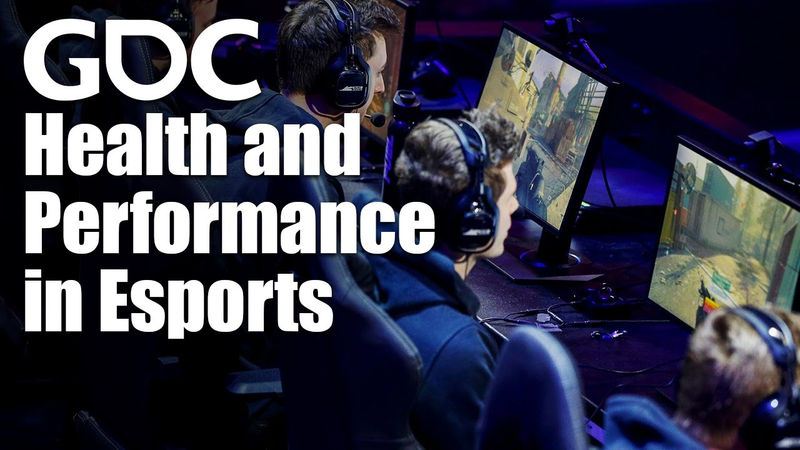

Comments