1 free read left. Create a free account for unlimited reading + AI research.
Create free accountArticle Journal of Games Criticism
1 free read left. Create a free account for unlimited reading + AI research.
Create free accountArticleJournal of Games Criticism
Distilling the key insights…
Japanese video games, or gêmu, represent a distinct media ecology that necessitates an analytical framework separate from Western-centric industry standards. Rather than viewing these titles as isolated products, they must be understood as central components of a broader Japanese media mix that integrates manga, anime, and gaming into a cohesive industrial structure. This interconnectedness fosters a unique design philosophy that prioritizes secondary liveliness, where persistent environmental details distribute player attention, contrasting sharply with the progressive, character-centric action typical of Western game design.
The evolution of these games is shaped by a complex tension between local cultural traditions and the strategic use of mukokuseki, or stateless aesthetics, designed to facilitate global export. While some developers adopt this neutral aesthetic to appeal to international audiences, Japaneseness remains a vital selling point and a defining characteristic of the medium. This duality highlights the ongoing negotiation between domestic creative influences and the demands of the transnational marketplace, particularly within the context of the Cool Japan soft power initiative.
Ultimately, the study of Japanese gaming requires a cross-curricular approach that accounts for both specific cultural origins and the constant exchange of creative ideas across borders. By recognizing gêmu as an interwoven element of a larger transmedia framework, analysts can better appreciate how these games maintain their distinct identity while navigating the complexities of the global industry. This perspective clarifies that the unique traits of Japanese games are not merely stylistic choices but are deeply rooted in a specific historical and industrial context that continues to influence the trajectory of interactive entertainment.
Journal of Games Criticism · 2026
Journal of Games Criticism · 2026
Journal of Games Criticism · 2025



Journal of Games Criticism · 2025
Journal of Games Criticism · 2025
Journal of Games Criticism · 2025
Journal of Games Criticism · 2024
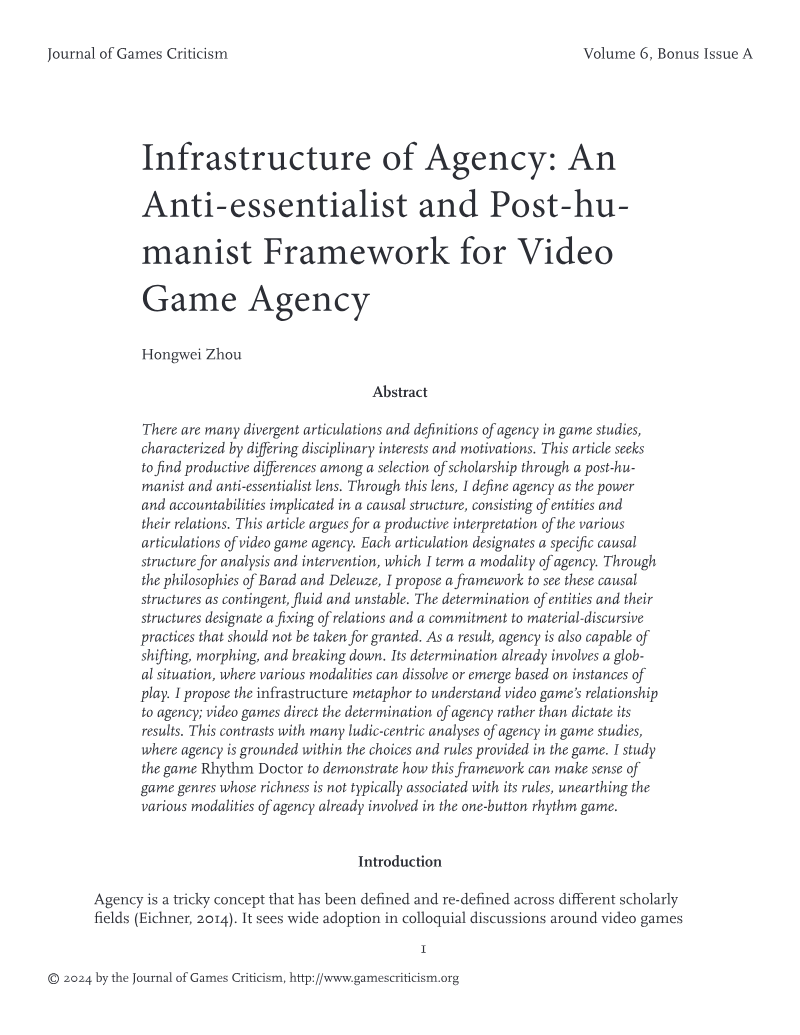
Journal of Games Criticism · 2024
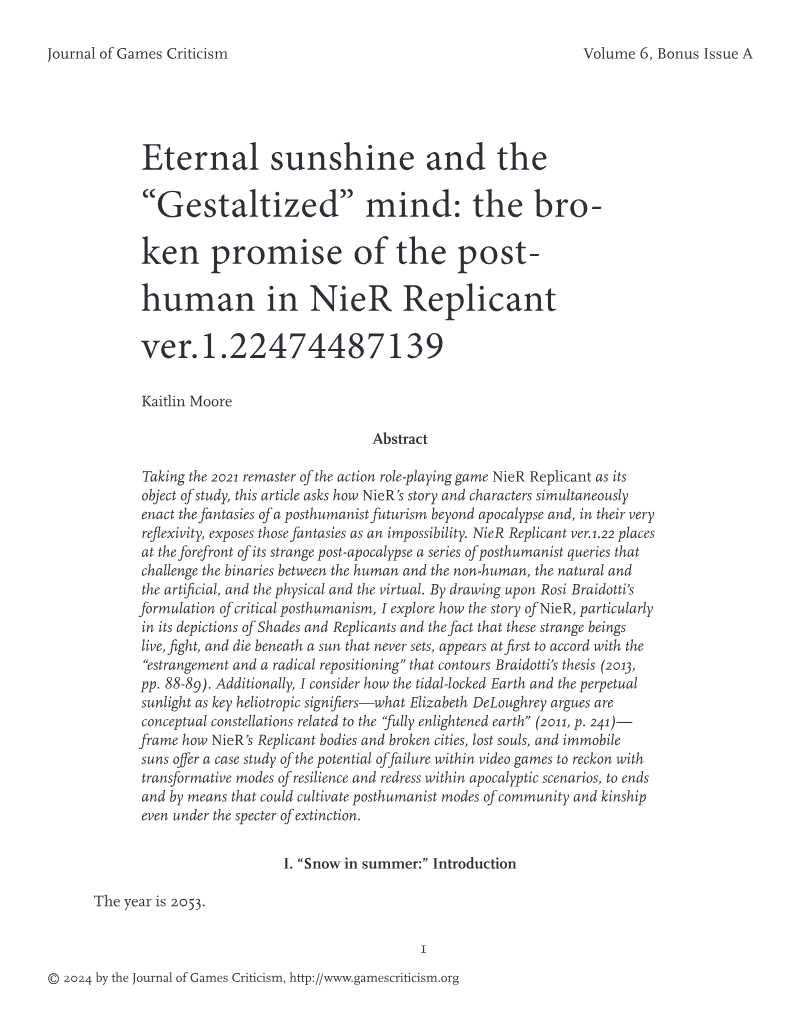
Journal of Games Criticism · 2024
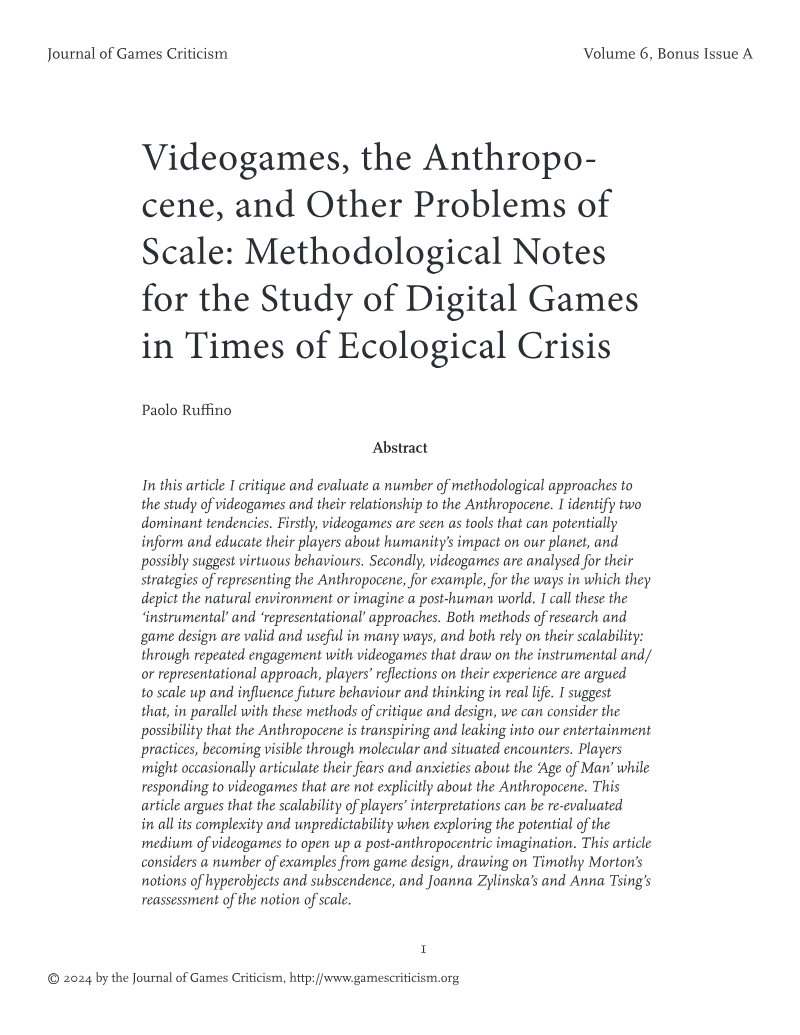
Journal of Games Criticism · 2024
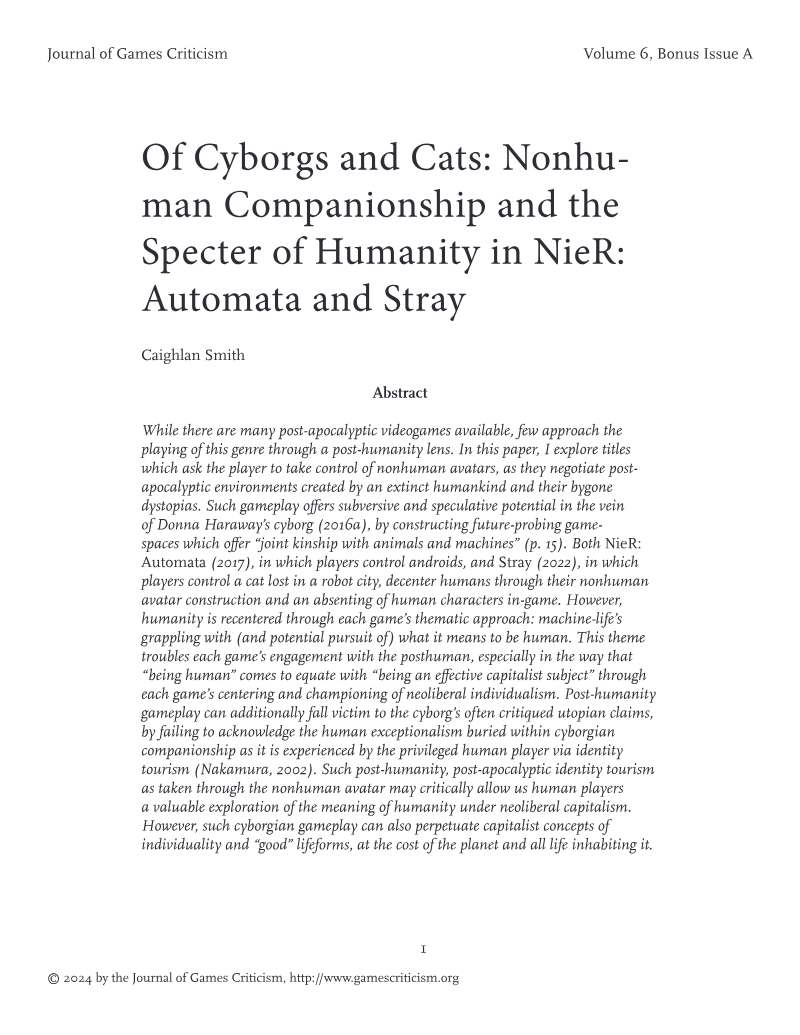
Journal of Games Criticism · 2024

Journal of Games Criticism · 2024
DiGRA · 2026