1 free read left. Create a free account for unlimited reading + AI research.
Create free accountWhitepaper DiGRA
1 free read left. Create a free account for unlimited reading + AI research.
Create free accountWhitepaperDiGRA
Remasters mainly enhance graphics with limited changes to story and gameplay, while remakes may introduce new narrative or gameplay elements.
This paper argues that achievements, or trophies, function as paratexts in Genette's sense, offering authorial commentary that reveals the palimpsestic relationship between original video games and their remakes and remasters. Its central thesis is that trophy lists, which typically persist, change, or are newly created across versions of a game, provide traces of the revision process and can be read as interpretive, navigational, and commercial thresholds. The authors note that while the commercial effects and gamification role of achievements have been studied, their interpretive function has received little theoretical attention, and that existing scholarship on remakes as paratexts has largely omitted achievements.
The analysis is framed by the distinction between remasters, which mainly enhance graphics with limited changes to story and gameplay, and remakes, which may introduce new narrative or gameplay elements. The paper traces achievement systems from the Xbox 360's 2005 launch and cites a 2007 industry study correlating higher achievement volume with higher Metacritic scores and sales, noting that achievements became mandatory on Microsoft and Sony platforms. Its examples span Silent Hill 2, Shadow of the Colossus, and The Stanley Parable, with The Last of Us serving as the main case study.
Comparing the PS3 (2013), PS4 Remastered (2014), and PS5 Part I (2022) versions of The Last of Us, the authors show that the difficulty-based platinum requirements of the earlier releases were removed in the latest version, allowing the platinum trophy to be earned on easy mode. They interpret this shift as evidence that narrative engagement has displaced skill-based challenge as the priority across the nine years separating the original and the remake. The paper concludes that achievements reveal design changes, references to earlier versions, and encouragements toward new ways of playing, making them valuable sites for reading the palimpsestic nature of revised games.
 MicrosoftCompany · United States · founded 1975 · 1,498 documents
 Sony GroupCompany · Game company · 1,152 documents
 Silent HillGame · Team Silent · 1999 · 83 documents
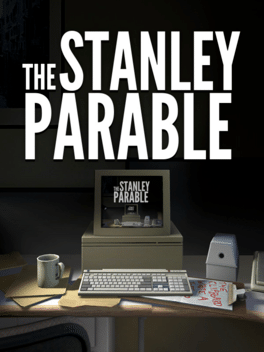 The Stanley ParableGame · Galactic Cafe · 2013 · 33 documents
 Silent Hill 2Game · Team Silent · 2001 · 27 documents
Each row is a game or company this document names, each column a document, oldest first. A mark means that document names it. Select a row to see those documents.
DiGRA · 2026
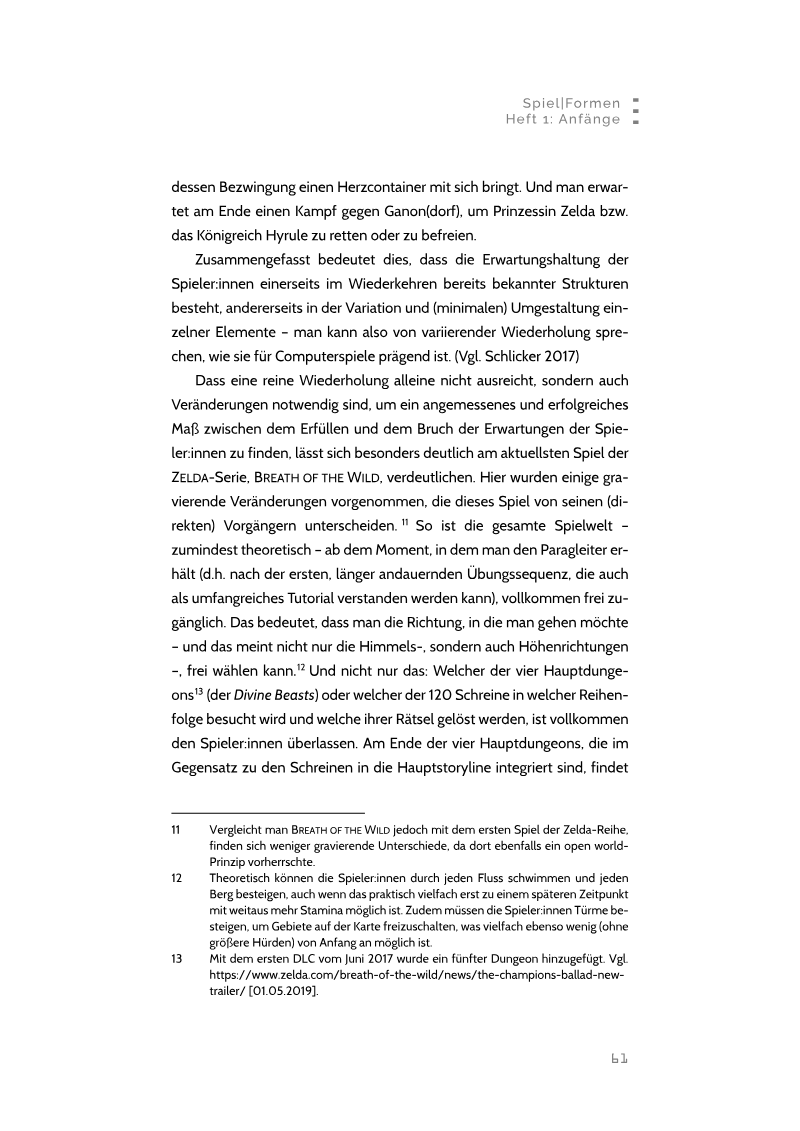
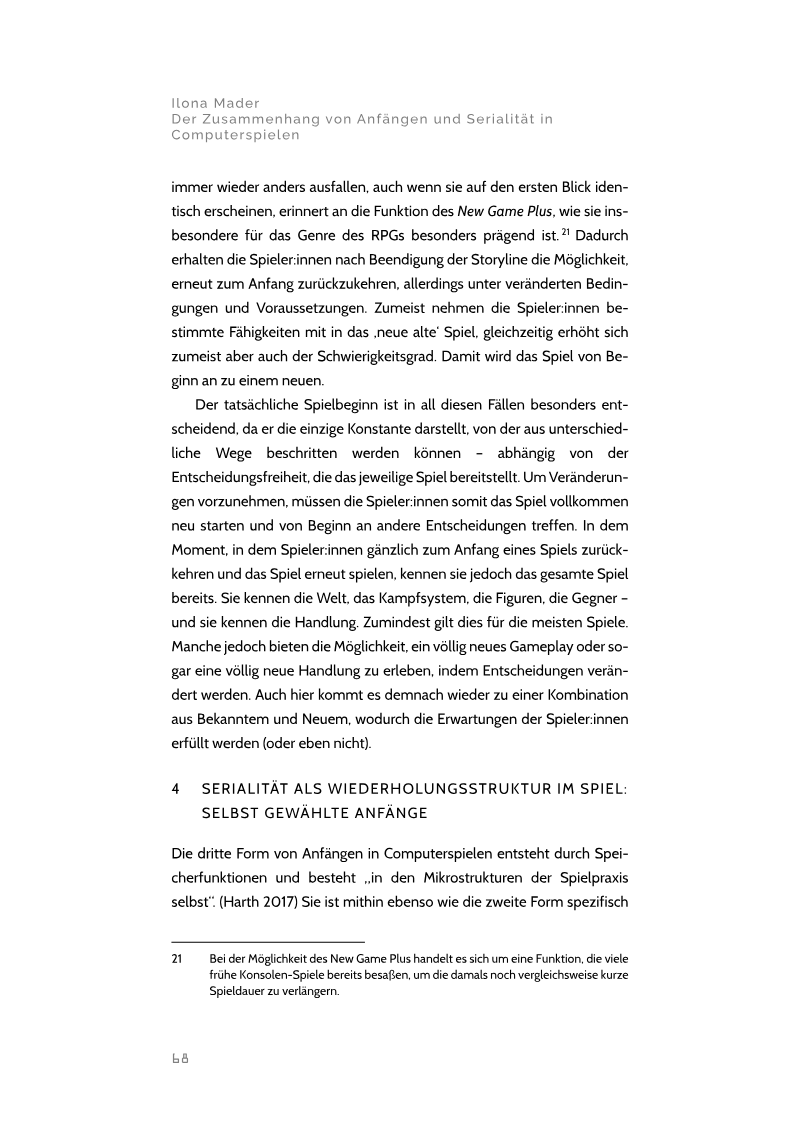
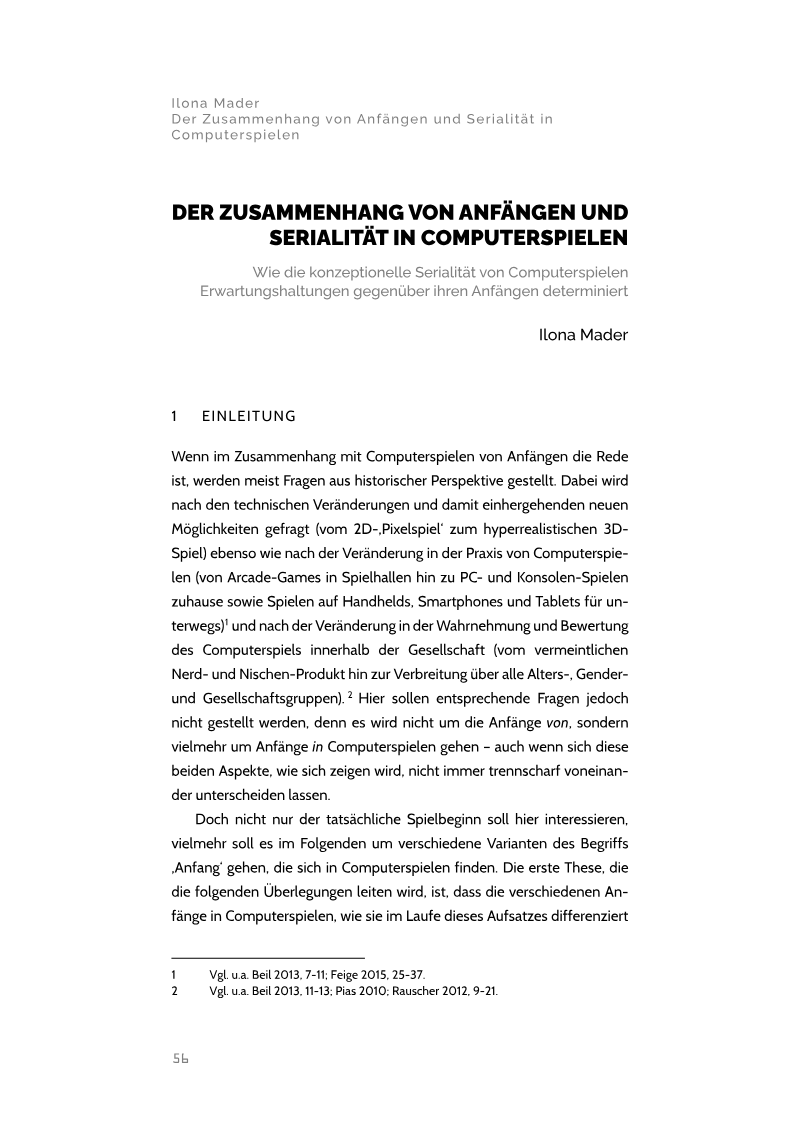
Spiel|Formen · 2021
ETC Press · 2011
DiGRA · 2026
DiGRA · 2026
DiGRA · 2026
DiGRA · 2026
DiGRA · 2026
DiGRA · 2026
DiGRA · 2026
game · 2026
Press Start · 2025
DiGRA · 2025





























