1 free read left. Create a free account for unlimited reading + AI research.
Create free accountArticle Journal of Games Criticism
1 free read left. Create a free account for unlimited reading + AI research.
Create free accountArticleJournal of Games Criticism
Distilling the key insights…
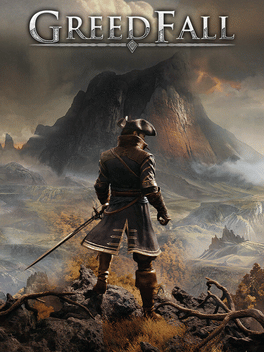
GreedFall serves as a primary case study for the persistent tension between anti-colonial narrative intentions and the structural reliance on imperialist gameplay conventions within the role-playing genre. While the game attempts to critique the harms of colonial expansion, it simultaneously forces players into roles such as the cartographer, the conqueror, and the kingmaker. This creates a profound ludonarrative dissonance, where the procedural rhetoric of the game rewards the very colonial domination that the story ostensibly condemns. By positioning Indigenous characters as materially ineffective figures who rely on the player’s intervention, the game inadvertently reinforces tropes of the benevolent savior, framing colonial influence as an inevitable or even necessary force.
This reliance on established genre conventions extends beyond the original title, as even subsequent attempts to center Indigenous protagonists remain tethered to traditional RPG frameworks. These design structures prioritize white protagonism and top-down control, which fundamentally conflict with the goal of decolonizing the medium. The persistence of these tropes suggests that shifting the narrative perspective is insufficient if the underlying mechanics continue to prioritize conquest and individualistic agency over communal reciprocity.
To move toward a truly decolonial design, the industry must move beyond superficial subversion and fundamentally restructure the procedural foundations of RPGs. Meaningful progress requires the abandonment of systems that reward colonial expansion in favor of mechanics rooted in reciprocity and Indigenous sovereignty. Ultimately, the path toward decolonization necessitates not only a shift in design philosophy but also a commitment to material support for Indigenous developers, ensuring that these communities maintain control over the production and representation of their own stories.
Each row is a game or company this document names, each column a document, oldest first. A mark means that document names it. Select a row to see those documents.
Journal of Games Criticism · 2026
Journal of Games Criticism · 2025
Journal of Games Criticism · 2025



Journal of Games Criticism · 2025



Journal of Games Criticism · 2025
Journal of Games Criticism · 2024
Journal of Games Criticism · 2024
Journal of Games Criticism · 2024
Journal of Games Criticism · 2024
Journal of Games Criticism · 2024
Journal of Games Criticism · 2024
Journal of Games Criticism · 2024
DiGRA · 2005