1 free read left. Create a free account for unlimited reading + AI research.
Create free accountArticle Journal of Games Criticism
1 free read left. Create a free account for unlimited reading + AI research.
Create free accountArticleJournal of Games Criticism
Distilling the key insights…
The study of digital games within the context of the Anthropocene requires a fundamental shift in methodology, moving away from traditional frameworks that treat games as either educational instruments for behavioral change or representational tools for depicting ecological collapse. Both of these dominant approaches rely on the flawed assumption that game-based messaging scales predictably into real-world environmental action. By prioritizing universal interpretations over individual experiences, these methods fail to account for the complex, unpredictable, and often contradictory ways that players engage with digital environments during an era of global climate crisis.
Instead of seeking unified conclusions about a game’s environmental impact, research should prioritize situated, molecular encounters. Drawing on concepts of hyperobjects and subscendence, this perspective argues that the most significant insights into the Anthropocene are found in the micro-level, non-strategic interactions between players and digital systems. These specific, polyphonic experiences reveal hidden anxieties regarding capitalist exploitation and ecological instability that are frequently obscured by broad, data-driven analyses. By embracing these non-scalable interpretations, scholars can better capture the nuanced ways that environmental crises manifest within digital media.
Ultimately, the field must move toward an eco-critical methodology that recognizes the limitations of scaling. Rather than attempting to map explicit environmental messaging onto global outcomes, analysts should focus on the messy, personal, and often invisible ways that ecological concerns permeate the gaming experience. This interdisciplinary approach acknowledges that the Anthropocene is not merely a subject for explicit representation but an underlying condition that shapes the very nature of digital play. By focusing on these localized encounters, game studies can provide a more profound understanding of how digital entertainment reflects and informs the human condition in times of profound ecological uncertainty.
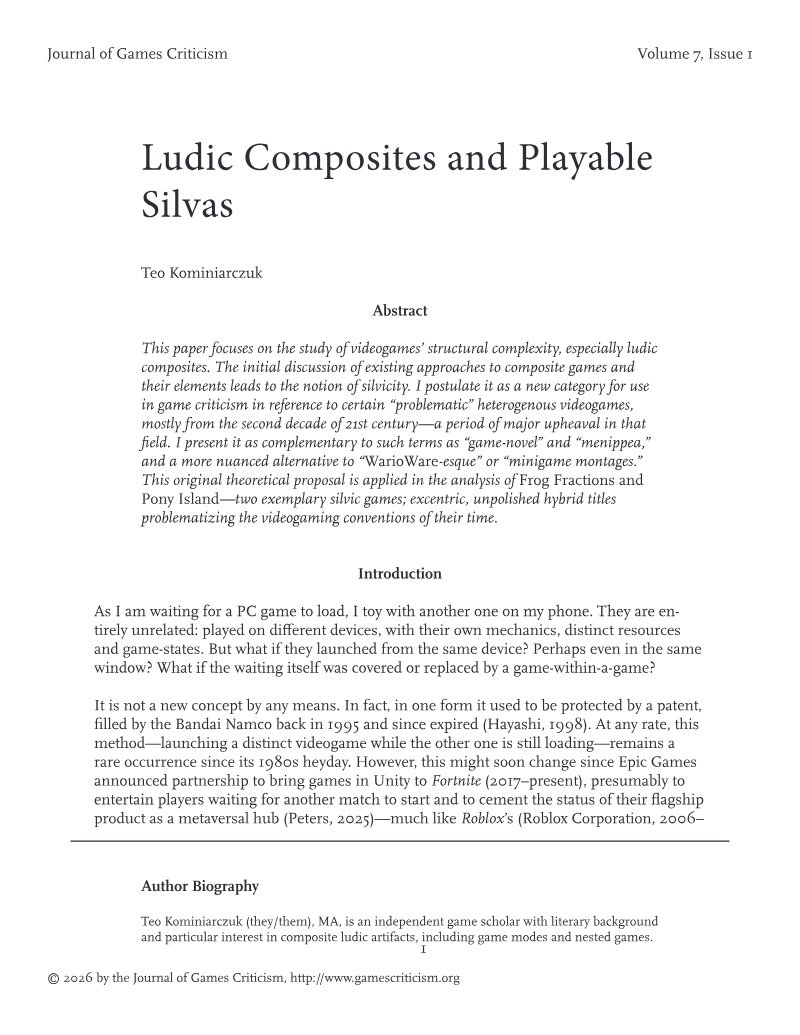
Journal of Games Criticism · 2026
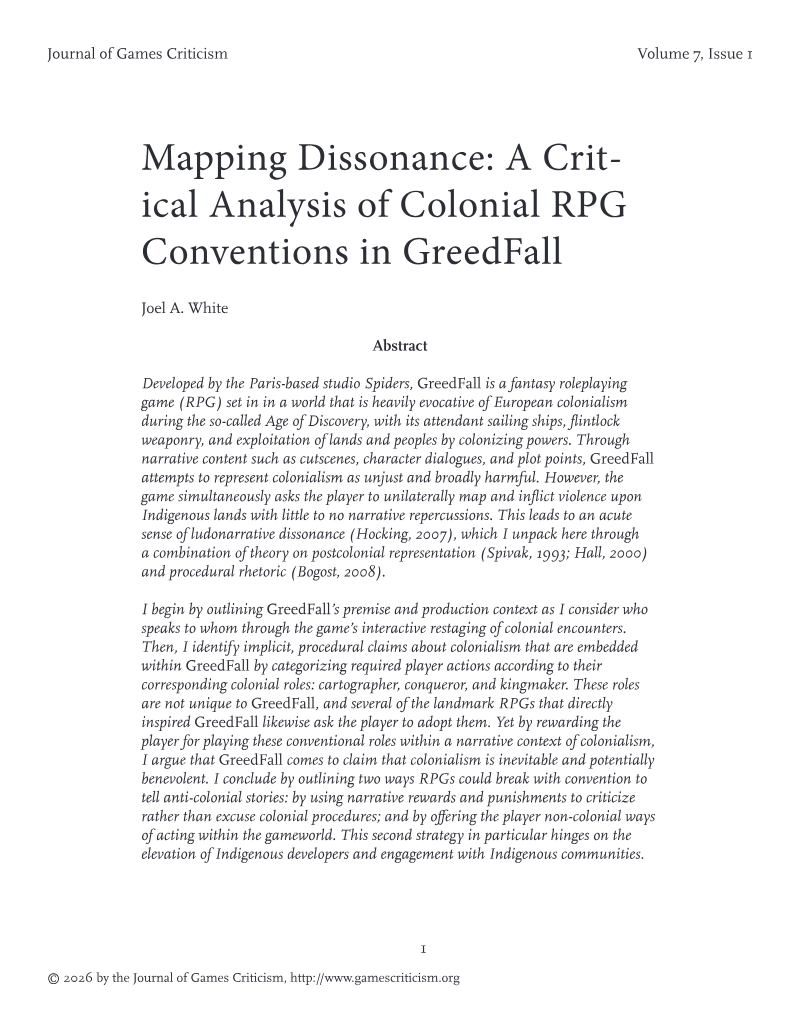
Journal of Games Criticism · 2026
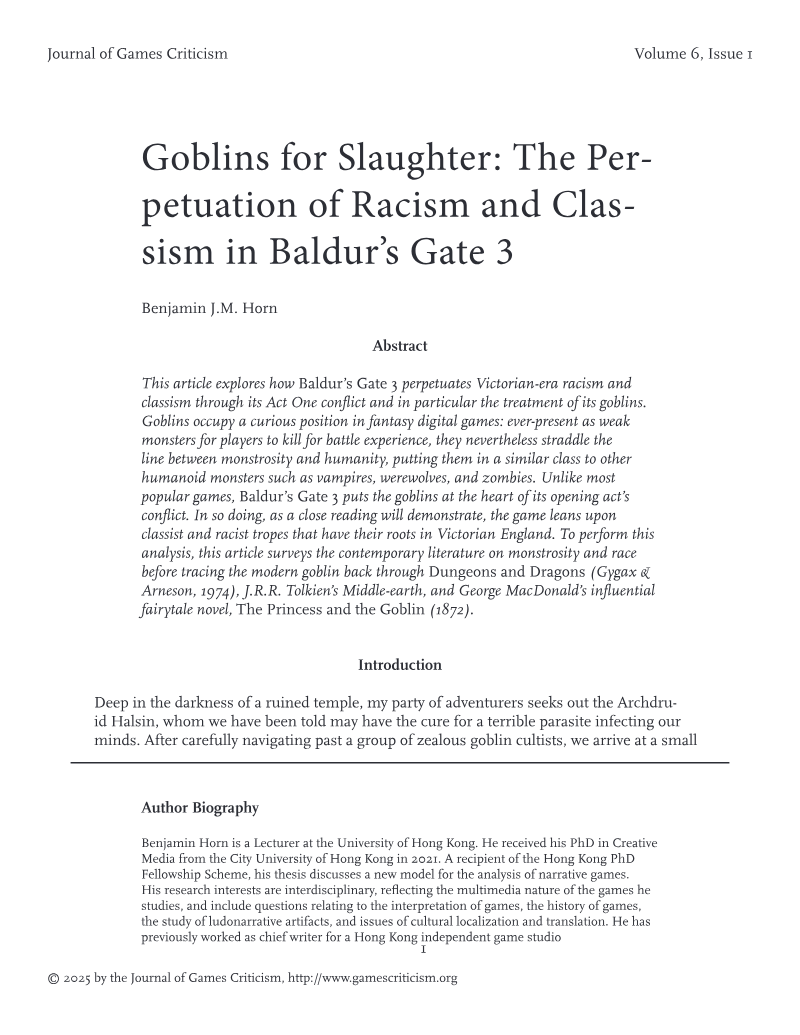
Journal of Games Criticism · 2025
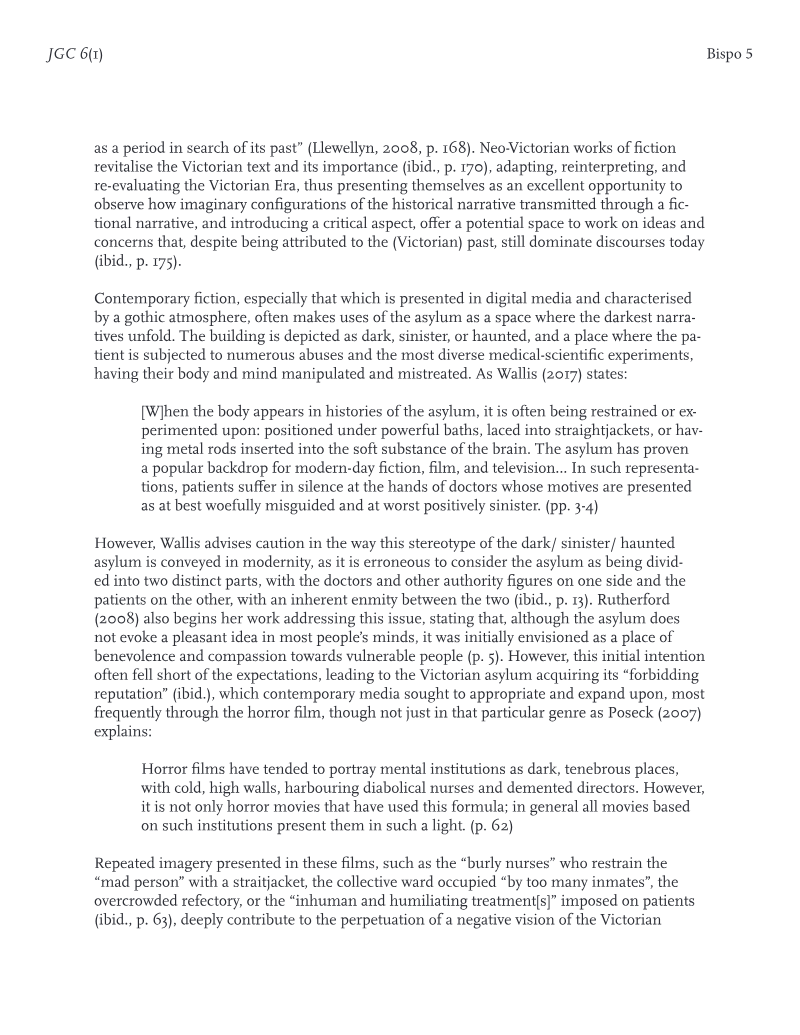
Journal of Games Criticism · 2025
Journal of Games Criticism · 2025
Journal of Games Criticism · 2025
Journal of Games Criticism · 2024
Journal of Games Criticism · 2024
Journal of Games Criticism · 2024
Journal of Games Criticism · 2024
Journal of Games Criticism · 2024
Journal of Games Criticism · 2024
International Journal of Role-Playing · 2026