1 free read left. Create a free account for unlimited reading + AI research.
Create free accountArticle Journal of Games Criticism
1 free read left. Create a free account for unlimited reading + AI research.
Create free accountArticleJournal of Games Criticism
Distilling the key insights…
Video games function as vital experimental laboratories for navigating the complexities of the post-Anthropocene, posthumanism, and the post-apocalypse. By transcending traditional human-centric paradigms, these digital experiences provide a unique medium to critique ecological collapse and reimagine the entangled relationships between human players and nonhuman entities. The central thesis posits that games are not merely entertainment but critical spaces for negotiating new ethical frameworks and material understandings in an era defined by environmental instability and the erosion of conventional humanist boundaries.
Analyses of contemporary game design reveal a persistent tension between the potential for radical nonhuman kinship and the lingering influence of neoliberal, anthropocentric ideologies. While certain titles successfully dismantle human-centered perspectives through innovative agentic structures and the centering of nonhuman subjects, others remain tethered to traditional narrative and mechanical frameworks. These findings suggest that while the medium possesses the capacity to foster a deeper understanding of our planetary entanglement, it often struggles to fully escape the legacy of humanistic dominance.
This inquiry spans the field of critical game studies, drawing upon interdisciplinary research to examine how digital media reshapes concepts of player agency, monstrosity, and environmental aesthetics. By synthesizing theoretical perspectives on the post-apocalyptic condition with practical game analysis, the research underscores the importance of digital play in conceptualizing future environments. Ultimately, video games serve as essential sites for exploring the ethical challenges of a changing world, offering a lens through which to observe the ongoing evolution of human identity in relation to a broader, nonhuman reality.
Journal of Games Criticism · 2026
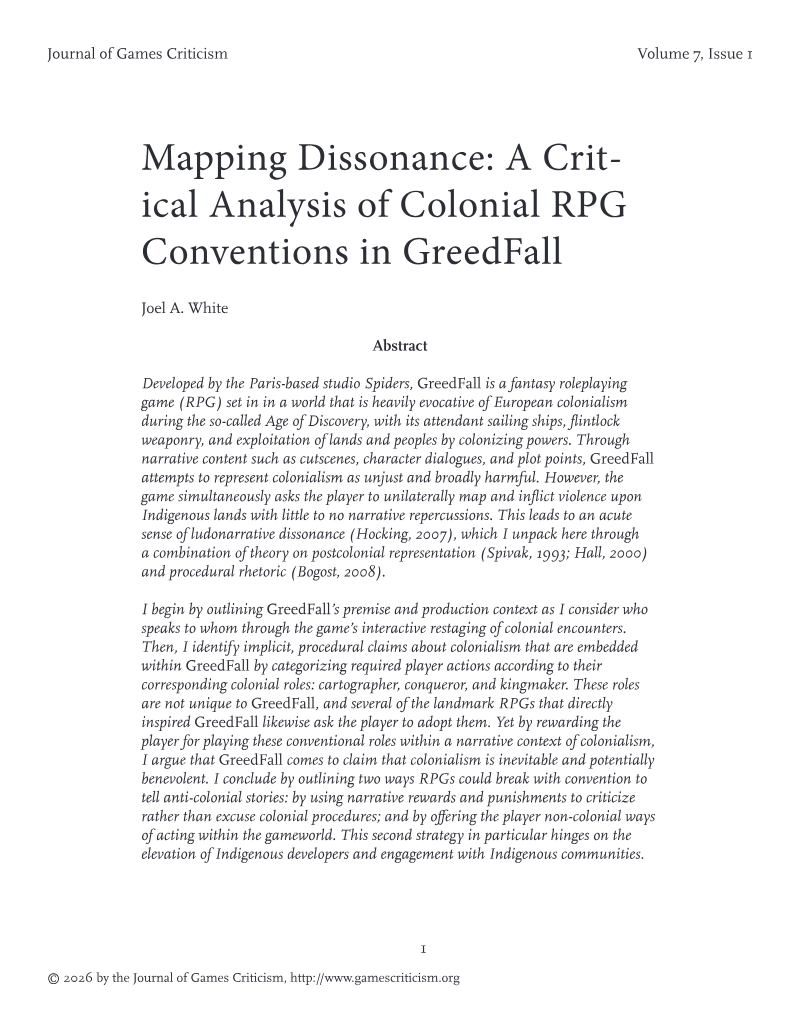
Journal of Games Criticism · 2026
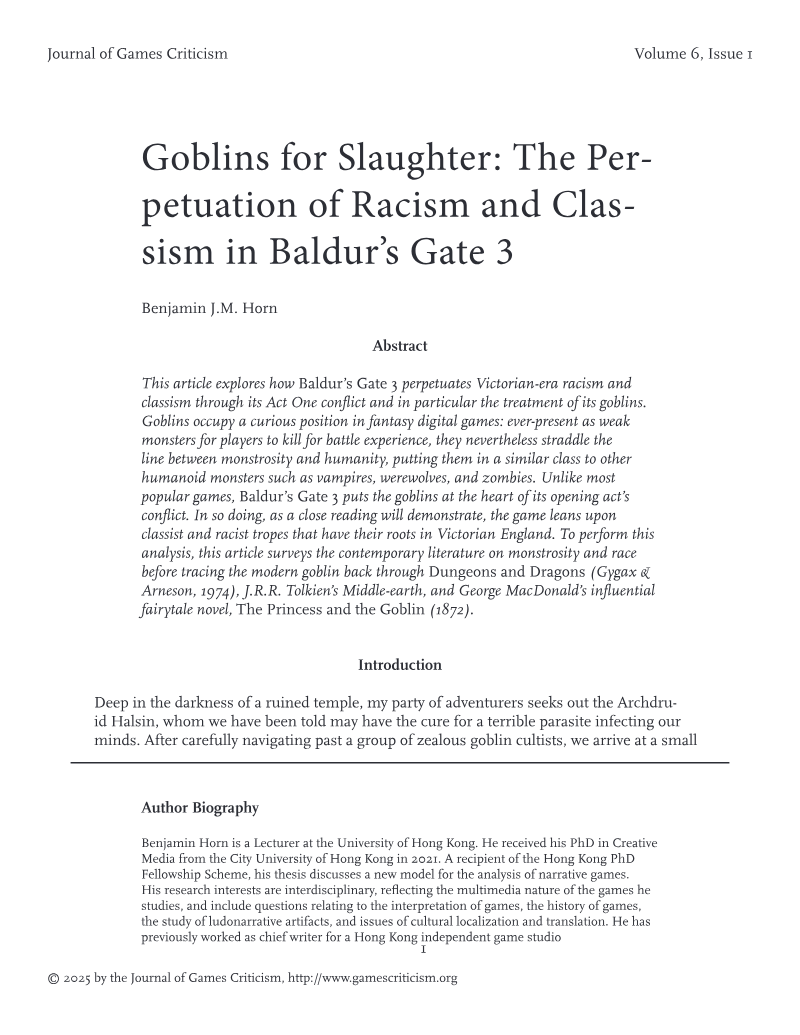
Journal of Games Criticism · 2025
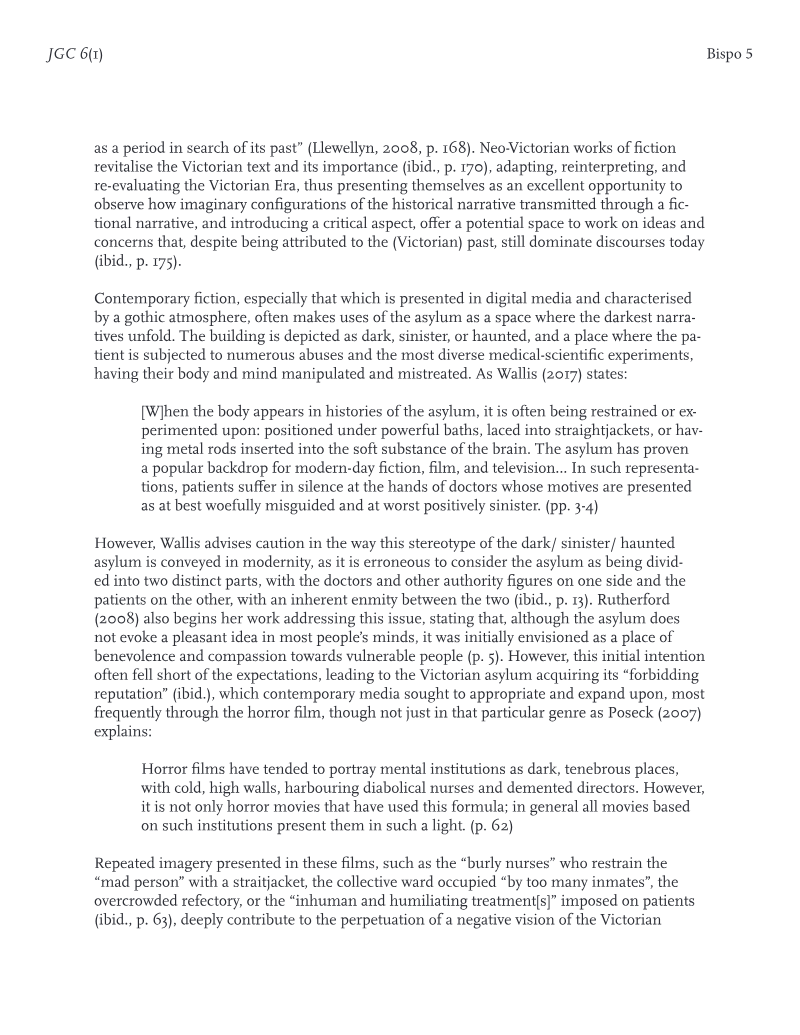
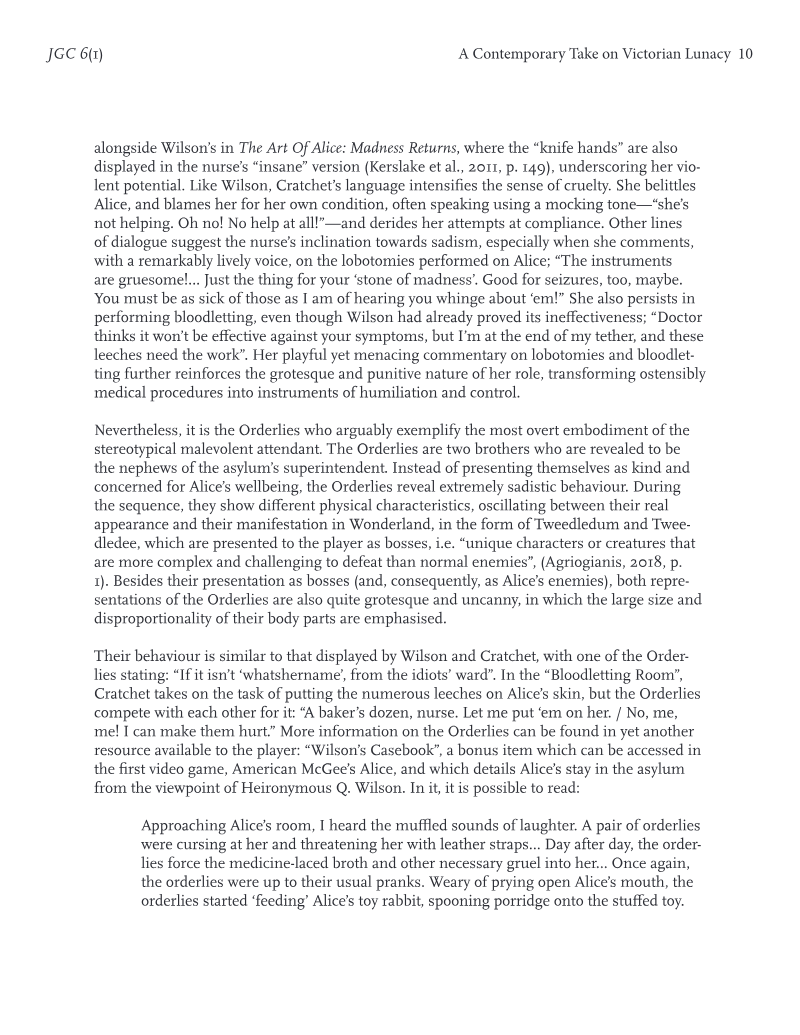
Journal of Games Criticism · 2025
Journal of Games Criticism · 2025
Journal of Games Criticism · 2025
Journal of Games Criticism · 2024
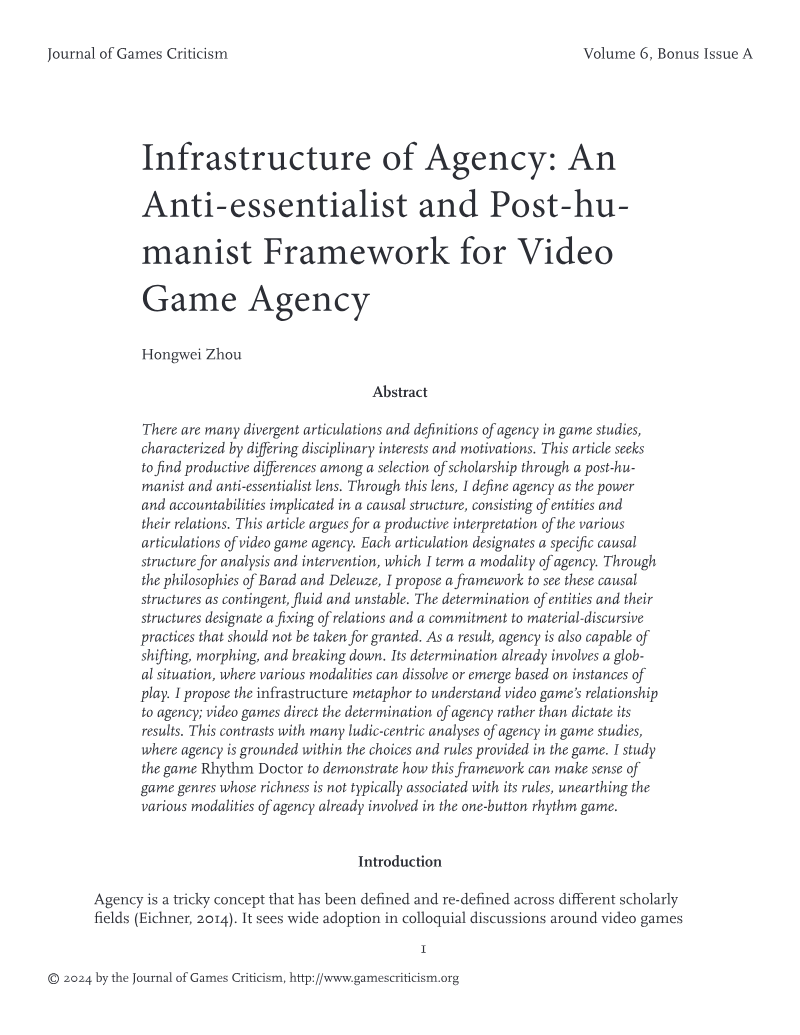
Journal of Games Criticism · 2024
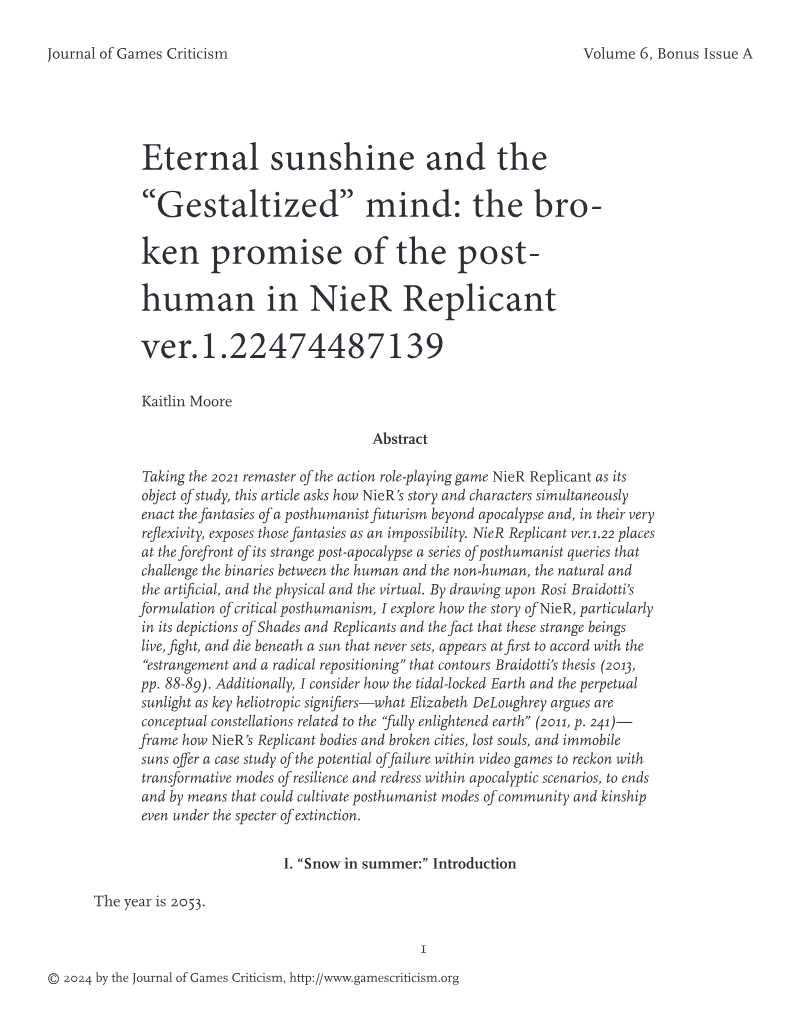
Journal of Games Criticism · 2024
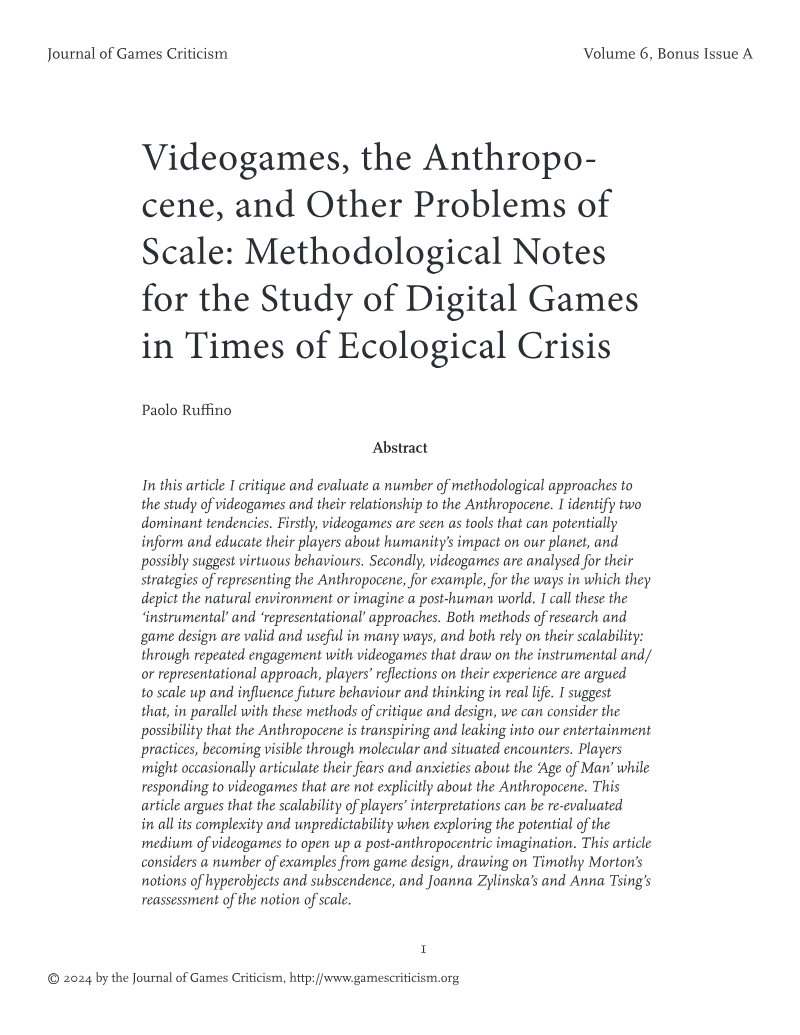
Journal of Games Criticism · 2024
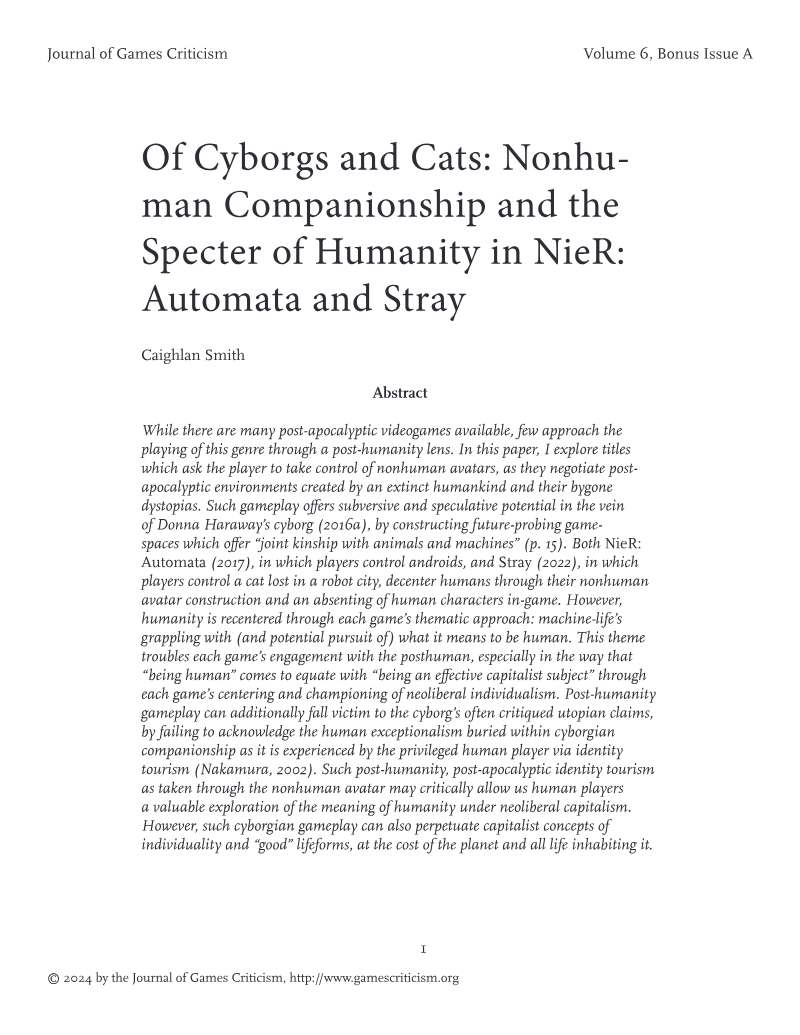
Journal of Games Criticism · 2024
Journal of Games Criticism · 2024
International Journal of Role-Playing · 2026