1 free read left. Create a free account for unlimited reading + AI research.
Create free accountArticle Game Studio Unlocked
1 free read left. Create a free account for unlimited reading + AI research.
Create free accountArticleGame Studio Unlocked
Studios can use this model to understand how each feature impacts player satisfaction.
Key insight. The Kano Model categorizes game features into four types—Basic, Performance, Excitement, and Indifferent—to help studios prioritize development based on how each feature impacts player satisfaction.
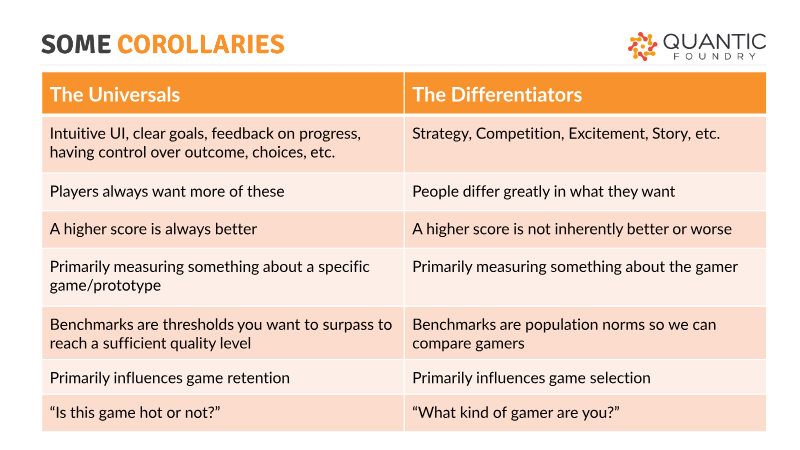
The Kano Model serves as a strategic framework for game developers to prioritize features by analyzing how they influence player satisfaction. The central thesis posits that development teams often rely on intuition rather than systematic evaluation, leading to the misallocation of resources on non-consequential tasks while neglecting features that drive genuine player engagement. By categorizing features based on their impact, studios can make more informed decisions regarding scope, polish, and development time.
The model classifies features into three primary categories: basic, performance, and excitement. Basic features are essential expectations; their absence causes dissatisfaction, but their presence is assumed and does not generate delight. Performance features exhibit a linear relationship with satisfaction, where increased quality or quantity directly improves the player experience. Excitement features, or delighters, are unexpected elements that create disproportionate positive reactions and define a game’s unique appeal. The framework also identifies indifferent and reverse features, which should be avoided to prevent wasted effort or negative player sentiment.
Application of this model is particularly valuable for indie studios during the brainstorming and concept-bolstering phases. It provides a shared vocabulary for prioritization, helping teams distinguish between necessary baseline work and high-impact innovation. Furthermore, the model serves as an operational tool during production, offering a logical basis for scope management when budget or schedule pressures necessitate feature cuts. While the model is not a substitute for direct playtesting or deep audience knowledge, it provides a rigorous lens for aligning development efforts with player value, ultimately helping studios build more compelling and successful games.

Game Studio Unlocked · 2026
Game Studio Unlocked · 2026

Game Studio Unlocked · 2026

Game Studio Unlocked · 2026

Game Studio Unlocked · 2026
Game Studio Unlocked · 2026
Game Studio Unlocked · 2026
Game Studio Unlocked · 2026
Game Studio Unlocked · 2026
Game Studio Unlocked · 2026
Game Studio Unlocked · 2026
Game Studio Unlocked · 2026