1 free read left. Create a free account for unlimited reading + AI research.
Create free account
”Casually Hardcore” - How Hardcore and Casual are Outdated Terms
Key insights
7 takeaways- 01A significant portion of the mobile gaming audience, particularly women, engages in substantial play time but rejects the 'gamer' identity, often viewing their hobby as a private or guilty pleasure.
- 02The industry-standard labels of 'casual' and 'hardcore' are obsolete because they fail to reflect modern player demographics and the nuance of actual gaming behavior.
- 03Historical marketing shifts in the 1980s, following the video game market crash, intentionally targeted young men and created lasting, exclusionary gender stereotypes.
- 04High-depth experiences like management and simulation titles demonstrate that social nurturing and collaborative gameplay can provide significant complexity without relying on traditional 'hardcore' tropes.
- 05Research indicates that while male players are often motivated by competition and destruction, many female players prioritize design, narrative progression, and community-building.
- 06Developers should avoid the 'pink gun fallacy,' which mistakenly assumes that applying feminine aesthetics to masculine mechanics is an effective way to attract female players.
- 07Future market success requires abandoning rigid demographic segments in favor of researching specific player motivations and fostering inclusive environments for creative expression.
Ask AI about this video
Transcript
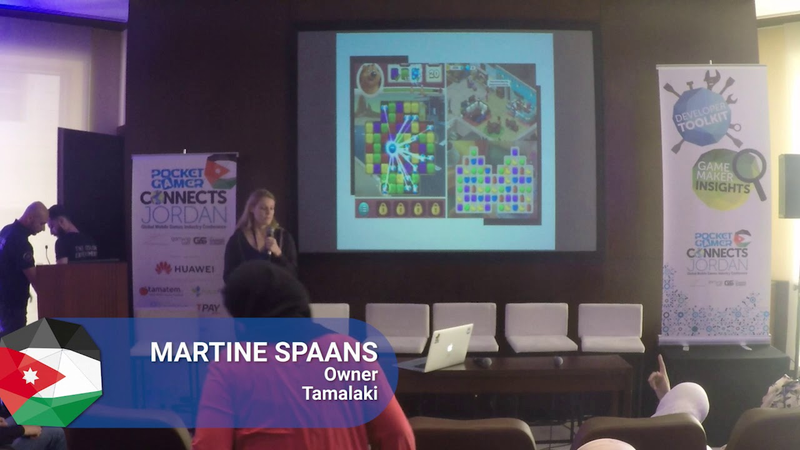
you well hello everyone let's let's jump straight to it right welcome to my talk casually hard cool how I I think personally casual game and hardcore game are out data terms that they're not from this world anymore and in the next half hour I'm gonna jump a little bit into into that point they're interesting yeah there you go that's working all right so to dive a little bit more into the casual versus hard cool I want to go to do very beginning of games pong pong can be seen as one of the first video games and you
could you could say it's quite casual you because it's very very easy to get into everyone kind of looks at this and understands what you need to do you need to stop the ball is quite easy but the fail conditions of this game are actually quite hardcore because you just you just miss one and you're out I care you need to start all over again from the beginning and you could say that as also quite a quite a hardcore mechanic so there's there's the question right the first game the first video game that was out that is that already like a hardcore game or a casual game anyway to talk a little bit more about me and why I think I could talk about this subject I've been in gaming for 12 years actually I am currently a mobile game publisher I focus on an audience of women so my games are mainly for women we mainly do a puzzle game is hidden object games we've released more than 100 games in total and I do that all in together with my partner company FGL and for them under this is development manager also
like I said we focus a lot on games upon women with our games so for example this is like some of the female characters that we feature in our games quite a variety and I think there's mysteries to sort of debunk about the casual games and games for women so I wanted to look a little bit about look this report came out last February titled don't call me a gamer just a single out a few things of this it's a study by AB 11 and it's at 67% of respondents play mobile games three to four times a week but would not consider themselves to be a gamer as mostly among female players that who feel that way basically they you know they spent quite a lot of time in a mobile phones playing games but they wouldn't call themselves a gamer to kind of compare that you know my husband maybe plays called duty two five two times a month for an hour and he thinks he's a gamer but these people
play more so who is a real gamer here right hello sometimes it seems a bit slow also all the generations are more less likely to call themselves a gamer so people over 55 but you know they consider the term hardcore gamer still to be associated with like sixteen year old boys so you know they play a lot of games but they really don't associate with with the terms [Music] sorry about this okay now I broke it [Music] it's all right because it's skipping over a slide all the time alright so the
next slide actually features it goes a little bit also again into the history of gaming in the ADA 70s and 80s so you know and the 70s is really sort of more gaming platform started coming up and gaming was first considered to be something for everyone something I really I mean games like space invaders and pong for example they don't really have a gender specific look so when you look at the advertising for these games from that time pretend you don't see this yet this is like oh I'm going the wrong way okay so this is deep the wrong way around but anyway in the 70s as you see the advertising is far more towards families there's a man and a woman together having fun playing a very gender-neutral game hahaha were playing Space Odyssey we're having so much fun
together and in the 80s you've snow in 1983 there was a big video game crash it means that lots of really really bad quality games were flooding the platforms people just stopped buying consoles because they were very buggy games released and people kind of lost her faith in games as a medium it's a 1983 video game crash really gave me industry crashed and after 1983 the market ears started becoming more sort of aware of their message to really attract gamers and they were looking at the market and they saw that slightly more men than women were buying games so they decided to really focus their marketing a lot on on on men so when you look at the 80s adhere this is not meant for women this is meant for men who like to look at women you know so this is really how they sort of alienated women as an audience also because they were really trying to focus more on on men as
an audience and that's also when you see that sort of the gender-neutral games will slowly start to phase out and graphics of course became more detailed and the graph became more sort of you know shooters and things like you know more aims at men as an audience so but what do women like to play them right this is a study from 2018 it's quite quite old but looking at like a very very recent study it shows very similar results this is just a nicest graph that I could find so you know the average percentage of female figural players really like to play match 3 games farming games casual puzzles etc so looking into that this is like an example of a game that women really love to play this is Tim last and you see home escapes there and a matching two dimension and all those games really play mostly by women however when you look at for example the
the mobile game awards that Pocket Gamer gives out every year and you look at the list of winners you know does this pop G in there and fortnight's and all those titles there's really not a casual game in there not on any category even though these games have like hundreds of millions of fans around the world and they make a lot of money they're constantly among the top ten grossing games in the app stores but you know gaming is not the only media where that happens because when you look at books for example sort of the you know the internet to book international the Pulitzer anniversary book price of that's like the biggest one there is and it's never won by any of these sort of best-selling authors you've Daniel Steele David Baldacci like you know that I mean they write games for an audience of millions of people and they've been translated in in you know offered more than 20 languages they're very popular but they never want any of this prices Hollywood is quite the same way because the last time that a romantic
movie that mainly appeals to an audience of women the last time that that one won an award was in 1996 also again quite a long time ago so when you look at this you can see that media with more of a sort of female touch to it is consistently popular over the last like 20 30 years but it's not really sort of recognized in that medium all right so talking about a game of yeah sort of these non-gamers these women who would like to consume media as well what do they look like right well typically they are described as housewives however I have a few problems with that stigma his you know it's I think it's this it just comes down to a few sort of traits of huge few small things that these people have in common so I think it has to do with obviously the daily life and amount
of time spent on gaming you're not having enough time to endlessly wait for loading times for example on your Playstation the last game I installed on my playstation 4 took six hours to install you know everyone who was to like play a game for 10 minutes doesn't have time for that and it's also that people don't like openly talk about these games and it therefore they don't identify with the term gamer you know it's like a guilty pleasure something you do for yourself but you don't really you know like at a birthday party saying like you know what I played you know and then they're like talk a lot about about how you play helix jump for two hours here so that's why I'm like you know there's a lot of sort of apology about playing these games a lot of people feel like oh you know I play these games but I feel guilty about it to talk about it I think you should just become unapologetic about it yeah okay the people like helix jump for two hours straight that's fine you know that's I mean if that's the way you relax then no one should have an issue with that so I'm kind of a champion in casual games
to be less unapologetic because people are like championing the fact that they've like spent the entire weekend playing pop G and and why would that be any better than playing entire weekends a small mobile game wait I'm gonna pull up my notes a little bit because there were some statistics in this one that I don't want to get wrong right masculine versus feminine culture there is a Dutch social psychologist whose name is here top stayed and he defines that cultures can be sort of also categorized by their gender based on how to balance individual achievement and social nurturing so for example Scandinavian countries they are sorry very feminine because gender roles are less divided you see just as much dads on the streets with a stroller like like this as mums you know it's not
really sort of a gender thing there and there's much more strong focus on social well-being so you see that you know like the health care the school system it's very much provided for well you compare that to United States it's very much masculine culture because there it's their different expectations for men and women and it's also very much focused on individual achievements less less so much as thriving as a community but more thriving as an individual so kind of how this comes down to two games I mean I don't want to make this all about sort of a social psychology thing but it comes down to do not design a pink gun so there will be a market for pink guns but your mark is gonna be very very small and it doesn't really have to do much with the feminine design is a very male design it just happens to be pink so a feminine game it can be it can be
full you know can be open to two women without making it purple and pink and stuff there's really no need for that it just need the game needs to allow for allow for fluid gender roles and social nurturing so for example many games that are popular among women have this they're like management games where social nurturing is an important aspect of the game for example look at like zookeeper farmville The Sims yeah there's a lot of there's games put a lot of aspect on nurturing your your the people around you in the area around you and that's how you succeed in the games also some men might think like hold on a minute I enjoy those games too it's totally fine totally fine it's not about being a man or this is about sort of the cult the feminine masculine culture and and how you enjoy social nurturing also has a skill this is another interesting
example I think sort of the feminine game design is not only sort of about the nurturing aspects it's it's also a lot about sort of the community this game is transformice it was a game on Steam it was quite popular for a while the way it works basically with 50 players you are all thrown into this short multiplayer session and the goal of the game is to get cheese and one player every session one random player every session is like sort of the the wizard Mouse and the wizard Mouse can build bridges to get to the cheese the first time I played this I was really bad at it and all of a sudden I was do is that you next round I was the wizard and I didn't know what to do so I typed in the chat like what am I supposed to do now and I was I was ready for this storm of anger because I was course taking way too long and I was messing up the game you know people couldn't get cheese because I didn't know what to do so I was like expecting
this wave of hatred but instead of that people were like giving really useful helpful comments in the chat like oh you need to like which reason is these buttons and do this and this and it was really helpful and I think that was a good example of how a cooperative gameplay can really make players sort of cooperate and play nice together which is also sort of a feminine aspect of game design to kind of stimulate players to to play together like that so collaborative game by play is also an interesting part of it it's it's interesting multiplayer but can also be interesting to look at it in a single-player experience so for example this is a screenshot of the game choices which is a sort of a narrative episodic game where you have to make choices basically what you do and any of for example Aurora she's an NPC you know she's just a
computer character and I can choose to sort of comfort her or to like be nasty to her and of course it has different sort of impacts on the game and at this way it's also interesting to sort of see how to play as a player if you just be nice to to the people around you how that can positively affect your gameplay so I think it's also like it's a good example of how social nurturing in in other types of games can also give you sort of a karma bonus you can reward people to play that way creativity is quite important as well in sort of feminine game design a recent study in Plato motor player motives showed sort of that different people across different cultures and age groups play for different motives you know why they play some goals were all the same but there are also some really interesting differences like all men
across the world kind of agreed that girls to play for were competition and destruction not my conclusion it was in the report and women more for like design and and story so for example design and story well this is a screenshot one of my latest games where you have to design a room and follow a storyline to sort of unlock new rooms for you as a home designer and stuff so you know it's like an example of how for example to to bring these elements together also another thing too important thing in my opinion to point out is that games for women are not the same as games for girls when I googled game design for women one of the first things that came up was a Financial Times article I mean Financial Times is quite an important important newspaper and I go game up it was a bad game designed for women but then it went on
and on about star stable while star stable it's it's a fantastic game it's like what you you know care for horses and use of build up your stables cetera but it's it's clearly a game for girls for a younger audience because you know it doesn't the gameplay doesn't go very deep it's a sort of a wide world to explore but there's not sort of many many different layers to it so to like player who's looking for an emotional challenge and and some depth in the game they'll be bored quite easily in comparison there's this game it's called horse world so horse reality it's a PC game and this it describes itself as a free-to-play realistic horse simulator it really really is realistic I went into this game to test it out and I you know I've been horse riding for like ten
years or something so I think I know quite a lot about it since I don't know anything because this game goes really really deep into the breeding genetics training tactics health statistics you know horse trading and those kind of things so it's been absolutely really really deep in in the markets of actual horse trading it turns out that most people play this games are actually onus of horse stables and who do breeding for specific breeds definitely not a game for teenage girls and again you know the star stable is a horse game this is a horse game but they both completely target a different audience very clearly another example of a game that kind of looks like it's for a young audience but completely isn't is this love nicky it's it's got probably the most complicated user interface i've ever seen in a mobile game it looks very very chinese from from the menu like major chinese
RPGs that have sort of very very deep gameplay have a similar menu setup like this one but this one's about fashion it's not about you know trying to be the best and killing your enemies it's about something the best in in fashion so that is very really sort of interesting variety you know it definitely also a design kind of would women in my as the main audience but coming from completely sort of hardcore games set up to it all so casual doesn't need to mean that it's got like a lack of depth or challenge to it yeah I think if you reached in candy crush level 4520 I think you quite dedicated you think you're quite a hardcore gamer actually you know so display obviously sounds like a lot a lot of time into this game quite hardcore I would say so anyway just to kind of sum it up a little bit
again to the end of the presentation giving a little bit of an overview of the main points to take away and to remember from this talk don't design a pink gun don't grab an existing game and make a pink and think it's ready for women really dive deeper into the structure of the game embrace social nurturing as an important aspect of your game design think about the collaborative game play you know not play it not necessarily only play over this play but how could people sort of help each other allow emotional connections within the game not just romantically doesn't all need to be about dating it can be about friendship you know give me about building up something long-lasting implement a meaningful story you know if you're gonna if you're gonna do sort of the the emotional connections make sure that makes sense allow users to be to design and be creative you know let them make something but most importantly respect your audience you know if you
want to design a game for them is try to understand them first before you try to design a game for them so that was about it thank you so much dang right I uh I'm still horrified I mean we've talked we've had this conversation before but I still remain horrified that the pink gun thing exists so we had the same problem in 2003 where companies pretend presenting themselves as making games for women were literally just rescaling things pink and it's a how many years later it gets ridiculous it still happens it still happens and I think well things I think really interesting out the Ducks the last line on your list of things to me is like the most obvious it should be right for every game basically she wants to make any game just you know think about for who that game is and really sort of try to research about what they enjoy I wonder if this is the problem that when you when you're making a game it's very
easy to just make a game before yourself whoever you are and to not separate you from the player if you want to make a game for yourself that's fine if you don't want a commercial success and just make a game for yourself but if you want a commercial success so you should really just think about what other people enjoy as well yeah I think this gap really about just pushing I wonder if it's almost like dunning-kruger this idea that you don't know what you don't know you know this this willingness to push yourself and say okay who might like this kind of game who is an underserved audience and so is it just a really just a lack of research I think it mainly mainly is I think like you say sort of that that understanding or you think you know because maybe you have a sister you know you think you know all about it because you know you know her but then later coming to the understanding that your sister doesn't represent all women in the world sort of
that can't be true if my sister represents all over the world but the world is doomed long story anyway do you know how many quick questions for nothing I have seen Martina Martina this is microphone coming your way well I'd like you to comment on obviously if if someone can design the holy grail of games to that cut the appeal to everybody genderless kind of game like for example pop G would that appeals to everybody this is a very good there's a very good for business why why designers cannot come up with these kind of games so why should we design a focused game one for for each group of people for example so I think that game the one game that appeals to everyone doesn't exist because for example you mentioned pop game pop G I played it
once and I don't like it have to come up with something that everybody will how to do that how to well I don't I don't think you should try you know because cuz that is completely difficult it's just like like for example with fashion you know if everyone would really like the same thing we would all wear the same thing it would be so boring again that didn't offend anyone come on that would be terrible and and you know I think it doesn't exist anyway it doesn't exist with cars it doesn't exist with food you know it doesn't exist anywhere that is something everyone enjoys just one thing in your opinion when what do you what do you think people in China I mean where does a girl like a hardcore game just like Jeff mentioned it yesterday at the editorial I mean if women in China like hardcore
games and like stuff like I mean boys do what what do you thing is that I mean why's why is it happening in China well I definitely noticed that people in China like a different user interface and games and it's a very sort of busy user interface that in our opinion kind of looks you know so very very hard quarters because there's a lot happening on screen let's go there was you know for example there's there's a lot happening on screen if you would present this to a Western mobile player for the first time and threw them into this without any explanation they go like I know but you know Chinese people sort of more used to to an interface like this because most games they have this this kind of interface ultra I think it is more cultural later I don't think it's necessarily a heart call that everyone there's a hardcore gamer I think it's more that when you sort of look at the Chinese games mainly mobile currently in the state that all
of them are designed this way so people are more used to it I think it's a one thing with the first person shooter model of particular though there have always been women first-person shooter there are some amazing women teams who play first-person shooters the trouble is it's a cultural context of the first person shooter community particularly around the old breakneck era which was quite exclusively male because of its behavior and it's um unfettered basically offensive behavior particularly aggressive definitely aggressive and I think there's so there's a different subject I think than the gameplay itself I would argue that make sense you I think you know oh all you wants that one that's a tough one I I think that we as an industry can also influence what people like to play because when you look for example I
think hyper casual is a really sort of nice example of that you know like a couple years ago with the whole flappy bird boom everyone was playing it and I think ever since then the bigger audience has opened duties like one tap silly snow funny small games that is all about high school so I think no one before that no one in the market stood up one day like you know what I want what flying chicken between pipes you know no one ever kind of thought that so I think we as an industry you know typically one developer really took a huge leap to kind of shape the market more in that direction the funny thing is I was having the very conversation with Tripp walk into GDC 2002 but he wanted to make one tap gaming so the Java era actually went through a lot of that flappy bird stuff before but it dim had the distribution that the iOS and the android market now has so it's like we've kind of rediscovered laughs lessons and I think maybe this is to
your point about the 70s versus the 80s and you know communication exercise we've there's been a lot of time communicating to the audience we think it should be rather than actually trying to work out what audiences want one last question that wasn't remarkable killing yeah I don't need it anymore i but yes chocolates mizuna yeah yeah it's just for the recording to kind of yeah you mentioned splatoon and how it has a big female audience as well I think that is also about the fact that I mean in a way it was player versus player but more like not about your necessarily shooting each other but painting the town literally and and that kind of felt collaborative in a way because you like creating something together even though it's kind of head-to-head about scores you know so I think that was also kind of tapping a little bit into what a wider audience of sort of traditionally
non-gamers enjoy so on that note we have to call it a close thank you very much much [Applause] you
Summary
The industry-standard terms casual and hardcore are increasingly obsolete, as they fail to capture the nuance of modern player behavior and demographic diversity. Historically, early video games like Pong were gender-neutral and accessible, but the industry shifted in the 1980s following a market crash. Marketing strategies subsequently pivoted to target young men, leading to the alienation of female players and the creation of gendered stereotypes that persist today. Current data indicates that a significant portion of the mobile gaming audience—particularly women—spends substantial time playing games but does not identify with the label of gamer, often viewing their play as a private, sometimes guilty, pleasure.
Effective game design requires moving beyond superficial tropes, such as the ineffective practice of applying feminine aesthetics to masculine mechanics, often referred to as the pink gun fallacy. Instead, developers should focus on core design principles that resonate with broader audiences, including social nurturing, collaborative gameplay, and meaningful narrative progression. Research suggests that while competition and destruction are common motivators for male players, many female players prioritize design, story, and community-building. These elements are not inherently casual; they can offer significant depth and complexity, as seen in sophisticated management or simulation titles.
Ultimately, the industry must move away from rigid categorization and toward a deeper understanding of player motivations. Success lies in respecting the audience by researching their specific needs rather than designing games based on personal bias or outdated market segments. By fostering inclusive environments that allow for fluid social interaction and creative expression, developers can reach underserved markets and create engaging experiences that transcend the traditional, exclusionary definitions of gaming.